The Hands She Once Held
By Noeli Jesudas
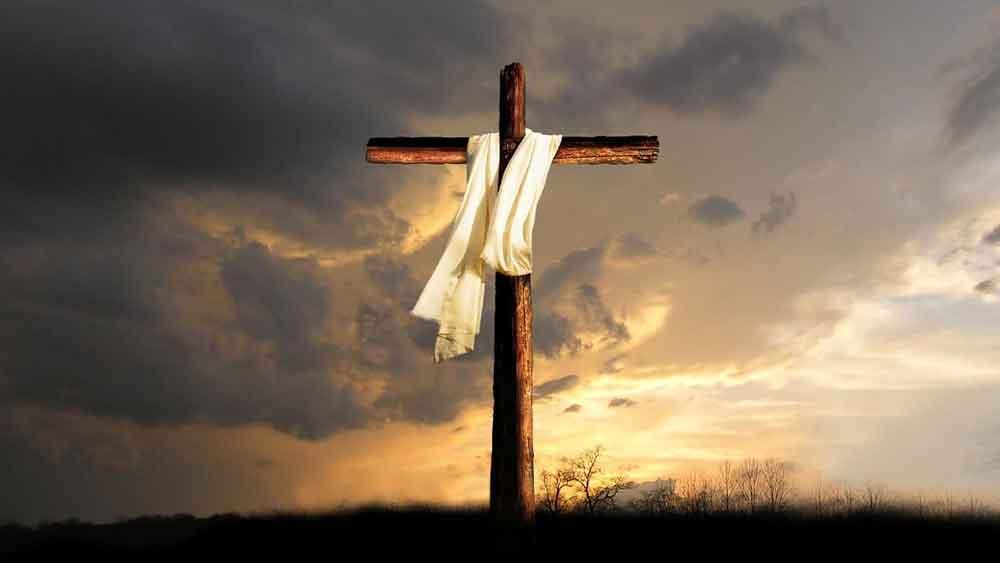
There must have been a silence that settled over that hill, but not the kind that brings comfort or rest. It was not the gentle hush of peace, nor the stillness that calms a restless heart. This silence was different. It was heavy, almost suffocating, pressing against the lungs and making each breath feel deliberate and strained. It was the kind of silence born from shock, from the unbearable weight of witnessing something that should never happen. And within that silence, we are invited to imagine a mother standing still, watching the unthinkable unfold before her eyes.
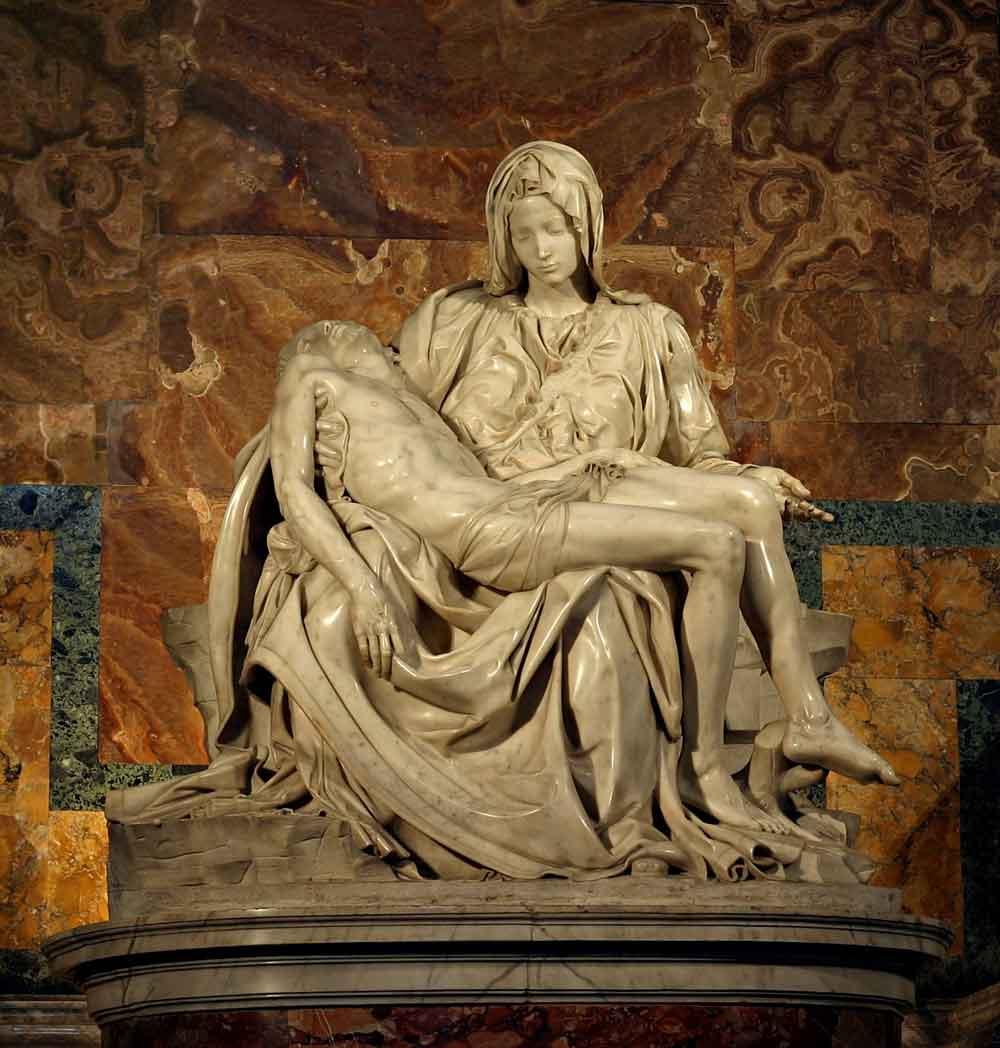
Not a distant or idealized figure framed in gold and blue, untouched by the realities of human emotion, but a mother in the truest sense. A woman whose heart was breaking moment by moment, whose body remained upright even as everything within her threatened to collapse. She was not removed from the suffering. She was immersed in it. She stood there as her son, the child she had once carried, nurtured, and loved beyond measure, was nailed to a cross. It is easy, perhaps too easy, to speak of this moment in abstract and elevated terms. Words like sacrifice, redemption, and salvation often dominate the narrative. They are meaningful and necessary, yet they risk softening the harshness of what truly occurred. Before it became a symbol of faith, the crucifixion was a moment of profound human suffering. It was an event marked by pain, humiliation, and grief so deep it resists language. And at the center of that grief stood Mary.
As she watched the soldiers carry out their grim task, her senses must have been overwhelmed. The sharp, jarring sound of hammer striking metal would have echoed relentlessly. The murmur of the crowd, some voices filled with mockery and others with sorrow, would have merged into a single, disorienting noise. The heat of the day, heavy and unrelenting, would have pressed down upon her. Each detail, no matter how small, would have carved itself into her memory with painful clarity. These were not passing impressions. They were permanent marks. Yet beneath the chaos and noise, another presence would have stirred within her. Memory, quiet yet persistent, impossible to silence. Perhaps her mind returned to the first time she held him. That fragile and sacred moment when his life began in her arms. The warmth of his small body, the softness of his skin, the way he depended entirely on her for comfort and protection. She may have remembered how his fingers curled instinctively around hers, holding on without fear, trusting her completely. A mother never forgets such moments. They do not fade with time. They become part of her very being.
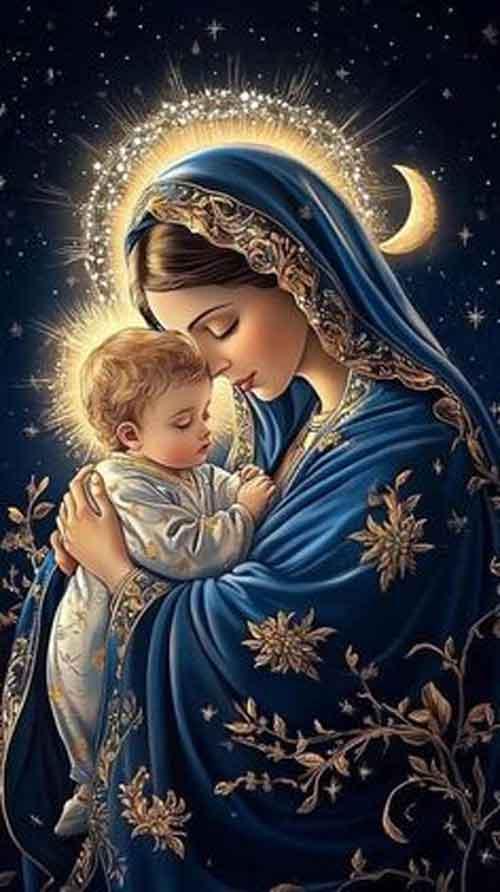
And now, those same hands, the ones that once reached for her, clung to her garments, and sought her reassurance, were being pierced. The contrast is almost impossible to bear. How does the mind reconcile such opposites. The innocence of a child and the brutality of execution. The quiet tenderness of lullabies and the harsh echo of hammers. Standing there at the foot of the cross, she was forced to hold both realities at once. What makes this moment even more devastating is her helplessness. There was nothing she could do to stop it. No way to intervene, no way to shield him, no way to take his place. Love, in its deepest and most powerful form, could not change what was happening. And that is perhaps the most painful truth of all. That love does not always have the power to prevent suffering. Sometimes, it can only witness it. And still, she remained.
This detail, so often understated, carries immense significance. She did not turn away. She did not retreat into denial or collapse into absence. She stood there, fully present to every moment, every cry, every breath. There is a strength in that kind of presence that goes beyond physical endurance. It is the strength to remain when every instinct urges you to flee. It is the courage to face what is unbearable without looking away. It is here that the meaning of Easter begins to deepen. Before there is resurrection, there is witnessing. Before there is triumph, there is endurance. The joy that Easter proclaims does not erase the suffering that comes before it. It is shaped by it. It carries its weight. Without the darkness of that moment, the light that follows would not hold the same meaning.
Too often, Easter is seen only on the surface as a celebration filled with light, colour, and renewal. These elements are not misplaced. They reflect the hope that the season carries. But they can also obscure the profound journey that leads to that hope. The joy of Easter is not simple or effortless. It is not a happiness that exists apart from pain. It is a joy that has passed through sorrow and somehow remains. For Mary, that joy would not have arrived instantly. It could not have. The memory of the cross would not disappear with the dawn of resurrection. It would remain, woven into her story, inseparable from it. And perhaps that is what makes the celebration of Easter so deeply human. It acknowledges that joy and grief are not opposites that cancel each other out, but realities that can exist together.
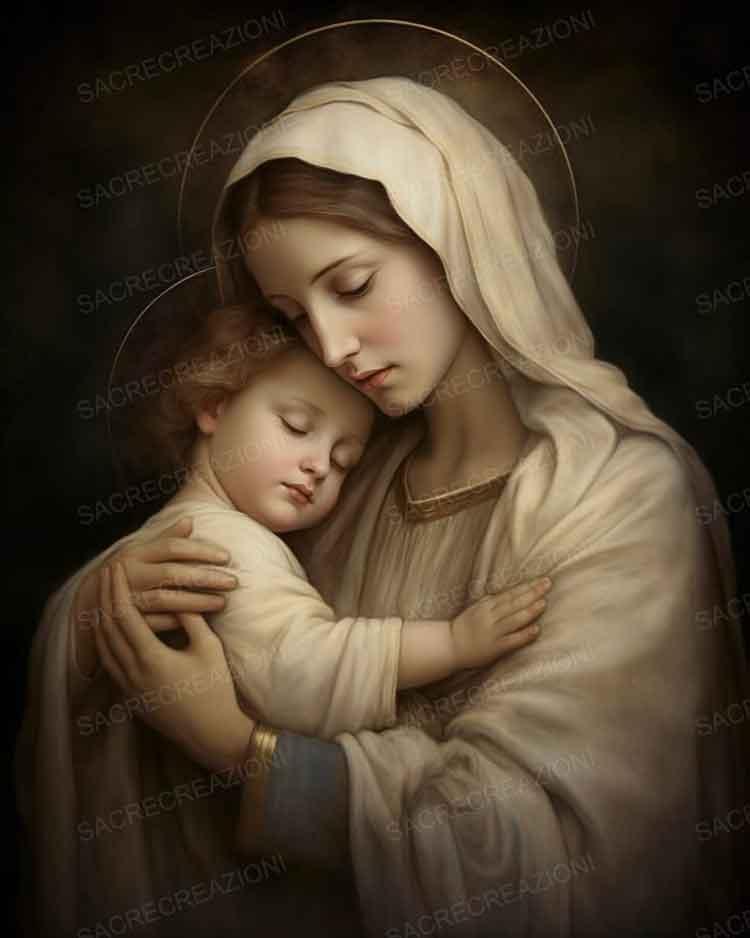
To feel pride in this context is not to forget the suffering, but to recognise what was endured. It is to see that even in the face of unimaginable loss, something within remained unbroken. Love did not disappear. Faith did not collapse. Hope, though shaken and strained, was not extinguished. There is a quiet kind of pride in that endurance. Not the loud or triumphant kind that demands recognition, but a steady and resilient presence that simply exists. It is the pride of having loved deeply, even when that love led to pain. The pride of having stayed, of having witnessed, of having refused to turn away.
Perhaps this is what Easter asks us to reconsider. Not only the outcome, but the journey that leads to it. Not only the victory, but the cost that made it possible. It invites us to look beyond the surface and to sit, even briefly, in the weight of what came before. Because in doing so, the celebration becomes richer and more profound. It is no longer just about a moment of triumph, but about a story of love that endured what seemed impossible to endure. A story in which a mother’s memories of holding, comforting, and simply being present stand in stark contrast to the suffering she was forced to witness.
And yet, those memories are not erased by the cross. They remain, intertwined with it, shaping how we understand both the suffering and the joy that follows. The image of those small hands, once held safely in hers, does not vanish. It exists alongside the memory of those same hands wounded and broken. In that intertwining, something deeper is revealed. Love is not fragile in the way we often imagine. It does not disappear in the face of pain. It endures. It remembers. It holds on, even when everything else seems lost.
Easter, then, is not a simple celebration. It is a profound testament to the strength of love. A love that does not forget, a love that remains present, a love that continues even in the darkest moments. It is the story of a mother who stood and witnessed, who carried both memory and sorrow, and who did not let go. And perhaps that is where its true power lies. Not only in what was overcome, but in what endured. Not only in the promise of new life, but in the unwavering presence of love that made that promise meaningful in the first place.