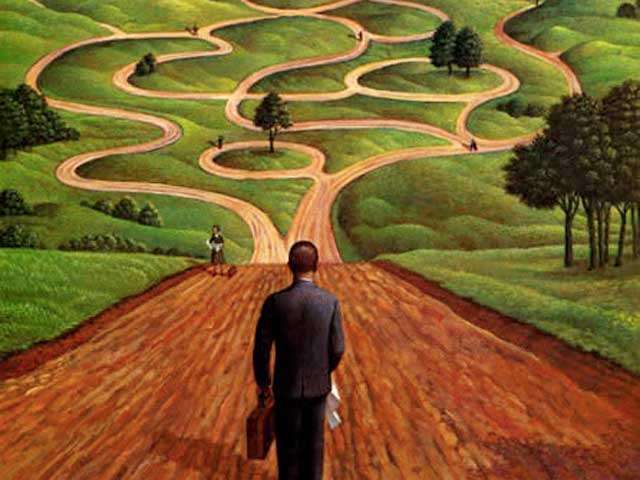
Why We Love Messy Characters
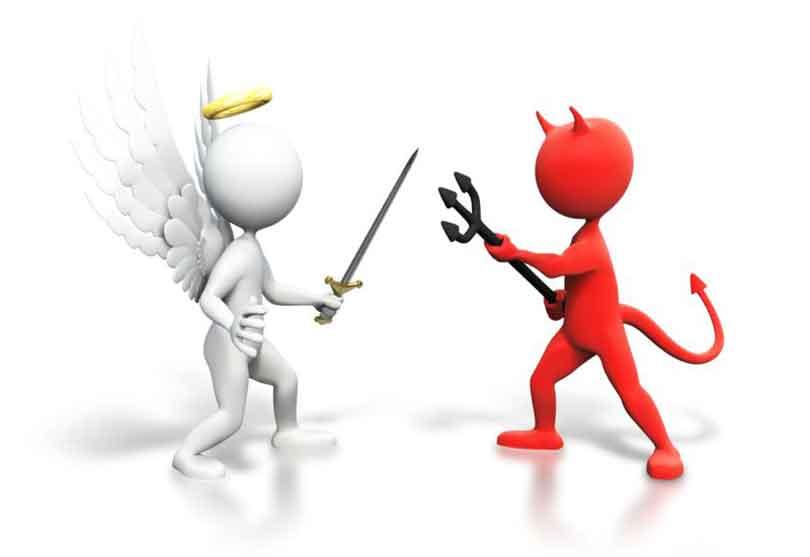
]There was a time when stories were simple. Heroes were good. Villains were bad. The lines were clear, the endings were satisfying, and audiences knew exactly who to root for. But somewhere along the way, something shifted. Today, the characters we obsess over, defend online, and even see ourselves in are often deeply flawed, morally conflicted, and sometimes outright problematic.
So why do we love messy characters so much? The answer lies somewhere between psychology, culture, and the way storytelling itself has evolved in the streaming age. Some characters don’t fit into neat moral boxes. And that’s exactly the point.

At a psychological level, messy characters mirror the reality of being human. Most people don’t see themselves as purely good or bad. We make questionable decisions, justify our actions, and live with contradictions. Watching morally complex characters allows audiences to explore those same contradictions from a safe distance. It creates a space where people can confront uncomfortable truths about themselves, without real-world consequences.
There’s also something deeply satisfying about seeing imperfection on screen. For decades, especially in mainstream media, protagonists were often idealised. They were brave, kind, attractive, and morally upright. But perfection is hard to relate to. It creates distance rather than connection. Messy characters, on the other hand, feel accessible. They fail, they spiral, they make the wrong choice, and that vulnerability pulls audiences in.
Interestingly, media psychology suggests that viewers are more likely to engage with characters who display what’s called “moral ambiguity.” These are characters whose actions can be interpreted in multiple ways. When a character operates in that grey area, it forces the audience to actively participate in the story. You’re not just watching; you’re justifying and questioning. Should you support them? Should you condemn them? That tension keeps people hooked.
But our growing love for messy characters isn’t just about psychology, it may also be about culture.
We’re living in an era where traditional authority and moral certainty are constantly being questioned. Social media has exposed the complexities of public figures, blurred the line between private and public lives, and challenged the idea that anyone is entirely “good.” In that context, morally perfect characters can feel outdated or even unrealistic. Messy characters reflect the world as we experience it now, complicated, contradictory, and often unclear.
Streaming platforms like Netflix and Prime Video have also played a major role in this shift. Unlike traditional network television, which often relied on episodic storytelling and broad audience appeal, streaming allows for longer, more nuanced character arcs. Writers have the time and freedom to develop characters who evolve gradually, make mistakes, and face consequences over multiple seasons. This depth makes moral ambiguity not just possible, but central to modern storytelling.
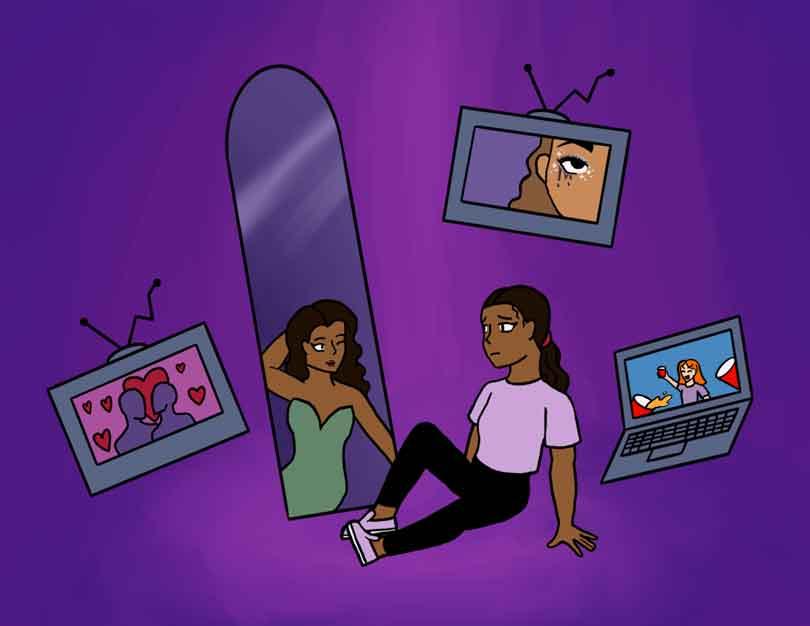
Another surprising factor? Control.
Messy characters give audiences a sense of interpretive power. When a character is clearly good or evil, there’s little room for debate. But when they exist in the grey, viewers get to form their own opinions. This is why online discussions around shows have become so intense. Fans argue over whether a character is justified, redeemable, or beyond saving. In a way, the story continues beyond the screen, through conversations, think pieces, and social media debates.
There’s also a subtle element of rebellion in our attraction to morally complex characters. Rooting for someone who breaks the rules, whether it’s the law, social norms, or ethical boundaries, can feel like a form of escape. It allows audiences to momentarily step outside the constraints of their own lives. Watching a character do the “wrong” thing, especially when it’s framed compellingly, can be strangely liberating.
But this also raises an important question: are we at risk of normalizing bad behaviour?
It’s a concern that often comes up in discussions about modern storytelling. When audiences empathize with characters who lie, manipulate, or commit crimes, does it blur moral boundaries in real life? The answer isn’t straightforward. While stories can influence perception, they don’t necessarily dictate behaviour. In fact, many narratives featuring messy characters ultimately highlight consequences rather than glorify actions.
What’s more interesting is how audiences respond to these characters over time. Initial sympathy can turn into discomfort or even rejection as a character’s actions escalate. This shifting relationship keeps viewers emotionally invested. It also reflects how people reassess their own values when confronted with complex situations.
Another layer to this phenomenon is the rise of the “anti-hero.” Unlike traditional heroes, anti-heroes lack conventional virtues. They might be selfish, cynical, or morally compromised, but they still occupy the central role in the story. The popularity of anti-heroes suggests that audiences are no longer looking for role models in the traditional sense. Instead, they’re looking for authenticity, depth, and emotional truth.
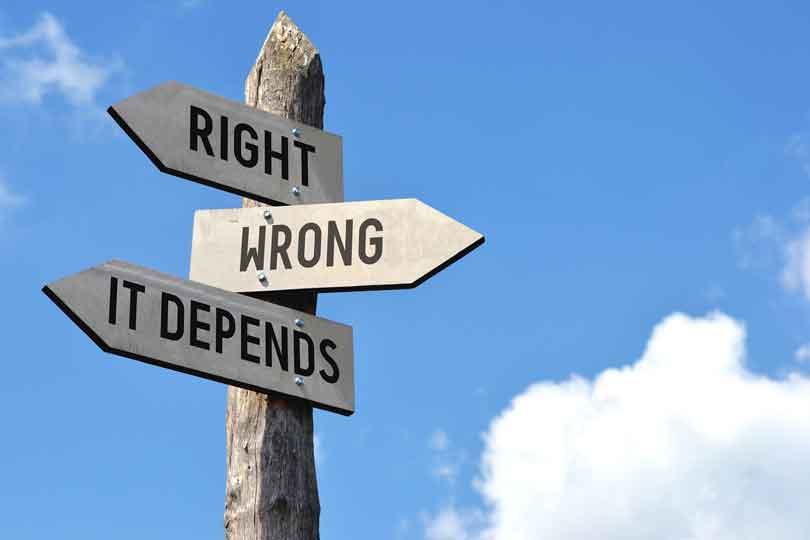
And perhaps that’s the key to it all.
Messy characters feel honest. They acknowledge that people are capable of both good and bad, often at the same time. They resist easy categorization. In a world that increasingly demands nuance, whether in politics, identity, or personal relationships, these characters resonate because they reflect that complexity. There’s also something comforting about seeing characters who don’t have it all figured out. It reassures audiences that uncertainty, mistakes, and even failure are part of the human experience. In that sense, messy characters aren’t just entertaining, they’re validating. Of course, not all messy characters are created equal. Some are carefully written with depth and intention, while others may rely on inconsistency. The difference lies in whether their complexity serves the story or simply exists for attention. The best messy characters feel inevitable with their choices, however flawed, make sense within the context of who they are.
As storytelling continues to evolve, it’s unlikely that we’ll return to the era of purely “good” protagonists. If anything, the trend is moving further toward complexity, contradiction, and emotional realism. Audiences have tasted nuance, and they’re not going back. Because at the end of the day, loving messy characters isn’t about celebrating bad behaviour. It’s about recognizing something familiar. It’s about seeing pieces of ourselves, our doubts, our contradictions, our imperfect decisions, reflected on screen. And maybe, it’s simply about understanding that being human has always been a little messy.