In Conversation with Dilshani Wijekoon
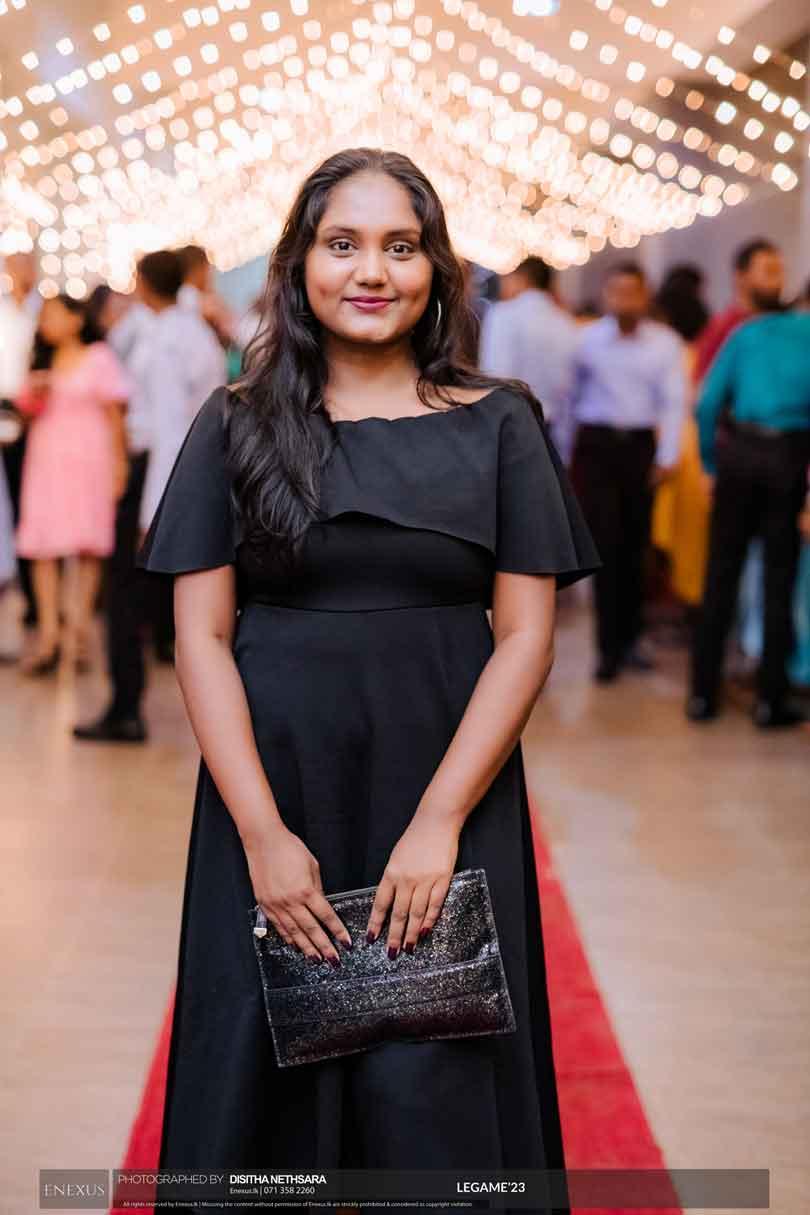
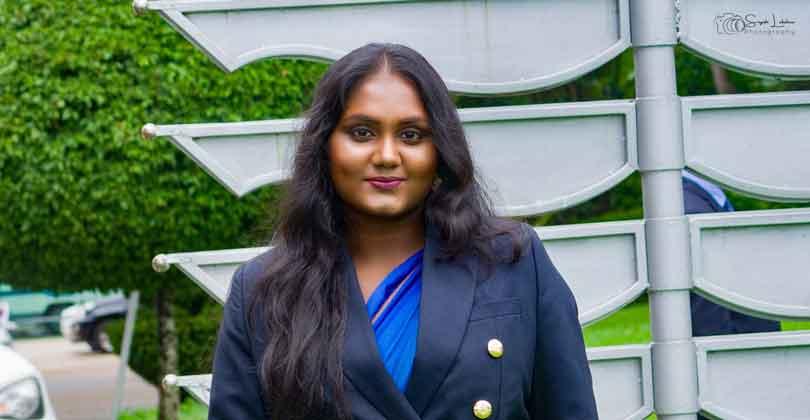
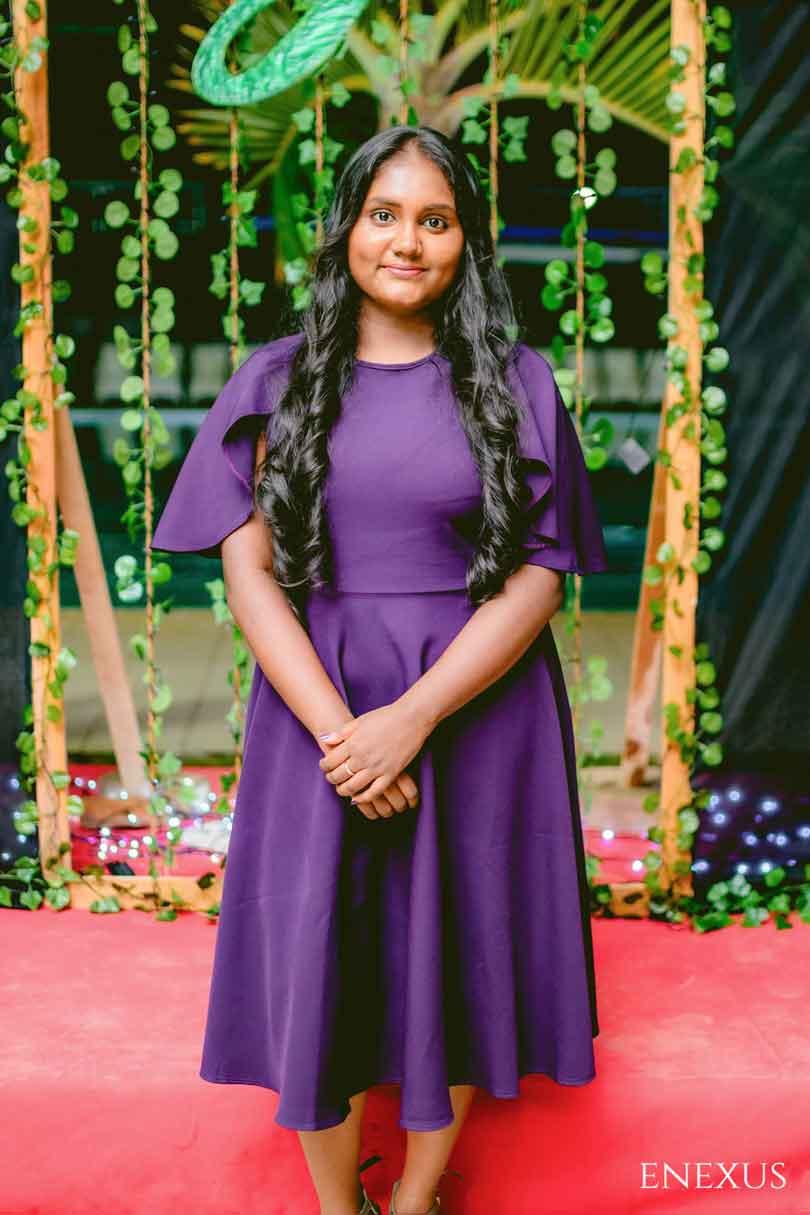
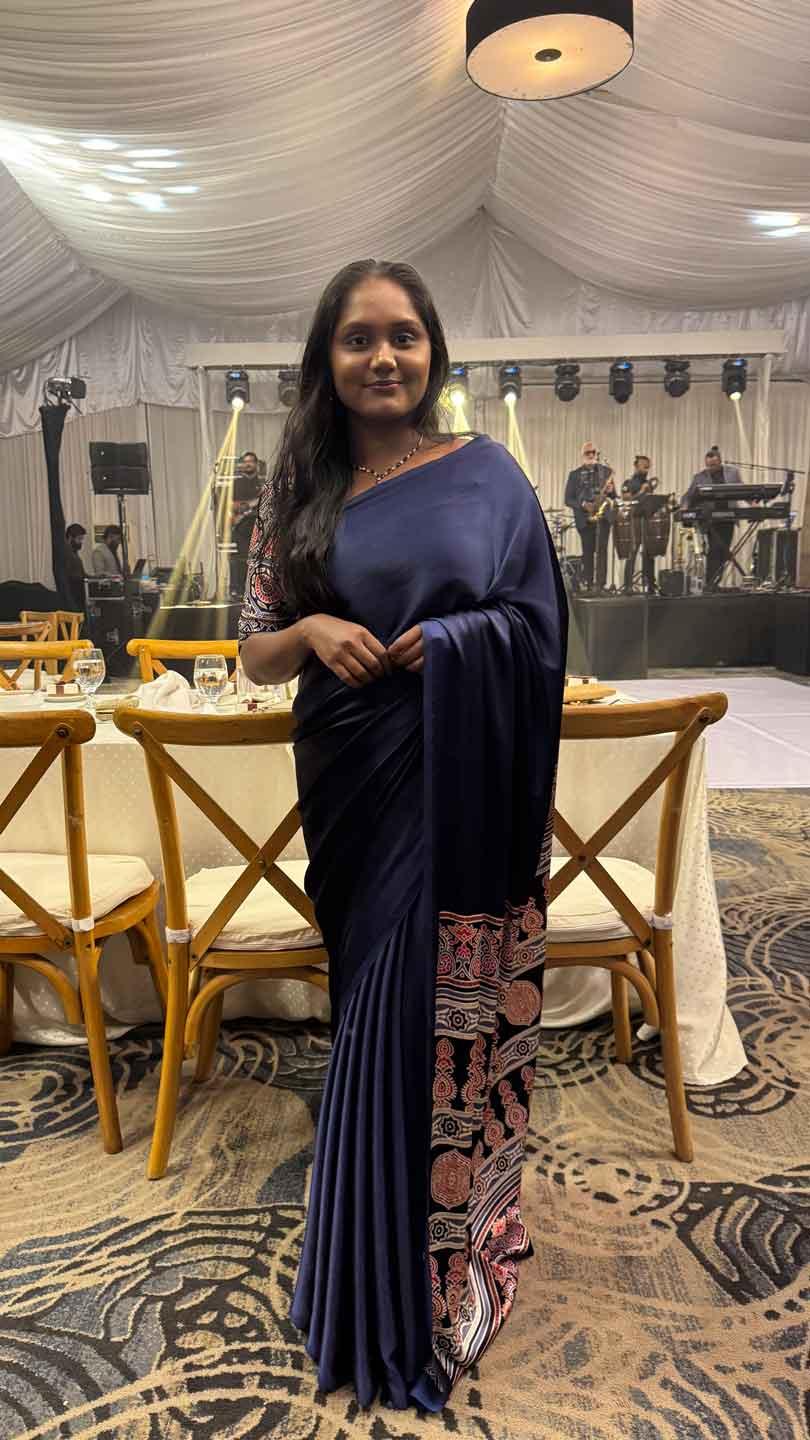
From the misty hills of Badulla to the evolving world of international relations and diplomacy, Dilshani Wijekoon represents a new generation of Sri Lankan youth determined to create meaningful impact beyond borders. Passionate about strategic communication, global cooperation, and nation branding, she has steadily carved out a path defined by curiosity, resilience, and purpose. Growing up in a multi-ethnic environment and studying in an international school from an early age exposed her to diverse cultures and perspectives, shaping her understanding of the world and inspiring her interest in international affairs. Although she initially pursued a STEM-focused academic path, she soon realized her true passion lay in diplomacy, global development, and communication. Over the years, Dilshani has embraced numerous leadership roles, balancing academics, extracurricular activities, and social initiatives while building a strong foundation in research and advocacy. Her experience as an AIESEC Global Volunteer in Mumbai further transformed her worldview, deepening her understanding of global inequalities and the importance of collective action. Today, as she continues her academic and professional journey, she remains deeply committed to youth empowerment, gender equity, and elevating Sri Lanka’s global presence through soft power and strategic engagement.
Growing up in Badulla, what early experiences shaped your interest in international relations and strategic studies?
I was brought up in a multi-ethnic community, and my parents made the bold decision to enroll me in an international school from kindergarten. Looking back, that environment played a huge role in shaping the person I am today. Being surrounded by people from different cultural, linguistic, and social backgrounds gave me a grounded understanding of diversity and community from a very young age. I became naturally curious about how societies interact, why people think differently, and how global events influence local realities. Those early observations gradually developed into a deeper interest in understanding international systems and human behaviour. During my school years, I was also actively involved in literary activities, public speaking, and leadership roles, which strengthened my interest in communication and global affairs. Interestingly, I initially chose a STEM-focused stream for my Advanced Level studies because I envisioned a career in that field. However, it did not take long for me to realize that my true passion lay elsewhere. I found myself constantly drawn towards discussions on diplomacy, politics, global development, and international cooperation. That realization encouraged me to move towards international relations and strategic studies, which felt far more aligned with my interests and aspirations.
You’ve held multiple leadership roles from school to university. What has leadership taught you about yourself?
Leadership has taught me many valuable lessons, but adaptability and self-awareness stand out the most. I used to think leadership was mainly about directing people or taking charge, but over time I realized it is far more about responsibility, empathy, and consistency. Every leadership role I have undertaken came with different challenges and dynamics. Some situations required confidence and decisiveness, while others required patience and listening. Through these experiences, I learned how important it is to understand not only the people around you but also yourself. Leadership helped me identify my strengths in communication, organization, and teamwork, but it also highlighted areas where I needed growth. It taught me the value of resilience during difficult situations and reminded me that collaboration is often more powerful than individual effort. Most importantly, I learned that leadership is not about being perfect; it is about being accountable and willing to grow continuously.
What motivated your shift from a corporate career path to academia?
My internship experience in the corporate sector was genuinely valuable, and I truly enjoyed the exposure and professional learning that came with it. However, my experience as an international volunteer in Mumbai became a turning point in my life. That experience opened my eyes to the impact of education, mentorship, and knowledge-sharing in ways I had never fully understood before. I realized that while corporate work offered stability and growth, I felt more fulfilled by work connected to learning, research, and social impact. When the opportunity arose to transition into academia, it aligned strongly with my long-term goals. I wanted to contribute towards creating knowledge, engaging in meaningful research, and helping shape young minds. Academia gave me a platform to combine my interests in international relations, education, and development while also allowing me to continue learning myself. It was not an impulsive decision. It was a carefully thought-out shift that reflected both my passion and my vision for the future.
How did your experience as an AIESEC Global Volunteer in Mumbai influence your worldview?
My time in Mumbai significantly broadened my perspective on the world. I have always been someone who deeply values the Sustainable Development Goals and tries to align my work and actions with those principles whenever possible. However, experiencing these realities firsthand in another country was transformative.
I worked on initiatives related to quality education, and through that experience, I witnessed the extent of social inequalities and disparities in access to resources. While I was already aware of educational challenges in Sri Lanka, seeing similar issues in a completely different context made me realize how widespread and interconnected these problems are globally. What impacted me most was understanding the power of collective action. I saw how communities, volunteers, and organizations could come together to create meaningful change even through small efforts. It reinforced my belief that local action can contribute to larger global development goals. Beyond the professional aspect, living and working in a different environment also taught me adaptability, cultural sensitivity, and independence. It pushed me out of my comfort zone and gave me a much deeper appreciation for cross-cultural collaboration and empathy.
You’re passionate about diplomacy, soft power, and nation branding. What draws you to these areas?
What fascinates me most is the idea that countries can influence the world in ways beyond military or economic power. Diplomacy and soft power demonstrate how culture, values, education, and communication can shape international perception and relationships. Nation branding particularly interests me because it sits at the intersection of identity, perception, and policy. A country’s image can influence tourism, investment, international partnerships, and even public trust. I believe Sri Lanka has immense untapped potential in this area. We have a rich cultural heritage, strong human capital, and unique stories that deserve greater recognition globally. At the same time, effective nation branding requires authenticity and strategic communication. It is not simply about promotion; it is about understanding how a country wants to position itself internationally and ensuring that image aligns with reality. This interest has become academically important to me as well, which is why I am currently conducting my Master’s research in this area. I believe strategic communication and diplomacy will play an increasingly important role in shaping the future of countries like Sri Lanka.
You’ve also been involved in gender equity initiatives. How important is youth involvement in social change today?
Youth involvement is absolutely critical. Young people bring energy, creativity, and fresh perspectives to social issues. They are often more willing to challenge outdated norms and push for progressive conversations. In areas like gender equity, sustained awareness and advocacy are essential. Young people today are far more globally connected and informed than previous generations, which allows them to engage with social issues more critically and openly.
At the same time, youth participation ensures continuity. Meaningful change cannot happen through short-term campaigns alone; it requires long-term commitment and active engagement. Young people are in a unique position to initiate conversations, mobilize communities, and sustain momentum for change. I also think social change becomes far more impactful when youth are not only participants but also decision-makers and leaders within those spaces.
Balancing academics, leadership, and extracurricular activities is challenging. How do you manage it all?
I believe balance comes down to prioritization and discipline. Over time, I learned that it is impossible to do everything perfectly all at once, so being intentional about commitments becomes very important. I usually evaluate opportunities based on whether they align with my long-term goals and values. That helps me stay focused and avoid unnecessary distractions. I also think setting realistic expectations is important because burnout can easily happen when people constantly try to overextend themselves. Another important lesson I learned is knowing when to step back. Sometimes, taking a pause is necessary for maintaining productivity and mental clarity. I genuinely consider that a skill. At the same time, I try to maintain personal interests and moments of rest because they help me stay grounded and motivated.
What challenges have you faced as a young woman in leadership and academia, and how did you overcome them?
This is an interesting question because I have been fortunate to have supportive mentors and peers throughout my professional journey, from my internship days to my current role. However, one challenge I have noticed is that in many professional and academic spaces, experience is often associated with age. As a young woman, there are moments where you feel the need to prove your credibility more consistently in order to be taken seriously. I overcame that by focusing on preparation, professionalism, and delivering results consistently. I believe credibility is built through work ethic and consistency over time. Instead of allowing those challenges to discourage me, I used them as motivation to strengthen my skills and confidence further. I also think having supportive networks and mentors makes a huge difference. Encouragement and guidance from people who believe in your potential can help you navigate difficult spaces with greater confidence.
Finally, what advice would you give to Sri Lankan youth who aspire to make a global impact?
My biggest advice would be to actively seek opportunities beyond your comfort zone because that is what shaped me into the person I am today. Exposure matters immensely. Whether through volunteering, leadership platforms, exchange programmes, or internships, every experience teaches you something valuable. I would also encourage young people to invest in communication skills, critical thinking, and global awareness. The world today values people who can adapt, collaborate, and think beyond borders. Staying informed about international developments and understanding different perspectives is extremely important. At the same time, I believe it is important to remain grounded in your identity. You can learn from the world while still staying connected to your roots and values. Growth also requires openness, including the willingness to learn, unlearn, and challenge your own assumptions when necessary. Most importantly, young people should never underestimate their ability to create change. Even small actions, when done consistently and collectively, can have a meaningful impact both locally and globally.