The Sri Lankan Malays: Preserving a Rich Heritage Across Generations
Sri Lanka is a country shaped by many cultures, communities and traditions that together form its unique identity. Among these communities, the Sri Lankan Malays hold a distinctive place despite being one of the island’s smallest ethnic groups. With roots tracing back to Southeast Asia, the Malay community has contributed to Sri Lanka’s history, culture, cuisine, language and public life for centuries.
Today, while the community remains relatively small in number, Sri Lankan Malays continue to preserve a heritage deeply connected to family values, religion, customs and cultural traditions passed down through generations. Their story reflects resilience, adaptation and the importance of protecting cultural identity in a rapidly changing world.
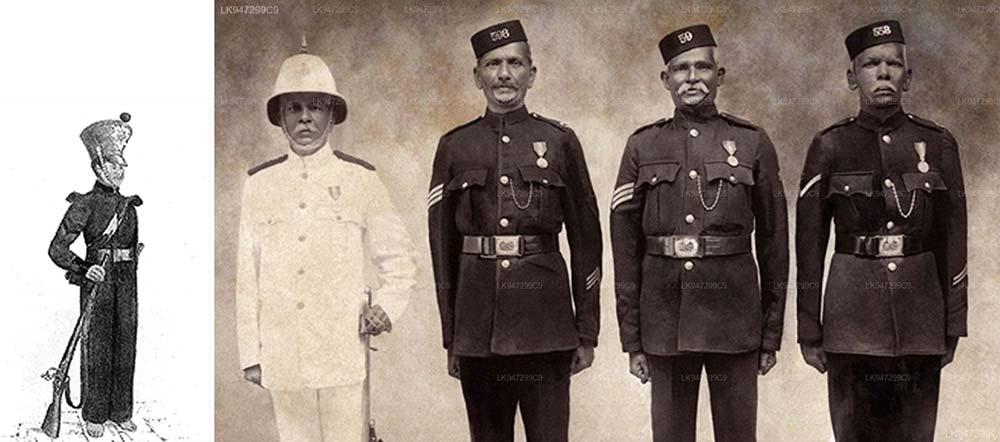
Historians trace the origins of the Sri Lankan Malays mainly to present-day Indonesia, Malaysia and other parts of the Malay Archipelago. Large numbers of Malays arrived in Ceylon during the Dutch and British colonial periods between the seventeenth and nineteenth centuries. Many were brought as soldiers, political exiles, labourers and administrators from Java, the Moluccas and surrounding regions.
Historical studies note that the Dutch colonial administration recruited Malay soldiers because of their military discipline and loyalty. During the British period too, Malays continued to serve in military and administrative roles. Over time, many settled permanently in Sri Lanka, married within the local community and established families across different parts of the island.
 Unlike temporary migrant groups, the Malays gradually developed a strong Sri Lankan identity while still preserving elements of their Southeast Asian heritage. Their customs evolved over generations, blending influences from Malay traditions with local Sri Lankan culture.
Today, the Sri Lankan Malay population is estimated to be around 40,000 to 50,000 people, according to various academic studies and census-based estimates. The community mainly lives in Colombo, Kandy, Hambantota, Beruwala, Galle and several other areas around the country. Some areas, such as Kompanna Veediya in Colombo, historically became prominent Malay settlements during the colonial era.
Religion plays an important role within the community. The majority of Sri Lankan Malays follow Sunni Islam, and many social customs and traditions are closely linked to religious practices. Islamic festivals such as Ramadan and Hajj are celebrated with strong family and community participation.
Although Sri Lankan Malays share the Islamic faith with the Sri Lankan Moor community, the Malays maintain several customs and cultural practices that are unique to their own heritage. Many families continue to preserve traditions connected to food, clothing, language and ceremonial events.
One of the most unique aspects of the community is its language. Sri Lanka Malay, also known among researchers as Sri Lanka Creole Malay (Bahasa Melayu, Ja Basawa or Java Mozhi), developed over centuries through interaction between Malay settlers and local Sinhala and Tamil-speaking communities. Linguists describe it as a distinct creole language influenced by Malay vocabulary as well as Sinhala and Tamil grammatical structures.
In the past, Sri Lanka Malay was widely spoken within Malay households. However, researchers have noted that the use of the language has declined significantly over the years. Today, many younger Malays mainly communicate in Sinhala, Tamil or English, especially in urban areas.
Despite this decline, several cultural organisations and researchers continue efforts to preserve the language through documentation, cultural programmes and educational initiatives. Community elders also play an important role in passing down traditional expressions, songs and stories to younger generations.
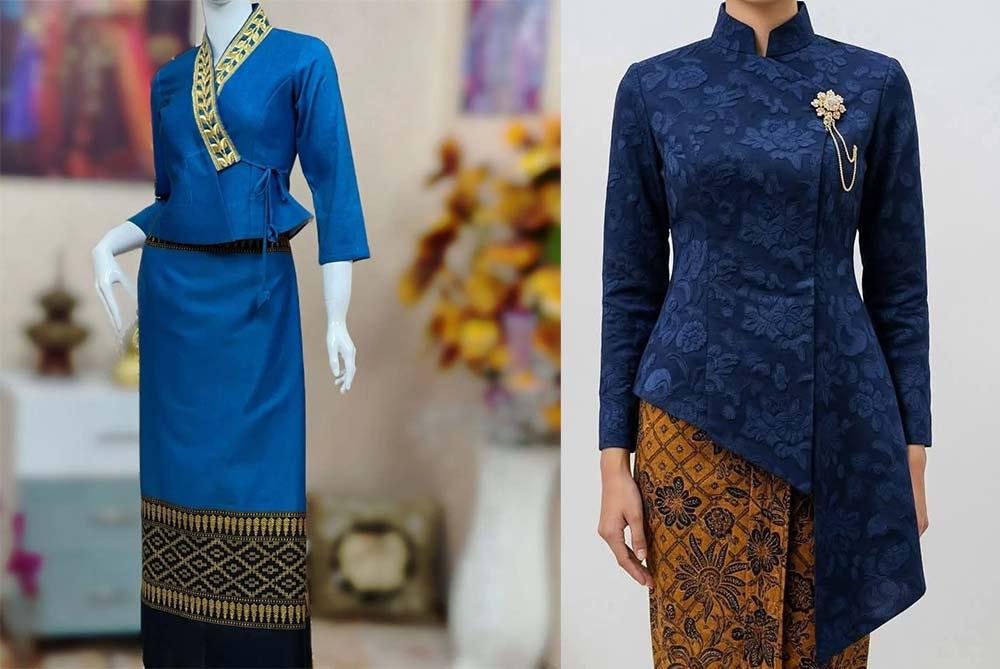
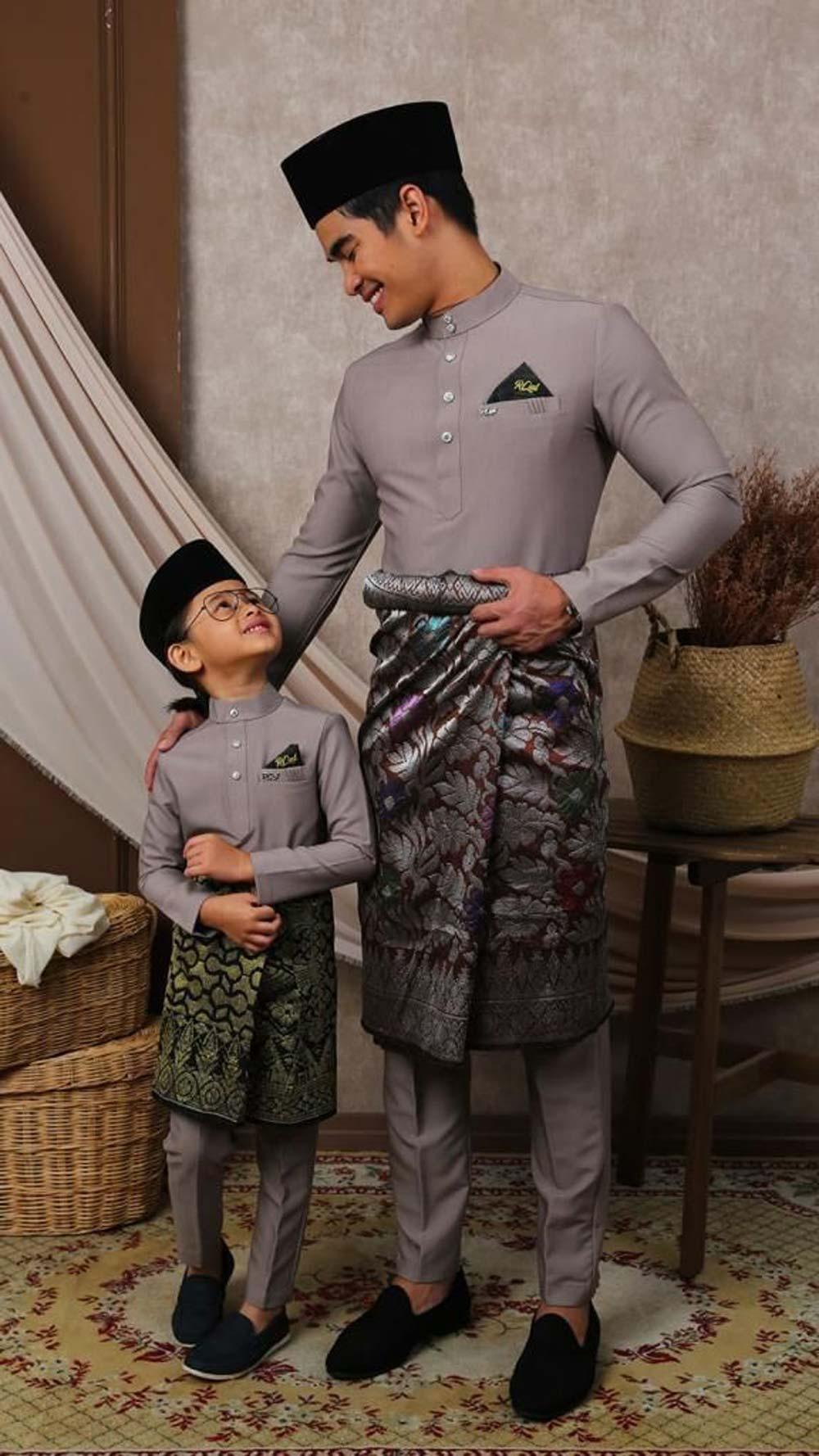
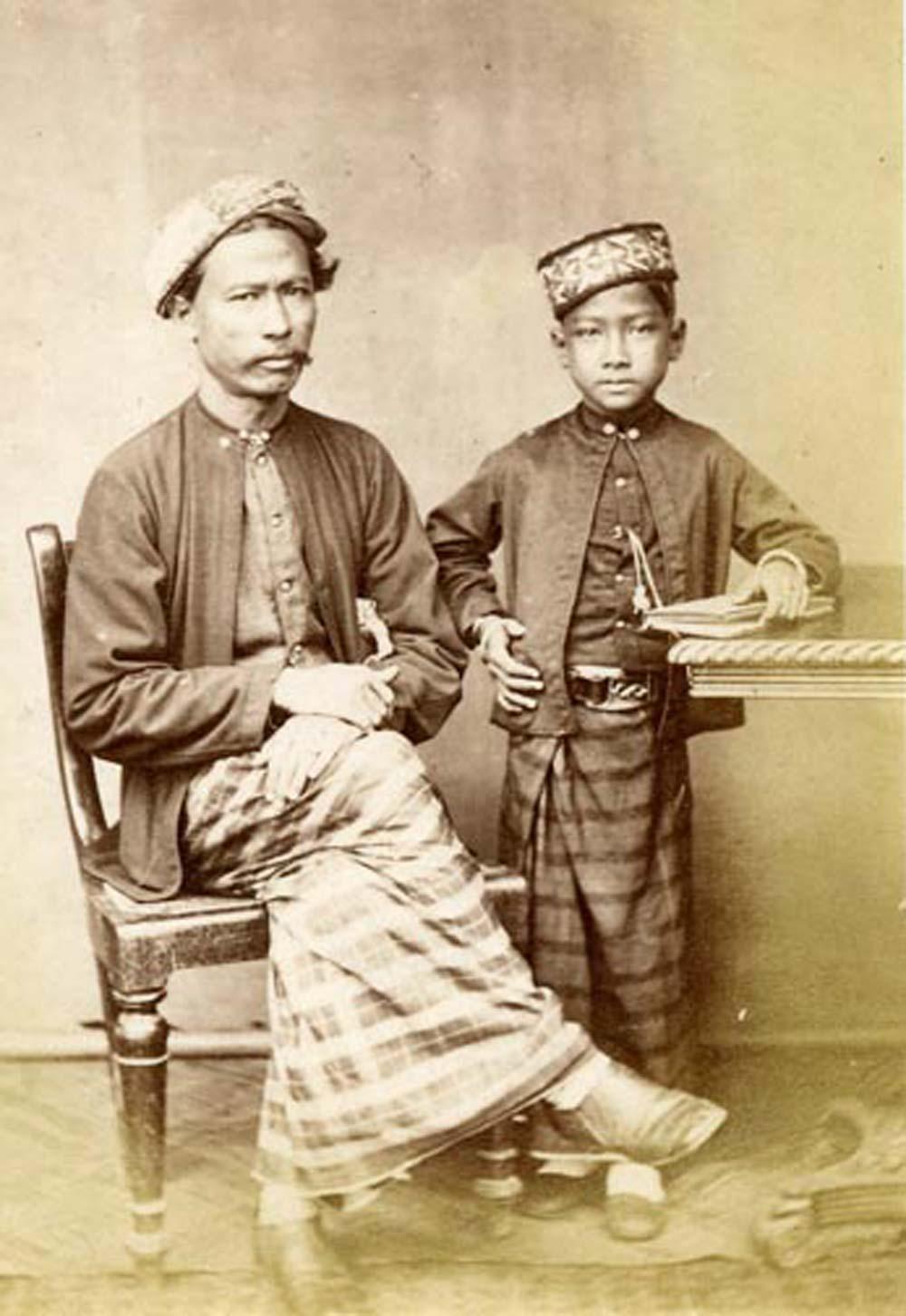
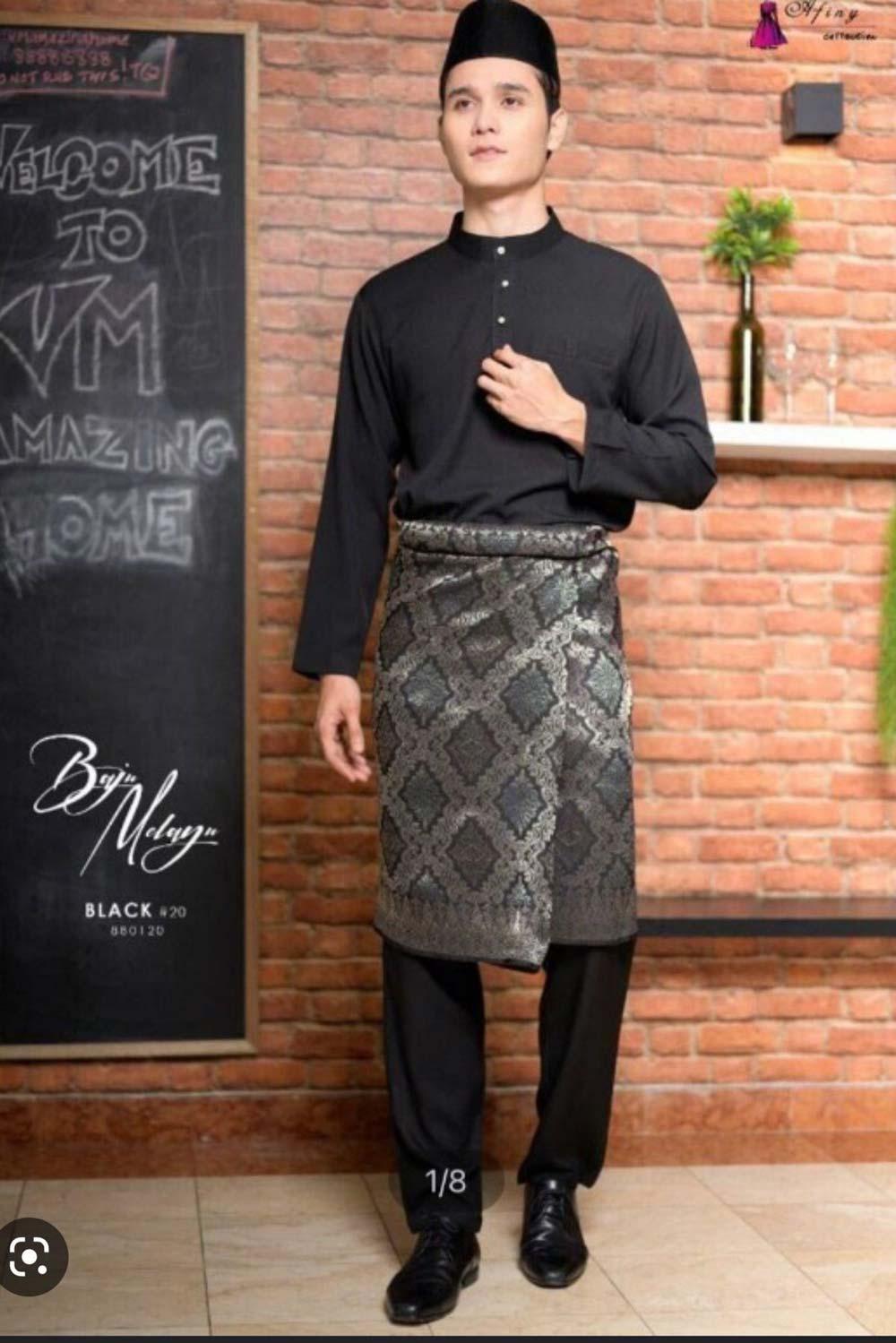
Traditional dress remains another important symbol of Malay identity in Sri Lanka. Historically, Malay men commonly wore sarongs together with long-sleeved tunics and traditional caps similar to the songkok. Women wore modest attire influenced by both Malay and Islamic traditions, including kebaya-style clothing and traditional lungi attire.
Although modern fashion has become more common among younger generations, traditional Malay attire is still worn during weddings, religious events and cultural celebrations. These occasions continue to provide opportunities for families to reconnect with their heritage and traditions.
Malay weddings in Sri Lanka are known for their strong emphasis on family participation and community gatherings. Ceremonies often combine Islamic marriage customs with traditions unique to the Malay community. Traditional foods, attire and music continue to play an important role during such events.
Food remains one of the most recognisable aspects of Sri Lankan Malay culture. Malay cuisine has influenced Sri Lanka’s broader culinary landscape, with several dishes becoming popular beyond the community itself.
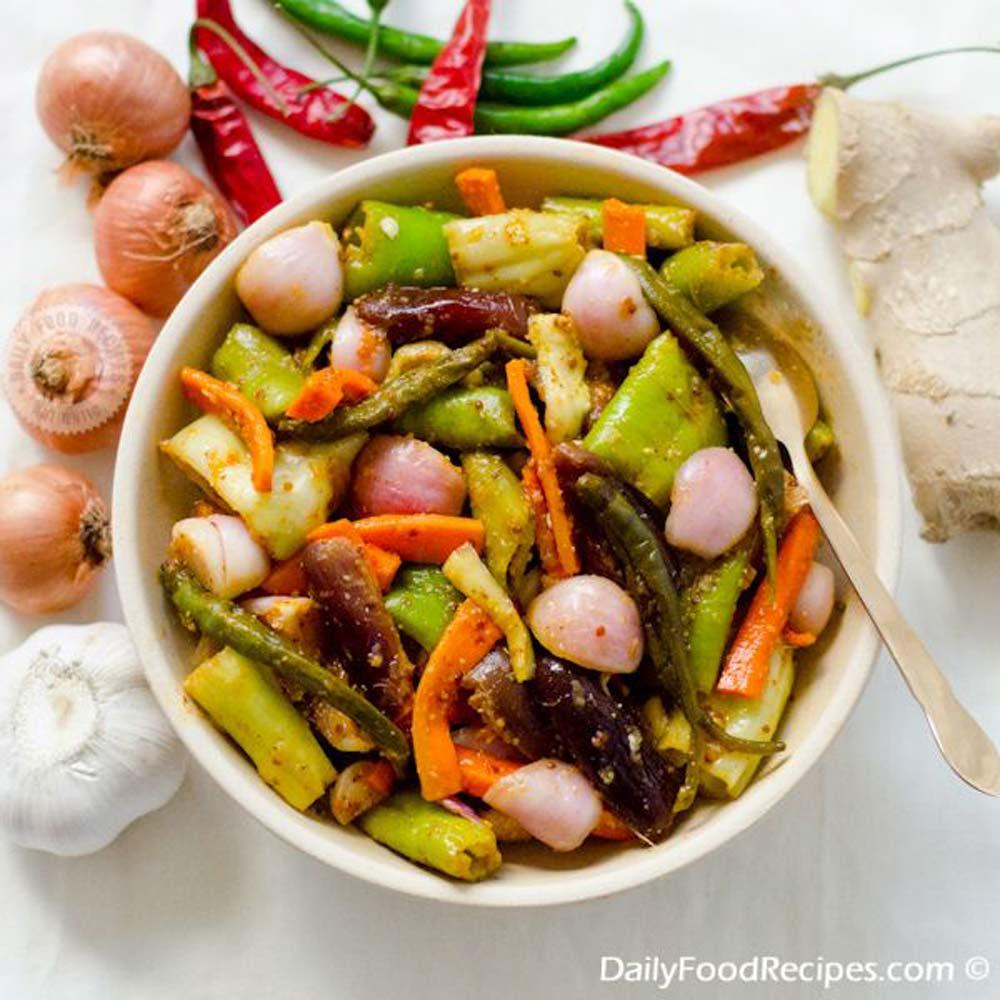
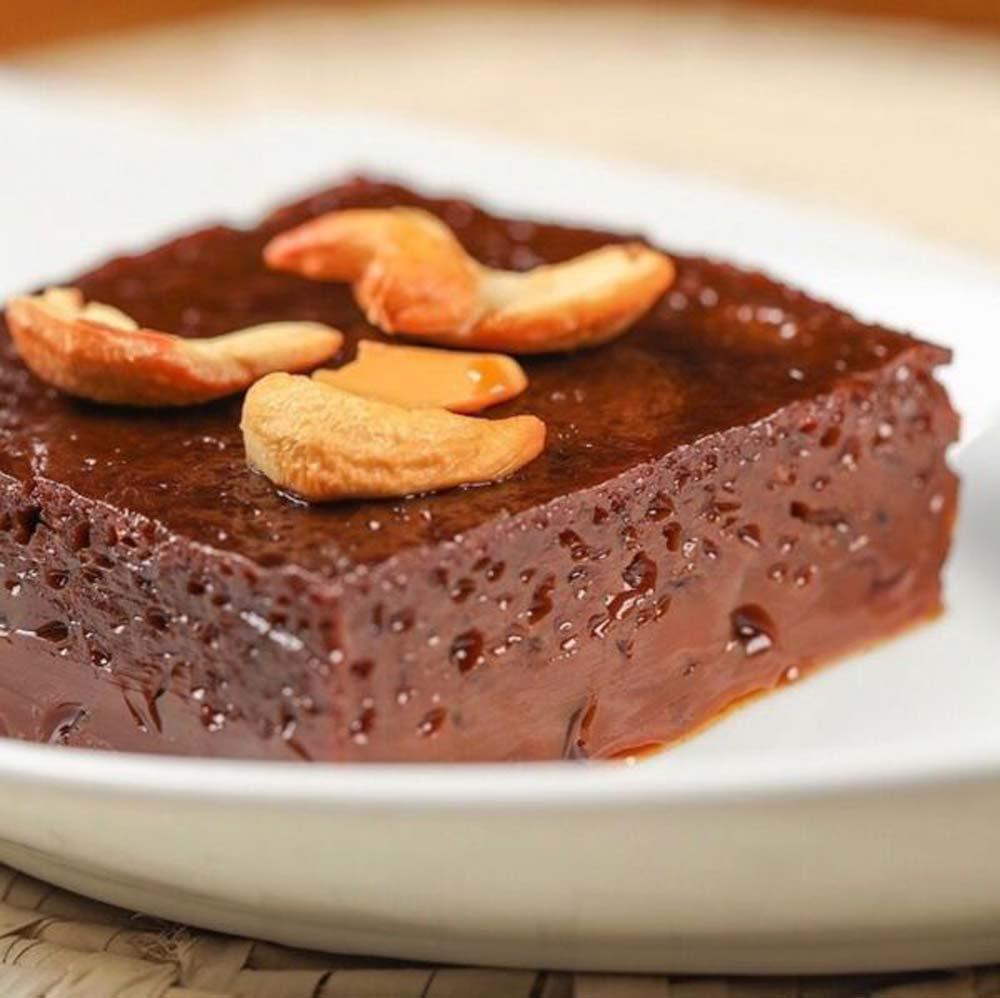
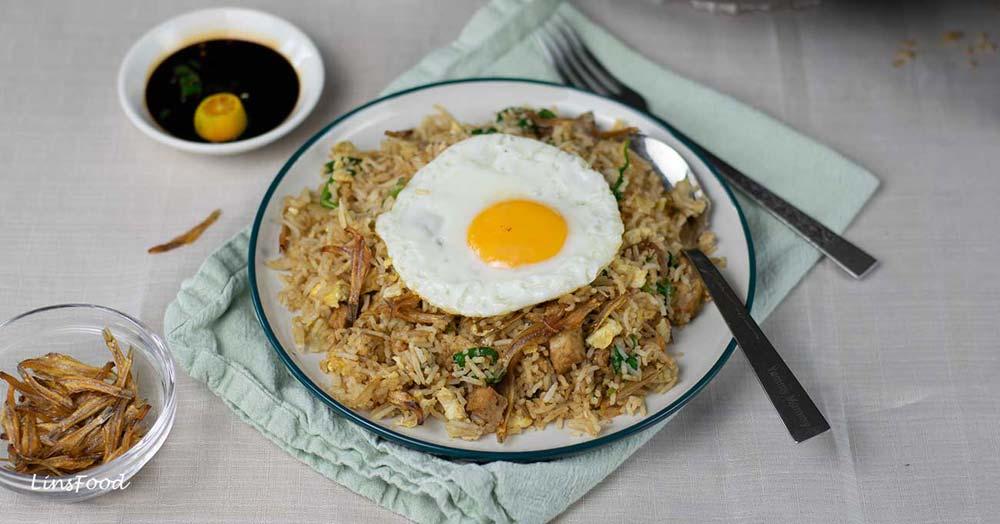
Among the best-known foods associated with the Malays are Malay pickle, spicy rice dishes and wattalapam, the rich coconut custard dessert enjoyed widely across the country today. Food historians often connect wattalapam to the Malay Muslim community, although the dish has since become a favourite among many Sri Lankans regardless of ethnicity.
Malay cuisine is generally known for its rich flavours, generous use of spices and Southeast Asian influences. Coconut milk, preserved foods and spicy meat preparations remain common features in many traditional recipes passed down through families.
The community has also made contributions to sports, public service and education. Throughout history, Malays served in the armed forces, police and government institutions during both colonial and post-independence periods.
The Colombo Malay Cricket Club, established in the nineteenth century, remains one of the oldest sporting institutions connected to the community. Over the years, Sri Lankan Malays have also contributed to fields including medicine, law, education and business.
Cultural organisations continue to play a key role in preserving Malay identity. Community associations regularly organise educational activities, cultural programmes, language preservation efforts and religious events that help strengthen bonds among younger generations.
Music and performing arts have long formed part of Malay cultural life. Traditional songs and dances influenced by Southeast Asian heritage were once commonly performed during celebrations and social gatherings. Though some of these practices are less visible today, efforts remain ongoing to preserve traditional artistic expressions within the community.
Researchers and community leaders have also raised concerns about the gradual decline of certain aspects of Malay identity in Sri Lanka. Migration abroad, urbanisation, intermarriage and the decreasing use of the Malay language have contributed to cultural changes over time.
However, many within the community continue to actively protect and celebrate their heritage. Younger Sri Lankan Malays are increasingly using digital platforms and social media to share historical photographs, recipes, cultural memories and family histories. These efforts have helped renew interest in Malay identity among younger generations both in Sri Lanka and abroad.
Importantly, discussions regarding cultural preservation are generally approached in a positive and inclusive manner by community organisations. Rather than focusing on separation, many Malays emphasise the importance of maintaining their traditions while continuing to contribute actively to Sri Lankan society as a whole.
The story of the Sri Lankan Malays reflects the island’s long history of migration, cultural exchange and coexistence. Though small in number, the community continues to remain an important part of Sri Lanka’s multicultural identity.
Their traditions, cuisine, language and customs serve as reminders of the diverse influences that have shaped the country over centuries. Preserving this heritage is important not only for the Malay community itself, but also for Sri Lanka’s broader cultural landscape.
Today, Sri Lankan Malays continue to balance modern life with cultural preservation. While lifestyles may have changed with time, many families still hold strong connections to their roots, values and traditions. Through community efforts, cultural programmes and the commitment of younger generations, the rich heritage of the Sri Lankan Malays continues to live on.
In many ways, the Sri Lankan Malay community stands as an example of how a small population can make a lasting contribution to a nation’s identity. Their history is not only a story of migration and settlement, but also one of adaptation, unity and cultural pride that continues to enrich Sri Lanka’s social fabric today.