What About Us? The Ocean’s Silent Cry in Times of War
By Saduni Rukshala
Wars are often remembered for the lives lost, destruction of nations and economic damage they leave behind. Yet beneath the surface of the ocean, other victims, without a voice, suffer silently, often overlooked in the aftermath of human conflicts. Marine ecosystems continue to become invisible casualties of modern warfare. From oil spills and underwater explosions to chemical contamination and noise pollution, conflict leaves long-lasting scars on oceans that can take decades to recover.
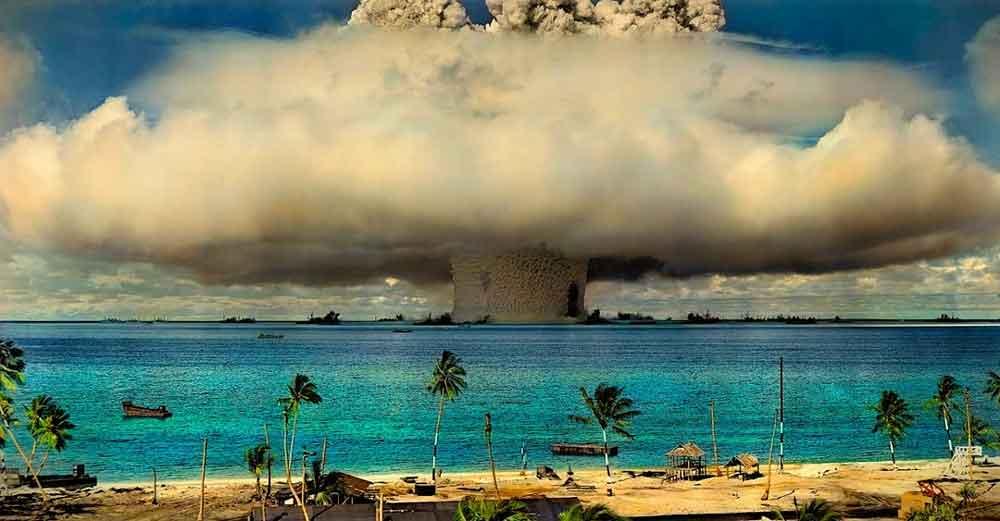
One of the most extreme examples of human impact on marine environments is underwater nuclear testing conducted during the Cold War (1945 – 1991). These tests, carried out primarily by the United States and the Soviet Union, were later restricted under the Partial Test Ban Treaty, but not before causing lasting damage beneath the ocean’s surface. The detonation of nuclear devices underwater generates intense shockwaves and radiation, resulting in immediate and widespread destruction of marine life. Fish, marine mammals and other organisms within the blast radius are often killed instantly due to extreme pressure and heat. Coral reefs and other critical habitats are highly vulnerable, leading to long-term disruption of ecosystems that depend on them for shelter, breeding and food. Radioactive materials released into the ocean are carried by currents, spreading contamination across vast areas. These substances can enter marine food chains, accumulating in organisms from plankton to larger fish and eventually reaching humans through seafood consumption. Over time, this can result in genetic mutations, reproductive issues and long-term declines in biodiversity, with lasting effects on marine ecosystems.
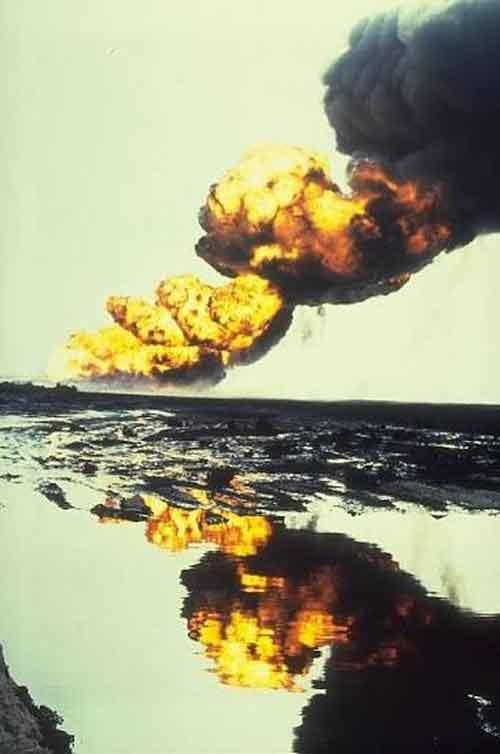
Another severe example of war-driven marine destruction occurred during the Gulf War (1990–1991). As Iraqi forces retreated from Kuwait, an estimated 6 to 8 million barrels of oil were intentionally discharged into the Persian Gulf, creating one of the largest oil spills in history. Thick layers of oil spread across coastal waters, smothering coral reefs and salt-tolerant mangrove ecosystems along the shoreline. These mangroves, unlike the dense tropical forests seen in Sri Lanka, are adapted to survive in extreme salinity and heat. Yet, they quietly stand as vital breeding and nursery grounds for marine life in an otherwise harsh environment. Fisheries and turtle nesting grounds were also severely affected. Marine life, already vulnerable, was forced to struggle for survival as toxic substances stripped oxygen from the water and poisoned the food chains on which they depend on. Even years later, the sea carries the memory of this destruction, with traces of damage lingering in coastal sediments and fragile marine habitats.
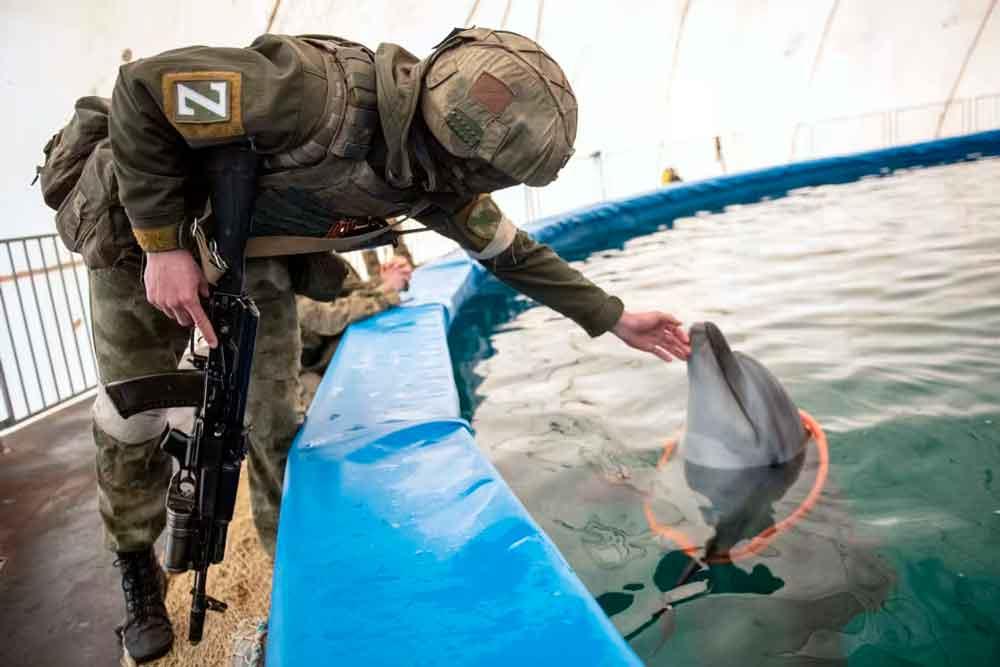
Modern military activity in the Black and Azov Seas as part of the ongoing Russia–Ukraine War (2022–present) continues to threaten already struggling marine ecosystems affected by pollution and ecological stress. Coastal reserves, seagrass meadows, lagoons, and protected marine habitats have faced destruction due to shelling, fires, naval activity, and military infrastructure. Scientists have also reported mass dolphin deaths along the coasts of Ukraine, Turkey, Bulgaria, and Romania, with concerns that continuous underwater explosions and military sonar may be disrupting marine mammals’ hearing, navigation, and communication systems. Damage to ports, sewage facilities, and industrial infrastructure has further increased the risk of toxic pollution entering the sea. Unlike destruction on land, the full environmental consequences beneath the water remain difficult to measure, leaving much of the damage unseen and untreated by the world.
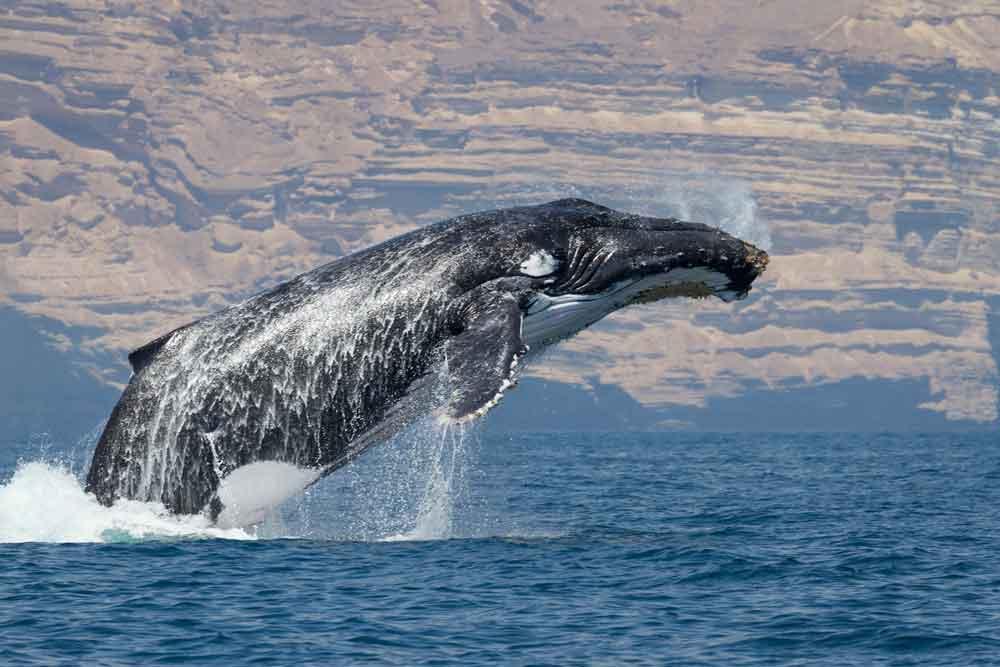
Recent tensions surrounding the Strait of Hormuz further highlight the environmental risks associated with conflict in strategic maritime regions. The strait, one of the world’s most important oil shipping routes, carries a significant portion of global energy trade between the Persian Gulf and the open ocean. Although diplomatic efforts have helped ease hostilities, the situation remains fragile, with ongoing tensions continuing to threaten the region's marine environment. The strait is home to coral reefs, seagrass beds, sea turtles, dugongs and the rare Arabian humpback whale. Increased military activity and heavy tanker traffic place additional pressure on these already sensitive environments, where even a single accident can disrupt entire food chains.
Dugongs depend entirely on shallow seagrass habitats for survival and are highly sensitive to habitat loss and disturbance. Whales and dolphins in the region also rely heavily on sound for communication and navigation, making them particularly vulnerable to underwater noise from vessels and military activity. Even small changes in their environment can affect feeding, migration and breeding patterns, showing how fragile marine life becomes in areas of strategic conflict. Even though these threats are usually linked to faraway maritime routes, the oceans are all connected. Issues that begin in one region can travel across waters. This was seen in more recent events closer to home.
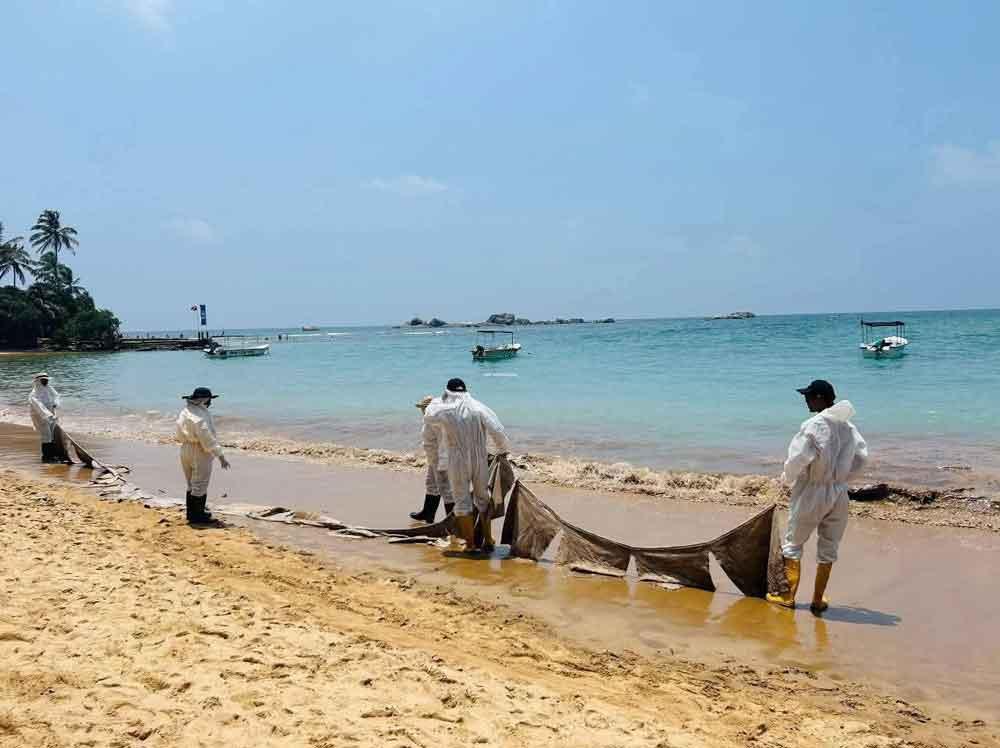
In March this year, approximately 19 nautical miles off Sri Lanka’s southern coast, the Iranian warship IRIS Dena was struck by a torpedo from a United States submarine while operating in the region. The sinking occurred relatively close to Sri Lanka’s maritime zone, urging monitoring and response efforts from local authorities and regional partners. In the days that followed, reports of oil patches, floating debris and possible fuel leakage raised concerns along sections of the southern coast, including areas such as Hikkaduwa, which is well known for coral reefs, fisheries and tourism. Although the full environmental impact remains unclear, the incident highlighted how quickly distant geopolitical tensions can translate into potential risks for Sri Lanka’s marine ecosystems and coastal livelihoods.
Across different regions and conflicts, a clear pattern emerges: the oceans bear the consequences of war in ways that are often invisible at first glance. From oil-covered coastlines to disturbed marine ecosystems in strategic waterways, the sea becomes a silent record of human conflict. Unlike destruction on land, these impacts unfold slowly beneath the surface, often going unnoticed by the wider world. In these waters, marine life continues to struggle without recognition, reminding us that the cost of war extends far beyond human boundaries.
This lack of visibility reflects a broader pattern in what tends to receive attention in the information that is consumed, especially in times of crisis. Human loss, buildings, and political outcomes often dominate focus, while the impact on marine ecosystems and wildlife remains in the background. As a result, much of the damage beneath the surface, in oceans and across nature, continues to go unnoticed even when it is severe and long-lasting.