Ten Voices, One Evolving Conversation: Inside Denary Odyssey 3.0
By Thaliba Cader
There is something transformative or magical about entering a room where ten artists are speaking at once, not through conversation but through pigment, steel, memory, texture, and light. Their languages are different, their concerns distinct, yet together they create a single cultural sentence. That is the ambition behind Denary Odyssey 3.0, the third edition of the contemporary art exhibition that returns to Colombo this July, bringing together ten Sri Lankan artists whose practices reflect the richness, contradictions, and possibilities of the country's evolving artistic landscape.
Opening with a preview on 17 July 2026 and continuing through 18 and 19 July at the Harold Peiris Gallery, Lionel Wendt Art Centre, the exhibition arrives at a moment when Sri Lankan contemporary art is increasingly attracting attention for its willingness to challenge convention while remaining deeply rooted in local histories and lived realities.
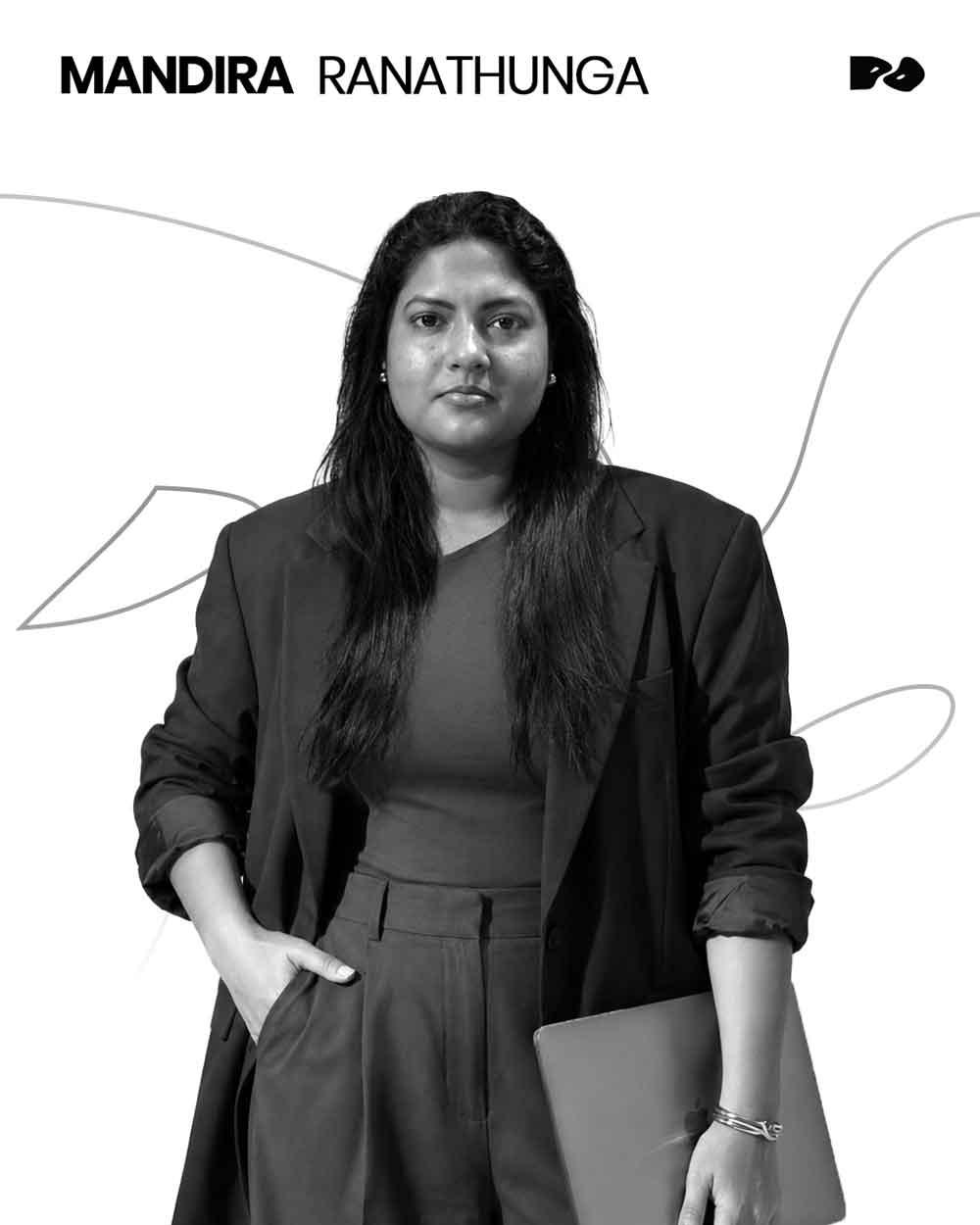
Curated by Mandira Ranathunga, Denary Odyssey has grown steadily since its inaugural edition in 2024. What began as an exhibition has become something closer to an annual conversation, one that invites audiences to consider not only what contemporary Sri Lankan art looks like, but also what it asks of us.
This year's exhibition resists the temptation to define Sri Lankan art through a single aesthetic or political lens. Instead, it embraces multiplicity. Painting stands alongside sculpture. Installation exists beside digital practice. Traditional references converse with experimental materials. Personal histories meet collective memory.
The result is less a survey than a portrait of a generation, revealing artists who are thinking deeply about identity, ecology, spirituality, psychological well-being, politics, materiality, and the changing relationship between people and the environments they inhabit.
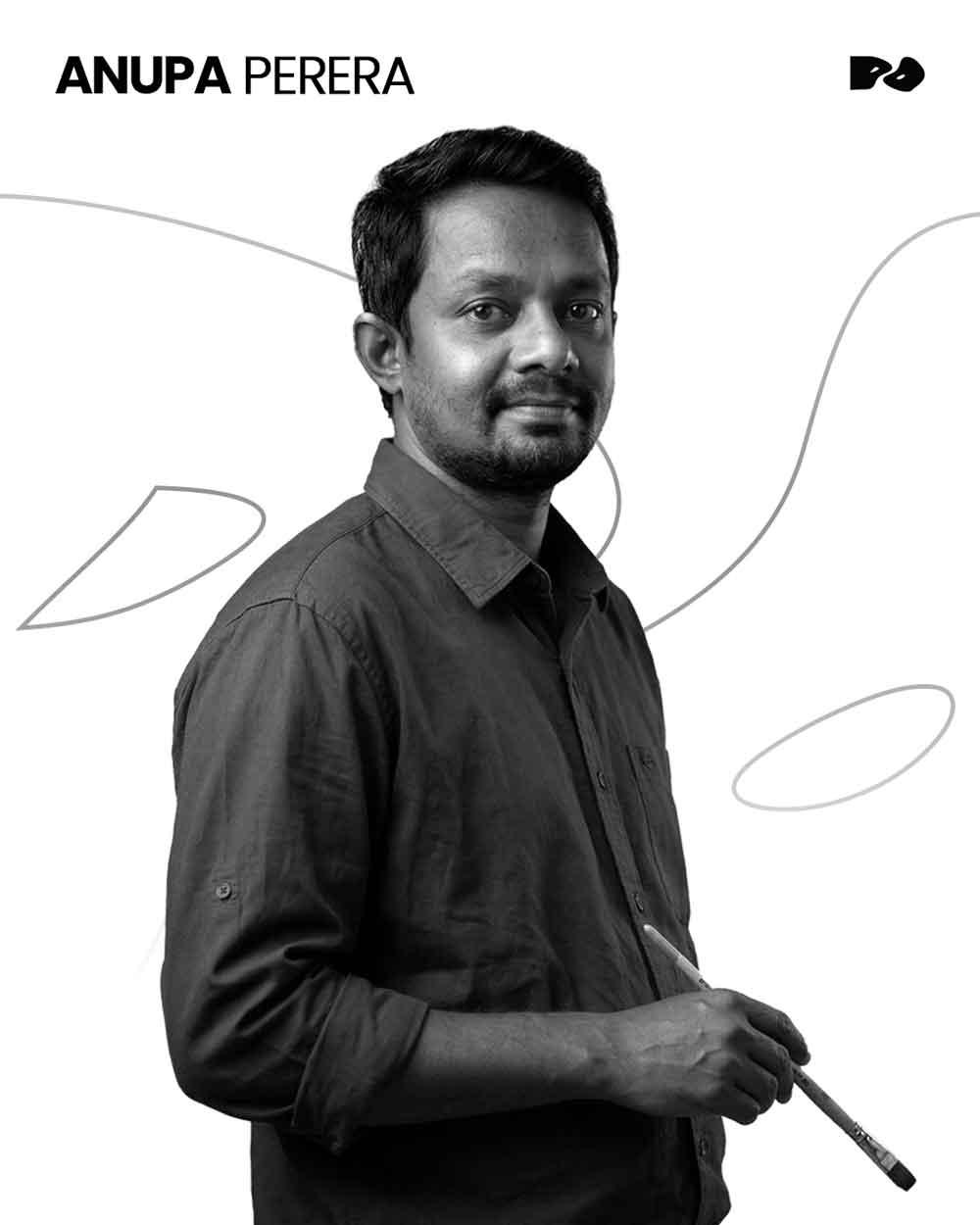
Among the participating artists, Anupa Perera transforms familiar domestic objects into contemplative still lifes that elevate the ordinary into repositories of memory. Everyday vessels and household forms become meditations on absence, intimacy, and the emotional lives attached to objects we often overlook.
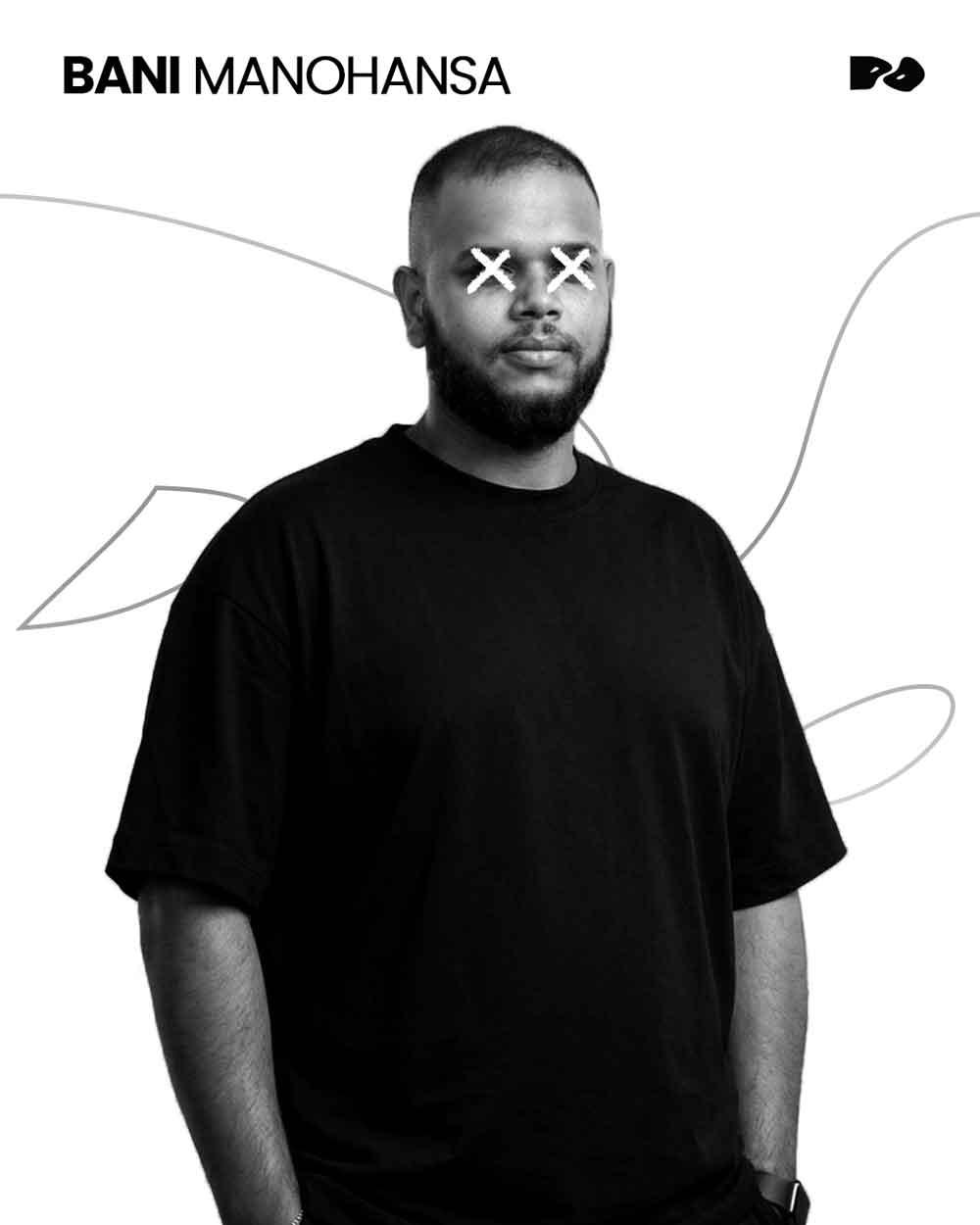
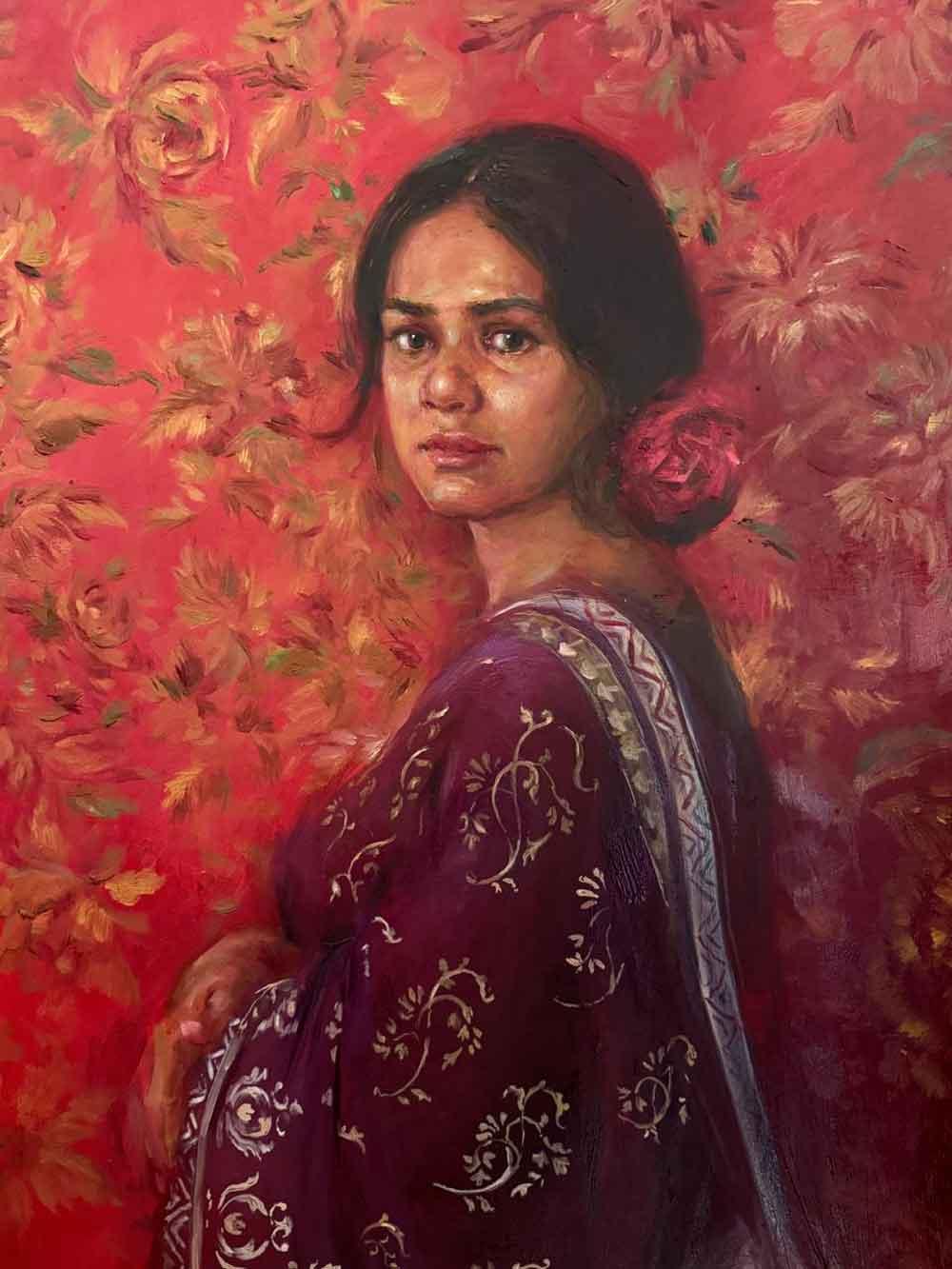
The work of Bani Manohansa turns toward the emotional landscape of contemporary youth. Through digital media and expressive portraiture, the artist explores vulnerability, identity, and mental well-being with a visual language that feels immediate and deeply personal. These are works that acknowledge the complexity of emotional experience without reducing it to spectacle.
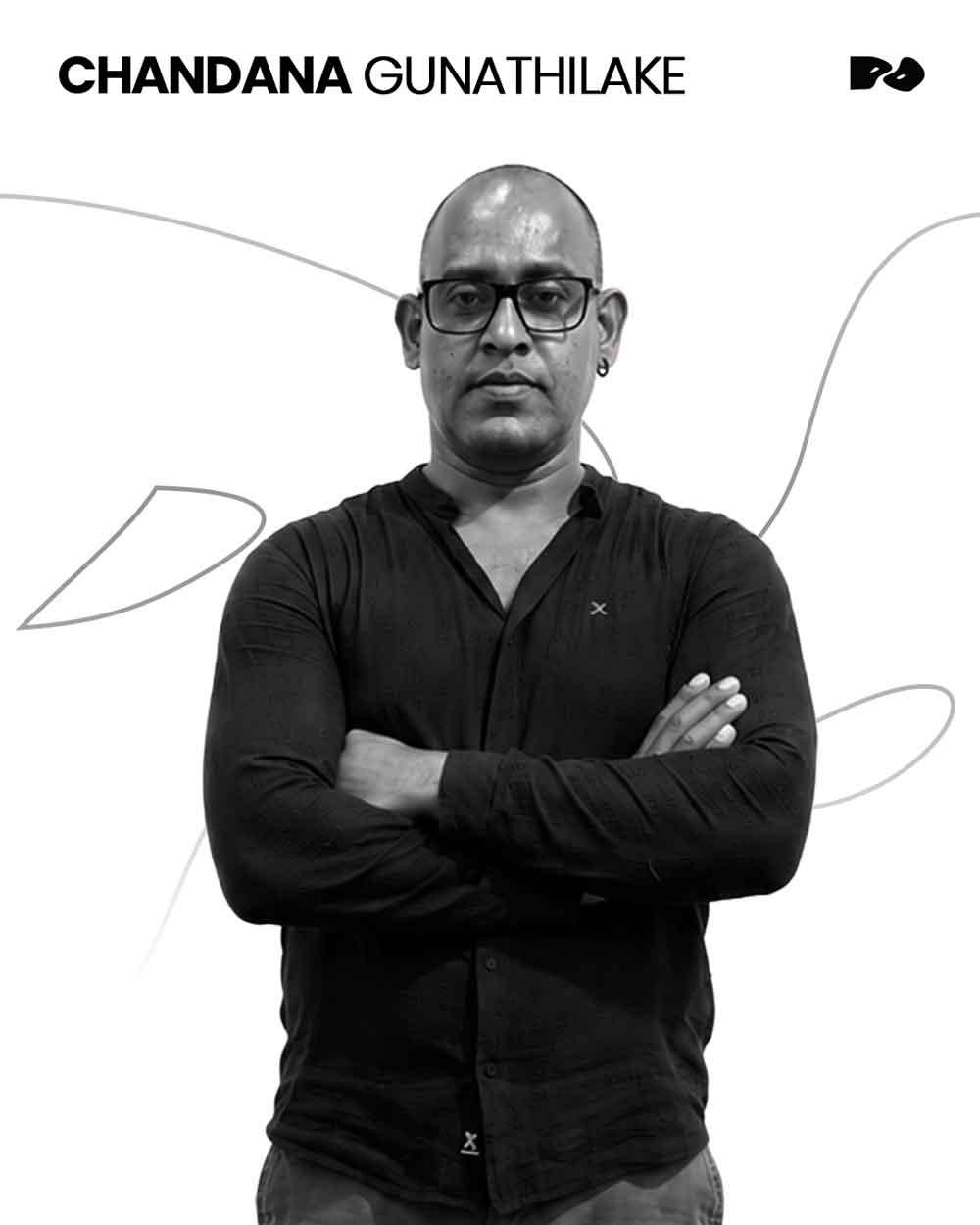
Nature emerges as both subject and collaborator in the sculptures of Chandana Gunathilake, whose organic forms blur the boundaries between human figures, animals, and botanical structures. His practice celebrates interconnectedness, suggesting that harmony is not simply an environmental ideal but a philosophical one.
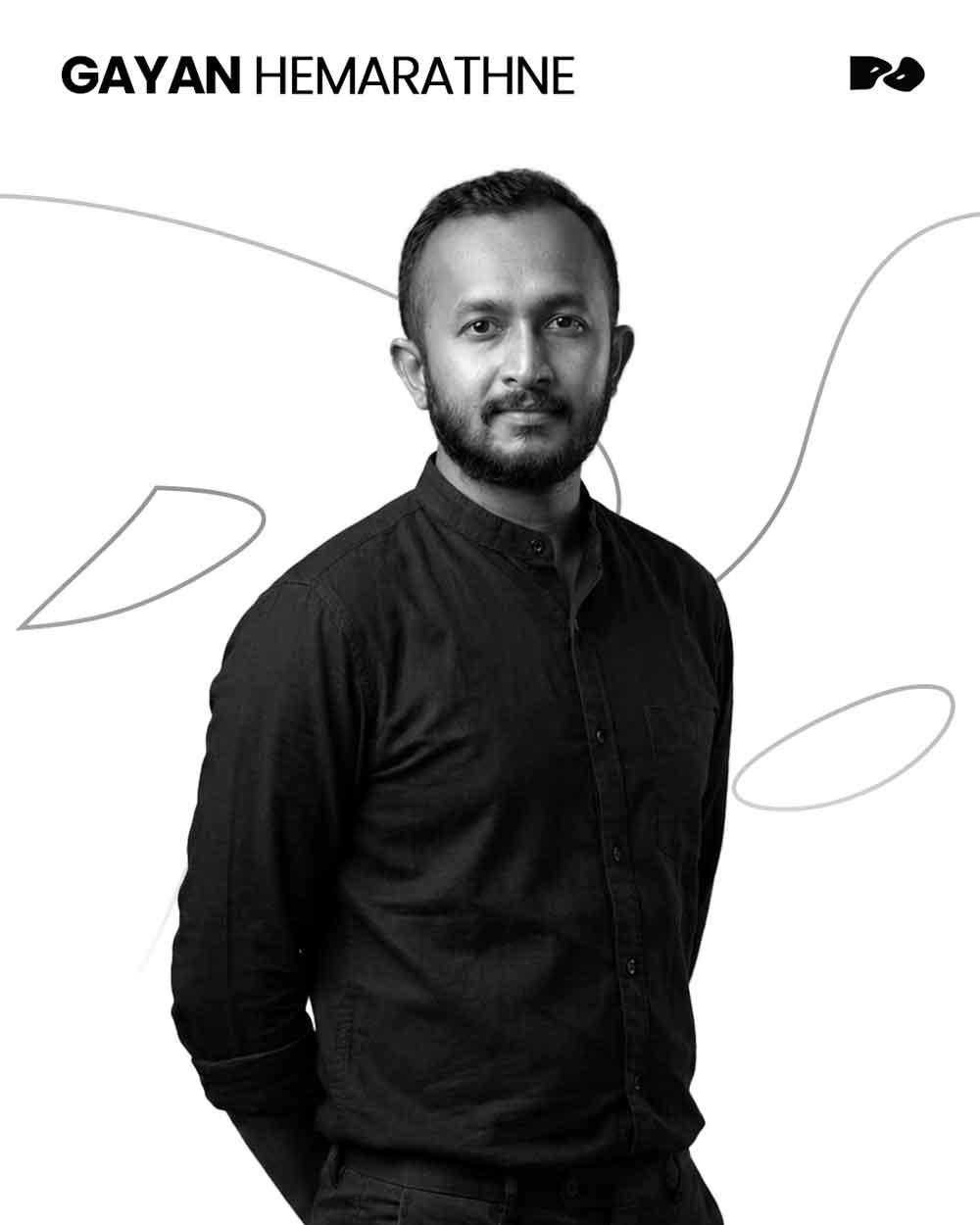
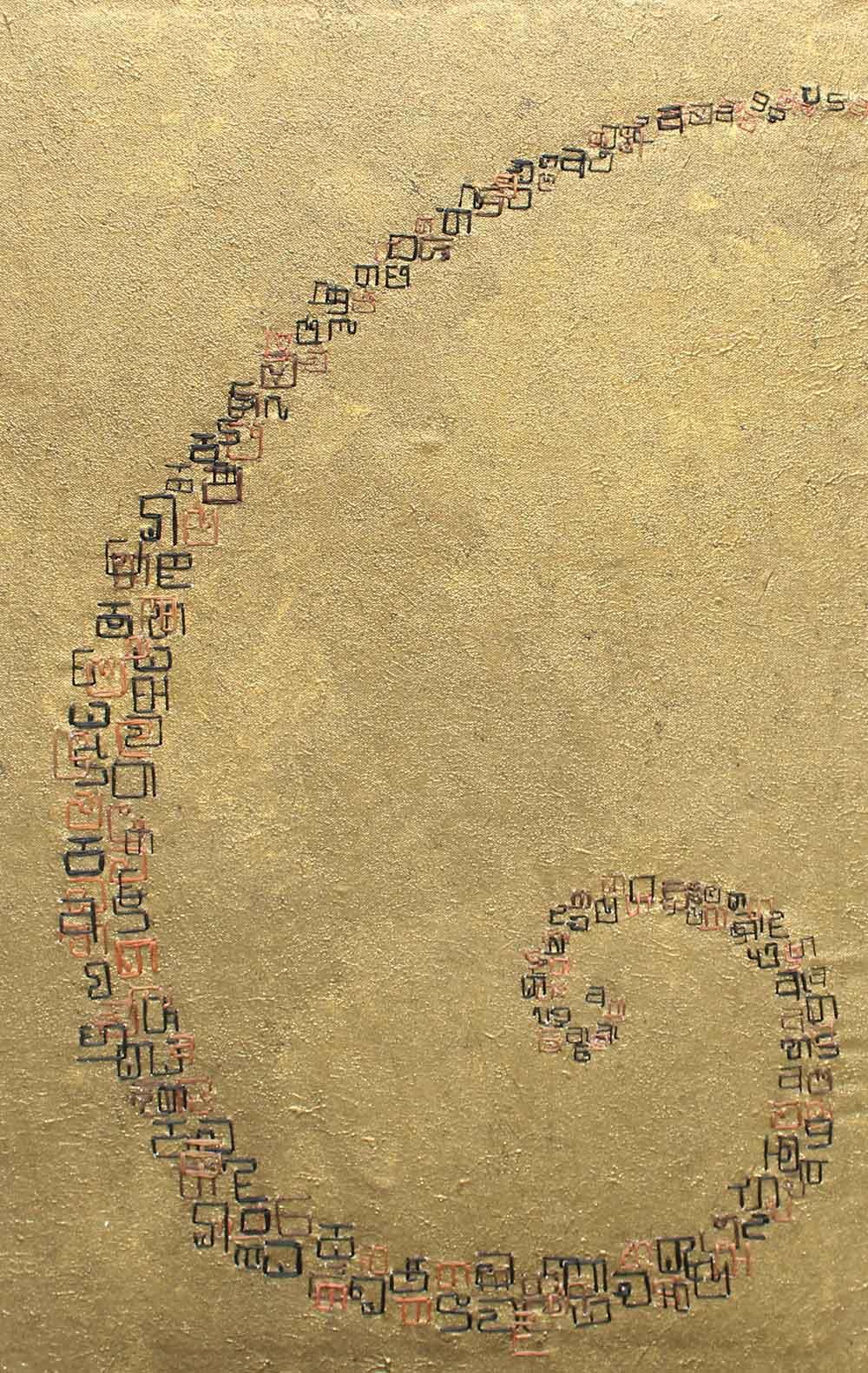
For Gayan Hemarathne, the past becomes an active participant in the present. Drawing from engineering, archaeology, and Buddhist philosophy, his layered paintings and installations investigate the intersections of memory, spirituality, and ancient knowledge. Rather than treating history as something fixed, his work reveals it as a living framework through which contemporary experience continues to be understood.
History also becomes material in the paintings of Kavishwara Jayasekara, who revisits Sri Lanka's temple painting traditions with both reverence and critique. Symbolism and subtle satire intertwine as his works examine political systems, religious narratives, environmental concerns, and social realities. Tradition is not preserved behind glass but reimagined as an active vocabulary capable of speaking to the present.
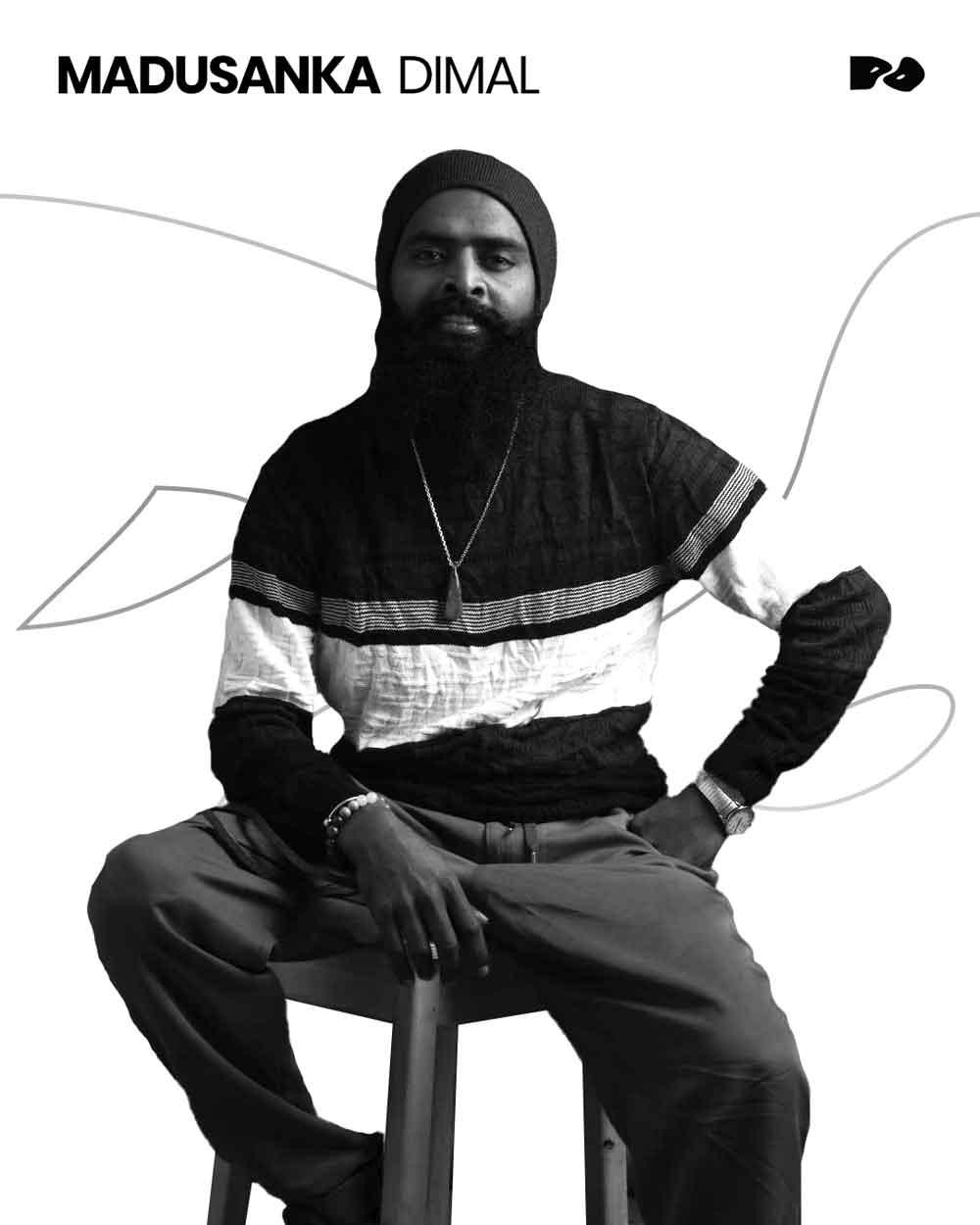
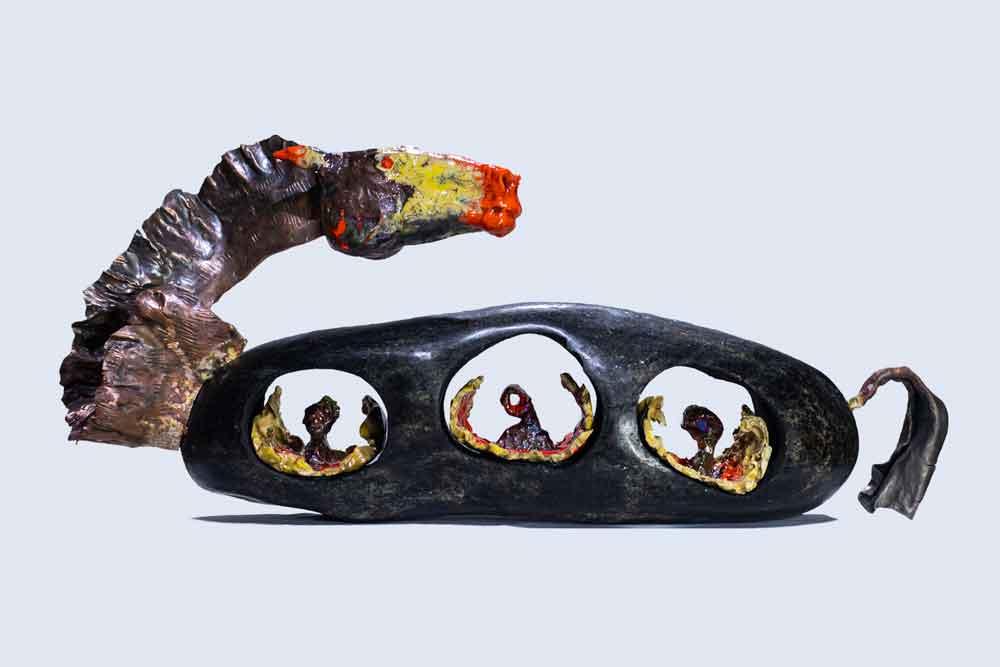
Material itself becomes the primary language in the sculptures of Madusanka Dimal, whose practice revolves around steel, copper, aluminium, and bronze. His works balance abstraction with recognisable organic and human references, exploring transformation not only as an artistic concept but also as a physical property embedded within the materials themselves.
As both artist and curator, Mandira Ranathunga occupies a unique position within the exhibition. Her practice investigates body positivity, feminist discourse, and identity while extending beyond the studio into research, curatorial practice, and advocacy for regional artistic histories. Her work reflects a commitment to preserving Sri Lanka's modern and contemporary art narratives while creating space for emerging conversations that have often remained at the margins.
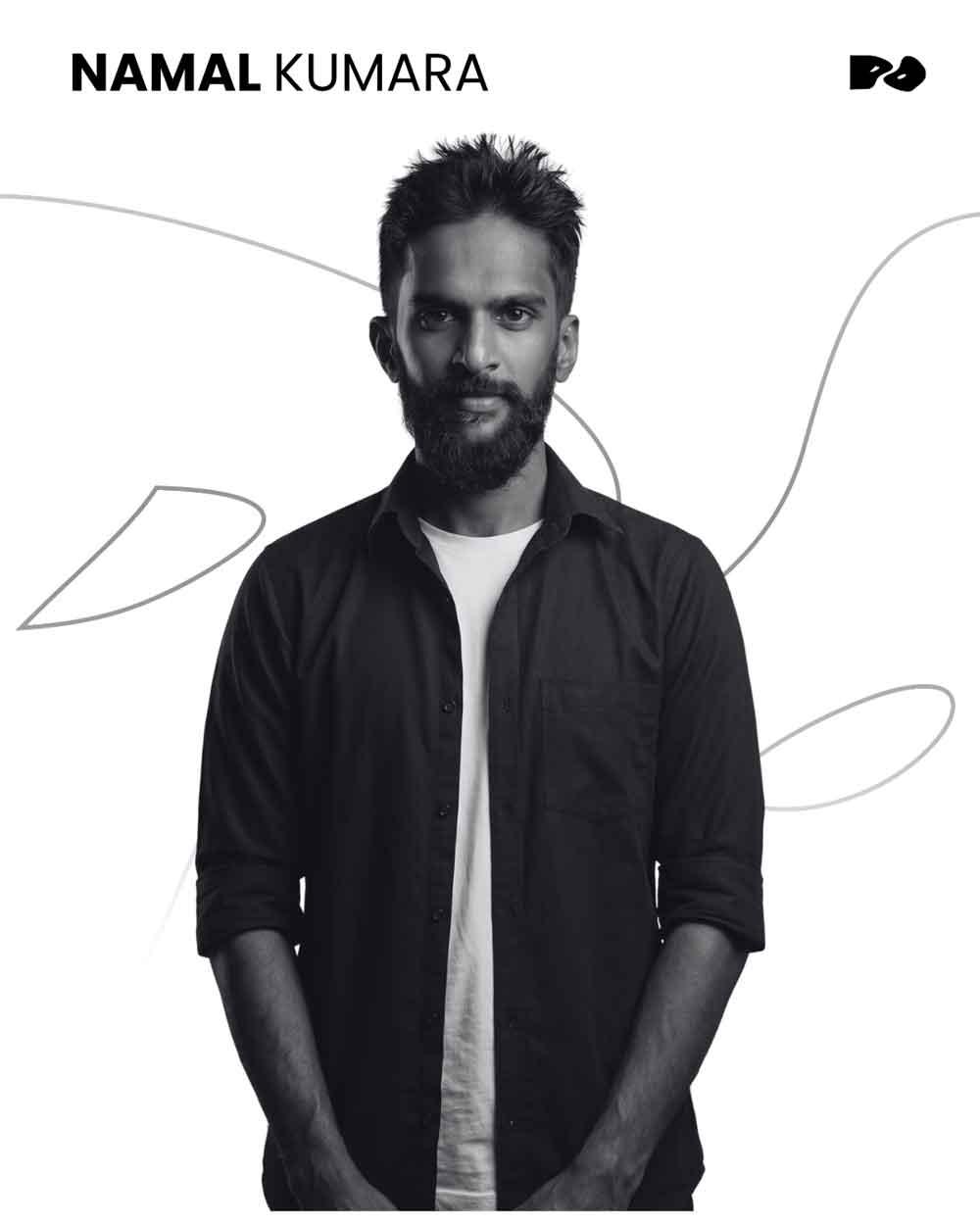
Abstraction becomes a vehicle for psychological reflection in the work of Namal Kumara, whose geometric compositions navigate themes of identity, resilience, memory, and the pressures of contemporary social and political life. His paintings invite contemplation rather than certainty, encouraging viewers to discover their own emotional pathways through colour and form.
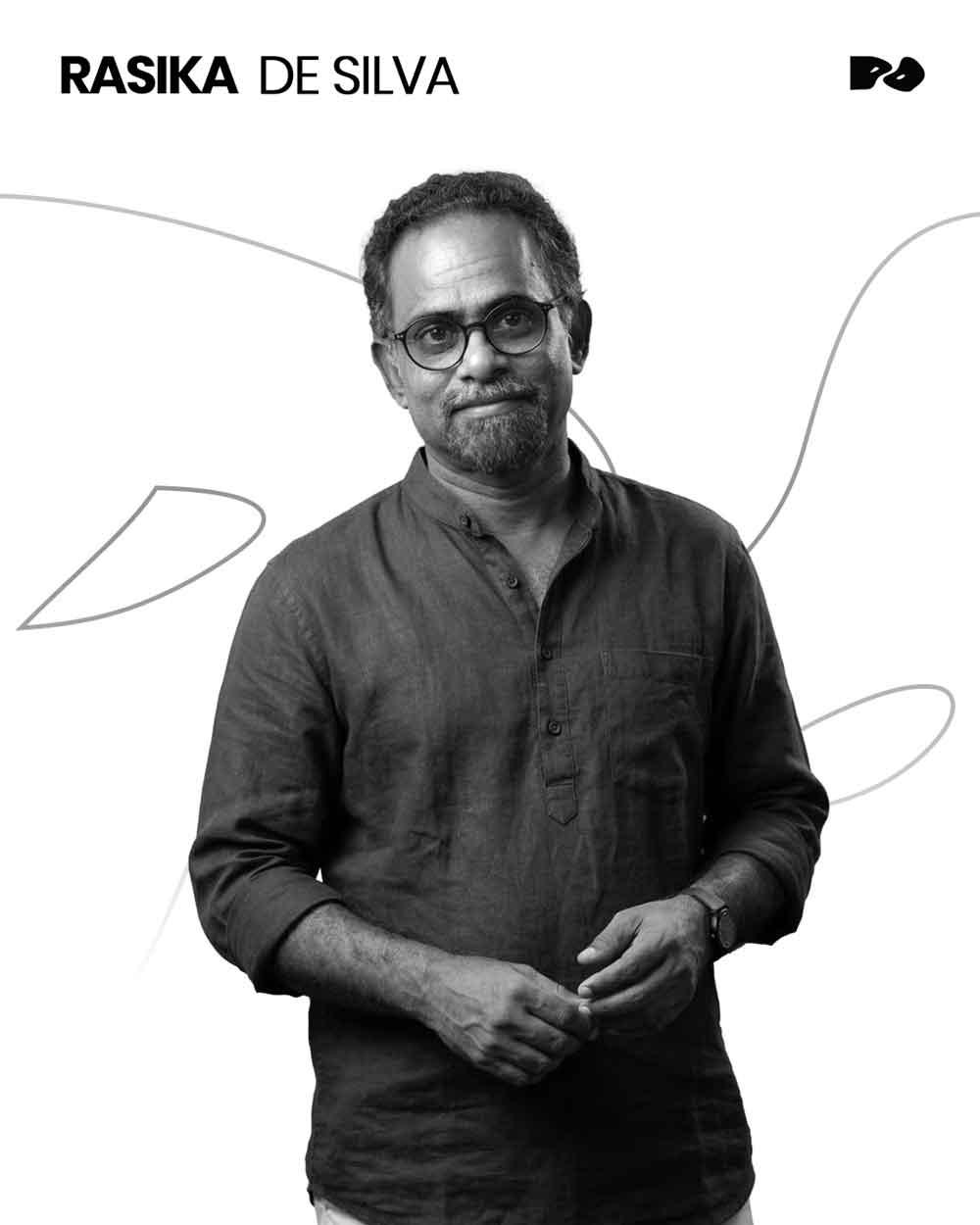
Celebrating twenty-five years of artistic practice, Rasika De Silva presents works that examine humanity's fragile relationship with the natural world. His landscapes move beyond representation toward reflection, asking what responsibility artists and audiences share in imagining more sustainable futures. They are paintings that remind us that ecology is not only an environmental issue but also an ethical one.
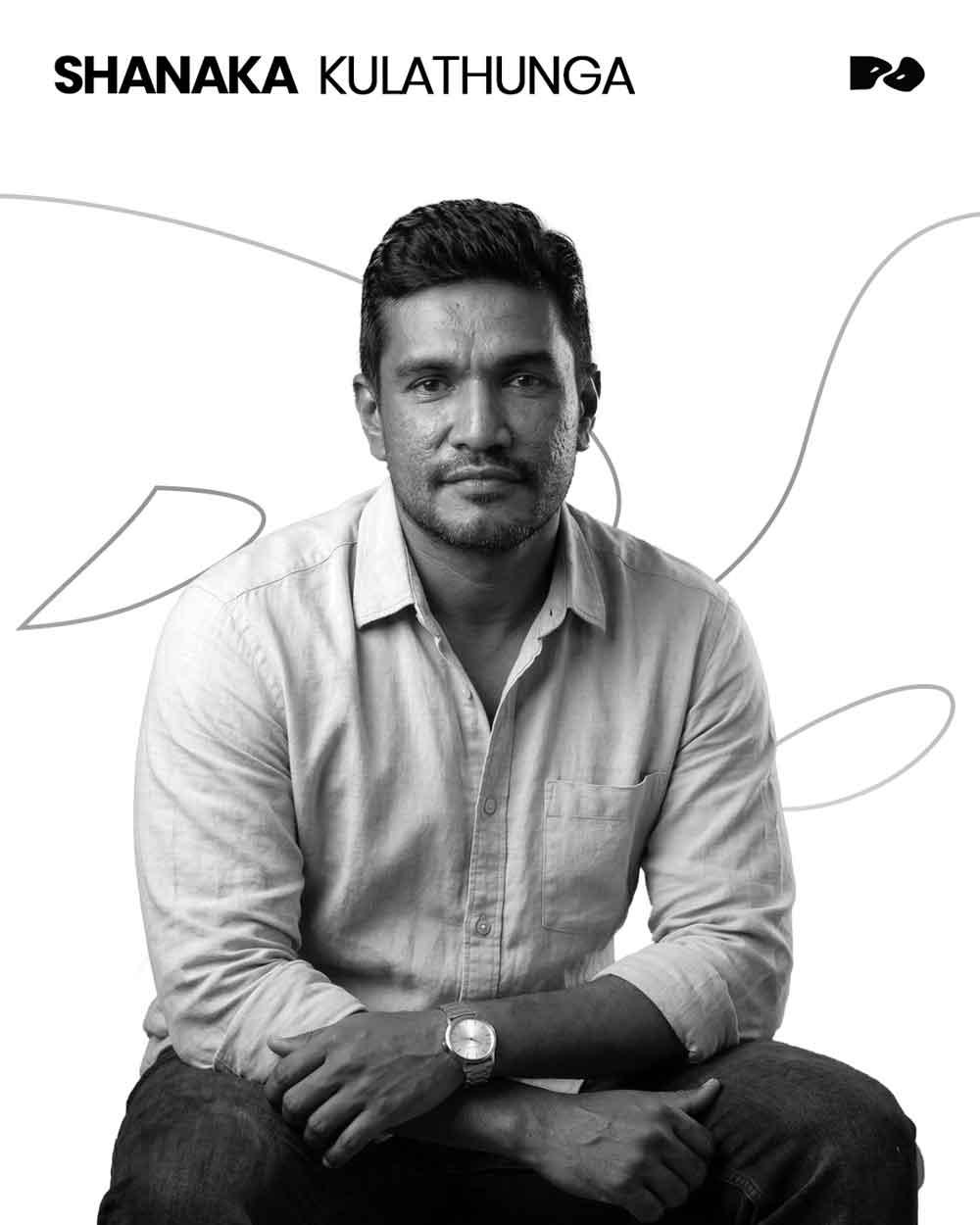
Completing the exhibition is Shanaka Kulathunga, whose dual experience as a medical professional and artist informs an expressive figurative practice grounded in empathy. His understanding of anatomy extends beyond scientific observation into emotional insight, producing paintings that explore vulnerability, healing, and the profound connections between the human body and the natural environment.
What makes Denary Odyssey compelling is not simply the quality of the individual artists but the dialogue that unfolds between them. Each practice occupies its own conceptual territory, yet together they reveal recurring questions about belonging, transformation, memory, and the search for meaning within an increasingly complex world.
In many ways, the exhibition mirrors Sri Lanka itself. It acknowledges history without becoming confined by it. It embraces experimentation without abandoning cultural specificity. It demonstrates that contemporary Sri Lankan art is not defined by a single movement or aesthetic but by a willingness to engage critically with the realities of the present while imagining new futures.
The title Odyssey feels particularly apt. Rather than suggesting a destination, it implies movement, discovery, and continual evolution. The exhibition charts no singular narrative. Instead, it offers ten distinct journeys that occasionally intersect, diverge, and return to shared questions about what it means to create, remember, and belong.
For collectors, students, researchers, and longtime followers of Sri Lankan contemporary art, the exhibition provides an opportunity to encounter practices that are shaping the country's visual culture. For newcomers, it offers something equally valuable: an accessible point of entry into a field that continues to expand in ambition, diversity, and international relevance.
Art exhibitions often promise dialogue. The most successful ones create it. Denary Odyssey 3.0 belongs to the latter category, inviting audiences not merely to observe but to participate through reflection, curiosity, and conversation.
As Colombo's cultural calendar gathers momentum this July, Denary Odyssey returns not only as an exhibition but as a reminder that contemporary art remains one of the most vital ways a society examines itself. Across ten artistic voices, visitors will encounter stories of resilience, vulnerability, imagination, and transformation, each contributing to a larger narrative about where Sri Lankan art stands today and where it might go next.
Exhibition Details
Denary Odyssey 3.0
Opening Preview: Friday, 17 July 2026 | 6.00 pm to 8.00 pm
Public Exhibition: 18 to 19 July 2026
Venue: Harold Peiris Gallery, Lionel Wendt Art Centre, Colombo