The Pocket Watch, the Footpath and the Politics of Looking Tall
 There are moments when PR stops looking like communications and starts looking like crowd control. This week on our BBC Radio 4 show, ‘When It Hits the Fan,’ my co-presenter David Yelland and I looked at three stories that each reveal how reputation is built, and sometimes deliberately endangered. A luxury watch launch that turned chaos into a business strategy. A planning dispute involving Pippa Middleton and a footpath war between the powerful and the local community. And an internet obsession with whether Presidents Donald Trump and Xi Jinping are actually the height they claim to be. Reputation, it turns out, is managed in feet and inches as much as it is in words.
The Watch That Started a Riot
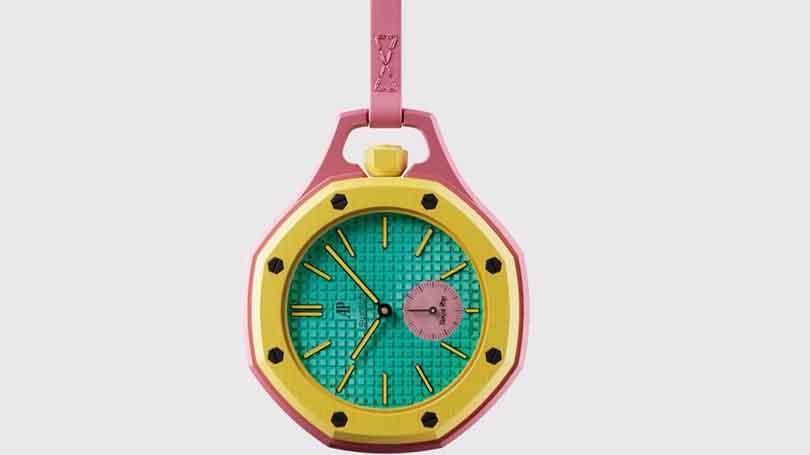
Swatch launched a pocket watch in collaboration with Audemars Piguet. The Royal Pop retails at £335 and was changing hands online for upwards of £16,000 within hours of going on sale. Stores across over a dozen countries were overwhelmed. Police and pepper spray were deployed in Paris. The scenes were, by any fair measure, genuinely frightening from Manchester to Mumbai. And yet the people behind it called it a success. What Swatch has understood, and refined across several collabs now, is that engineered scarcity and social proof are among the most powerful forces in consumer PR. The MoonSwatch collab three years ago sold over a million units. Limit the product, seed the rumours, let the queues form and be filmed, and the footage does the selling for you. The chaos was not a failure of planning. It was the plan. Where things unravelled was the moment CEO Nick Hayek sat down for an interview on the BBC Today Programme without anything resembling an empathetic line to take. He described the scenes as passion and enthusiasm, which is a difficult argument to sustain when tear gas has been used on your customers.
He minimised, deflected and at one point appeared to go on the attack against the interviewer, which is always a mistake. The rule is simple, and it is old: never attack the customer, and try not to treat a journalist's question as an ambush. There is a broader question worth sitting with here. Many of the people in those queues had no particular love for the brand. They were there to flip the watch, buying at £335 and selling at a multiple of that. Swatch knows this. Calling it passion alone is a stretch that the public, watching pepper spray deployed outside a shop in Paris, is unlikely to agree.
Planning to Fail in Public
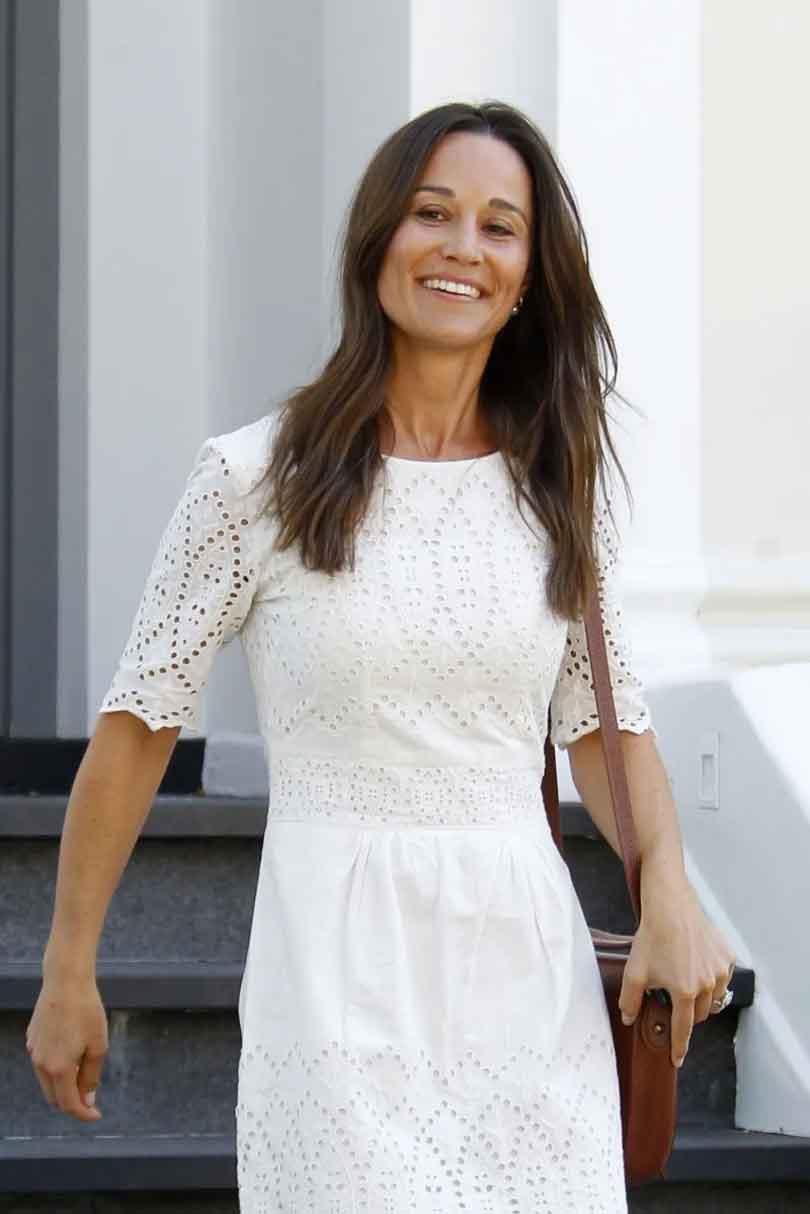
Pippa Middleton and her husband James Matthews paid £15 million for Barton Court; a Grade I listed estate in West Berkshire. There is a path running alongside the property that the local council declared a public right of way in 2024. Pippa and James are contesting that decision. This week a six-day public inquiry got underway in a village sports hall yards from the house, open to anyone who wanted to attend. The lesson here is not really about Pippa Middleton. It is about the perceived battle between the powerful and powerless. Every market, in every country, has arenas where the conventional tools of reputation management simply do not apply. In Britain, the planning system is one of them. It is deliberately democratic in a way that resists the usual levers of influence. There is no press release that moves a planning inspector. There is no relationship that substitutes for process.
In moments like these, grassroots influence is the only currency that truly counts. The parish WhatsApp group, the neighbours at the end of the drive, the community voices that shape opinion without any editorial filter. This is not unique to the UK. Across South Asia and the United States alike, the most consequential conversations about local reputation happen in closed digital spaces such as WhatsApp and Signal that most PR teams have no visibility into and no strategy for. The Ramblers, the campaign group contesting the path, understand this instinctively. They are experienced enough to know that this case gives them a platform well beyond one footpath in Berkshire, and they are using it accordingly. Against that, Pippa's team has a defensible argument. But an argument, however sound, is not the same as a campaign, and in this particular arena the side that wins tends to be the one that started working the room earliest. Public attention on stories like this moves on quickly. The neighbours, and the WhatsApp groups they inhabit, have considerably longer memories.
Trump, Xi and Height PR
According to the White House physician, President Donald Trump stands at six foot three. President Xi Jinping is estimated at around five foot ten. When they posed for photographs together in Beijing last week, they appeared identical in height. And when they sat down for the state dinner, Trump was reportedly given a considerably softer cushion than his host, visibly sinking into it while Xi sat upright beside him. Whether the cushion was deliberate or not, the image travelled. That is the point. Visual framing is one of the oldest instruments in diplomatic communication, and it matters now more than ever because most people will never watch a state visit from beginning to end. They will see the photograph the algorithm serves them, for a few seconds, and move on. In that environment, the staging of a single image carries more weight than an hour of watching them address the press. When I work with clients on high-stakes public moments, the photographs are among the first things I think about. A camera angle can confer authority or quietly undermine it, and most audiences will never notice that it did. None of this is vanity. It is the understanding that in a world of declining attention spans, the image almost always lands before the words do, and it stays longer. Xi's team executed this with precision.
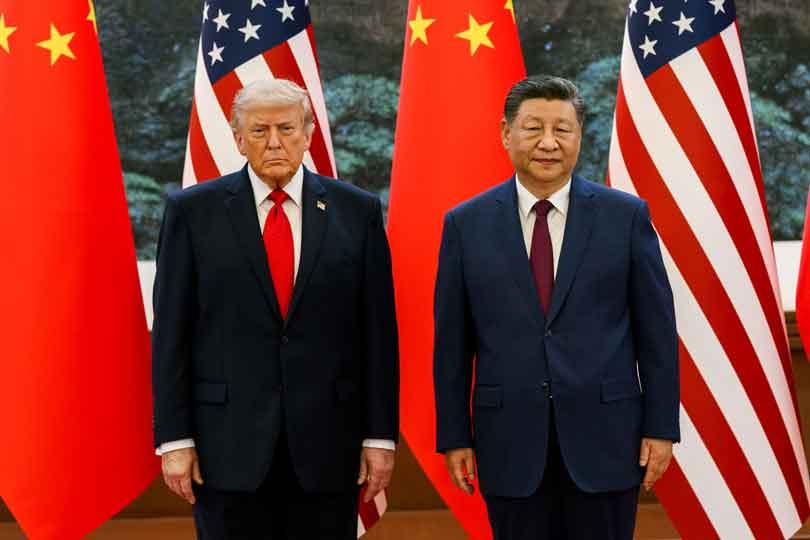
The photograph from Tiananmen Square, where both leaders appeared exactly the same height while inspecting troops, was a message delivered without a word to an audience of over a billion people. Putin arrived in China this week too, listed at five foot seven. In photographs next to Xi, he looks the shorter man. No dark arts appear to have been deployed on his behalf. There is perhaps a lesson there, though I will leave you to draw your own conclusions.
About The Writer
Farzana Baduel is CEO of Curzon PR, President of the Chartered Institute of Public Relations, and co-presenter of When It Hits the Fan on BBC Radio 4. To follow Farzana Baduel on Instagram, scan the QR code below.

Listen To ‘When It Hits the Fan’ on BBC Radio 4
Apple Podcasts | Spotify | BBC Sounds