SRI SATHYA SAI BABA: A CENTURY OF DIVINE LOVE, MIRACLES AND SERVICE TO HUMANITY.
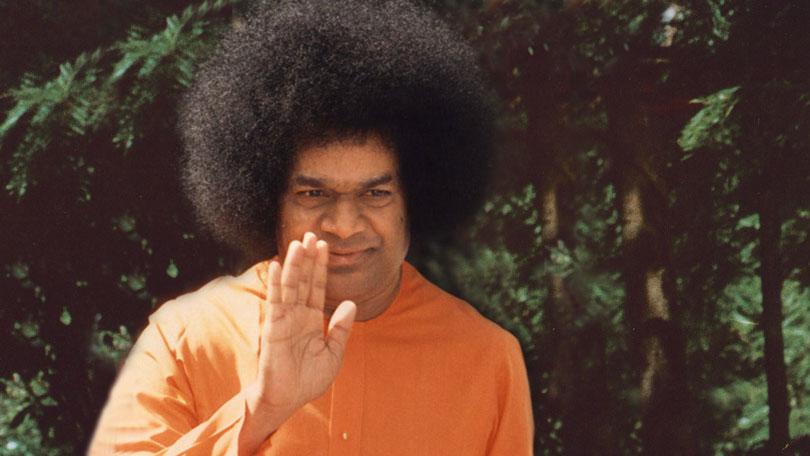
On the 23rd of November 2026, millions of devotees across the world will celebrate the sacred centenary of Bhagawan Sri Sathya Sai Baba, one of the most revered spiritual figures of modern times. Born a century ago in a small village in southern India, his extraordinary journey from humble beginnings to worldwide spiritual recognition remains a remarkable story of faith, devotion and service to humanity. To his followers, he was not merely a spiritual teacher but an embodiment of divine love, a living manifestation of compassion and an Avatar whose presence brought hope, healing and spiritual awakening to countless lives. His teachings transcended religious boundaries, nationalities and cultures, offering humanity a message that was both profoundly spiritual and beautifully simple. His immortal words, “Love All, Serve All. Help Ever, Hurt Never,” became the foundation of a worldwide movement dedicated to kindness, unity and selfless service. A hundred years after his birth, his influence continues through the institutions he inspired, the communities he united and the millions who regard his teachings as a guiding light in their lives.
A DIVINE CHILDHOOD AND AN EXTRAORDINARY DESTINY
Sri Sathya Sai Baba was born Sathyanarayana Raju on the 23rd of November 1926 in Puttaparthi, a modest village in Andhra Pradesh, India, to Pedda Venkama Raju and Easwaramma. From his earliest years, he was remembered as an unusually compassionate and spiritually inclined child. Accounts of his childhood describe his love for devotional singing, his concern for the poor and his willingness to share whatever he possessed with those in need. Even as a young boy, he appeared deeply conscious of the suffering of others and demonstrated qualities that his followers would later recognise as signs of his divine mission. His childhood was also associated with extraordinary incidents that astonished family members and villagers. Devotional accounts describe mysterious manifestations, unusual spiritual insight and remarkable acts that seemed beyond ordinary explanation. In October 1940, at the age of 13, he announced that he was Sai Baba, identifying himself as the reincarnation of the revered saint Shirdi Sai Baba. This declaration marked the beginning of a spiritual mission that would eventually attract millions of devotees from every corner of the world.
A MIRACULOUS LIFE THAT INSPIRED MILLIONS
Throughout his lifetime, Sri Sathya Sai Baba became widely known for the miracles attributed to him. Devotees described witnessing the materialisation of sacred ash, known as vibhuti, as well as rings, necklaces, religious objects and other gifts that he distributed as blessings. Many followers also recounted extraordinary experiences of healing, protection, answered prayers and spiritual guidance. These accounts, cherished as personal testimonies of faith, contributed to his reputation as a divine presence whose compassion extended beyond the limitations of ordinary human understanding. For those who believed in his divinity, the miracles were never simply displays of supernatural power. They represented expressions of divine grace intended to strengthen faith and awaken spiritual awareness. Although claims of miraculous phenomena have not been scientifically established and have attracted scepticism, devotees continue to regard their personal experiences as deeply meaningful. Baba himself repeatedly emphasised that the true purpose of spiritual life was inner transformation rather than fascination with extraordinary events.
His greatest miracle, in the eyes of many followers, was his ability to inspire individuals to abandon selfishness, embrace forgiveness and dedicate themselves to helping others.
THE RELIGION OF LOVE AND THE UNITY OF FAITHS
One of Sri Sathya Sai Baba's most enduring contributions was his teaching that all religions ultimately lead towards the same divine truth. Although he inspired a vast international spiritual movement, he did not establish a separate religion or demand that followers abandon their existing beliefs. Instead, he encouraged people to become more sincere practitioners of their own faiths, recognising that love, truth, compassion and righteousness form the spiritual foundation of every great religious tradition. His celebrated declaration, “There is only one caste, the caste of humanity. There is only one religion, the religion of love. There is only one language, the language of the heart,” beautifully expressed his universal philosophy. He taught that the different names by which humanity worships God should never become reasons for hostility or division. Hinduism, Christianity, Islam, Buddhism and other faiths could coexist in mutual respect because the essential spiritual values underlying them were universal. At the heart of his teachings were five fundamental human values: Truth, Right Conduct, Peace, Love and Nonviolence. He believed that these values were inherent within every human being and that genuine spiritual progress required their expression in daily life. Religious observance without compassion, he taught, could never fulfil the highest purpose of faith. His message was therefore not one of conversion but of transformation, encouraging humanity to recognise the divine presence within every individual.
COMPASSION MADE VISIBLE THROUGH SERVICE
Perhaps the most enduring evidence of Sri Sathya Sai Baba's remarkable mission lies in the humanitarian institutions established under his inspiration. He believed that service to humanity was service to God and that spiritual devotion should be expressed through practical acts of generosity. His philosophy transformed compassion from an abstract ideal into a powerful force for social welfare, particularly among communities facing poverty, illness and limited access to essential services. The Sri Sathya Sai hospitals became internationally recognised for providing advanced medical treatment completely free of charge, including complex cardiac and other specialised procedures. Educational institutions established under his guidance combined academic achievement with moral development, emphasising the importance of character, discipline and responsibility. Major drinking-water projects brought much-needed relief to communities struggling with water scarcity, while numerous charitable programmes addressed the needs of disadvantaged families. His words, “The end of education is character,” reflected his conviction that knowledge without moral responsibility was incomplete. Similarly, his emphasis on selfless service reminded followers that spiritual greatness could never be measured through wealth, status or worldly achievement. The hospitals, schools, universities and welfare projects associated with his mission remain lasting expressions of his belief that every human being deserves dignity, compassion and care, regardless of religion, caste or economic circumstances.
A WORLDWIDE FAMILY UNITED BY DEVOTION
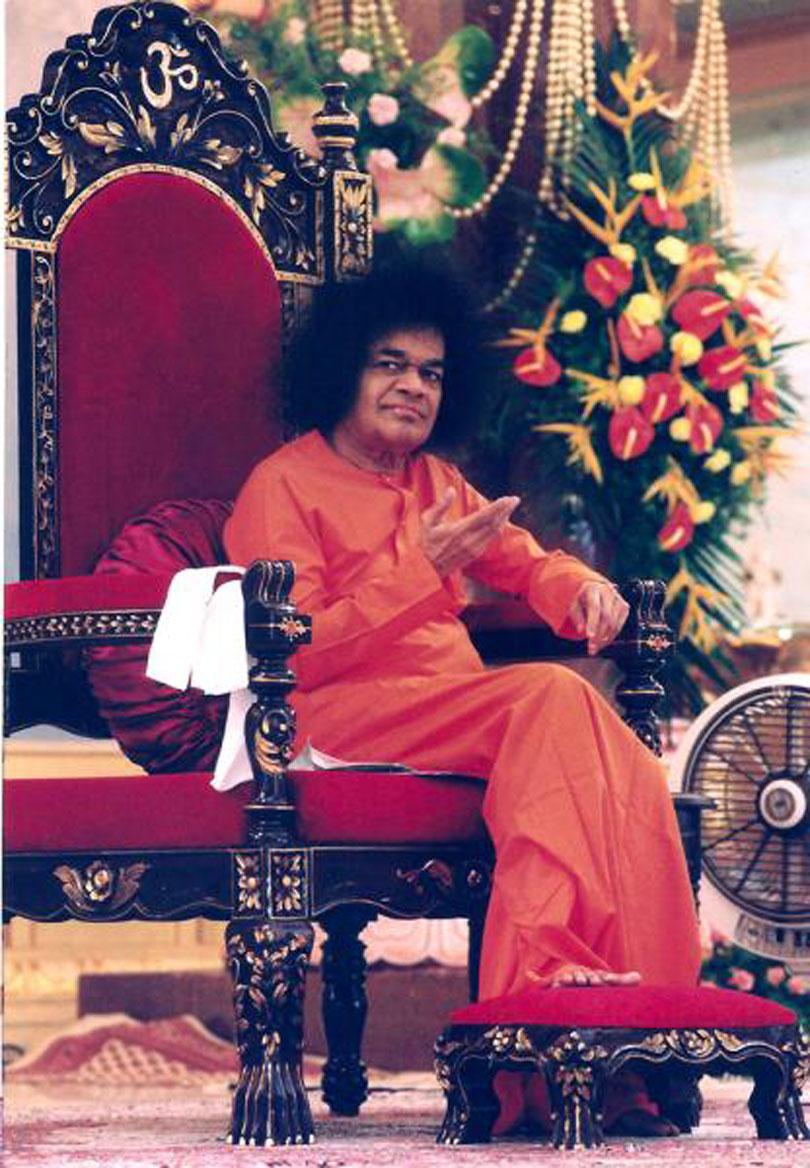
From the quiet village of Puttaparthi, Sri Sathya Sai Baba's spiritual influence gradually expanded across continents, drawing followers from diverse cultures, professions and religious backgrounds. His ashram, Prasanthi Nilayam, meaning the Abode of Supreme Peace, became an internationally renowned centre of pilgrimage, prayer and spiritual reflection.
Thousands travelled there seeking his blessings, attending devotional gatherings and experiencing the atmosphere of unity that surrounded his teachings. The Sri Sathya Sai movement subsequently developed into a worldwide network of spiritual, educational and service organisations operating across more than 100 countries. Its followers include people from many walks of life, united by their admiration for Baba's teachings and their commitment to putting those teachings into practice. Through food distribution, medical camps, educational programmes, disaster relief and community assistance, devotees continue to demonstrate the principle that love acquires its greatest meaning when expressed through service. For countless families, devotion to Sri Sathya Sai Baba has become an integral part of everyday life. His photographs occupy places of reverence in homes, his devotional songs are sung in gatherings, and his teachings are shared across generations. Yet the deeper purpose of this devotion remains the cultivation of humility, kindness, spiritual discipline and compassion towards all living beings.
TIMELESS WISDOM FOR A TROUBLED WORLD
Sri Sathya Sai Baba possessed a remarkable gift for expressing profound spiritual truths through simple and memorable words. His declaration, “My life is my message,” conveyed his conviction that spirituality must be demonstrated through personal conduct rather than merely proclaimed through religious discourse. Another cherished teaching, “Love lives by giving and forgiving. Ego lives by getting and forgetting,” encouraged followers to replace pride and selfishness with generosity, understanding and forgiveness. He consistently reminded humanity that material possessions and worldly accomplishments could never provide lasting happiness without inner peace. His teachings encouraged individuals to develop faith, practise self-discipline, respect their parents, care for the vulnerable and recognise the spiritual unity of humankind. In an age increasingly characterised by conflict, intolerance and uncertainty, these principles retain extraordinary relevance, offering a vision of society built upon mutual respect and compassionate responsibility.
AN ETERNAL LEGACY OF LOVE
On the 24th of April 2011, Sri Sathya Sai Baba passed away in Puttaparthi at the age of 84, leaving millions of devotees mourning the physical departure of their beloved spiritual master. Yet for his followers, his presence did not disappear with his passing. They continue to experience his guidance through prayer, remembrance, service and the practice of his teachings. The institutions he inspired remain active, while his message continues to reach new generations seeking spiritual meaning and purpose. As the world commemorates his 100th birth anniversary on the 23rd of November 2026, the occasion offers far more than an opportunity to remember an extraordinary life. It invites humanity to reflect upon the values that defined his mission and to renew its commitment to love, peace and selfless service. The most meaningful tribute to Sri Sathya Sai Baba is found not only in devotional celebrations, but in feeding the hungry, comforting the distressed, healing the sick, educating the young and treating every human being with dignity. A century after his birth, the spiritual light kindled in the humble village of Puttaparthi continues to illuminate hearts across the world. His legacy reminds humanity that true greatness lies not in power or possessions, but in the capacity to love without discrimination and serve without expectation of reward. For millions who cherish his memory, Bhagawan Sri Sathya Sai Baba remains an eternal symbol of divine compassion, whose timeless message will continue to inspire generations yet to come.