VIHANI TENNAKOON: EMPOWERING CHILDREN BEYOND THE CLASSROOM
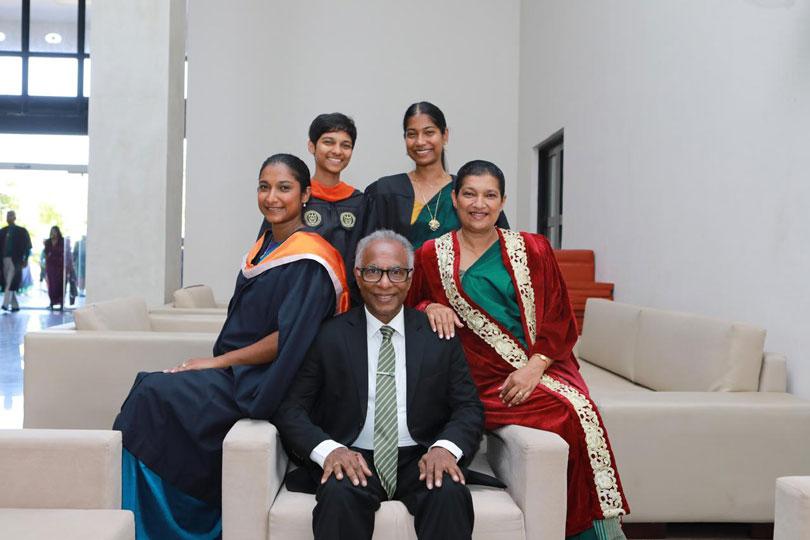
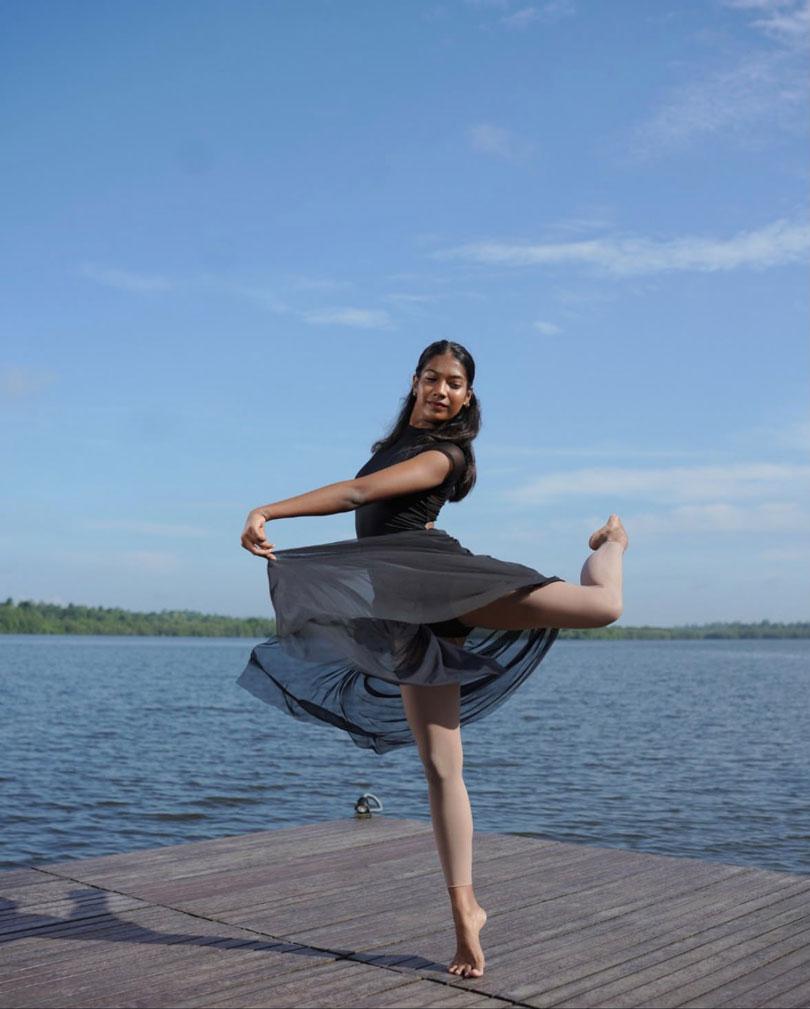
For Vihani Tennakoon, education is about much more than academic achievement. It is about recognising individuality, nurturing confidence and creating environments where every child feels understood and valued. Beginning her teaching journey at just 16, she has grown into a multifaceted professional whose work spans education, psychology, counselling, school leadership and the performing arts. Now serving as Acting Principal and Directress of Asian Grammar School, Vihani is committed to building on her family's educational legacy while developing her own approach to leadership. Her experiences working with children from diverse backgrounds, alongside her international journey as a dancer and performer, have strengthened her belief in the transformative power of empathy, creativity and emotional wellbeing. As a certified Child Safeguarding Trainer, she also champions safer learning environments. Looking ahead, Vihani hopes to establish a non-profit organisation that empowers children beyond conventional expectations, helping them embrace their strengths, express themselves and realise their potential.
You began teaching at just 16. What inspired you to pursue education so young, and how has your perspective evolved?
Interestingly, my inspiration came largely from my own experiences as a student. I was mischievous, rebellious and certainly not always a teacher's favourite! I wasn't necessarily an outstanding academic performer, and I struggled to recognise my own strengths. Those experiences helped me understand how easily children can be misunderstood or labelled simply because they don't fit conventional expectations. I wanted to become the teacher who notices those children, encourages them and helps them discover abilities they might not recognise themselves. Growing up in a family of educators also influenced me. I began as a trainee Montessori teacher at 16 while completing my O/Ls, and what started as an opportunity gradually became a passion. Today, I believe education should extend beyond examinations and grades. Children who challenge us often need our understanding the most. My goal is to help them discover their identities, develop confidence and recognise their individual potential.
As Acting Principal and Directress of Asian Grammar School, what has been the greatest challenge and reward of stepping into leadership?
My connection to Asian Grammar School is deeply personal because my mother established it before I was born. I grew up watching her build the institution, support teachers, engage with parents and nurture children. My sister also influenced my understanding of leadership, allowing me to observe different approaches. However, witnessing leadership and assuming responsibility yourself are entirely different experiences. My greatest challenge has been developing my own leadership style. I naturally value relationships and approachability, but leadership also demands difficult decisions, consistency and firm standards. Learning to balance empathy with authority has been an important journey. The greatest reward is contributing to something my family built through dedication and love. I want to honour their achievements while introducing my own ideas and experiences. I recognise that leadership is an ongoing learning process. Remaining open to growth, reflection and improvement is essential to becoming the leader I aspire to be.
How has your background in Psychology influenced your understanding of children and the learning environments they need?
Understanding child psychology is fundamental to meaningful education. Children arrive at school with different personalities, emotions, experiences, abilities and challenges. They cannot be understood solely through their academic performance. Behaviour often communicates feelings that children may not yet have the vocabulary or confidence to express. Understanding what lies behind their actions allows educators to respond with empathy rather than immediately turning to criticism or punishment. My Psychology background has encouraged me to look beyond visible behaviour and consider the child's emotional circumstances. I strongly believe emotional wellbeing and academic development are interconnected. Children who feel respected, understood and secure are more willing to participate, explore unfamiliar experiences and take healthy risks. I would love to see Sri Lankan schools place greater emphasis on psychological development alongside academic achievement. Education should nurture emotionally confident individuals, not simply successful examination candidates.
As a certified Child Safeguarding Trainer, why do you believe safeguarding must be central to every educational institution?
Child safeguarding should never be considered an additional responsibility or something addressed only after an incident. It must be embedded in the culture of every educational institution. Children spend a significant proportion of their lives at school. Educators therefore have responsibilities that extend beyond teaching academic subjects. They must recognise potential concerns and understand how to respond appropriately. Through my safeguarding work, I have realised that many teachers genuinely care about children but lack the training, knowledge or confidence to identify warning signs and follow appropriate procedures. Often, the problem is not insufficient compassion but insufficient awareness. Every educator should understand safeguarding responsibilities, reporting procedures and professional boundaries. Proper training empowers teachers to respond responsibly and confidently. Ultimately, every child deserves an environment where they feel protected, respected, heard and valued. Creating that environment must remain a shared institutional priority.
How did your internship at the MJF Foundation shape your approach to supporting children from diverse backgrounds?
My internship at the MJF Foundation in 2022 was an incredibly meaningful experience. Working as an assistant counsellor, I supported children from different circumstances, including underprivileged children and children with disabilities. It deepened my understanding of the challenges children and families navigate, many of which are not immediately visible. The experience also influenced my academic interests. I subsequently based my undergraduate thesis on the attitudes and challenges faced by parents of children with Autism Spectrum Disorder and Down Syndrome. One important lesson was that supporting children requires understanding their wider circumstances. Their families, environments and available support systems all influence their development and wellbeing. Most importantly, I learnt never to make assumptions about a child based on their behaviour, abilities or background. Every child has an individual story. Sometimes, simply listening without judgement and offering genuine understanding can make an extraordinary difference.
Dance remains an important part of your life. How do you balance performing arts with teaching, leadership and studies?
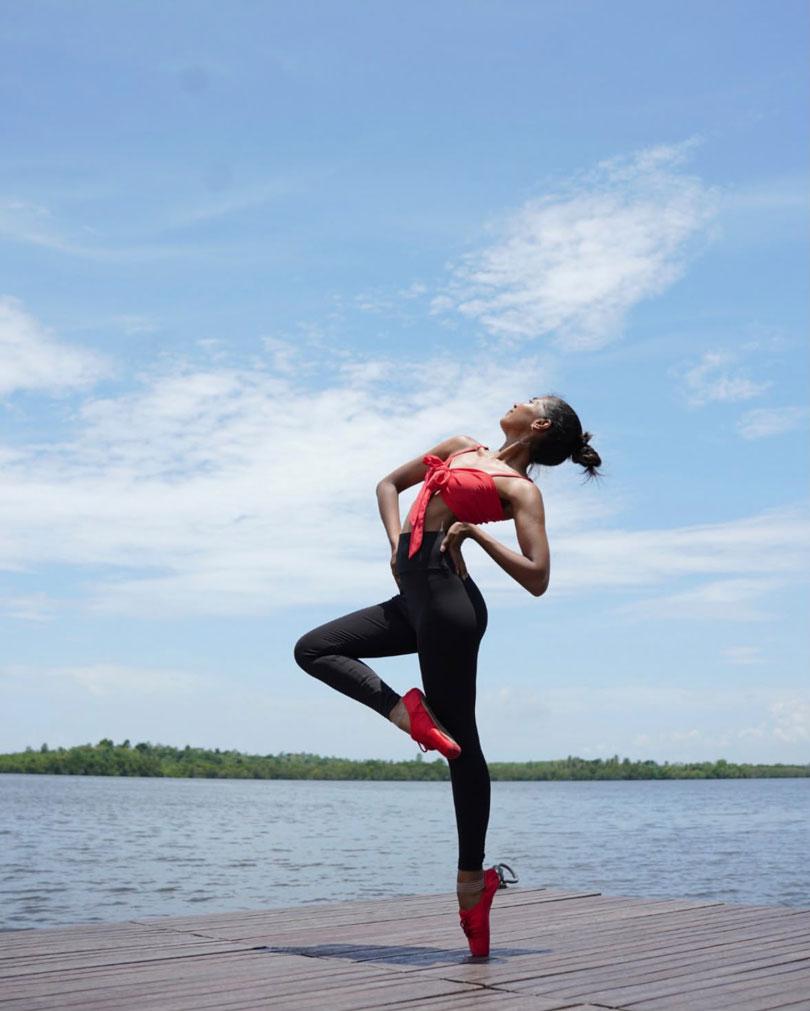
Dance has never been merely a hobby for me. It is essential to my mental wellbeing, providing an outlet for self-expression, emotional release and relief from everyday pressures. I also approach dance as a sport requiring physical strength, endurance, discipline and consistency. Having trained in Contemporary, Jazz, Ballet and Kandyan dance, I appreciate both its artistic and physical demands. Balancing choreography and dance with school leadership, teaching and postgraduate studies can certainly be challenging. However, I have learnt that balance isn't necessarily about dividing time equally. It is about being intentional with the time available. My professional and artistic worlds also complement each other. Dance develops teamwork, creativity and perseverance, while education strengthens patience, communication and leadership. Most importantly, movement has shown me its potential to support emotional expression and wellbeing. I cannot imagine my life without dance.
What did performing at Disneyland and Universal Studios mean to you personally and professionally?
Performing at Disneyland and Universal Studios represented unforgettable milestones in my dancing journey. Growing up, I admired these destinations, so having the opportunity to perform there felt surreal. However, the experiences offered considerably more than excitement. They exposed me to international performance environments and helped me appreciate the preparation, teamwork and dedication required within the entertainment industry. Performing internationally also encouraged me to move beyond my comfort zone and develop greater confidence in my abilities. Personally, those experiences reminded me why I fell in love with dance. Professionally, they strengthened my determination to continue exploring the performing arts, learning from different environments and bringing those experiences into my work with children.
What lessons did your 2024 European tour with Heart Global teach you about connecting with children through the arts?
Touring four European countries with Heart Global was among my most valuable experiences as both a dancer and educator. Working with children from different cultures required flexibility, openness and a willingness to understand unfamiliar perspectives. What particularly impressed me was the respect children received regardless of age. Their opinions and individuality were genuinely valued. I also learnt valuable approaches to positive behaviour management, particularly responding to challenging situations without immediately adopting negative methods. Another fascinating aspect involved children choosing instructors whose personalities and teaching styles suited them. Watching their confidence grow within these groups reinforced something important. Children do not all learn, communicate or connect in identical ways. The experience reminded me that educators should sometimes adapt themselves to children rather than constantly expecting children to adapt to established teaching methods. When children feel respected and free to express their individuality, learning becomes significantly more meaningful.
Your ultimate ambition is to empower children internationally. What would you like to achieve, and what legacy do you hope to leave?
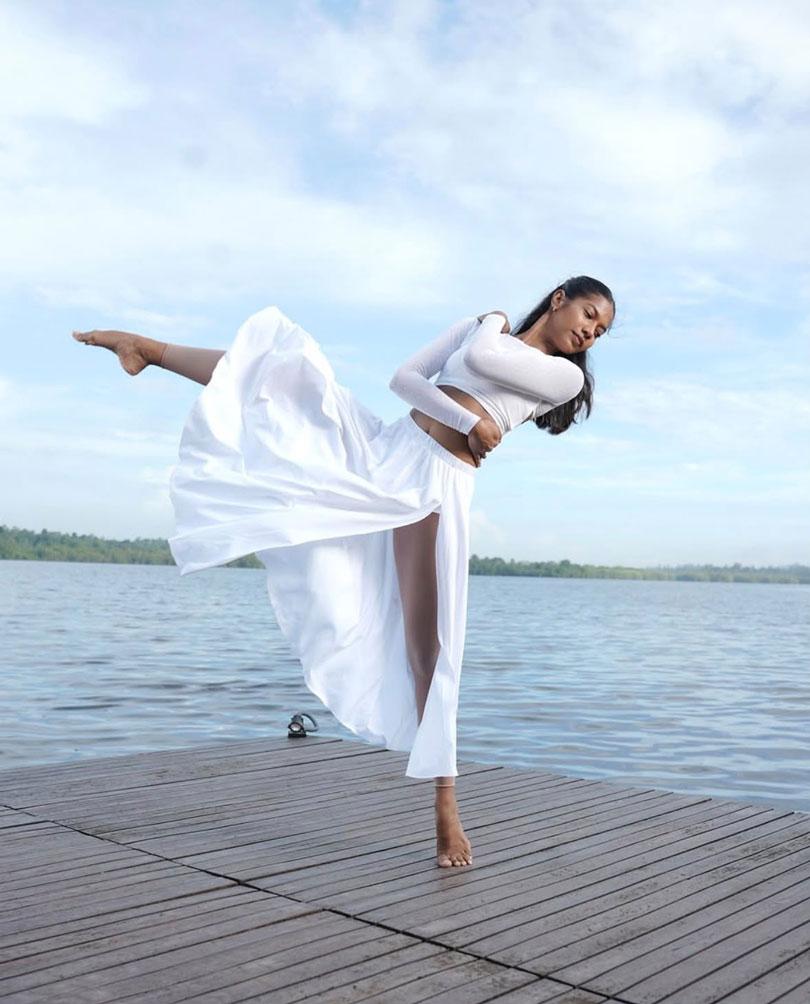
My greatest ambition is to establish a non-profit organisation promoting children's emotional wellbeing, development and safeguarding. Through dance, movement and creative programmes, I hope to help children express themselves while educating parents and teachers about child psychology and positive behaviour management. I want these opportunities to reach children from all backgrounds, eventually extending beyond Sri Lanka through international collaborations. True empowerment means ensuring every child feels safe, valued and confident, regardless of academic performance or abilities. My ultimate legacy would be nurturing a generation that embraces individuality, recognises its potential and feels empowered to be itself.