HIBA ZIARD: FINDING CONFIDENCE, PURPOSE AND RESILIENCE THROUGH YOUTH LEADERSHIP
NEW GENERATION BY MALINDA PERERA
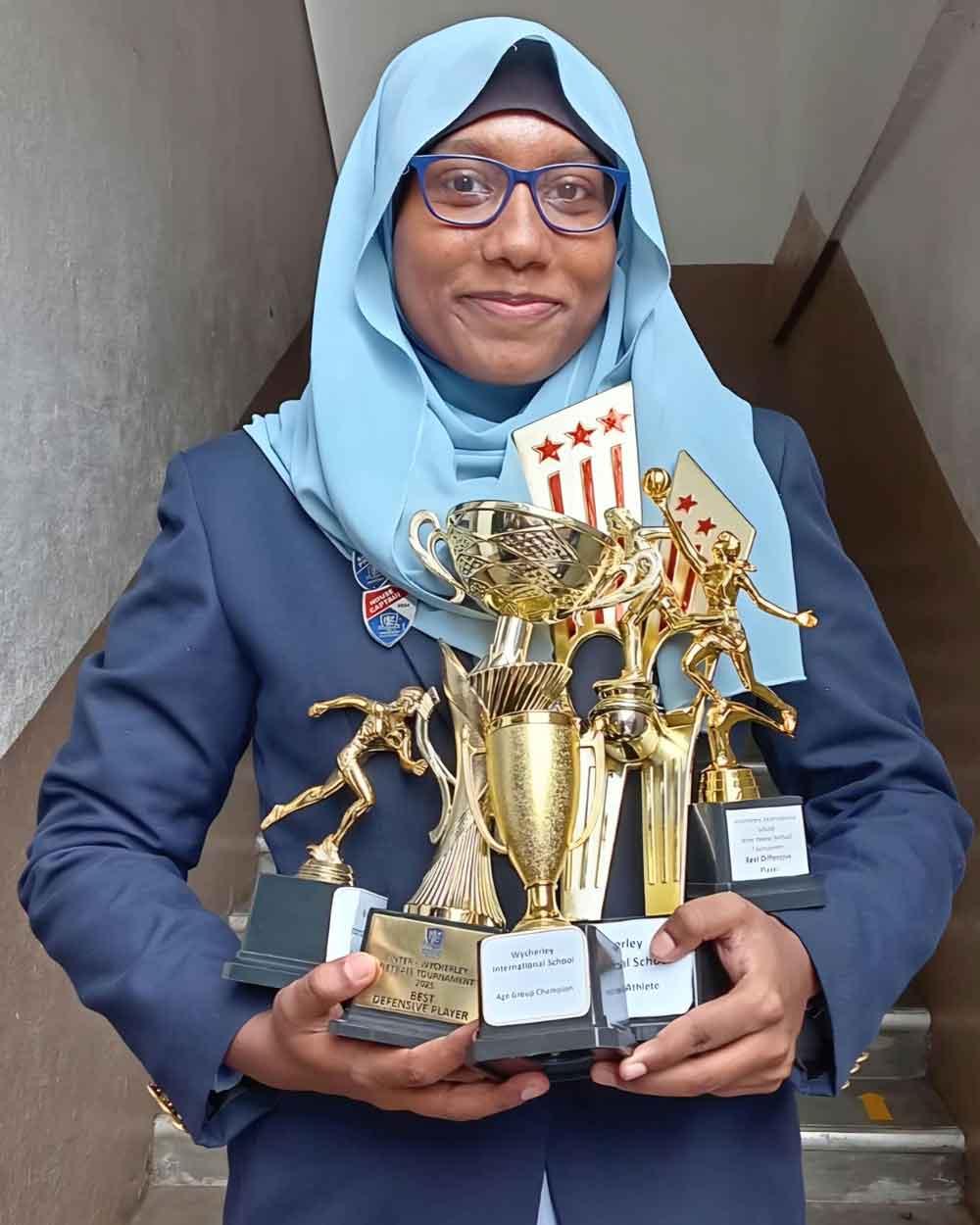
At nineteen, Hiba Ziard is navigating a period of discovery, balancing ambition with uncertainty and learning that personal growth rarely follows a predictable path. A former House Captain at Wycherley International School, she has carried her early leadership experiences into youth initiatives, community engagement and professional responsibilities. From leading teams and addressing international audiences to pursuing foundation studies at AIC Campus and contributing to her family business, Brands In Style (PVT) Ltd, her experiences have challenged her confidence, resilience and understanding of responsibility. Sports, volunteering and her involvement with New Generation Sri Lanka have also shaped her outlook, teaching her the importance of adaptability, teamwork and perseverance. Yet Hiba is equally candid about the setbacks, self-doubt and difficult lessons that accompany growing up. In this conversation, she reflects on finding her voice, learning to accept failure and embracing opportunities without feeling pressured to have her entire future mapped out.
Q: At nineteen, you have already experienced leadership in school, youth initiatives and community activities. Looking back, how has your understanding of what makes a good leader changed?
When I was younger, I viewed leadership mainly through my experiences at school. I thought it meant taking responsibility, making decisions, guiding a team and ensuring that everything was completed successfully. Those things are important, but my experiences since leaving that familiar environment have shown me that leadership is much more complex. Working with people from different backgrounds, age groups and experiences has taught me that being a good leader is not always about being the person in charge. Sometimes, it means listening carefully, adapting your approach or recognising when someone else should take the lead. Through my involvement in organising youth initiatives, I have also realised how much work happens behind the scenes. Every successful event depends on people contributing in different ways. I now see leadership as an opportunity to help others grow while working towards something larger than individual recognition. It is about understanding people, accepting responsibility and knowing that you will not always have every answer.
Q: You served as House Captain at Wycherley International School. What was the biggest adjustment when you began working with people outside the environment you had grown comfortable in?
At school, I was surrounded by people I had known for years. I understood their personalities, how they worked and what to expect from different situations. Even when leadership was challenging, there was a sense of familiarity. Moving into larger youth initiatives was a completely different experience. I suddenly found myself working with individuals from different stages of life, with different perspectives, expectations and levels of experience.
I quickly realised that I could not approach every situation in exactly the same way. What worked in school would not necessarily work in a different environment. That transition challenged me, particularly because I had to become comfortable with unfamiliar situations and learn how to communicate with people I did not know well. However, it also helped me understand that confidence develops through experience. School gave me a foundation in responsibility, teamwork and communication, but stepping outside that environment taught me how to adapt those skills.
Q: You have led Game Changers at WINSPIRATION 4.0 and co-hosted the Asian Youth Conference. Were you naturally comfortable being in the spotlight, or was public confidence something you had to develop?
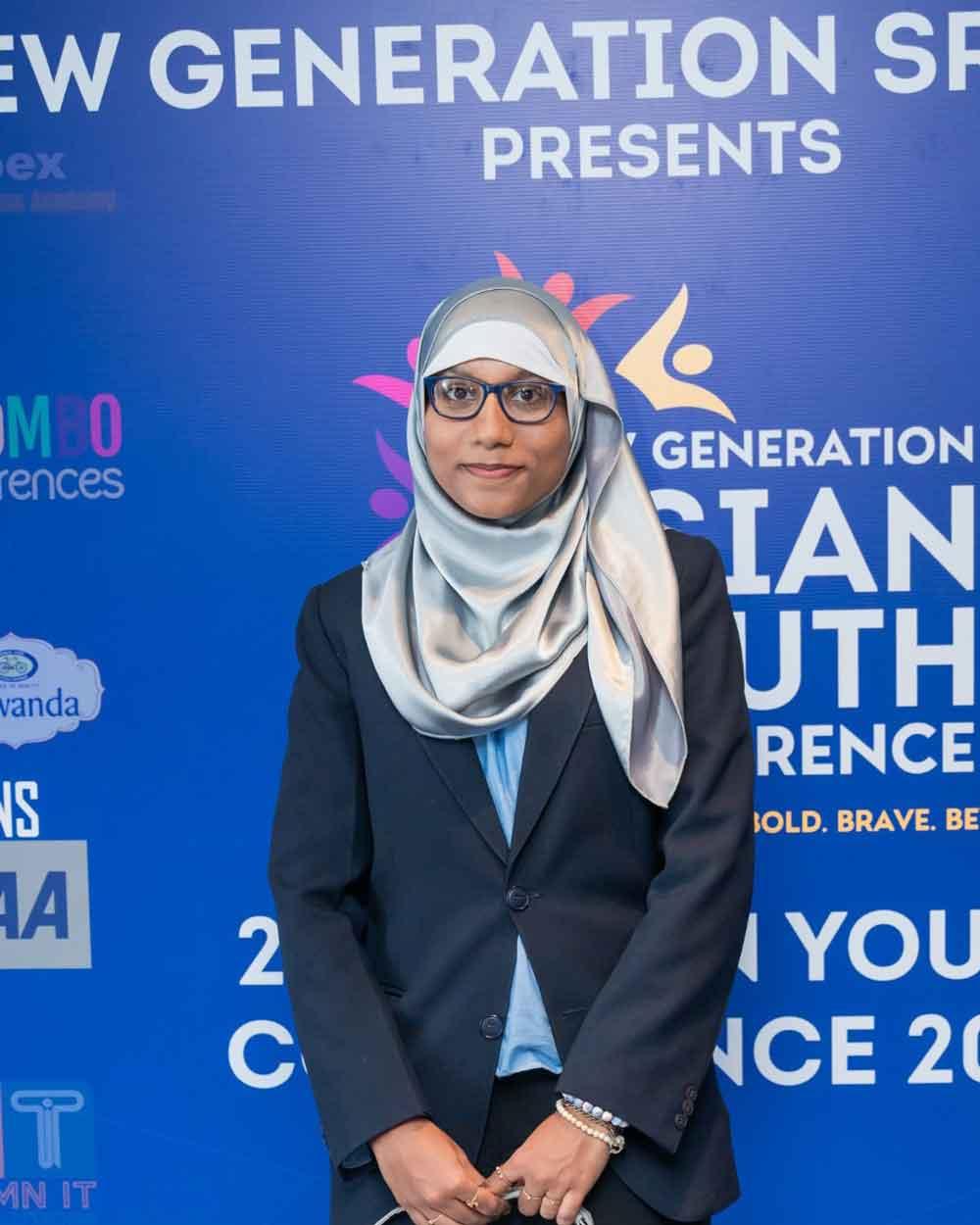
I definitely had to develop it. One of my biggest challenges was simply allowing myself to step into the spotlight. Leading Game Changers meant being responsible not only for my own contribution but also for helping the team work together, find its rhythm and develop as a group. Co-hosting the second Asian Youth Conference in 2025 was another experience entirely. Speaking on stage in front of an unfamiliar audience felt very different from presenting at school. There were moments when I felt nervous, particularly when unexpected situations arose or when I realised other people were depending on me. But those experiences changed how I understand confidence. I used to think being confident meant not feeling afraid. Now I believe it means being willing to act despite those feelings. Looking back, I am proud that I accepted those opportunities, even when they made me uncomfortable. I would rather remember being nervous and trying than regret not having tried at all.
Q: From netball and athletics to being the only girl on the football pitch, sport has been an important part of your life. What has competition taught you about handling pressure and disappointment?
Sports have shaped a significant part of my personality and taught me lessons that I carry into almost everything I do. One of the biggest lessons is that you cannot always expect to win. Sometimes, despite your preparation and effort, things simply do not go your way. There are moments when you feel exhausted, frustrated or disappointed with your performance, but you still have to continue. Being involved in different sporting environments taught me discipline and resilience. It also taught me not to allow discomfort to become an excuse to stop trying. I apply that same mentality to my education, work and other commitments. There are times when everything feels overwhelming or when plans do not unfold as expected. During those moments, I remind myself to stay focused, adapt and keep going. I think sport has helped me become more comfortable with challenges because it has shown me that setbacks are inevitable. What matters is how you respond and whether you are willing to keep improving.
Q: You have participated in community initiatives, including HelpAge Sri Lanka and the Colombo Literary Festival. Has your understanding of making a meaningful contribution changed over time?
I do not think making a meaningful contribution necessarily requires doing something extraordinary. My first experience with community involvement came through school, when I participated in fundraising activities. At that age, I did not fully understand the cause we were supporting, but I knew that raising funds could help someone. Looking back, I realise that was an important starting point. As I became involved in different initiatives, I began to understand that purpose can take many forms. It might involve raising awareness, sharing knowledge, contributing your skills or simply being willing to help. I think young people sometimes put unnecessary pressure on themselves to discover a grand purpose before taking action. But you do not need to have everything figured out to make a difference. For me, purpose is about recognising where you can contribute and being willing to start, even in a small way. Your understanding of what matters to you can develop as you gain more experience.
Q: Between your foundation studies at AIC Campus, working at Brands In Style and your extracurricular commitments, how do you manage competing responsibilities without becoming overwhelmed?
I would not say that balancing everything has been easy. There are definitely moments when the demands of education, work and other commitments become difficult to manage. However, I think I have become much better at understanding my responsibilities and recognising what needs my attention. Working on organising committees has taught me an important lesson about accountability. When you are part of a team, failing to complete your responsibilities does not affect only you. It can also delay someone else's work or affect the progress of an entire project. That realisation encouraged me to take deadlines and commitments more seriously. I have also learnt that time management is not simply about fitting activities into a schedule. It is about understanding your priorities and communicating honestly with the people around you. I am still learning how to manage everything effectively, but these experiences have helped me become more disciplined and conscious of the consequences of my decisions.
Q: You have acknowledged that failure has been one of your most important teachers. Was there a time when disappointment forced you to reconsider how you approached opportunities?
For a long time, I had a habit of participating in things only when I felt confident that I would succeed. I was comfortable with situations where I knew I could perform well, and I tended to avoid opportunities where the outcome was uncertain. Eventually, I experienced a failure that mattered deeply to me. It affected me much more than I expected because I was not accustomed to dealing with that kind of disappointment. For a while, it felt incredibly difficult to move past it. But I eventually realised that experiencing failure was something I needed. I could either continue avoiding situations where I might not succeed or learn how to handle disappointment.
That experience changed my perspective. I am now more willing to take chances without knowing exactly how things will turn out. I still make mistakes, and I know I will make many more. But I no longer see every setback as a defining failure. I try to treat those moments as experiences that can teach me something. Making a mistake is not necessarily the problem. Refusing to learn from it is.
Q: As you move into adulthood, there can be pressure to have a clear career path and a defined idea of success. How are you approaching the uncertainty of what comes next?
I was raised with the understanding that I do not need to have my entire future figured out at nineteen, and I think that has been an important mindset for me. I want to give myself the freedom to explore different interests, discover my strengths and understand what kind of impact I would like to make. I believe there is a difference between not having everything figured out and having no direction. You can be uncertain about your final destination while still making meaningful progress. For me, that means continuing to learn, accepting opportunities that challenge me and remaining open to experiences that might lead somewhere unexpected. I would encourage other young people not to wait until they feel completely ready before trying something new. You will make mistakes, experience self-doubt and sometimes question your decisions. But those experiences are part of discovering who you are. Some of the opportunities that make you most nervous may ultimately help shape the person you aspire to become. My advice would simply be to take that first step. You might discover something about yourself that you never would have known otherwise.