Surangie Dunuwille: Championing Leadership, Empowering Women and Elevating Sri Lankan Hospitality
HER STORY. HER STRENGTH. BY: DR. SULOCHANA SEGERA
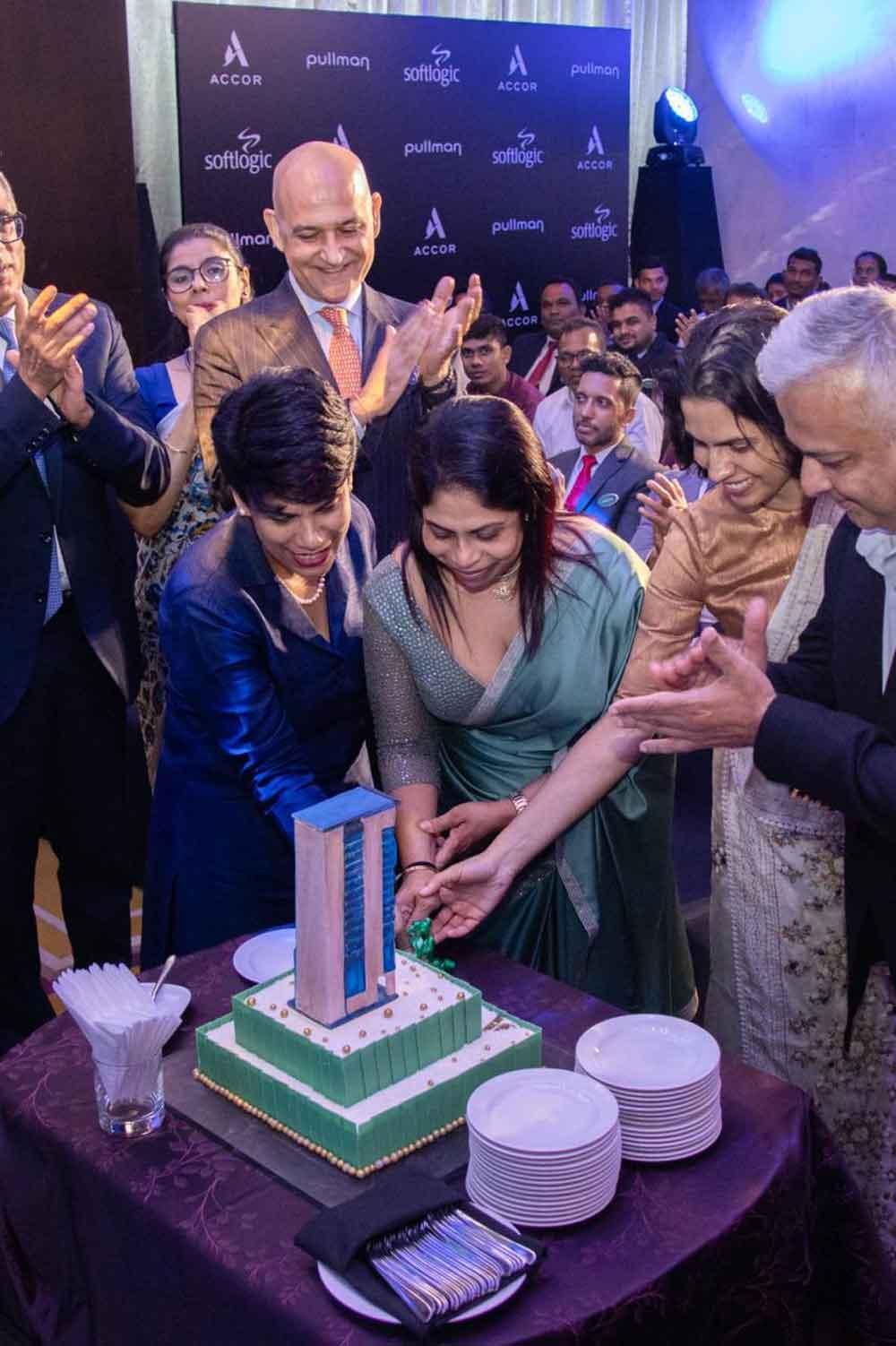
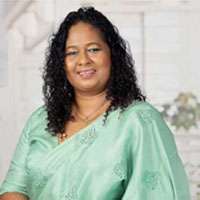
With more than 25 years of experience in hospitality and tourism, Surangie Dunuwille has established herself as a respected commercial leader whose career reflects determination, adaptability and a passion for people. From her early training at the Ceylon Hotel School in Kandy to working with internationally renowned hospitality brands, her journey has been shaped by continuous learning, strategic thinking and a commitment to excellence. Today, as Cluster Director of Sales for Pullman Colombo Downtown and Pullman Bentota Resort & Spa, she plays an important role in strengthening the brand's presence while promoting Sri Lanka as a world-class tourism destination. Beyond commercial success, she is a strong advocate for inclusive leadership, professional development and creating greater opportunities for women in hospitality. In this interview, she reflects on her professional journey, the lessons that have shaped her leadership philosophy, and her vision for the future of Sri Lankan tourism and the next generation of women leaders.
Every successful woman has a story beyond her professional title. What inspired you to pursue a career in hospitality and tourism?
Hospitality was never simply a career choice for me. It gradually became my passion and purpose. From the beginning, I was fascinated by the industry's dynamic environment, the opportunity to interact with people from different backgrounds and the ability to create memorable experiences. Over the past 25 years, I have worked across hotel operations, sales, event management, tour operations and commercial leadership. Each experience has strengthened my belief that hospitality is fundamentally about people and meaningful connections. Representing international hotel brands while promoting Sri Lanka globally has been particularly fulfilling. Today, my motivation extends beyond selling rooms or organising events. It is about showcasing our country's warmth, talent and extraordinary tourism potential to international audiences.
Looking back at your early days at the Ceylon Hotel School in Kandy, did you imagine reaching the leadership positions you hold today?
When I joined the Ceylon Hotel School in Kandy, my ambitions were relatively simple. I wanted to learn, gain practical experience and build a meaningful career in hospitality. I did not necessarily imagine myself occupying senior leadership positions. However, I possessed curiosity, determination and a willingness to embrace opportunities. As my career progressed, mentors, colleagues and professional challenges helped broaden my perspective. I gradually understood that leadership was not merely about achieving a prestigious designation. It was about empowering people, developing resilient teams and contributing positively to the industry. Looking back, I am grateful for every opportunity and challenge because each experience contributed to my professional and personal growth.
Having worked with internationally recognised hotel brands, what have these experiences taught you about leadership and excellence?
Working with internationally recognised hospitality brands has exposed me to different organisational cultures, global standards and commercial strategies. One of my greatest lessons is that excellence is not achieved through occasional extraordinary efforts. It comes from consistency, attention to detail and maintaining exceptional service standards every day. These experiences also shaped my leadership philosophy. I believe effective leaders must demonstrate integrity, adaptability and empathy while leading by example. Leadership involves listening, recognising individual strengths and creating an environment where employees feel confident taking responsibility. International standards are undoubtedly important, but genuine hospitality also requires warmth, passion and collaboration. Combining these qualities creates memorable guest experiences and sustainable organisational success.
Your tenure at Shangri-La Hambantota was an important chapter in your career. What contributed to your success in driving revenue growth?
My experience at Shangri-La Hambantota remains one of the most rewarding periods of my professional journey. Our achievements resulted from strategic market positioning, strong business relationships and an exceptionally committed team. As a destination resort, Hambantota required innovative approaches to attracting international visitors. We explored emerging source markets, strengthened partnerships and diversified our business across luxury leisure, corporate travel, MICE and destination events. I have always believed that successful sales leadership involves much more than achieving monthly targets. It requires understanding market trends, anticipating customer expectations and developing lasting partnerships. Most importantly, sustainable revenue growth depends on motivated employees who understand and believe in a shared vision. That experience reinforced my conviction that commercial success comes from combining strategic thinking, adaptability and empowered teamwork.
As Cluster Director of Sales for Pullman Colombo Downtown and Pullman Bentota Resort & Spa, what are your priorities for strengthening the brand in Sri Lanka?
My primary objective is to position both properties as leading hospitality destinations while strengthening Pullman's presence in Sri Lanka and international markets. Because the properties serve different market segments, our commercial strategies are tailored accordingly. For Pullman Colombo Downtown, our priorities include corporate travel, MICE, international business and developing long-term relationships with corporate clients, embassies and trade partners. For Pullman Bentota Resort & Spa, we focus on international luxury leisure travellers, emerging markets, incentive groups and destination events. We are also strengthening relationships with Destination Management Companies, tour operators and international travel networks to generate sustainable demand. Equally important is developing a motivated, resilient sales team capable of delivering consistent results. Ultimately, our responsibility extends beyond promoting individual hotels. We are contributing to Sri Lanka's positioning as a competitive and attractive international tourism destination.
How has the role of women in Sri Lanka's tourism industry evolved over the past two decades?
The transformation has been encouraging. When I entered the industry, women certainly contributed to hospitality, but opportunities to progress into senior executive positions were comparatively limited. Today, women are increasingly demonstrating their capabilities across commercial strategy, revenue management, hotel operations and executive leadership. There is greater recognition of women's strategic thinking, professional expertise and ability to lead successful teams. Nevertheless, progress must continue. Leadership opportunities should be determined by competence, commitment and character rather than gender. I strongly believe established female leaders have a responsibility to mentor, encourage and support younger women entering the industry. By sharing experiences and creating opportunities, we can help the next generation develop confidence and pursue ambitious careers. I hope my journey demonstrates that determination, resilience and continuous learning can open doors to meaningful leadership opportunities.
How have you balanced demanding professional responsibilities with family life and personal priorities?
Balancing an executive career in hospitality with personal responsibilities is an ongoing process. The industry demands flexibility, dedication and the ability to respond to unpredictable situations. Consequently, maintaining balance requires conscious decisions and clear priorities. I have learned that work-life integration does not necessarily mean allocating equal time to everything. Instead, it means being fully present and committed to whichever responsibility requires attention. My family has been an invaluable source of encouragement and support throughout my career. Professionally, I have also learned the importance of delegation and trusting colleagues to make decisions. Building capable teams creates organisational efficiency while allowing leaders to maintain their personal wellbeing. I believe women should feel empowered to pursue fulfilling careers without sacrificing the relationships and values that matter most to them.
How can hotel leaders establish respectful workplaces where employees are treated fairly, regardless of gender, position or background?
A respectful workplace begins with leadership. The behaviour, communication and decisions of senior management establish the standards followed throughout an organisation. Every employee deserves dignity, fairness and opportunities for professional development, regardless of their background or position. Hospitality depends on collaboration between numerous departments, and every role contributes to the overall guest experience. Leaders must therefore recognise individual contributions and ensure advancement opportunities are based on merit and potential. Creating psychological safety is equally important. Employees should feel comfortable expressing ideas, raising concerns and participating in discussions without fear of unfair treatment. Active listening, transparency and empathy help build trust across teams. When people feel genuinely valued and respected, they become more engaged, motivated and committed to delivering exceptional service.
What should Sri Lanka prioritise to attract more international visitors and strengthen high-value tourism?
Sri Lanka possesses extraordinary tourism potential through its beaches, wildlife, cultural heritage, wellness traditions and authentic hospitality. However, our future strategy should focus not only on increasing visitor arrivals but also on attracting high-value travellers who stay longer, explore more destinations and contribute meaningfully to local communities. Achieving this requires consistent international destination marketing and stronger collaboration between government institutions, airlines, hotel operators and tourism stakeholders. Improved air connectivity and seamless visitor experiences are also essential. Sri Lanka should further develop specialized tourism segments, including MICE, destination weddings, wellness retreats, Ayurveda, adventure tourism, cruise travel and extended leisure holidays. Today's discerning travellers increasingly seek personalised experiences and genuine cultural connections rather than luxury accommodation alone. By combining international service standards with authentic Sri Lankan experiences and sustainable tourism practices, we can strengthen our position as one of Asia's most compelling destinations.
What legacy would you like to leave for the next generation of women pursuing careers in hospitality and tourism?
I would like my legacy to be defined by courage, opportunity and empowerment. I want young women entering hospitality to understand that ambition and empathy can coexist. They can become confident, decisive leaders while remaining authentic and compassionate. Throughout my career, I have realized that leadership is not measured solely by professional achievements or senior positions. Its true value lies in developing others, sharing knowledge and creating opportunities for people to realize their potential. I hope to encourage more women to pursue leadership positions, challenge limitations and support one another throughout their professional journeys. If my experiences inspire even a few young women to dream bigger, believe in themselves and contribute to Sri Lanka's tourism industry, I would consider that a meaningful and lasting accomplishment.