SISTER ACT: FOLLOWING IN THEIR MOTHER’S FOOTSTEPS Thilini and Onali Silva on Sisterhood, Style and Finding Their Own Place in Fashion
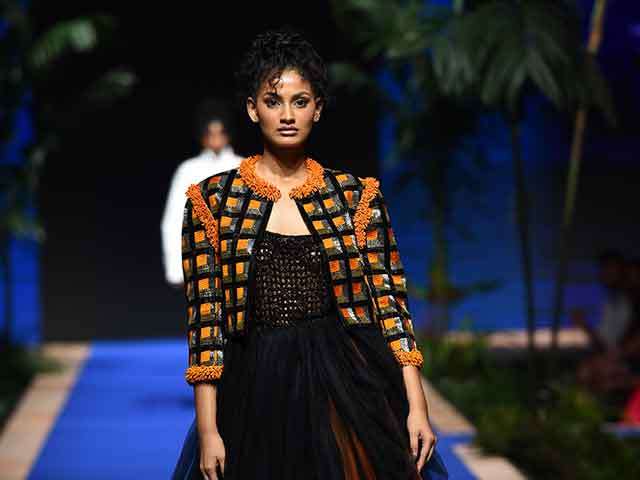
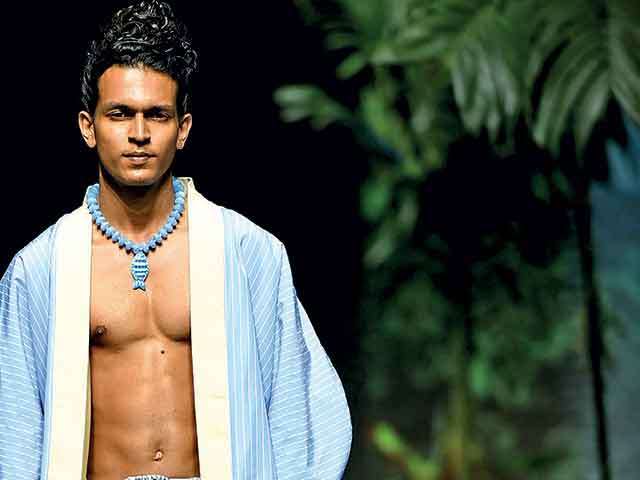
I have watched Thilini and Onali Silva grow up from two little girls running around their mother’s atelier, surrounded by fabrics, fittings and the beautiful chaos of creativity, to confident young women showcasing their own collections on the runway. Following in their mom’s footsteps, the daughters of Sri Lankan designer Nilanka Silva have inherited her passion for fashion, dedication to craftsmanship and remarkable work ethic. Yet what makes their journey particularly special is how differently they have chosen to express themselves. Thilini embraces colour, playful prints and effortless femininity, while Onali gravitates towards understated elegance, fluid silhouettes and thoughtful construction. Having known the girls since childhood, witnessing their transformation into designers in their own right has been both heartwarming and inspiring. As they continue to carve out their individual identities, the sisters share the memories, challenges, creative differences and dreams that have shaped their journey, revealing a story of family, fashion and sisterhood.
 Sister Act
For Thilini and Onali Silva, fashion has always been more than beautiful clothes and glamorous runway shows. It was the backdrop to their childhood, the language of their home and, perhaps without either realising it, the foundation of their futures. Their mother, Nilanka Silva, created an environment where fabrics, sketches, sewing machines and conversations about design were part of everyday life. Today, both daughters are making their own mark on Sri Lankan fashion, bringing distinctly individual perspectives to the industry. Their recent appearance at Mercedes Benz Fashion Week was particularly meaningful. Although both have previously experienced the runway, sharing the platform as sisters, each presenting her own collection, was a celebration of their individual journeys and shared beginnings. Thilini, the older sister, is expressive, outgoing and drawn to vibrant colours and playful patterns. Onali, more reserved by nature, finds beauty in simplicity, deconstructed forms and muted palettes. Their aesthetics may differ, but their appreciation for craftsmanship, hard work and the emotional connection between a designer and her clients remains firmly rooted in the values their mother instilled in them. In this conversation, the sisters reflect on growing up in their mother's atelier, the pressures of Fashion Week, their creative differences and the possibility of one day establishing a family fashion house.
What did it feel like to share the Mercedes Benz Fashion Week platform as sisters, each presenting your own creative vision? Was there a particular moment when the significance of it really sank in?
Thilini: Honestly, it was complete chaos at home and at the workshop before the reality of everything finally sank in! There was so much happening and so many little details to think about that I don't think we had time to appreciate the significance of the moment until we were actually there. I remember sitting and watching my sister's collection come down the runway and feeling incredibly proud of her. I have seen firsthand how hard she works and how much attention she pays to every little detail. She is such a perfectionist, and I think she definitely gets that from our mum!
Watching her vision come to life was very emotional because I knew how much work she had put into it. It was a privilege to see her collection on the runway and to know that we were sharing the same platform, each presenting something completely our own. It was a really special moment as sisters.
Onali: Sharing the platform as sisters was a really special experience. Although we have very different creative visions and styles, being able to share that space and support each other made it even more meaningful. There is something beautiful about watching someone you have grown up with develop her own identity as a designer and then seeing both your journeys come together on the same stage. I think seeing both our collections come to life on the runway was when it really sank in. There is so much hard work, emotion and creativity that goes into creating a collection, so seeing everything come together was incredibly rewarding. More than anything, it was a proud moment for us, both as designers and as sisters.
Thilini, you have already developed a distinctive design identity. How did it feel to see your individual aesthetics presented together, and were you excited about the contrast between your collections?
I was actually really excited about it because we have quite different styles and personalities, and I felt that really came through on the runway. I think it is wonderful that we can grow up in the same home, learn from the same person and be surrounded by similar influences, yet interpret fashion so differently. For me, that is what makes creativity interesting. There isn't one correct way of doing things, and you don't necessarily have to share the same aesthetic to appreciate somebody else's work. It was lovely to see how we could each bring our individual creative visions to the same platform.
Onali, take us back to those final moments before your collection appeared on the runway. What was going through your mind, and how did the experience compare with your first Fashion Week show in 2022?
My debut show was actually back in 2022 at Mercedes Benz Fashion Week, but I don't think the emotions ever really change. There is always a mixture of excitement, nervousness and a little anxiety in those final moments before the first look comes out. You have spent so much time working on a collection, thinking about every detail and imagining how everything is going to look. You want everything to come together exactly as you envisioned it, and naturally there is that fear that something might not go according to plan. At the same time, there is so much happiness and relief in finally being able to share your work with everyone and see their reactions. I think that mixture of emotions is what makes the entire experience so special.
Onali, your collection reflected a very distinctive aesthetic. Tell us about the inspiration behind it and what you wanted people to understand about you as a designer.
The collection was really a reflection of who I am and how I see fashion. I have always been drawn to simplicity, cultural influences and the little details that make something feel different and personal. I wanted to create something that felt modern and effortless but still had a sense of identity and meaning behind it. I don't think fashion always needs to be loud to make a statement. Sometimes the simplest pieces can say the most, particularly when there is something unexpected in the construction, silhouette or detailing.
More than anything, I wanted the audience to get a sense of me through my work. I wanted the collection to feel honest to who I am as a designer. I am still learning, experimenting and finding my voice through every collection I create. I think that is an important part of the process.
Thilini, your work has evolved over the years, particularly in terms of wearability and colour. How would you describe that evolution, and what have you learnt about balancing creativity with practicality?
I think my style and technique have evolved quite a bit over the years. Retailing at PR and receiving feedback from Annika Fernando have really helped me refine my designs and create pieces that are more wearable and consistent. That is something I have consciously been working towards. My goal has always been to create beautiful designs that are comfortable and easy to wear. I love colour, interesting combinations and pieces that have personality, but I also want women to feel comfortable when they put them on. I think there is a difference between creating something that looks beautiful on a runway and creating something a woman will genuinely enjoy wearing. I also feel that my colour combinations have become more mature and considered over time, while still staying true to the identity of TSS. I don't want to lose the playful quality that makes my designs recognisable, but I do want them to continue evolving.
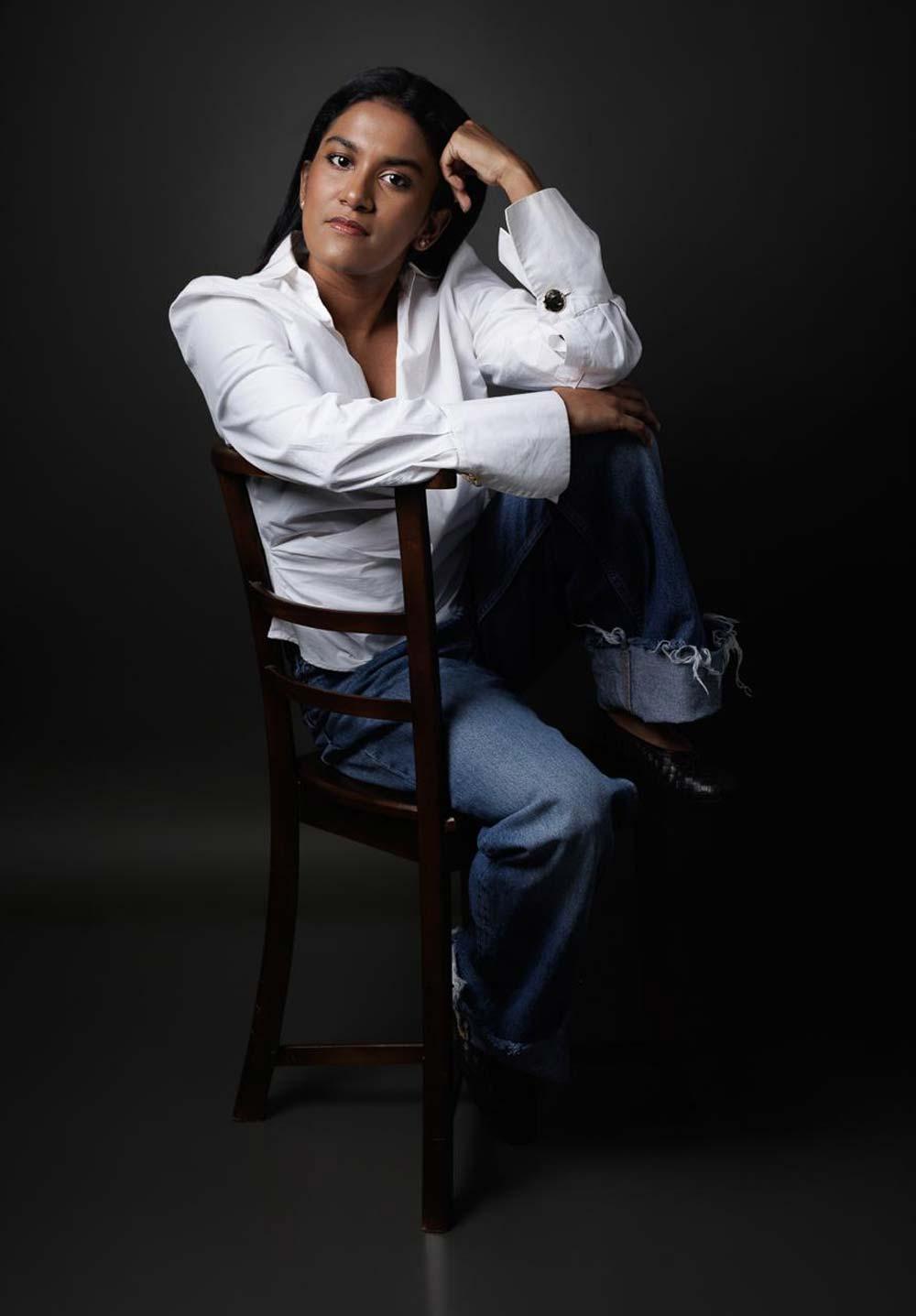
If you each had to choose one look from your respective collections that best represents who you are as designers today, what would it be?
Thilini: That is a difficult one because I have a few favourites! I think I would choose the olive shirt dress with the leopard belt. It is a flared, comfortable dress that can be styled very easily, and I love that versatility. I also really like the black leopard slip dress because it has a fun edge to it. I think both pieces reflect different sides of my aesthetic. I love clothes that women can enjoy wearing, pieces that feel feminine and comfortable but still have something interesting about them.
Onali: I would choose the first look of my collection because it is something I would genuinely wear myself. I always try to design pieces that feel true to me and reflect my own personal style. There is something special about creating clothes that you not only love designing but can actually imagine yourself wearing. It makes the entire process more personal because you are putting a part of yourself into the work. I think that first look really represents me as a designer today.
Let's go back to your childhood. With your mother, Nilanka Silva, being such an important influence in your lives, what are your earliest memories of fabrics, fittings, sewing machines and the creative environment you grew up in?
Thilini: One of my favourite memories is going shopping in Pettah with my mum. I was always the child who wanted to tag along with her, and I think I still am! We are pretty much inseparable. I loved walking through those tiny shops, looking at fabrics and discovering different colours and textures together. At home, we were given so much creative freedom. Art and fashion were very much a part of our lives, and we were encouraged to explore our interests. I also remember cutting up my mum's Vogue and ELLE magazines! Definitely not my proudest moment, but I suppose you learn from your mistakes! Looking back, I realise how lucky we were to grow up in an environment where creativity was so natural and accessible.
Onali: Some of my earliest memories are of watching my mum sew, especially when she started her own business and was making custom pieces for her clients. I remember seeing how much her clients loved her work and how happy they were wearing something she had created. Even as a child, there was something really special about seeing how a garment could make another person feel beautiful and seen. I think that stayed with me and became one of the reasons I fell in love with designing. I used to take the box that covered her sewing machine and pretend it was my own little machine. Mum would help me make clothes for my Barbies, and eventually I started trying to make them myself using her leftover fabric scraps. I also remember helping her design her children's collection with my sister. We had so much fun coming up with ideas together. What makes those memories even more special is that Mum still helps us with our work today. I honestly couldn't have done this collection without her advice and support. I think I learnt far more from simply watching her than I realised at the time.
Onali, with both your mother and older sister working in fashion, did you always know you would follow a similar path, or did you have to discover that designing was something you genuinely wanted for yourself?
Onali: I think I always knew I wanted to do the same thing, even when I was very young. Growing up with my mum and sister in the fashion industry, it was such a natural part of my life. I was constantly surrounded by it, and I think I fell in love with fashion without even realising it. But as I got older, I began to understand that it wasn't simply because this was what my family did. I genuinely loved creating things and expressing myself through clothes. Having Mum and Thilini around definitely inspired me but discovering my own aesthetic and understanding how I wanted to express myself creatively made it feel like my own path.
You are sisters, but your personalities and design sensibilities are quite different. How do those differences translate into your collections, and where do you find common ground?
Thilini: I think our designs really reflect our personalities. We are quite different in the way we think and approach things creatively, but then there are those little moments that remind us we are sisters, like when we end up fighting over clothes or fabric! We have our own individual styles and ways of working, but there is a deeper connection between us that doesn't always show on the surface. Even when we disagree about something creatively, we understand each other because we have grown up sharing so many experiences.
Onali: We have been very different ever since we were children. My sister has always been the more outgoing, extroverted one, while I have always been the shy, laid back one. I think that still shows in our collections. Thilini's aesthetic is more flamboyant and has a lot of flair, just like her personality. She gravitates towards brighter colours and exotic patterns. Mine is almost the complete opposite. I am more interested in deconstructed forms, fluid structures and silhouettes, and muted colour tones. Even though we have different approaches, we respect each other's eye and often turn to one another when we experience a creative block. The similarities come from growing up in the same environment, learning from Mum and being surrounded by fashion from such a young age. We share the same love for creating things and putting a little bit of ourselves into everything we do.
Creative families can be wonderfully supportive, but I imagine they can also be very opinionated! How honest are you with each other when it comes to design, and who is more likely to stand her ground?
Thilini: Definitely my sister! She really stands her ground, both in fashion and in life. She may be the younger one, but I genuinely look up to that quality in her. I am a little more easy-going and tend to find ways to work around things, whereas Onali knows exactly what she wants. She would probably look at some of my ideas and say, "Ewww, what's that?” But we do talk things through and value each other's opinions. We are always open to taking each other's advice when we need it.
Onali: We definitely voice our opinions about each other's work! My aesthetic is very different from both Mum's and Thilini's, so whenever one of them suggests that a piece should be changed or altered, sometimes I take that as a sign that I am committing to my own aesthetic. Although my sister and I are very close emotionally, we definitely want to stand out creatively. If I don't like a piece of hers, I will tell her straight away that it isn't working, and she would do exactly the same with me. We don't take it too seriously because we understand each other and know that the honesty comes from a good place.
Your mother has clearly been your greatest influence. Beyond teaching you about fashion and craftsmanship, what is the most valuable lesson she has passed on, and how does it influence the way you work today?
Thilini: One thing my mum has always taught me is that, as a designer, your goal should be to make every woman feel beautiful in her own skin. We all come in different shapes and sizes, and I think it is important to create designs that make women feel comfortable and confident in who they are. For me, seeing a woman's face light up and the smile she gets when she puts on a dress is what makes everything worthwhile. That emotional connection is so important. It reminds you that fashion isn't simply about creating something beautiful. It is about how that piece makes someone feel. That is something I have always held on to, and it is a value I want to carry forward throughout my journey as a designer.
Onali: The biggest lesson Mum has taught me is definitely the value of hard work and staying true to yourself. I have watched how much love and effort she puts into everything she creates, how hard she works and how important her relationships with her clients are. She has taught me that it isn't just about making beautiful clothes. You also need to build relationships with the people who wear them and understand how your work makes them feel. I think what Thilini and I are trying to do differently is establish our own identities as designers. We have grown up learning so much from Mum, but we also want to explore our own aesthetics and tell our own stories through our work.
Onali, creating a collection for Fashion Week can be an intensely personal experience. What was the biggest challenge you faced, and how did you overcome those moments of self-doubt?
The biggest challenge was trying to bring everything I had in my head to life and hoping it would all come together the way I imagined. There were definitely moments when I doubted myself, especially because there were so many little details to consider and I wanted everything to be just right.
I am a perfectionist, so I can be quite hard on myself. Fashion Week comes with so many emotions because you put so much of yourself into a collection. There is always that fear of whether people will understand or connect with what you have created. What really helped was having Mum and Thilini by my side throughout the process. Their advice and support meant so much to me, and I honestly don't think I could have done it without them. At the end of the day, I had to trust myself, trust the work I had put in and remind myself why I started designing in the first place.
Thilini, sustainability has become an increasingly important conversation in fashion. One of your runway pieces incorporated leftover fabric. Tell us how that idea came about and why working responsibly matters to you.
Sustainability has always been an important part of my label. I have tried to work with 100% cotton fibres and biodegradable fabrics wherever possible, so throwing away even the tiniest fabric scraps has never really sat well with me. Each piece of fabric is beautiful in its own way, and I always feel there must be something more that can be done with it. I used to make little tops for the PR pop ups down south, and I noticed how much people loved them. Not everyone could invest in the larger pieces, so it was lovely to create something smaller and more accessible that they could still take home and keep. Over time, I found myself holding on to these little pieces of fabric because, in a way, each one had its own story. The idea of patching them together into a dress came quite spontaneously. I wanted to experiment with something different and see what I could create from what I already had. I was really happy with how it turned out. It felt wonderful to give those leftover fabrics a new life and turn something that might otherwise have gone to waste into something beautiful for the runway.
Fashion is often seen as glamorous, particularly when we see the finished collections on the runway. What do you wish people understood about the less glamorous realities of building a fashion label in Sri Lanka?
Thilini: One reality that isn't talked about enough is the challenge of pricing a garment fairly. People don't always realise how much work, time and craftsmanship go into creating a piece, especially when you are a young designer working with expensive fabrics and intricate details. Sometimes those factors aren't fully considered when it comes to pricing. Thankfully, I haven't personally faced this challenge as much because working with PR has given me the opportunity to work with people who truly understand and appreciate the time, effort and skill that go into creating each garment.
Onali: There is definitely so much more to fashion than simply designing clothes. You are constantly trying to figure things out, working with the limited resources available in Sri Lanka and learning how to turn your ideas into something real and practical while also making the business financially sustainable. It can be challenging because you put so much of yourself into your work, but at the same time you are trying to build a business. There isn't really a guidebook that tells you how to do everything. A lot of the time, you are learning as you go, making decisions and discovering what works. I am still figuring things out for myself, but I think that is part of the journey.
Thilini, as the older sister, have you naturally taken on the role of mentor to Onali? And Onali, what is something your sister has taught you that has genuinely stayed with you?
Thilini: I don't think I have necessarily been a mentor to her. Onali has a mind of her own and knows what she wants, and I think that is a wonderful quality to have as a designer. Of course, when she asks for advice, I try to share a little practical knowledge wherever I can. But for the most part, I let her do her own thing and find her own way. I think having that creative independence is important, especially when you are trying to develop your own identity.
Onali: I think people see Thilini as a designer, but to me she is my big sister, and that is a side of her people don't always get to see. She is always there to give me advice. One thing she has told me that has really stayed with me is to design pieces that can actually be sold. As designers, we can get so caught up in creating things that we love and thinking outside the box that we sometimes forget about the practical side. She has taught me the importance of thinking about the business as well. That is probably something I struggle with more, and I am still learning how to balance creativity with commercial considerations. It is really nice having someone who understands the industry, can be honest with me and still support what I do.
What is one thing you admire most about each other that people may not necessarily see?
Thilini: I really admire Onali's determination and the way she stands her ground. She knows exactly what she wants and has the strength to pursue it, even when other people might have different opinions. Watching her vision come to life on the runway was definitely one of my proudest moments. I have always admired her hard work and the attention she pays to the smallest details. She is my little sister, but there are qualities in her that I genuinely look up to.
Onali: For me, Thilini will always be my big sister first. People see her work and her personality, but they don't necessarily see how supportive she is behind the scenes. She is someone I can turn to for advice, especially when I need a different perspective. She understands what I am going through because she has experienced many of the same challenges herself. I really value that she can be completely honest with me while still wanting me to succeed.
You have both spoken about the possibility of one day creating something together with your mother. Is the dream of a family fashion house still alive, and how do you imagine three such distinct creative personalities working under one roof?
Thilini: It is definitely still the dream, although I don't know how Mum and Onali feel about it! I would love for us to build something together one day. We have very different styles, ideas and ways of working, so I think it would be an interesting experience. We also have our fair share of arguments when we work together! But I think there is something special about the idea of bringing our individual strengths together and creating something as a family.
Onali: It is most definitely still part of the dream. I think it would be really special to build something with my mother and sister. We all have such different styles, and I feel that combining all three could create something very interesting. It is something we have been talking about recently, so it is exciting to imagine what the future might hold. I think the fact that our aesthetics are so different could actually be one of our greatest strengths.
Finally, when we sit down for another conversation five years from now, what would you each like to have achieved, both personally and professionally?
Thilini: In five years, I really hope we have built a fashion house together. I would love for us to collaborate, even though we have very different styles, ideas and ways of working. Of course, knowing us, there would probably be quite a few arguments along the way! But I think that is part of being sisters and part of the fun of working together. I suppose we will have to wait and see how it all unfolds, but creating something together as sisters would be very special.
Onali: Five years from now, I hope I have grown a lot more as a designer and that my label has grown with me. I would love to expand internationally. Actually, not maybe. Definitely! I want to continue developing my own aesthetic, learning more about the industry and becoming more confident in my creative decisions. And I would absolutely love to collaborate with my sister and mum and build a fashion house together. Because we have such different aesthetics, I think we could bring something genuinely different to the table and create something none of us would necessarily have imagined on our own. That is definitely something I look forward to working towards in the future.
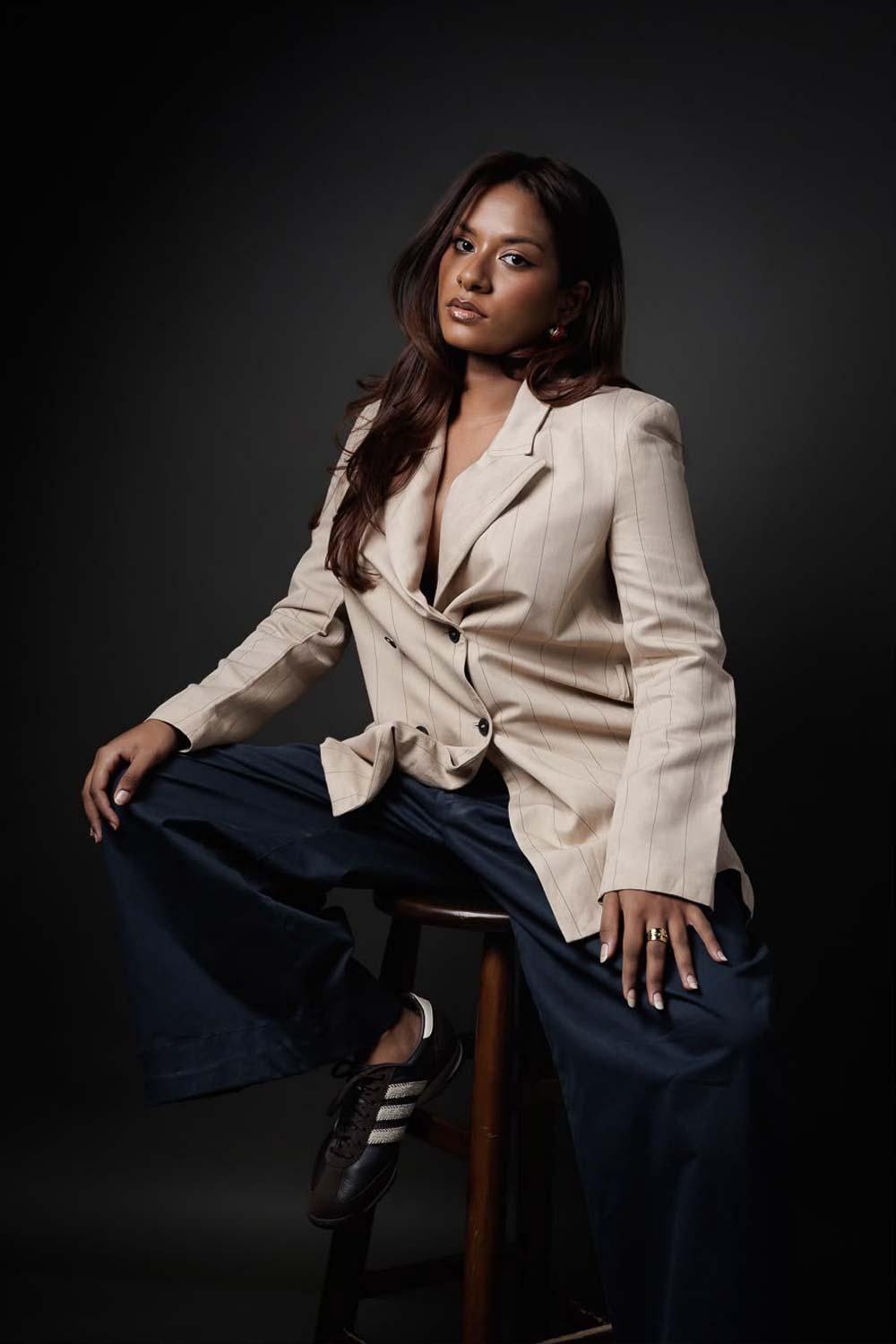
As our conversation comes to an end, I find myself thinking once again of those two little girls in their mother's atelier. The fabrics they played with, the sewing machines they watched and the lessons they absorbed without even knowing it have all become part of their creative identities. What strikes me most is that neither sister is simply trying to replicate her mother's success. They are following in her footsteps while discovering where their own paths might lead. Thilini has found joy in colour, individuality and creating clothes that women genuinely want to wear. Onali is exploring a quieter, more architectural approach to fashion, one that reflects her thoughtful personality and fascination with form. They are different, occasionally argumentative, wonderfully honest with one another and clearly proud of each other's achievements. For those of us who have known them since childhood, watching their journey is particularly special. The little girls who once played among the fabrics are now creating collections of their own, carrying forward their mother's values while making space for their own dreams. And perhaps one day, those dreams will come together under the roof of a family fashion house, bringing their story beautifully full circle.
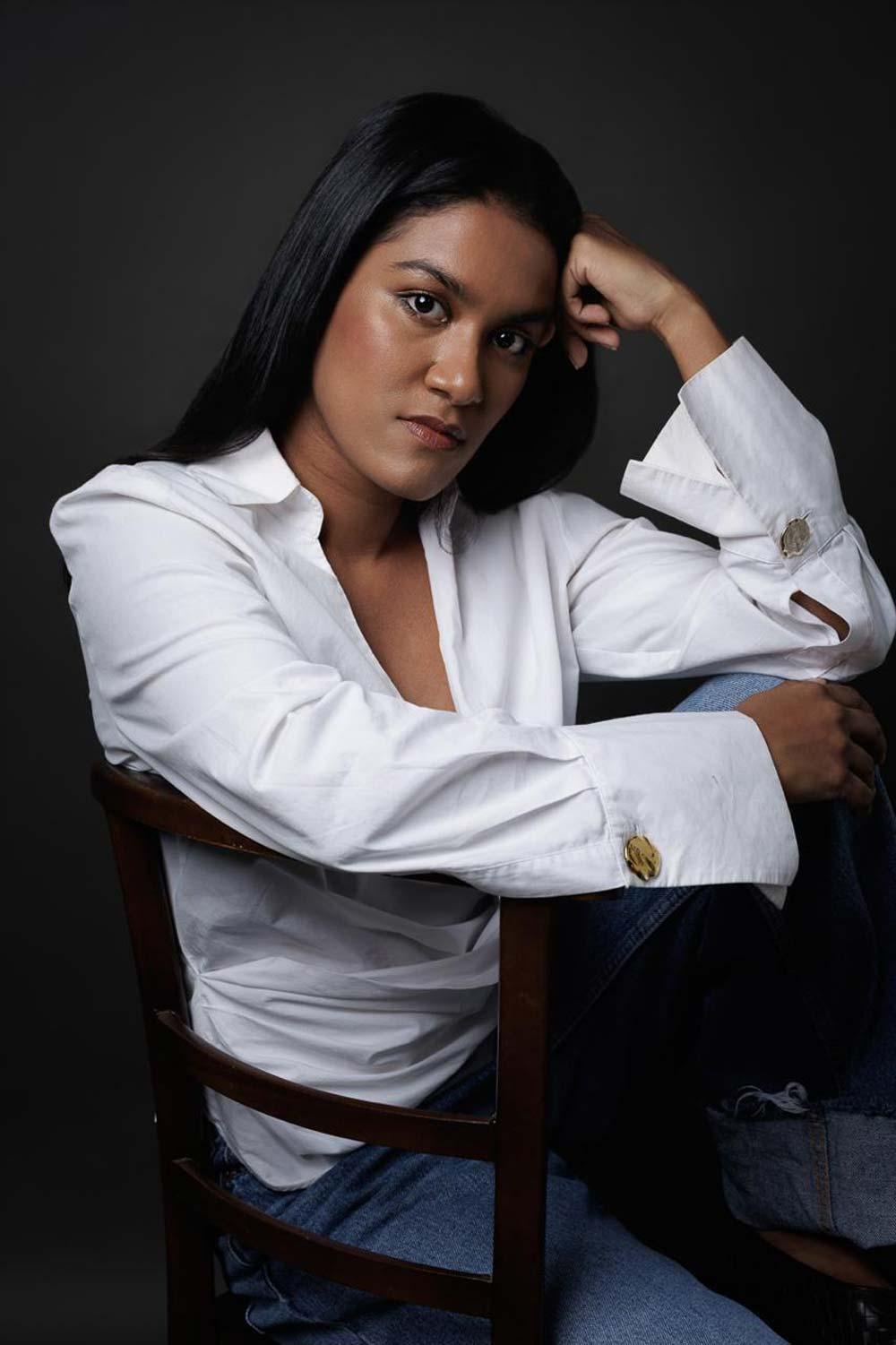
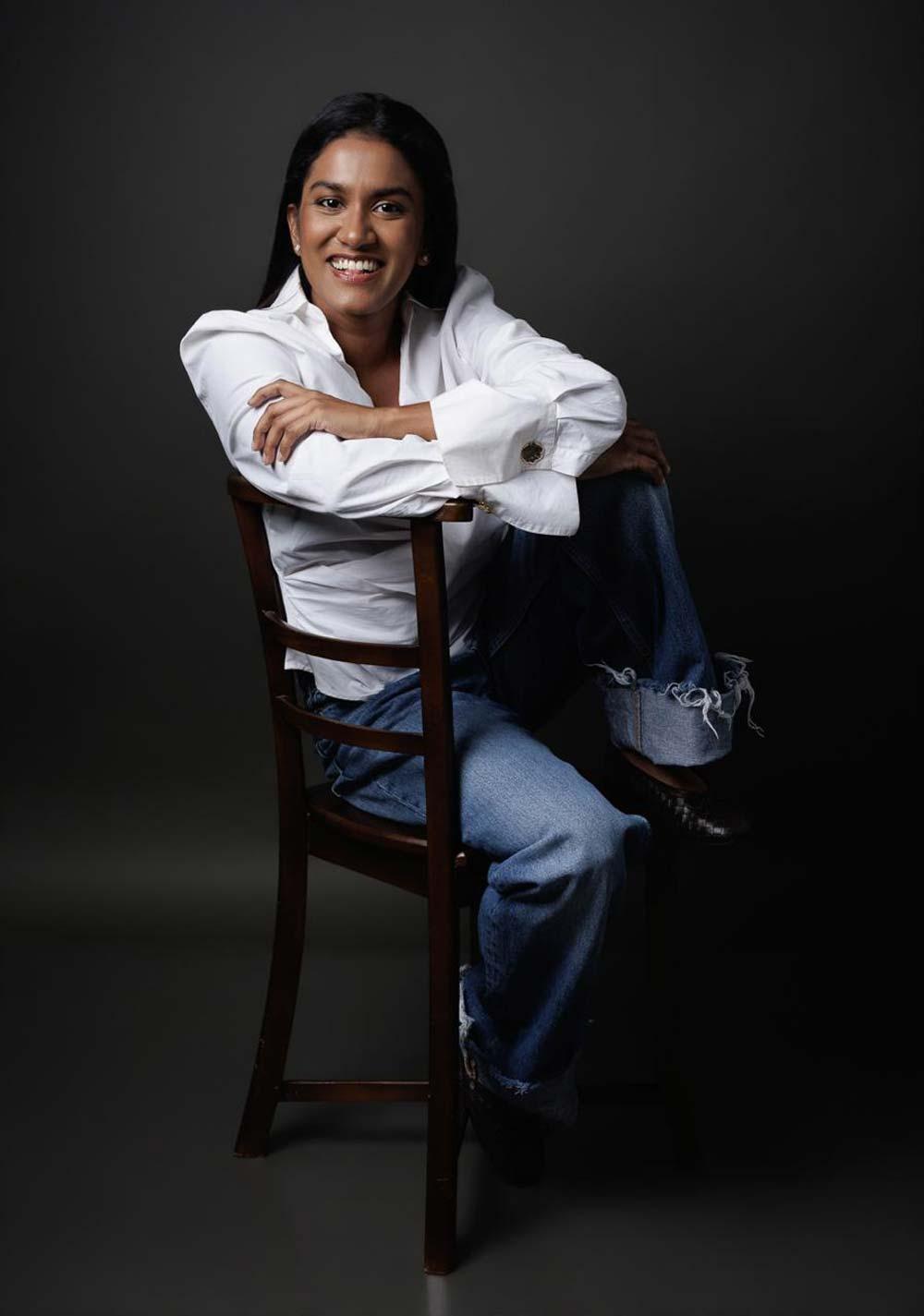
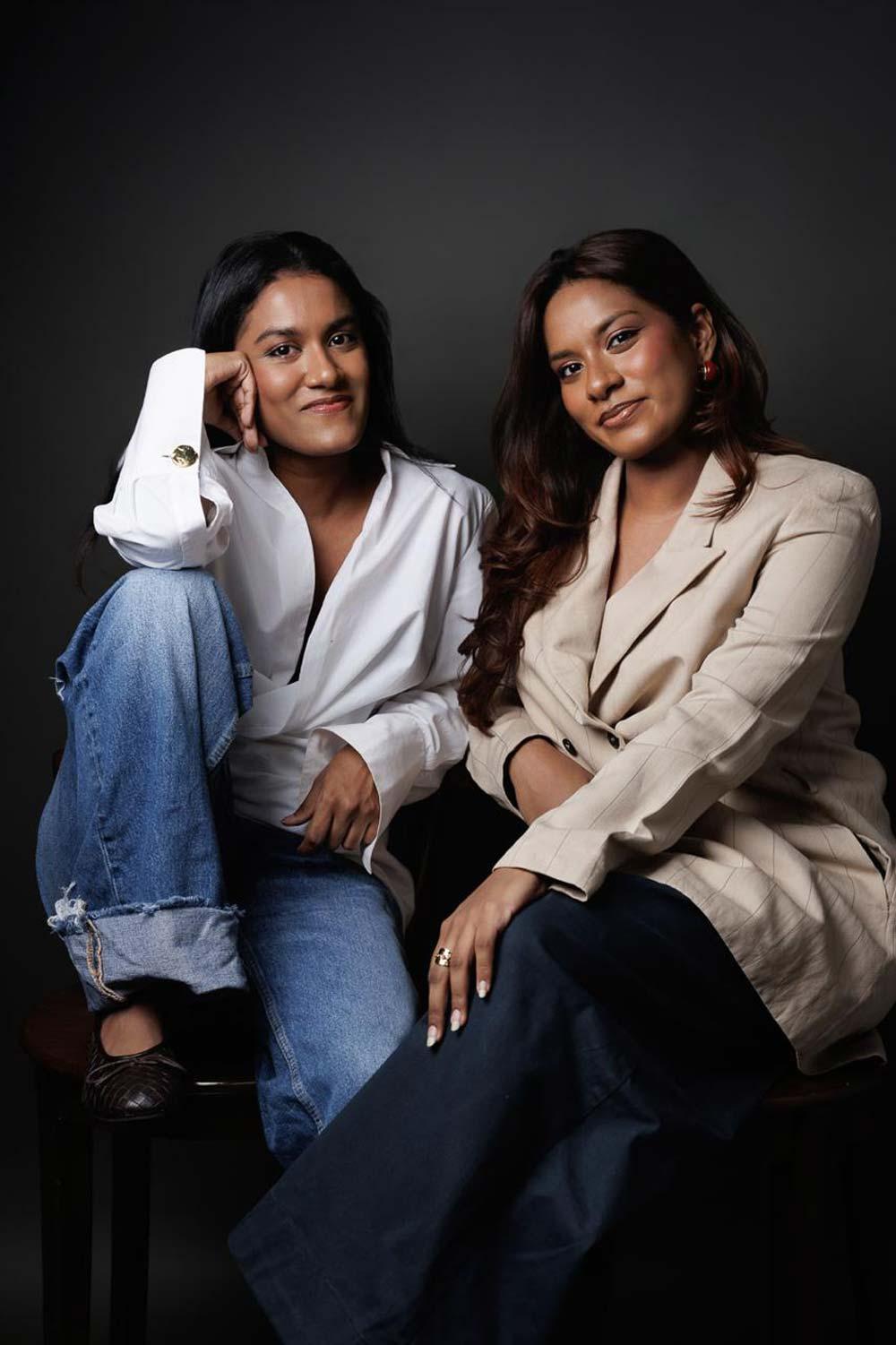
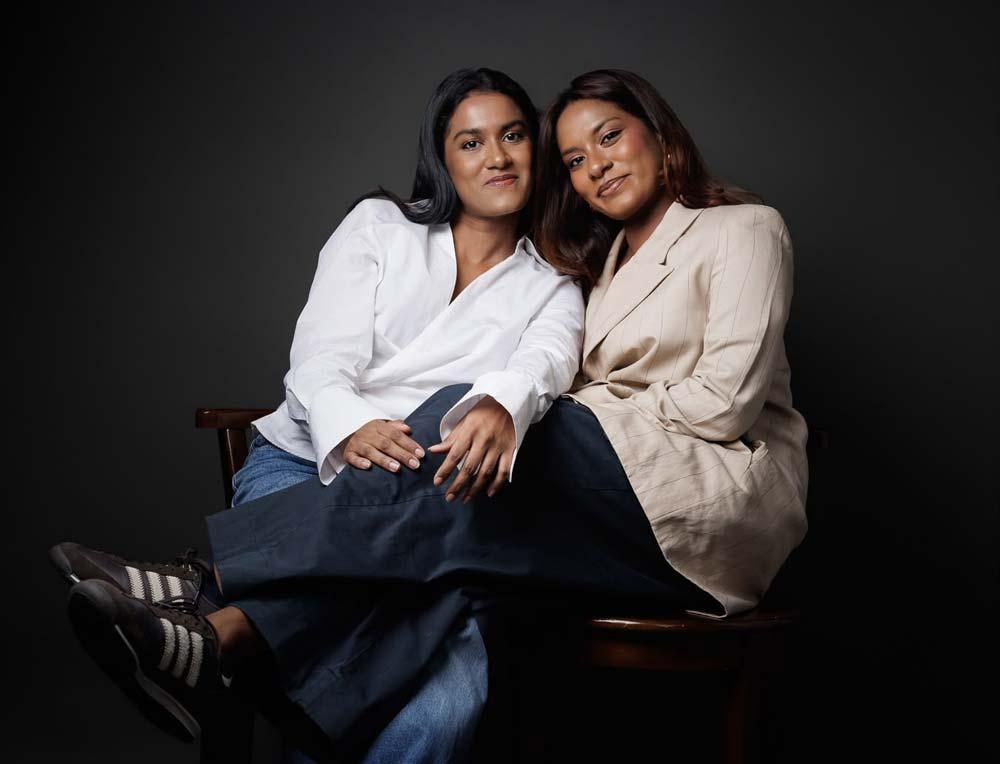
Thilini and Onali