IN CONVERSATION WITH ANUSHA PERERA DIRECTOR, ASCM (PVT) LTD
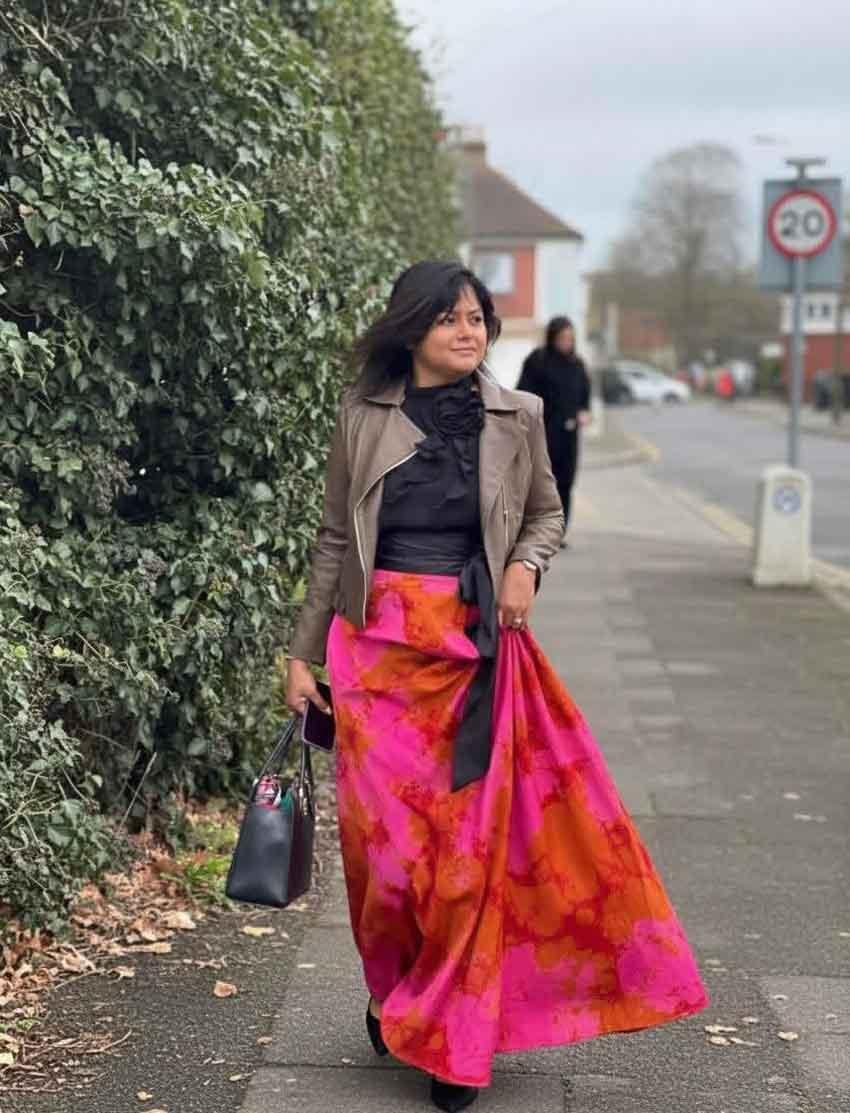
HER STRENGTH. HER STORY. BY: DR. SULOCHANA SEGERA
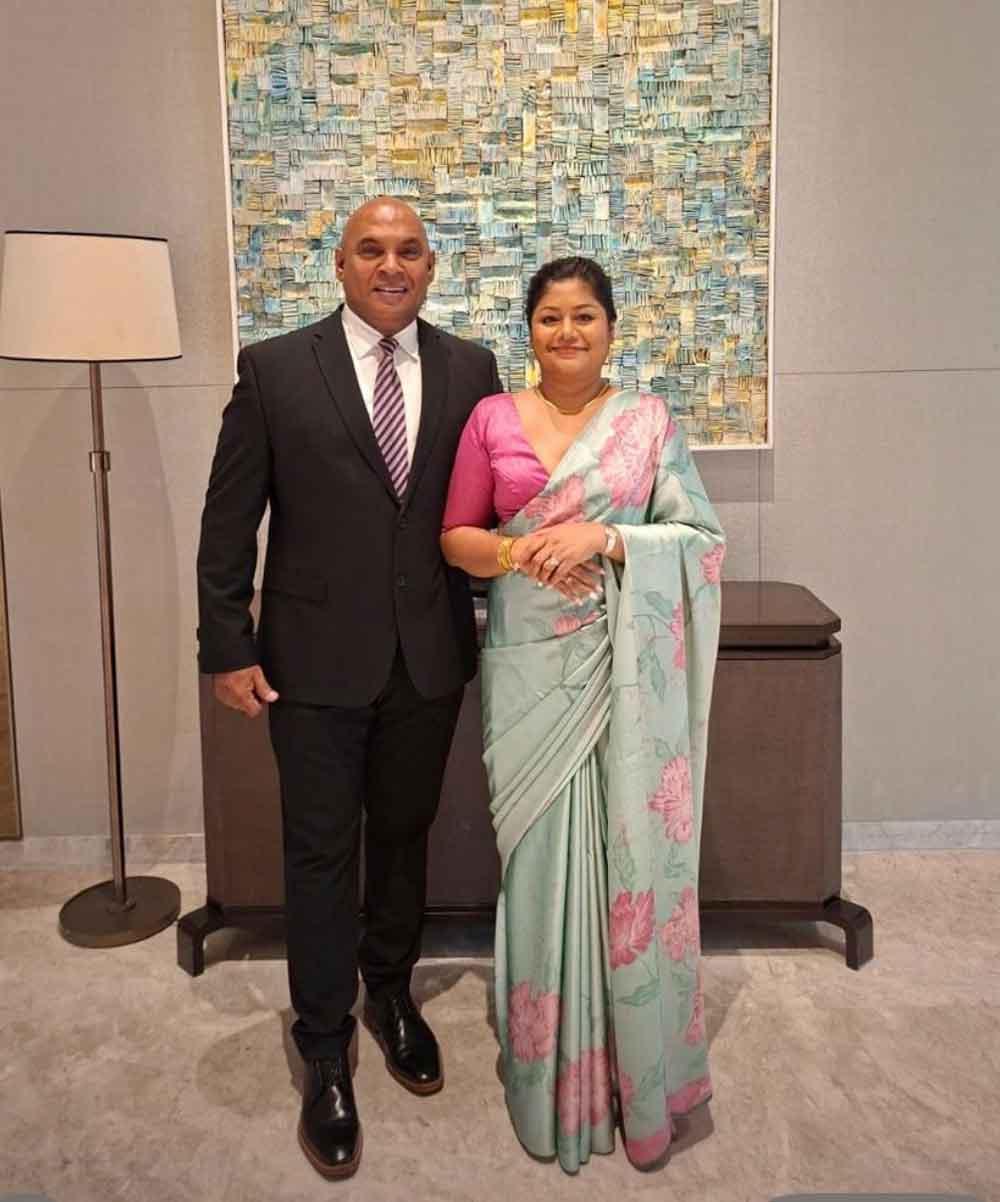
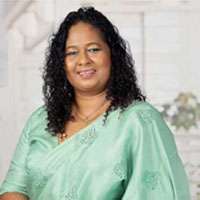
Anusha Perera’s journey does not fit neatly into a single professional description. From banking and marketing to entrepreneurship, education, supply chain management, baking and interior design, she has built a life around curiosity, resilience and the determination to create on her own terms. As Director of ASCM (Pvt) Ltd, she brings together the discipline of corporate leadership with the agility and imagination of an entrepreneur. Yet some of her most meaningful work has happened beyond conventional measures of professional achievement, particularly through mentoring women and helping them build skills, confidence and financial independence. Her own experiences of starting again, navigating resistance and balancing ambition with family have shaped a deeply personal philosophy of empowerment. In this conversation, Anusha reflects on leadership, collaboration, motherhood, employee welfare and the strength required to rebuild, while explaining why success becomes truly meaningful when it creates opportunities for others.
Q. Your career has moved across banking, marketing, entrepreneurship, education and creative business. What has been the common thread connecting all these chapters of your life?
The common thread has always been my desire to turn raw potential into something meaningful. Whether I am working with lean practices at ASCM, styling an interior, decorating a cake or helping someone gain the knowledge to become financially independent, I am guided by order, flow, creativity and intentional detail. I have never been drawn to one size fits all solutions. Through ventures such as Yellow Daisy and Coco Boutique, and through my work in education and entrepreneurship development, I have always preferred personalised, niche concepts. More importantly, my work has gradually become about elevating others. I see entrepreneurship as a creative art and design as a disciplined craft. Whatever the project, I want to build something enduring while creating space for others to grow.
Q. You have built a career in both corporate and entrepreneurial environments. What has each world taught you about leadership?
I hesitate to describe myself as successful because I see myself as a work in progress. Both environments have nevertheless taught me invaluable lessons. The corporate world taught me governance, strategic alignment, performance measurement and the importance of strong frameworks. You learn to align different stakeholders behind a common purpose and understand that sustainable growth requires discipline. Entrepreneurship teaches something different. It demands agility, accountability, resourcefulness and the courage to make decisions when there is no safety net. You become extremely sensitive to customers, people and changing circumstances. For me, effective leadership sits between these two worlds. It combines corporate discipline with entrepreneurial energy. You need structure to scale an idea, but you also need enough flexibility and imagination to keep that structure alive.
Q. When did empowering other people become a personal purpose for you?
It began when I understood that genuine self-determination requires two things, an economic voice and personal space. Earlier in my life, I kept looking for an opportunity, but nobody seemed willing to give me one. Eventually I decided that I had to create my own path. That experience also made me determined to open doors for other women who might be facing similar barriers. Virginia Woolf’s ‘A Room of One’s Own’ gave language to something I already felt deeply. Independence, creativity and dignity are difficult to sustain without financial self-reliance and space to think. Over time, my focus shifted from personal achievement to legacy. Success feels incomplete when it ends with you. Empowerment is not about giving somebody a voice. It is about giving people knowledge, confidence and economic grounding so they can claim their own voice.
Q. You have trained and mentored nearly 400 home bakers. What have these women taught you in return?
They taught me far more than I could ever have taught them. I may have shared baking techniques, business frameworks and practical guidance, but they gave me an extraordinary lesson in resilience, gratitude and human potential. Watching a woman turn an artisanal skill into an income showed me that education can restore agency and dignity. The moment someone earns independently, something changes in the way she sees herself and often in the way her family sees her. These women also taught me about quiet courage. Many were building businesses while managing households, social expectations and their own doubts. Yet they continued showing up. The communities they created around one another were equally powerful. Their generosity reminded me that business is ultimately human. Success should not simply be measured by what we accumulate, but by the confidence, freedom and opportunities we help cultivate in others.
Q. We often speak about women empowering women, yet women can sometimes compete with or discourage one another. Why do you think this happens?
The reality is more complicated than the slogan. I have personally experienced discouragement from women who saw my ambition as a threat rather than something to support. Often this behaviour comes from a scarcity mindset. For generations, women were made to feel that there was room for only one woman at the top. When opportunity appears limited, another ambitious woman can easily be perceived as competition. Comparison also plays a role. Women are constantly encouraged to measure themselves against one another. When those expectations become internalised, another woman’s progress can expose personal insecurities. My experiences have taught me to reject that scarcity mentality. Another woman’s success does not reduce my worth. Instead of competing for limited seats, we should create more seats and build bigger tables. Real empowerment begins when we understand that success is not a zero-sum game.
Q. Has another woman ever opened an important door for you?
Absolutely. One extraordinary act of generosity changed the trajectory of my life. In 2018, I was shortlisted for a scholarship to attend the Southeast Asia Leadership Academy intensive leadership programme in Vietnam. Vicky Neighbor, who served on the SEALA board, read my application while waiting in a hotel lobby in Jaipur. She had planned to buy diamonds that day. Instead, she decided to use that money to personally sponsor my scholarship.
That decision changed everything. Entering an intensive leadership environment alongside accomplished global leaders was humbling and transformative. It expanded my understanding of my own capacity and became a major turning point. Vicky did more than open a door. She invested her own resources in someone else’s potential. That taught me how profoundly one woman can change another woman’s life when she chooses generosity over indifference.
Q. What would change if women genuinely saw one another as collaborators rather than competitors?
Our workplaces would become ecosystems of shared power rather than environments driven by self-preservation. Collaboration means giving freely from our abundance, whether that is knowledge, experience, contacts or resources. When experienced women share what they know, younger women do not have to navigate every obstacle alone. It also creates space for listening. In competitive environments, people often feel pressured to prove that they know everything. Collaboration allows us to acknowledge that we can learn from one another. Younger professionals bring fresh perspectives, while experienced leaders bring wisdom earned through difficult situations. Bringing those strengths together creates better businesses and healthier cultures. When women stop guarding their territory and begin pooling their strengths, workplaces become more humane, creative and innovative.
Q. Behind your professional roles, you are also a wife and mother. How do you balance these different parts of your life?
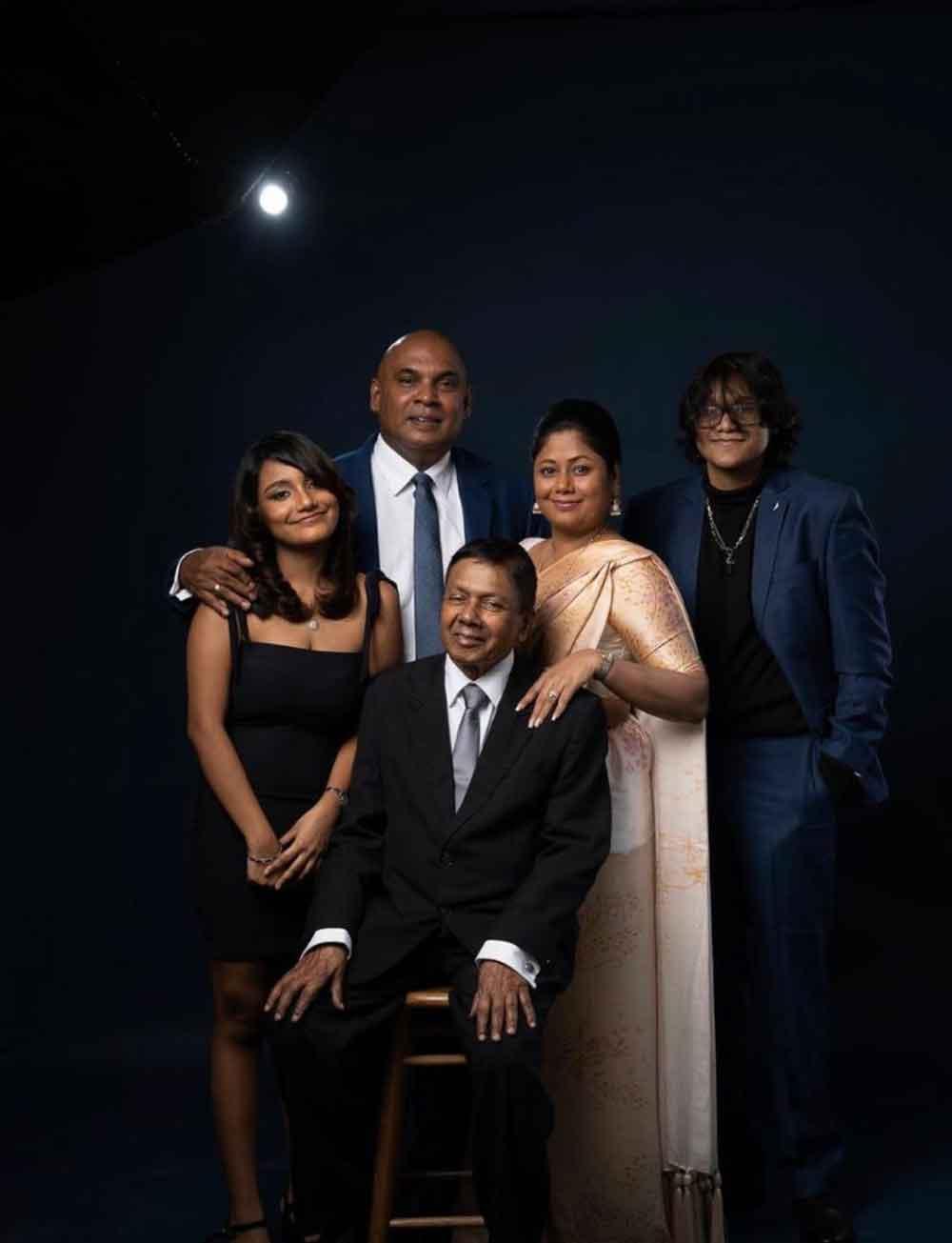
My family is my absolute anchor. Behind every title and project, I am a daughter, sister, wife and mother who deeply values the home we have built. My brother has always believed in my ambition, and my husband and children are the foundation of my life. Even when family members are on different continents, that bond remains constant. I take enormous pride in supporting my husband and in the partnership we have created. My children are also a profound source of inspiration. My daughter, a law graduate in the UK, hopes one day to establish a free legal clinic for women in Sri Lanka. My son, who studies politics and international relations, wants to contribute to addressing educational injustice. However demanding work becomes, family time remains precious. We cook, laugh and have long conversations around the dinner table. Professional achievement means very little to me if it comes at the expense of the people I love.
Q. You have introduced initiatives addressing period poverty, vocational skills and workplace harassment. Why should employee welfare extend beyond salary and benefits?
A competitive salary can bring someone into an organisation, but money alone cannot repair a toxic culture, create psychological safety or address basic human needs. Employee welfare must recognise the whole person. Access to menstrual hygiene products, for example, is fundamentally about health and dignity. It should not be viewed as an optional workplace benefit. The same principle applies to harassment. A good salary means little if someone feels unsafe or intimidated at work. People perform at their best when they know they are respected and protected. Vocational development is equally important because it changes the relationship between employer and employee. When an organisation invests in a person’s future capabilities, it shows that it values their longer journey rather than simply their immediate output. Leadership should always recognise the human being behind the job description.
Q. What has life taught you about strength that no qualification or professional achievement could teach you?
Life taught me that strength has very little to do with titles, qualifications or what appears on a resume. One of the defining moments of my life came when I walked away from my previous marriage and chose to start again without taking the financial comforts that had been part of that life. I also wanted to protect my children from bitter battles between adults and preserve as much stability as possible for them. Rebuilding without a financial safety net while continuing to support my children and care for my ageing parents with my brother tested me in ways no professional qualification ever could. That period taught me that material comforts can be rebuilt, but dignity and self-respect cannot be compromised. I realised that although I had walked away with very little materially, I still had my mind, values, work ethic and determination. Titles can provide credibility and achievements can bring recognition. Starting again from zero gives you something different. It gives you proof that even when life changes completely, you can rebuild, protect the people you love and stand on your own feet.
Q. Finally, what is the one word that defines Anusha today?
Unstoppable.