BRIDGING SCIENCE, CULTURE AND COURAGE WITH DR. VAJNA RAFEEK.

HER STORY. HER STRENGTH. BY: DR. SULOCHANA SEGERA
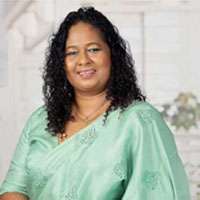
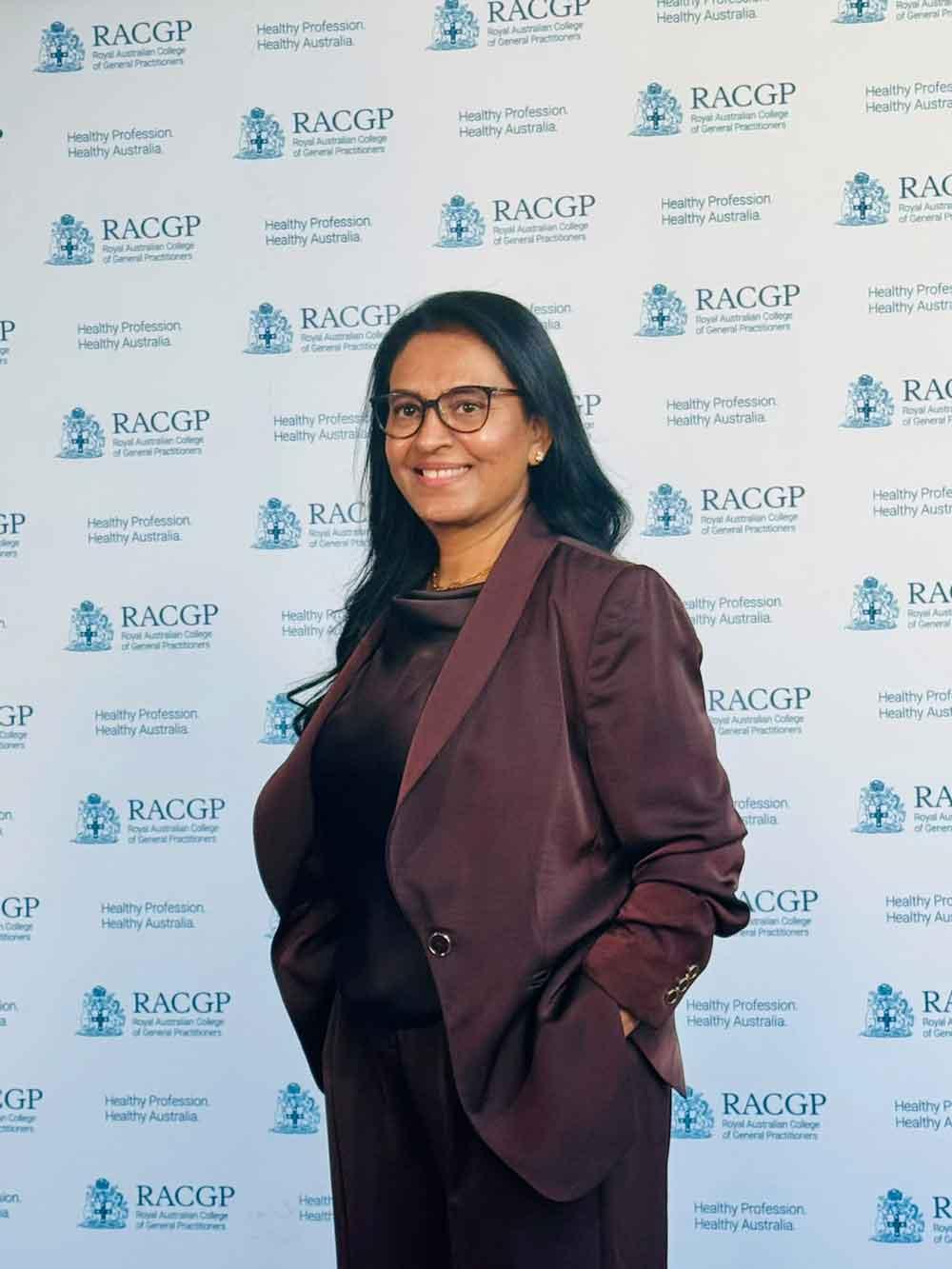
From a small village in eastern Sri Lanka to the forefront of Australian healthcare, Dr. Vajna Rafeek’s journey is one of determination, resilience and purposeful leadership. A specialist family physician, women’s health advocate and founder of Melbourne’s Hanson Medical Group, she has built a career spanning three countries while challenging conventional expectations of women in medicine and entrepreneurship. Her early involvement in pioneering IVF services in Sri Lanka helped shape a lifelong commitment to compassionate, patient-centred care. Today, she leads an expanding healthcare organisation, mentors emerging medical professionals and champions culturally inclusive services. Beyond medicine, her passion for Tamil literature, cinema and storytelling reflects a deep connection to her heritage and a desire to inspire social change. In this conversation, Dr. Rafeek reflects on overcoming adversity, building a healthcare enterprise, empowering women and discovering how courage, compassion and perseverance can transform personal ambition into lasting community impact.
Your medical journey has taken you from Sri Lanka to the United Kingdom and Australia. What experiences shaped the leader you are today?
I grew up in Maruthamunai, a small village in Sri Lanka’s Ampara district, attended Wesley High School in Kalmunai and graduated from the University of Kelaniya in 1996. My early career was shaped by political uncertainty, ethnic tensions and limited postgraduate opportunities. Moving to the United Kingdom was a defining decision, but the transition was far from easy. Although I passed PLAB on my first attempt, I faced difficulties with IELTS, postgraduate examinations, training applications and visa extensions. I worked in a pharmacy and as a phlebotomist while navigating these challenges. Those experiences taught me that setbacks are not necessarily failures. They can become opportunities to reassess and develop new strengths. Australia eventually offered the opportunity to establish Hanson Medical Centre in 2012. Looking back, my greatest achievement is not simply rebuilding my career but using those experiences to create opportunities for other doctors and serve the community.
What inspired you to establish Sterling Health & Human Services, and what has entrepreneurship taught you?
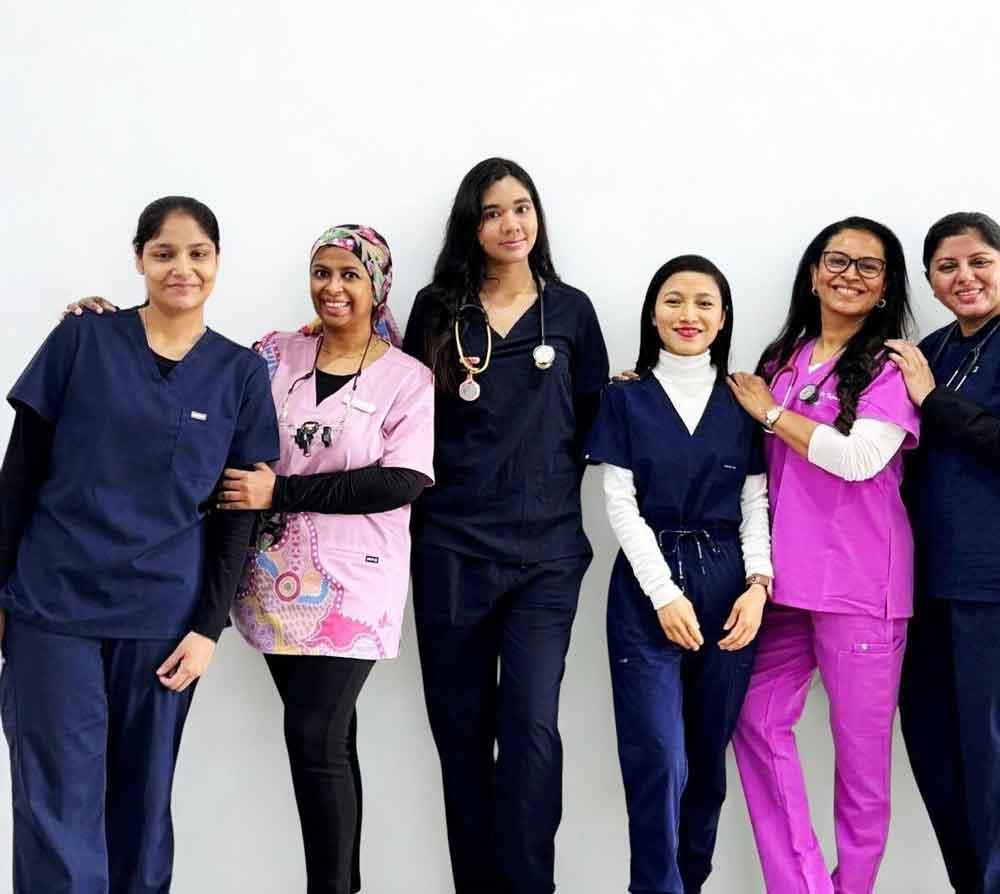
My vision emerged from recognising the complex healthcare needs of multicultural communities. I wanted to create an organisation where patients could access comprehensive, coordinated and culturally responsive services. Sterling Health & Human Services brings together general practice, nursing, allied health, visiting specialists and dental services within an integrated framework. Our activities also extend to aged care outreach, urgent care, extended-hours services and rural practice. Building this organisation taught me that passion alone cannot sustain a business. Financial discipline, clinical governance, workforce development and effective systems are equally important. As a woman entrepreneur, I have learned to trust my judgement while remaining open to advice. Delegation, strategic planning and difficult decisions are essential responsibilities. For me, success is not measured simply by expansion. It is measured by whether we can maintain dependable, compassionate healthcare while building an organisation that remains sustainable for future generations.
How did your early involvement in pioneering IVF services influence your commitment to women’s health?
Working with an IVF team in Sri Lanka profoundly influenced my understanding of women’s healthcare. Fertility challenges often involve emotional distress, cultural expectations, social pressures and deeply personal decisions. I learned that clinical expertise must always be accompanied by sensitivity, privacy and respect. Every woman has different circumstances, aspirations and priorities, and healthcare professionals must listen without making assumptions. My subsequent experience in obstetrics and gynaecology in the United Kingdom broadened that understanding. Later, practising family medicine in Australia allowed me to support women through different life stages, including fertility concerns, pregnancy and menopause. I believe women should feel informed, respected and empowered to participate in decisions about their health. Establishing trust is fundamental because meaningful conversations often begin only when patients feel genuinely understood.
What has been your greatest challenge in leading a growing healthcare organisation?
The greatest challenge has been balancing ambitious growth with the responsibility of maintaining reliable services. Since opening Hanson Medical Centre in 2012, we have operated 365 days a year, including throughout the COVID pandemic. Maintaining that continuity requires careful planning, particularly when doctors relocate, complete training or change their professional commitments. As the sole owner, I must consider how every decision affects patients, employees and the organisation’s financial sustainability. I have learned to anticipate changes in healthcare policy, economic conditions and regulatory requirements. During COVID, we adapted our clinical and administrative arrangements while continuing to support patients. My approach is to remain ambitious but financially conservative, preparing for difficulties rather than assuming everything will proceed smoothly. Leadership requires composure, decisive action and the willingness to seek expertise. Every new service brings an ongoing responsibility to ensure that the necessary people, resources and systems are in place.
How can healthcare providers better support women from migrant and culturally diverse communities?
Inclusive healthcare begins with creating an environment where every woman feels welcomed, respected and safe. Language barriers, cultural expectations, family responsibilities and concerns about confidentiality can prevent women from seeking timely medical attention. At Hanson Medical Centre, we recruit professionals from diverse cultural and linguistic backgrounds. We also use professional interpreters to support effective communication. For sensitive consultations, we respect individual preferences and facilitate access to female clinicians wherever possible. However, cultural sensitivity must never mean making assumptions about a woman’s beliefs or choices. Each patient deserves the opportunity to express her own concerns and make informed decisions. Practical accessibility matters equally. Extended opening hours, seven-day services and integrated healthcare make appointments more manageable for women balancing employment and family responsibilities. With more than 85,000 registered patients, we recognise that community trust must be continually earned through respectful, confidential and compassionate care.
You have mentored numerous medical graduates and registrars. What qualities should the next generation of women leaders develop?
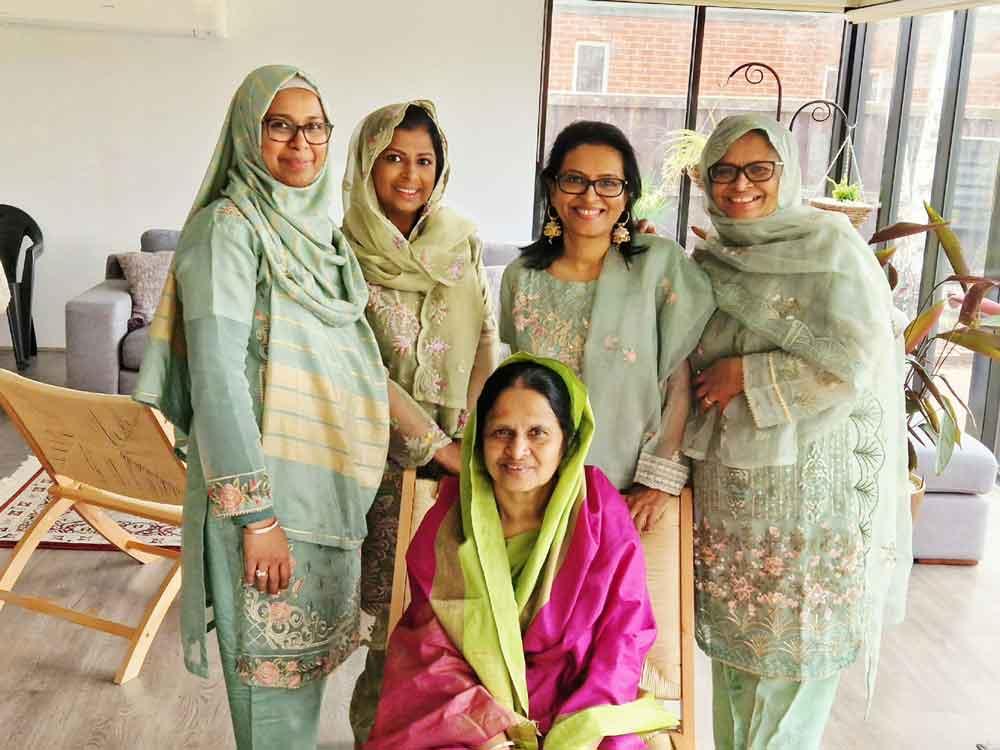
Adaptability is among the most important qualities. Healthcare is continually changing through technology, government policy, economic pressures and evolving patient expectations. Since 2014, I have supported 30 international medical graduates and 21 local RACGP registrars, alongside teaching medical students. I encourage younger doctors to develop not only clinical expertise but also confidence, communication skills, financial literacy and leadership capabilities. Women must learn to make decisions, seek advice when necessary and establish healthy professional boundaries. My own experiences have shown me that rejection and uncertainty do not define a person’s future. What matters is the willingness to learn, adjust and continue. I also believe genuine leadership involves creating opportunities for others. My greatest hope is that the doctors I mentor become confident, independent practitioners who eventually guide and support another generation.
You and your healthcare organisation have received significant recognition. What brings you the greatest personal satisfaction?
Awards are meaningful because they acknowledge the collective dedication of our healthcare teams. However, my deepest satisfaction comes from seeing other people succeed. Having experienced the difficulties of rebuilding a medical career overseas, I understand how valuable professional guidance and encouragement can be. When an international medical graduate develops into a confident practitioner, that achievement can transform not only their career but also their family’s future. I also treasure the relationships developed through long-term patient care. Some patients have followed me from previous practices and continue to trust me with their families’ health. That continuity represents something more meaningful than professional recognition. Seeing our doctors, nurses, allied health professionals and administrative staff work together to support the community gives me immense pride. Ultimately, I want my contribution to be measured by the opportunities created, the confidence restored and the lives positively influenced.
Your forthcoming book explores your personal journey. What message do you hope readers will take from it?
My first book, Roots of Courage, From Village Paths to Global Purpose, explores my journey from childhood in Maruthamunai to building a medical career across three countries. I want to share the experiences behind the achievements, including migration, uncertainty, professional rejection and the determination required to rebuild confidence. For many women, pursuing ambition also involves navigating family responsibilities and social expectations. As the daughter of the late Tamil poet Maruthoor Kani, my cultural heritage and language remain deeply important to my identity. I also want to acknowledge the family, friends, colleagues and patients whose kindness helped shape my journey. Above all, I hope women facing uncertain beginnings understand that circumstances need not determine their possibilities. Confidence develops through experience, and meaningful progress often begins with one courageous decision.
What drew you towards film production, and how can cinema contribute to social change?
My interest in cinema began during childhood through my father, Maruthoor Kani, whose involvement in Tamil literature, theatre and cinema greatly influenced me. He believed storytelling could entertain audiences while encouraging reflection and social awareness. That understanding remained with me throughout my medical career. Film production offered an opportunity to explore another form of meaningful communication. I was particularly attracted to a story examining the relationship between communities, wildlife and the environment. These themes reflect important questions about responsibility and the consequences of human choices. Entering cinema has also required me to become a student again. Although my healthcare and business experience provides valuable management skills, creative production demands different perspectives. I believe powerful stories can help audiences understand unfamiliar experiences, challenge assumptions and develop empathy. A meaningful film can continue influencing conversations long after audiences leave the cinema.
Finally, what advice would you offer women who have ambitions but lack the confidence to pursue them?
My advice is to begin before you feel completely ready. When I moved to the United Kingdom, I worked as a pharmacy assistant while preparing for medical examinations. Through dedication and curiosity, I eventually progressed to managing a large pharmacy, developing skills in staffing, accounts and business operations. At the time, I viewed that employment primarily as a financial necessity. Looking back, it provided invaluable preparation for entrepreneurship. Every experience can teach us something useful if we approach it with commitment and an open mind. Do not underestimate modest beginnings or allow rejection to diminish your aspirations. Seek guidance, understand your finances, embrace unfamiliar responsibilities and remain willing to adapt. Most importantly, do not wait for someone else to validate your potential. You do not need to know the entire journey before taking the first step. Confidence is built through action, perseverance and the courage to keep moving forward.