Fashion’s Beautiful Lie: The Women on the Runway and the Women Behind It.
BEYOND THE SEAMS BY SHRI AMARASINGHE
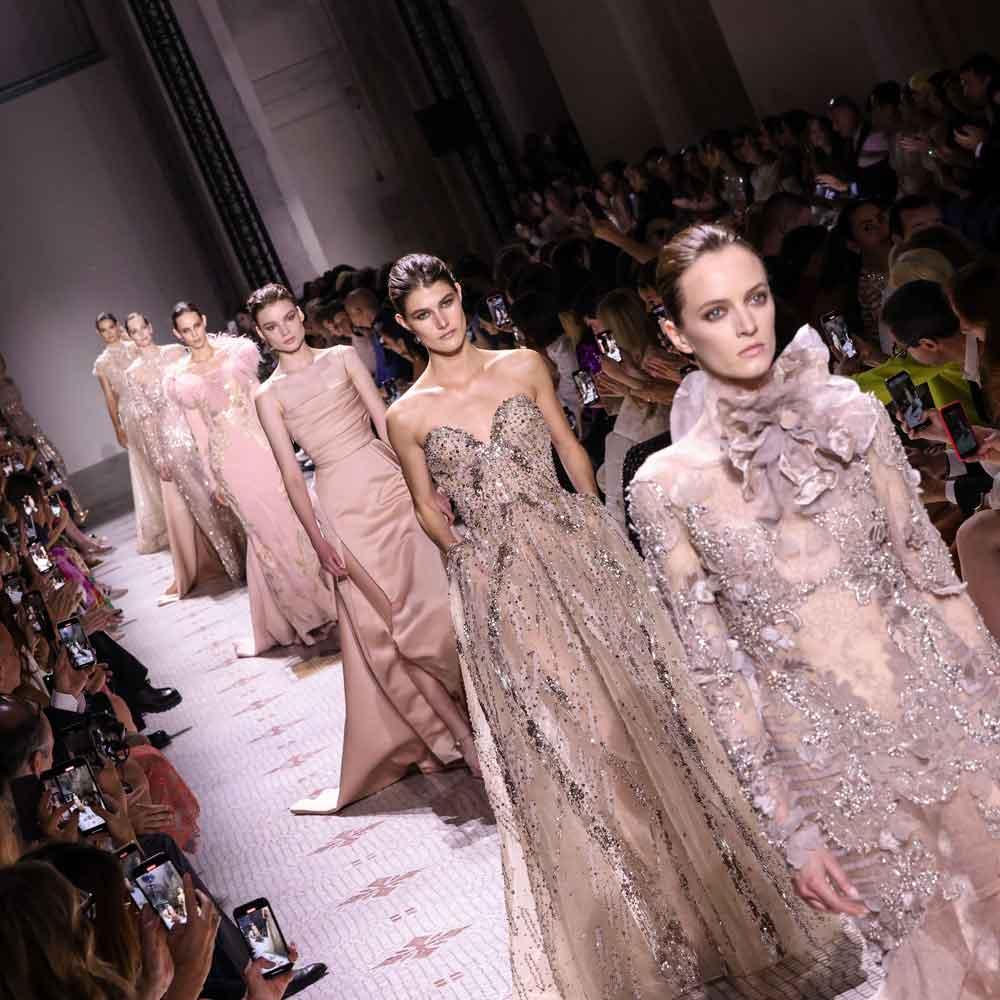
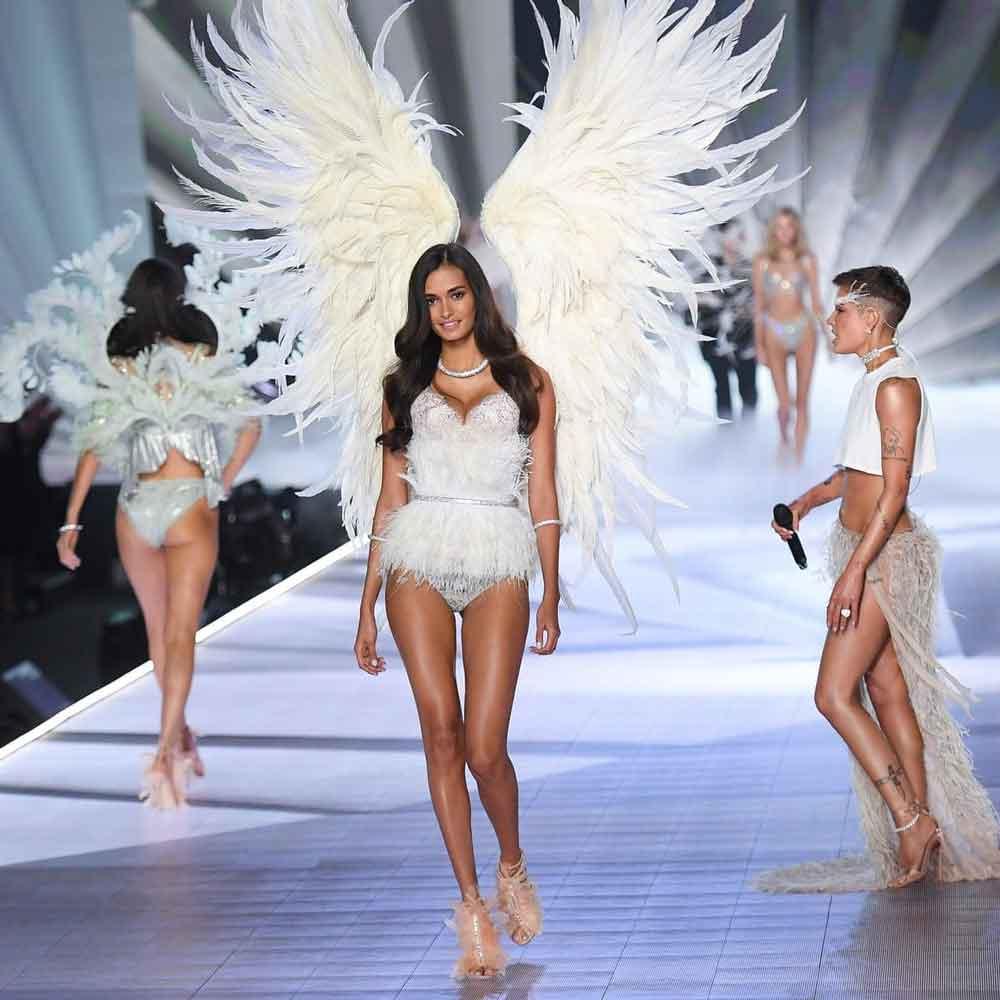
Fashion sells dreams. Under the lights of Paris, Milan and New York, models walk in extraordinary clothes, photographed against carefully constructed backdrops of luxury and perfection. Yet behind this spectacle lies a contradiction that we rarely discuss. Fashion celebrates the women who wear its creations while relying on millions of other women whose labour remains largely invisible. One woman wears the garment and receives the applause; another makes it, often for a fraction of its eventual selling price. The global garment industry employs millions of people, with women making up a substantial proportion of its workforce. Countries such as Bangladesh, India, Pakistan and Sri Lanka occupy important positions in international fashion supply chains. For many women, garment employment provides an essential income and a degree of economic independence. Yet low wages, insecure contracts, excessive production pressures and inadequate labour protections continue to affect workers across the industry. The International Labour Organization has repeatedly highlighted gender inequality and the vulnerabilities faced by women in garment supply chains. There is something deeply uncomfortable about an industry that can spend enormous sums on runway spectacles, celebrity campaigns and elaborate flagship stores while treating the people who manufacture its products primarily as costs to be controlled. The distance between the luxury boutique and the factory floor is not merely geographical. It is economic and political. The glamour belongs to the brand, while the labour behind it is often hidden from the consumer.
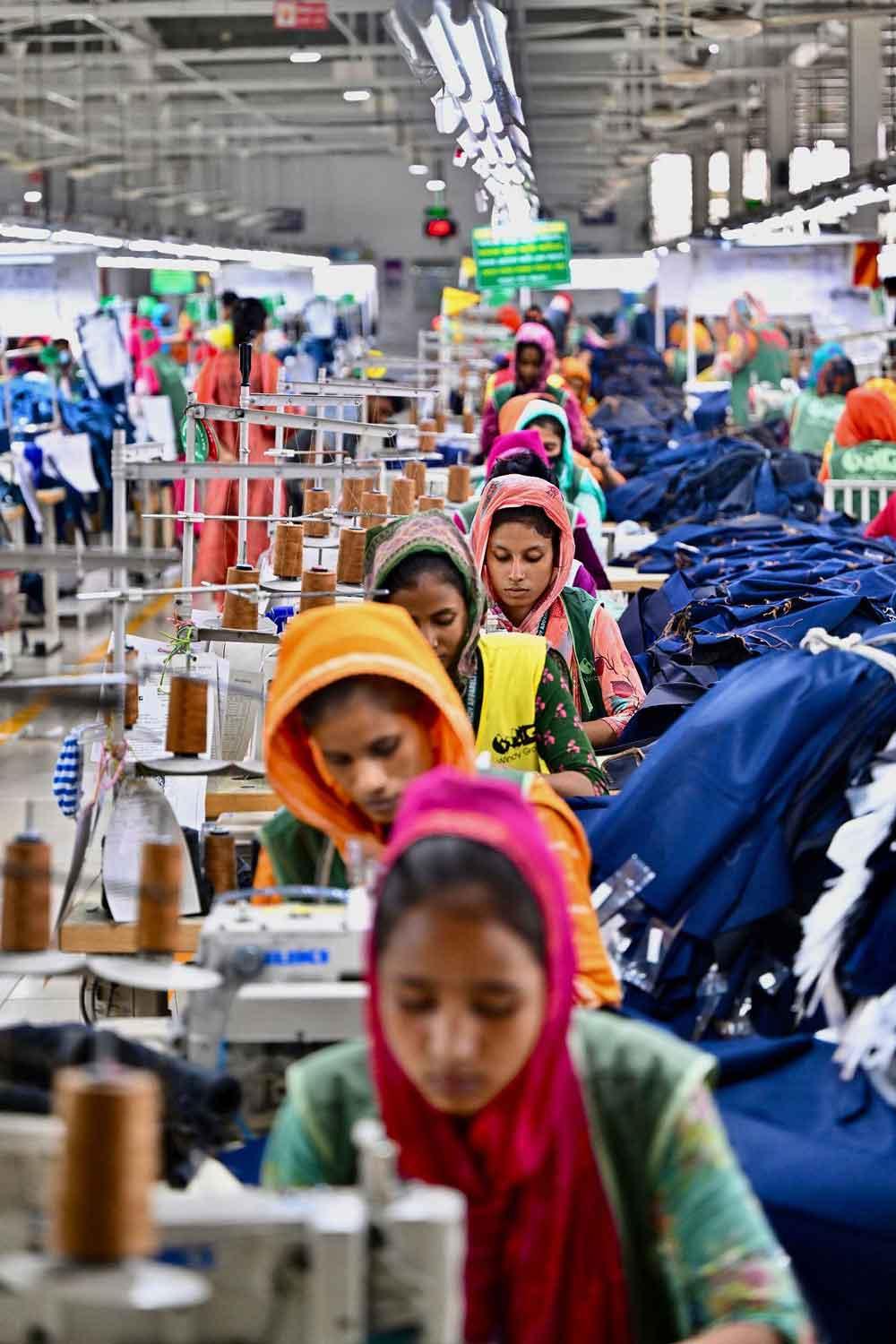
For decades, the global fashion industry has depended on a production system in which much of the labour-intensive work takes place in countries where wages are comparatively low and workers have less bargaining power. International brands and retailers can move orders between suppliers and countries in pursuit of lower costs, faster production and greater flexibility. Factories, meanwhile, must compete for contracts, often accepting prices and deadlines that leave little room for error. The pressure travels down the supply chain until it reaches the people with the least power to resist it: the workers at the sewing machines. These workers are not simply producing clothes. They are working within a system that often rewards speed over security and low prices over decent working conditions. When a brand demands shorter lead times, changes an order at the last minute or negotiates a lower production price, the consequences do not necessarily appear on the balance sheet of the company making the demand. They may instead emerge as unpaid overtime, intensified production targets, reduced factory margins or pressure on workers to produce more in less time. Women are particularly vulnerable because garment employment is shaped by broader inequalities in the labour market. In many manufacturing centres, women have fewer opportunities to move into better-paid positions, while supervisory and management roles may be disproportionately occupied by men. Informal employment, temporary contracts and limited access to social protection can make it difficult to challenge unfair treatment without risking a livelihood. For women supporting children or entire households, the decision to speak up is rarely as simple as it might appear from the outside.
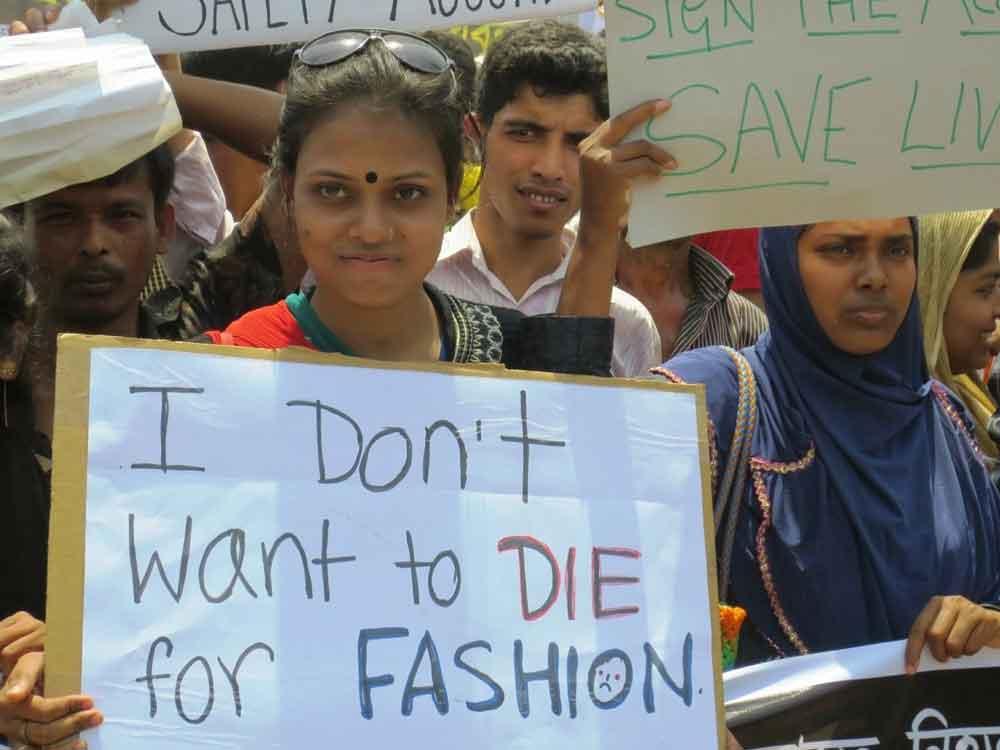
This does not mean garment factories are inherently exploitative or that manufacturing in the Global South should be viewed as a problem to be eliminated. The industry provides employment to millions of people, and the loss of orders can devastate communities that depend on factory wages. The real question is whether global fashion can continue to generate enormous commercial value without ensuring that the people responsible for producing it receive a fair share. The tragedy of the Rana Plaza collapse in Bangladesh in April 2013 exposed the human consequences of a system in which safety and workers' voices had not received the priority they deserved. More than 1,100 people died when the building housing garment factories collapsed, and thousands more were injured. The disaster became a turning point in international discussions about factory safety, corporate responsibility and the conditions under which inexpensive clothing reaches consumers.
The tragedy also demonstrated how disconnected the people who make clothes can be from the companies that sell them. Consumers in Europe and North America may recognise a brand immediately, but identifying the factory where a garment was made, the subcontractors involved and the conditions under which it was produced can be far more difficult. Fashion supply chains are complex, crossing borders and involving multiple businesses. That complexity can make accountability difficult, but it should not become an excuse for avoiding it.
In the years since Rana Plaza, important initiatives have improved factory safety in parts of Bangladesh, including legally binding agreements between brands and unions. Yet factory safety is only one part of decent work. A building can meet structural requirements while workers continue to face poverty wages, excessive hours or restrictions on organising collectively. Safety audits and compliance certificates matter, but they cannot, on their own, establish that a worker is treated fairly. The question of wages is particularly important. A legal minimum wage is not necessarily a living wage: the amount required to cover food, housing, healthcare, education, transport and other basic needs with some security. When workers struggle to meet these costs despite working full-time, the low price of a garment begins to look different. What appears to be an affordable purchase in a wealthy market may depend, in part, on the limited purchasing power of the person who made it. We must also examine the role of overproduction. Fashion's constant cycle of new collections, seasonal drops, discounts and trend-driven consumption creates enormous pressure to manufacture large quantities of clothing at competitive prices. When products are ordered in excess, suppliers may face cancellations or sudden changes in production volumes. When retailers insist on low prices and short deadlines, factories are left managing risks that larger companies can often transfer elsewhere. Workers, who have little influence over these commercial decisions, can ultimately bear the cost.
This is where the discussion about sustainability must become more honest. A garment made from recycled fibres or marketed as environmentally responsible cannot automatically be considered sustainable if the people who made it were underpaid or denied safe working conditions. Environmental responsibility and social responsibility are inseparable. Fashion cannot credibly claim to care for the planet while overlooking the people whose labour keeps its production system running.
Nor should the responsibility fall entirely on consumers. Individual purchasing decisions matter, but shoppers cannot independently investigate every factory, subcontractor and employment contract behind a garment. Brands and retailers have far greater access to this information and far more influence over purchasing conditions. They must disclose their supply chains, conduct meaningful human-rights due diligence, establish responsible purchasing practices and ensure that suppliers can meet orders without compromising wages, safety or working hours. Governments in manufacturing and consuming countries also have a role to play. Labour laws must be enforced, workers must be able to organise without intimidation, and companies must face consequences when their business practices contribute to abuses. Trade unions and worker-led organisations need to be part of the process, because meaningful reform cannot be designed solely by the businesses whose practices require scrutiny.
There is a tendency to discuss garment workers only when a disaster occurs or a scandal captures international attention. Once the headlines disappear, the industry returns to its usual rhythm. Yet exploitation does not always take the form of a collapsed building. It can exist in the ordinary working day: in wages that do not cover basic needs, overtime that workers cannot refuse, harassment that goes unreported and contracts that offer little security. Perhaps the greatest injustice is that the people who make fashion possible remain largely absent from its public imagination. We know the names of designers, creative directors and celebrities. We recognise the brands and remember the runway collections. But we rarely know the names of the women who cut, stitched and finished the clothes that shape these moments. Their anonymity is convenient for an industry that sells aspiration while concealing the labour behind it.
Fashion is a creative industry, but it is also a global business built on human work. Every seam represents someone's time, skill and effort. Every finished garment carries a story that begins long before it reaches a shop window. If we are willing to celebrate the artistry of a designer, we must also recognise the expertise of the machinist, pattern cutter, embroiderer and finishing worker. The future of fashion should not be measured only by the beauty of its collections, the growth of its revenues or the sustainability claims printed on its labels. It should also be measured by whether the people who make its products can live with dignity, work safely and have a voice in decisions that affect their lives. The woman on the runway may represent the dream fashion wants us to buy. But the woman behind the sewing machine represents the reality that the industry cannot afford to ignore. Until the people who make our clothes are treated as essential to fashion's value rather than obstacles to its profitability, the glamour will remain incomplete. And no garment, however beautiful, should require the suffering or invisibility of the hands that made it. No production quota should ever matter more than a human life.