Fashion at the Speed of the Scroll

There was a time when fashion moved at a gentler, more human pace. Clothes were bought with purpose: for work, celebrations, religious festivals, changing weather or the ordinary rhythm of daily life. A good dress was altered, when necessary, shoes were repaired, and well-made garments passed from one person to another. New collections arrived with a sense of occasion rather than appearing endlessly on a screen. Clothes were anticipated, carefully chosen and worn long enough to gather memories. Today, fashion moves with the impatience of a finger scrolling towards the next thing.
We once spoke of fast fashion as though it represented the industry at its most extreme. Now even the word “fast” feels inadequate. New products appear online every day, sometimes every hour. A dress worn by a celebrity can inspire copies almost immediately. Online marketplaces offer an endless corridor of clothing, refreshed so frequently that yesterday’s arrivals already seem old. Fashion has not simply become faster. It has become restless.
The traditional fashion calendar was never perfect. It encouraged novelty, dictated trends and persuaded consumers that one season’s wardrobe belonged to another time. Yet it imposed a rhythm. Designers developed collections months in advance. Fabrics were sourced, samples made, fittings completed and garments released within recognisable seasons. There was at least some space for thought and anticipation. Today, that rhythm has been replaced by permanent acceleration. Nothing stays long enough to arrive properly.
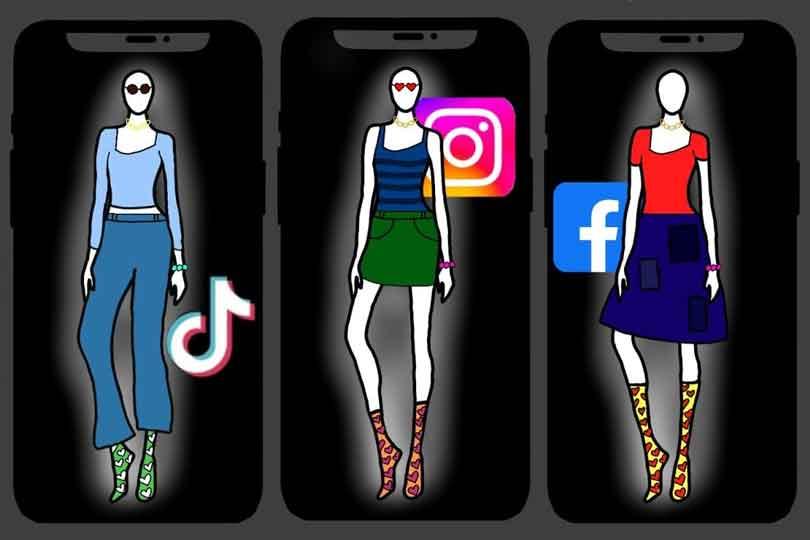
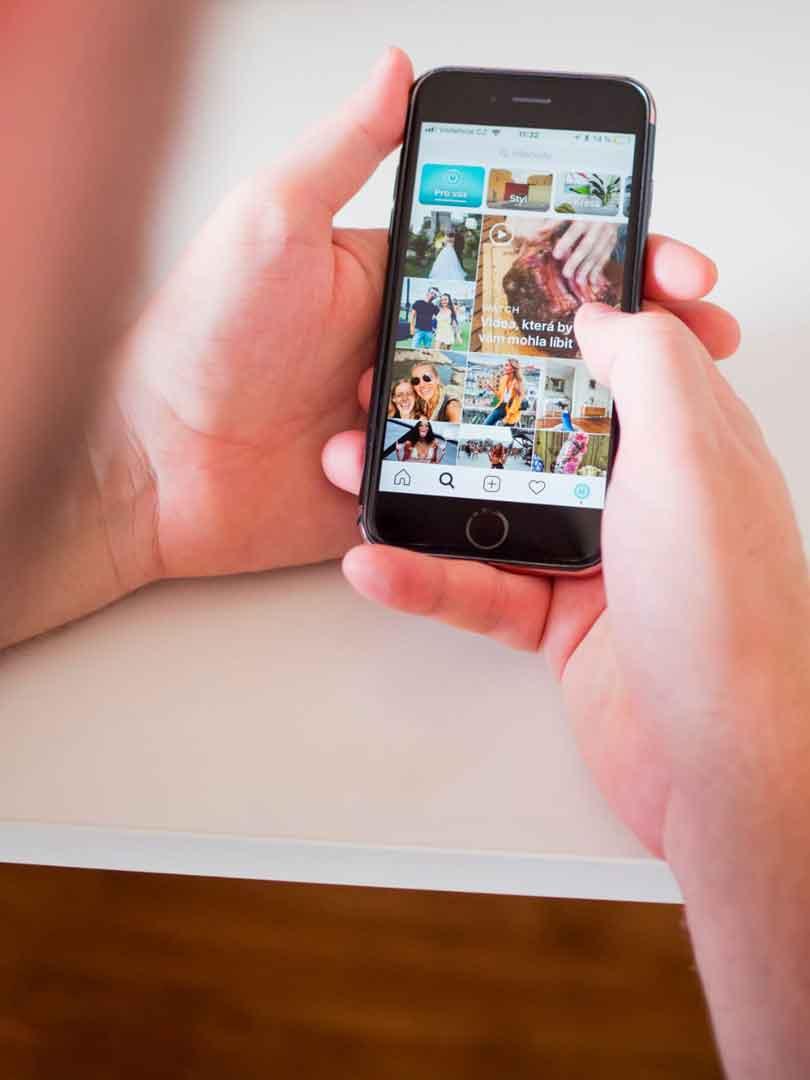
Social media has become the great engine of this acceleration. Trends that once took years to move from subculture to mainstream can now circle the world in days. An aesthetic receives a catchy name, attracts millions of views and becomes a shopping category almost overnight. Before many people have understood what it means, it is declared exhausted. The clothes remain; only the excitement disappears. Something that looked essential on Monday may feel embarrassing by Friday, not because the garment has changed, but because the algorithm has moved on.
Perhaps the most significant shift is that fashion is no longer simply selling clothes. Increasingly, it sells the sensation of constant newness. The garment itself becomes secondary to the emotional thrill of discovering, ordering and unwrapping it. Shopping offers a quick interruption to boredom or dissatisfaction, while low prices make the decision appear almost consequence-free. Yet the pleasure is often brief. Once the photograph has been posted or the occasion has passed, another parcel promises a newer version of the same feeling.
Behind this extraordinary speed lies a system under immense pressure. A garment designed, produced and delivered cheaply within weeks leaves little room for anything except urgency. Fabric must be sourced quickly. Workers must sew quickly. Warehouses must process quickly. Drivers must deliver quickly. Returns must be handled quickly. Speed is celebrated at the polished end of fashion while its consequences are absorbed by people whose names consumers rarely know.
Craft asks us to accept a different relationship with time. Embroidery takes time. Weaving takes time. Dyeing, tailoring, mending and fitting take time. These practices cannot always be accelerated without sacrificing skill, precision, beauty or dignity. The hand has a natural speed, and modern commerce increasingly treats that speed as an inconvenience. Yet the slowness of craft gives an object meaning. A handwoven textile contains not simply material, but hours of human attention. Part of its value lies in the fact that it could never have appeared overnight.
The environmental cost of fashion’s acceleration begins long before a garment reaches the bin. It starts with raw materials, fibre cultivation, synthetic production, dyeing, manufacturing and transportation. When clothes are produced in enormous quantities but remain culturally desirable for only weeks, resources are consumed to create objects intended to become unwanted long before they become unusable. Waste is not merely an unfortunate ending to this business model. It is embedded in its beginning.
There is also something revealing about the language surrounding trends. Colours are suddenly “over”, shoes are declared “dead”, and entire styles are “cancelled”. Perfectly wearable clothing is made to feel socially expired. The modern wardrobe can therefore be physically full while being psychologically emptied again and again. It becomes difficult to cherish anything in a culture constantly whispering that something better is arriving tomorrow.

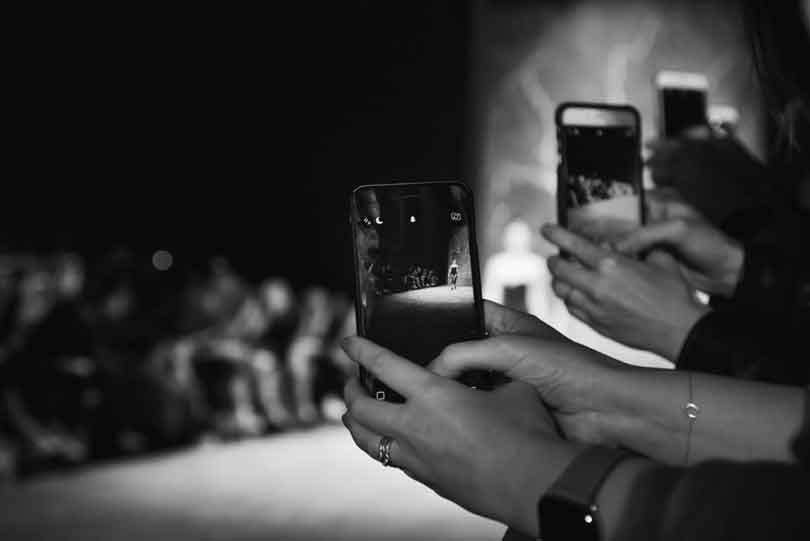
Even luxury has not escaped the race. Fashion houses once associated with rarity and permanence now compete for digital attention alongside mass-market brands. Between seasonal collections come capsules, collaborations, drops and special editions. Designers are expected not only to create clothing but to generate a continuous stream of images and moments. Creativity itself risks being placed on a production line, although meaningful creative work requires research, reflection and failure.
This speed is also changing how we understand personal style. Genuine style develops slowly, through repetition, experimentation and the gradual discovery of what makes us feel most ourselves. The trend machine instead encourages us to perform a new identity every few weeks. There is pleasure in transformation, certainly, but there is a difference between playful reinvention and being kept permanently dissatisfied with our own reflection.
Slowing fashion down does not mean rejecting beauty, novelty or desire. Fashion has always changed, and change is part of its fascination. It means restoring proportion: giving clothes enough time to be considered, made, worn, repaired and remembered. It means asking whether every passing fascination needs to become a product and whether every product needs to belong to us.
For the industry, this requires more than another collection described as “timeless”. Brands must examine how much they produce, how frequently they launch and what happens to unsold garments. Suppliers need realistic deadlines and prices that support decent work. Clothes should survive repeated washing as well as changing tastes. Sustainability cannot sit comfortably beside a business model that depends on making customers feel unfashionable every seven days.
Perhaps the most radical garment today is not the newest one, but the one that remains: the jacket repaired at the elbow, the dress restyled for another evening, the scarf inherited from a mother, the shirt softened by years of washing. Such pieces remind us that clothing can have a life beyond its first appearance.
Fashion is becoming too fast for the planet, its workers, creativity and perhaps for us. Slowing down will require courage because the system profits from our hurry. Clothes were once companions, markers of time and keepers of memory. They can become so again. The first step may simply be to stop running after fashion long enough to ask where it is taking us.