Finding Direction, Purpose, and Growth: A Conversation with Anargi Elwitigala
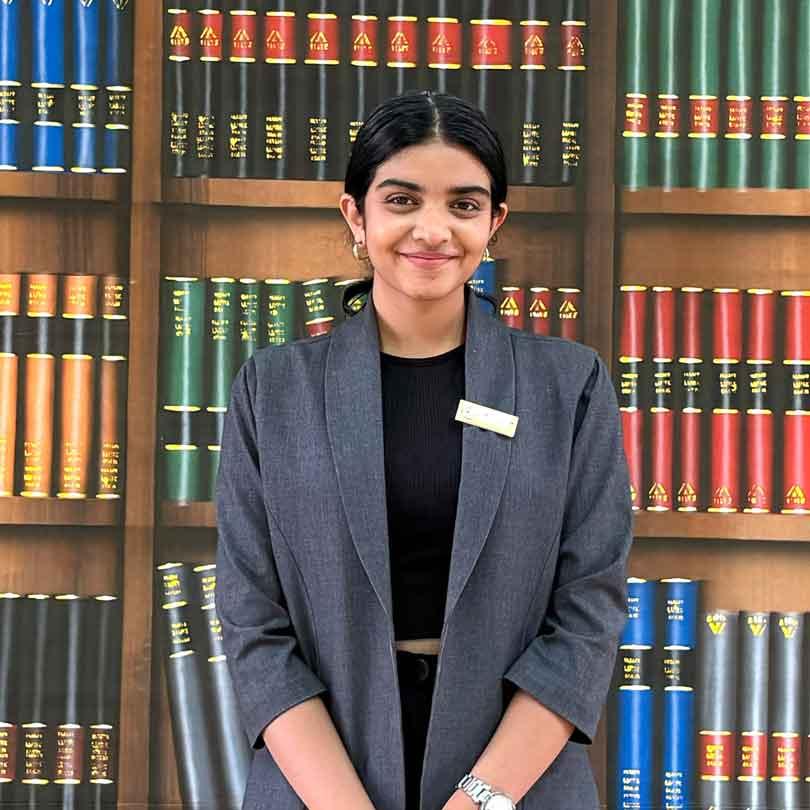
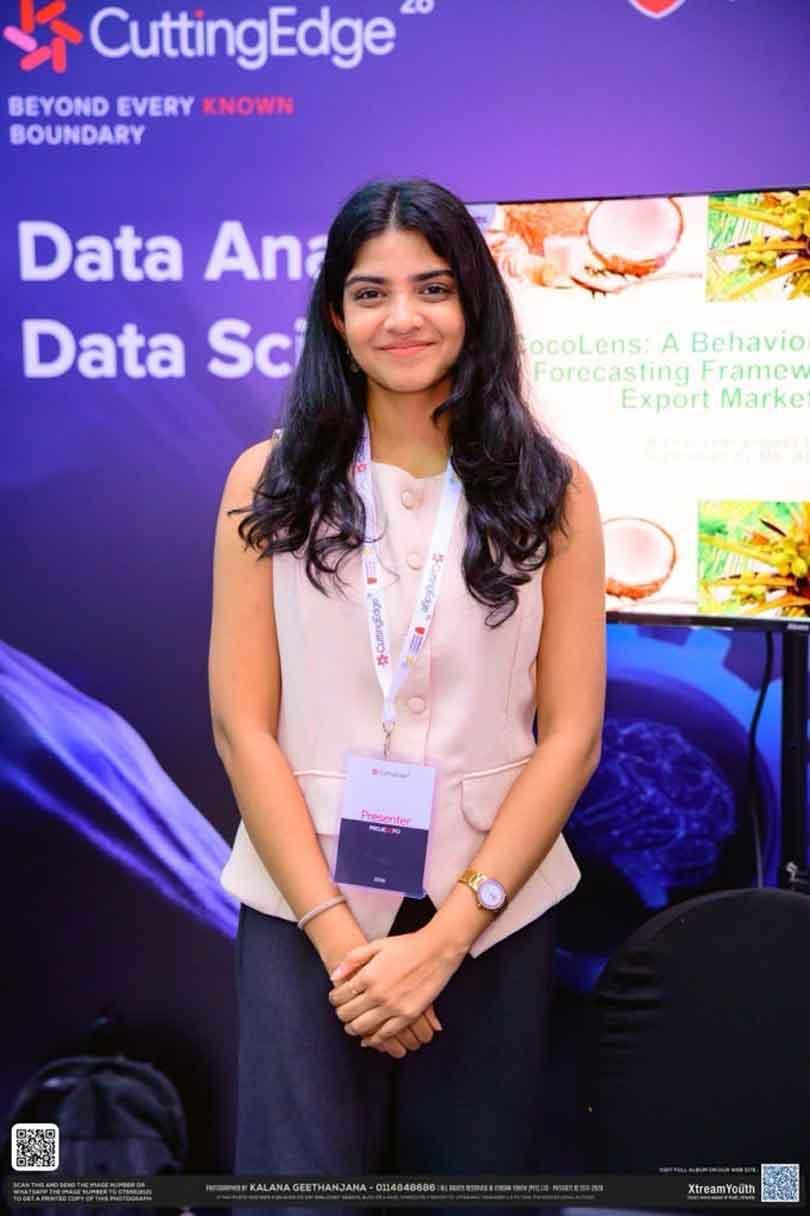
At 21, Anargi Elwitigala has already built a journey that crosses technology, project management, academic achievement, leadership, teaching, and youth empowerment. After finishing school at 17, she entered university and began working at 18, gaining experience in administration, finance, and information technology project management. Today, as a Project Assistant at MillenniumIT ESP, she contributes to projects spanning banking, cybersecurity, infrastructure, and enterprise solutions while continuing to develop her understanding of people, responsibility, and leadership. Her achievements also extend beyond the workplace. She graduated with First Class Honours, received the Best Final Year Project award in Business Data Analytics at CuttingEdge’26, teaches Economics to Cambridge students, and contributes to New Generation Sri Lanka. Through each experience, Anargi has learned to value curiosity, adaptability, empathy, and consistent effort. In this conversation, she reflects on finding direction, handling pressure, pursuing growth, and creating meaningful opportunities for others.
Q: At just 21, you have already explored several fields and responsibilities. What has your journey taught you about finding direction as a young professional?
A: The biggest lesson for me is that you do not need to have everything figured out from the beginning. I finished school at 17, started university soon after, and began working when I was 18. Since then, I have had experience in administration, finance, and now information technology project management. I think being young gives us room to experiment. We can try things, make mistakes, change direction, and discover what genuinely works for us. I do not see mistakes as entirely negative experiences. I try to ask what I can learn from them and how I can improve. The world changes quickly, so being adaptable, curious, and willing to learn matters more to me than having a perfect career plan at 21.
Q: You currently work as a Project Assistant at MillenniumIT ESP. What has working across banking, cybersecurity, infrastructure, and enterprise solutions taught you about project management?
A: Working at MillenniumIT ESP has been a major learning experience because no two projects are exactly alike. The scope can change, team dynamics differ, and every client has different expectations. That means you constantly have to understand the situation in front of you rather than assuming one approach will work everywhere. For me, project management is fundamentally about bringing people together and making sure something gets done well. Unexpected issues, delays, and changes are always possible, so the way you respond matters. I have learned that staying calm and communicating clearly can make a significant difference. I have also learned that people cannot all be managed in the same way. Building trust requires understanding what matters to them while still keeping the project moving. Project management is therefore as much about people and situations as it is about tasks and schedules.
Q: Your leadership experience began in school and continued at university and in professional settings. How has your definition of leadership changed?
A: When I was 16, I probably thought leadership meant being the person in charge. Now I see leadership as listening, understanding people, and knowing when to step forward and when to give someone else space to lead. Every team includes people with different strengths, personalities, and challenges. A good leader should create an environment where those people can contribute their best rather than simply telling them what to do. I have also realized that a title does not automatically make someone a leader. People remember how you treated them, whether you supported them when things became difficult, and whether you were prepared to take responsibility with them. For me, empathy and accountability have become central to leadership.

Q: What drew you to New Generation Sri Lanka, and what does being part of a youth driven organisation mean to you?
A: Sayumi Jayawardene, the current Chairperson of New Generation Sri Lanka, introduced me to the organisation. I had the opportunity to work with her at UNDP, and hearing about New Generation and the work it was doing encouraged me to become involved. What I value most is that a youth driven organisation takes you outside your own bubble. You meet people your age who are achieving remarkable things in completely different fields. I also believe platforms like New Generation matter because Sri Lanka has many talented young people who may simply need an opportunity, guidance, or visibility.
Q: You were also involved in the 7th New Generation Youth Top40 Awards. What did an initiative of that scale teach you about responsibility and pressure?
A: It showed me how interconnected teamwork really is. When many people, deadlines, and responsibilities are involved, a delay in one area can affect several others. That made me understand the importance of taking ownership of whatever is assigned to me and communicating early when something is not going according to plan. It also taught me to stay calm when pressure increases. You have to focus on what can be done next and work with the people around you. Seeing everything come together was extremely rewarding.
Q: You have balanced work, CIMA studies, university, extracurricular commitments, and teaching. How do you manage your time when everything competes for attention?
A: I cannot say I achieve perfect balance every day, because I do not think balance always looks the same. If I have an important exam approaching, studying may require me to say no to going out or to temporarily put other things aside. At another time, work or family may need more of me. I try to prioritise instead of expecting myself to do everything at once. There are also days when I have no motivation, and I think that is normal. On those days, I remind myself of the life I want to build in the future. I would rather make certain sacrifices now than look back years later and wish I had pushed myself more. Remembering that usually helps me keep moving.
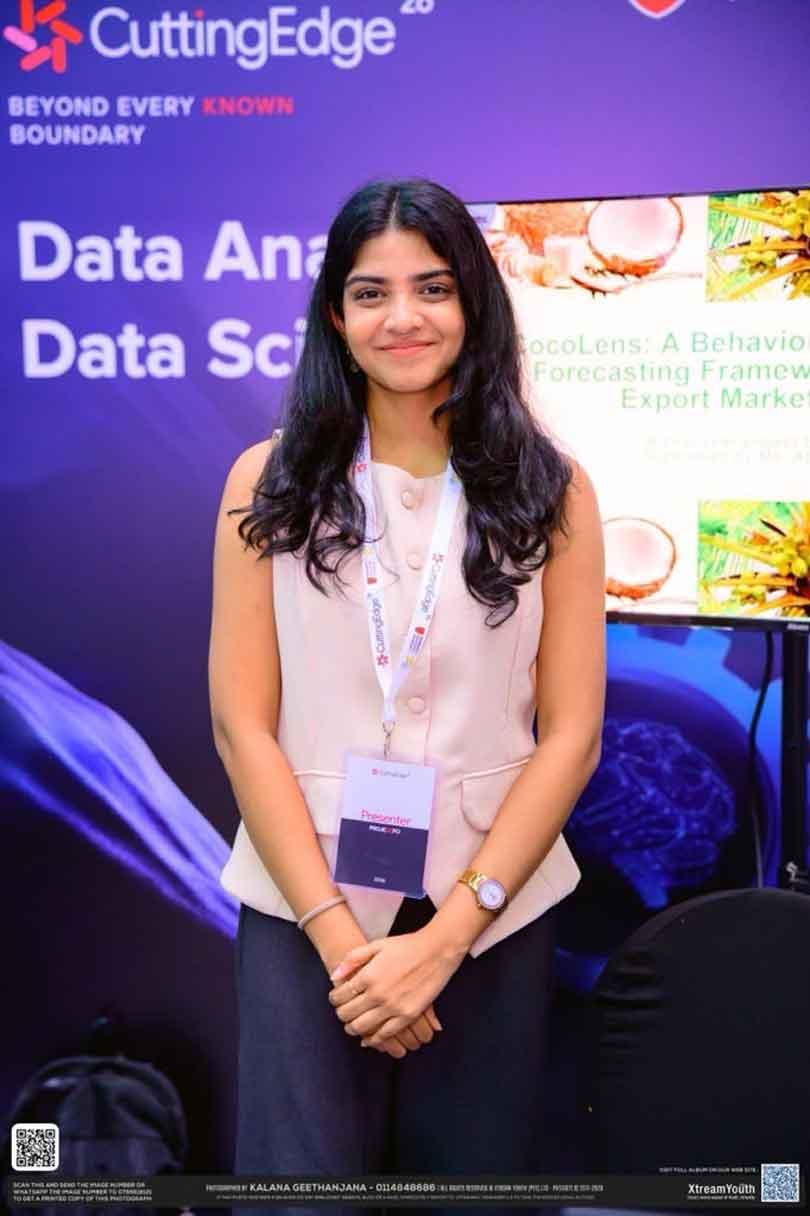
Q: You graduated with First Class Honours and won Best Final Year Project in Business Data Analytics at CuttingEdge’26. How do you view academic achievement alongside practical experience?
A: Academic achievement has always mattered to me. My parents encouraged me to keep learning and take education seriously, and my younger sister has also been a constant source of motivation. From the beginning of university, I set myself the goal of graduating with a First Class and doing well in my final year project. Having clear goals gave me something concrete to work towards. At the same time, I was working while studying, so I was learning beyond the classroom too. I believe education and practical experience complement each other. Education provides knowledge and a strong foundation, while work teaches you how to apply yourself, communicate, solve problems, and respond to real situations. A positive mindset, supportive people, and remembering why I started helped me continue.
Q: You also teach Economics to Cambridge O’Level and A’Level students. What made you start teaching, and what keeps you interested in it?
A: I started teaching soon after finishing school because I enjoyed helping students understand concepts, they once found difficult. Students learn in different ways, so I try to make lessons relatable, engaging, and easy to understand. What I enjoy most is seeing confidence develop. There is something rewarding about watching a student move from saying they cannot do something to realising they are fully capable of understanding it. Teaching has also reminded me that knowledge becomes more meaningful when you can communicate it clearly. It requires patience, flexibility, and an understanding of the person in front of you, which are qualities that also help me in other parts of my professional life.
Q: Looking ahead, what impact do you hope to make, and what advice would you give young Sri Lankans who are still finding their place?
A: Professionally, I want to continue progressing in my career, but entrepreneurship is also something I have always wanted to explore. I have already started working towards that goal, and I would eventually like to build something of my own that creates genuine value. Personally, I want to remain grounded regardless of how far I go. I believe that what you put into the world eventually finds its way back to you. If I can grow while helping people around me grow or make a positive difference in even one person's journey, I would consider that meaningful. To young people who have big ambitions but still feel uncertain about where they belong, I would say there is no need to panic because everything is not figured out yet. Stay curious. Take opportunities. Make mistakes and learn from them quickly. Keep dreaming big but remember that dreams only become meaningful when you are prepared to work for them. Do not settle simply because something feels safe or familiar.