SAW HIM & THE GUITAR ON YOUR FEED? THERE’S MORE TO THE STORY: MEET SHEVON RODRIGO
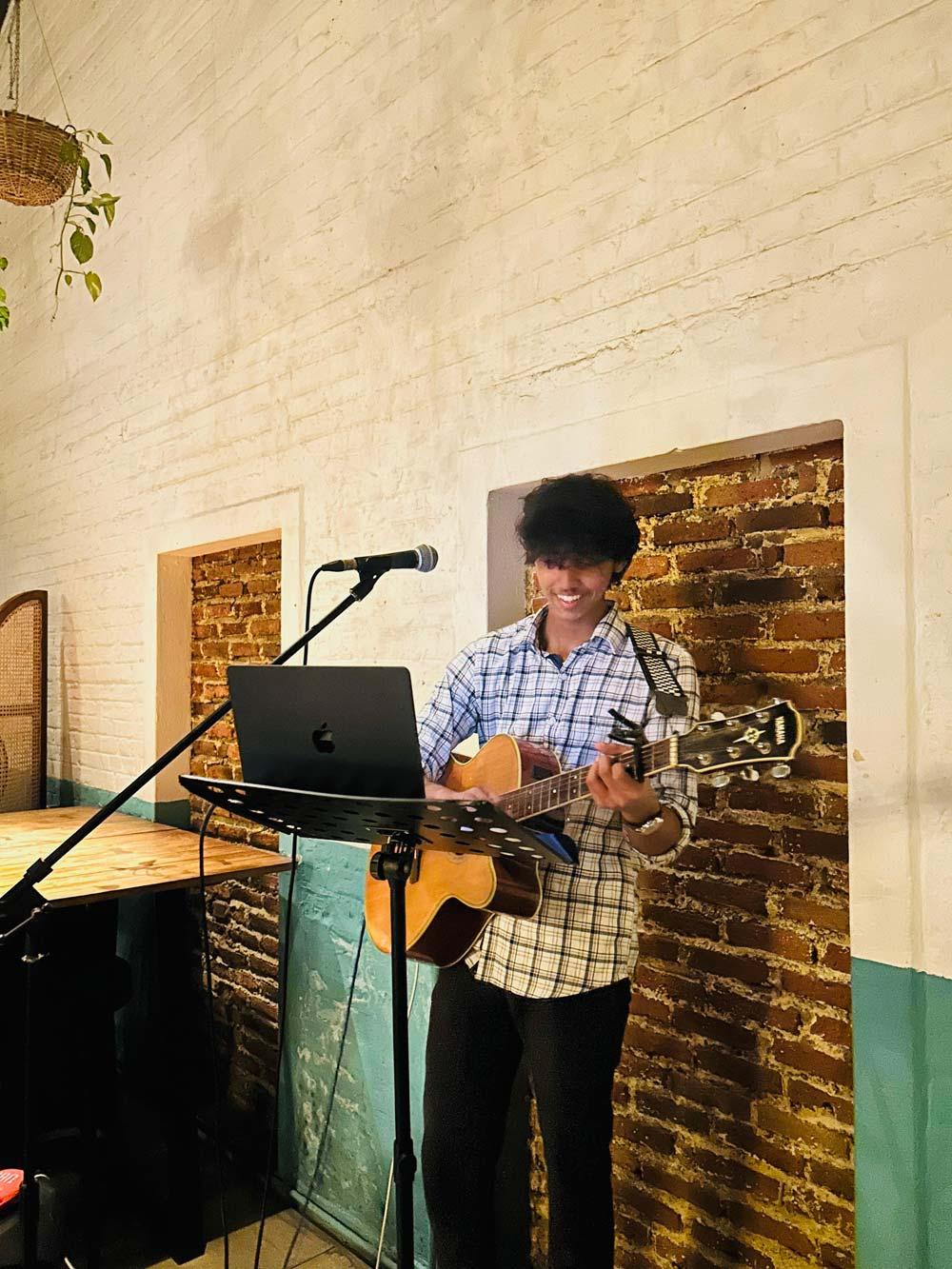
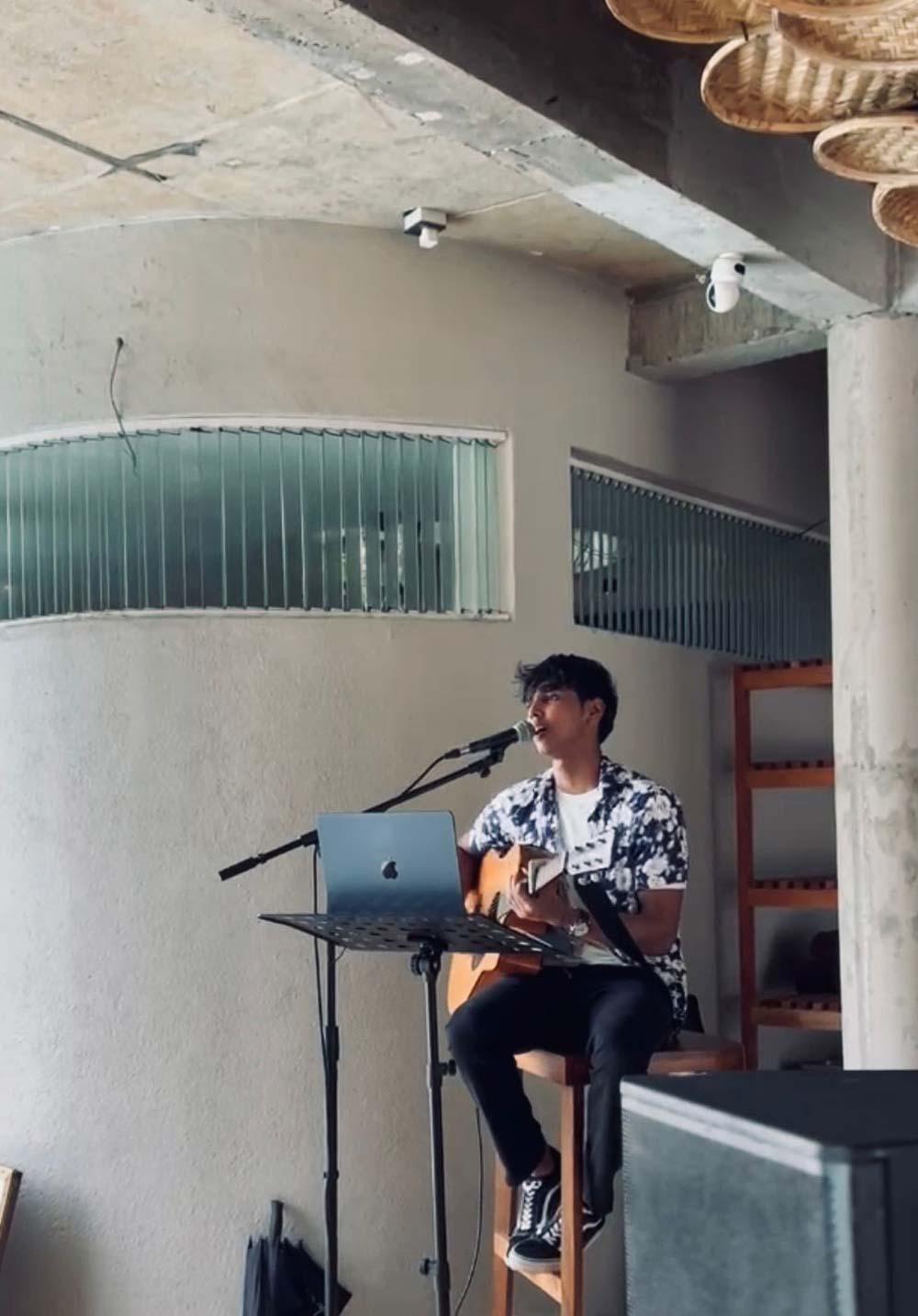
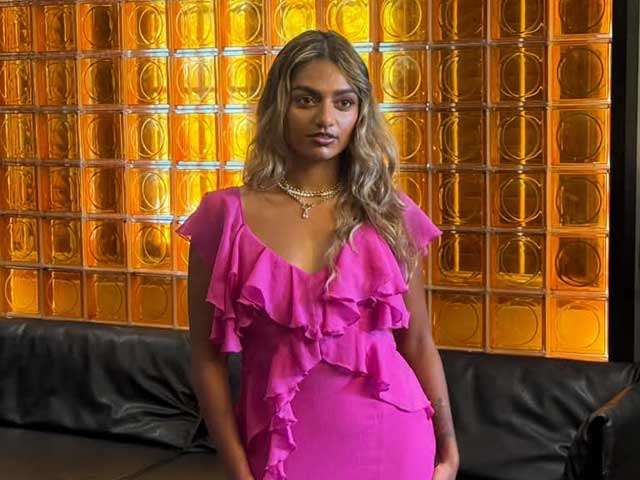
Software engineering student, musician and songwriter Shevon Rodrigo is on a journey of reshaping his path after a life-altering incident. With an instinct to keep moving forward, Shevon channels his creativity through music, his analytical mind through software engineering, and all while supporting his father’s business, refusing to be defined by a single lane. “Life is what happens when you’re busy making plans” is perhaps one way to understand his story, a reminder that while life may rewrite the plans we make, it does not have to rewrite our ambitions.
 Q. You study software engineering, write music, sing, play instruments and work alongside your dad. Do you feel like you belong to one particular world, or have you always been someone who exists somewhere between different worlds?
I think I’m someone who definitely likes to exist in different worlds. I know a lot of people don’t like change, but I guess that’s not really me. I love waking up not knowing what new things are going to come up that day. I think that’s also why I love music so much. Music is a form of art, and creating art always means coming up with something that you haven’t encountered before. At the same time, that love for change has also shown me one of my weaknesses: consistency. I get bored pretty quickly when something becomes repetitive, and that’s something I’m still working on. Even with music and songwriting, I sometimes jump from one song to another without finishing what I started. So, to sum it up, I definitely feel like I’m someone who likes getting my hands on different things rather than belonging to just one world.
Q. Take us through your journey with music; from the moment you first discovered your love for it to where you are today. How has songwriting, singing and playing instruments shaped you, and how has your relationship with music evolved along the way?
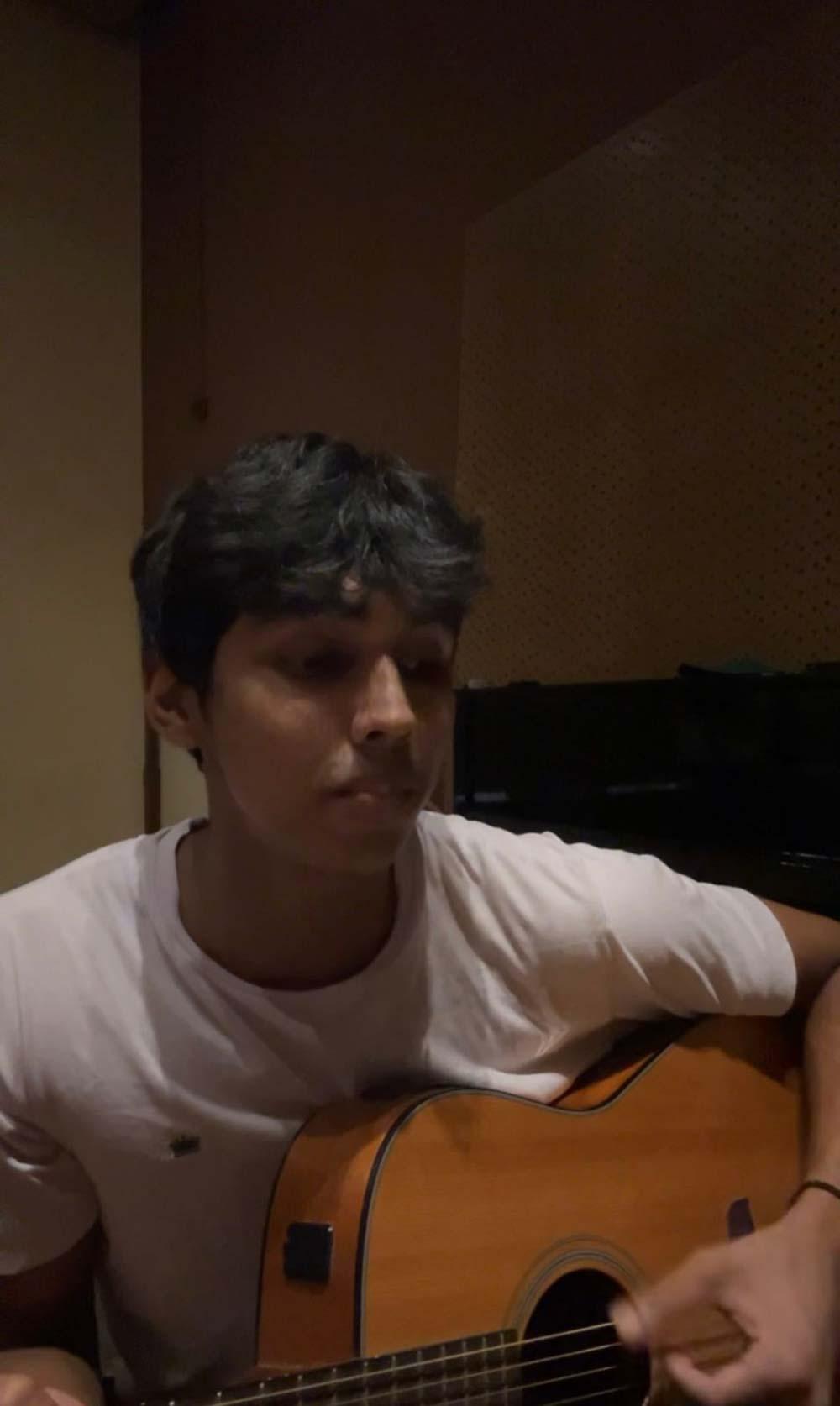
I’ll always be thankful to my parents because they were the ones who put me into music when I was pretty much a baby. My family has always been quite into music, so that was really the beginning of my journey. I definitely don’t believe I’m the best musician or the best singer out there, because there will always be someone who can sing better than you or play better than you. But no one can be a better “you” than you. I think that’s why my relationship with music has become so strong. I’ve learnt a lot about myself through music and especially through songwriting. I started writing songs when I was around 14 or 15, and that was heavily influenced by Chris Martin and Coldplay. Before that, I had never really tried writing a song or a piece of music. Then I discovered Coldplay, started watching their videos and listening to their music, and I remember thinking, “I really want to write something like that. That’s so cool.” That was really the beginning of songwriting for me, and from there, my relationship with music just kept growing. Today, music isn’t just something I do. It’s one of the ways I understand myself and express things that I sometimes can’t put into words normally. Being an introverted person, I tend to put out my thoughts and what I feel a lot through music and by writing songs.
Q. Beyond music, software and technology have become a significant part of your life, both as a software engineering student and through working alongside your dad, where you contribute to the technical side of the business. What is it like being able to take what you learn in the classroom and apply it to real-world situations?
Like I said earlier, I don’t like being in one place and I don’t like repetition, so working with my dad and helping with the businesses he started has actually been really good for me. It keeps my mind occupied, but more importantly, I genuinely enjoy being involved. My dad is involved in shipping and logistics, and we’ve also started a spice brand, so I’ve found myself working in industries that are quite different from what I study. What’s interesting is seeing how my generation approaches technology and problem-solving compared to my dad’s generation. Sometimes we look at the same problem completely differently. Being able to take what I learn in software engineering and apply it to something that already exists in the real world has taught me that technology isn’t really about technology itself. It’s about finding better ways of doing things. There’s definitely a learning curve, but that’s also what makes it interesting for me.
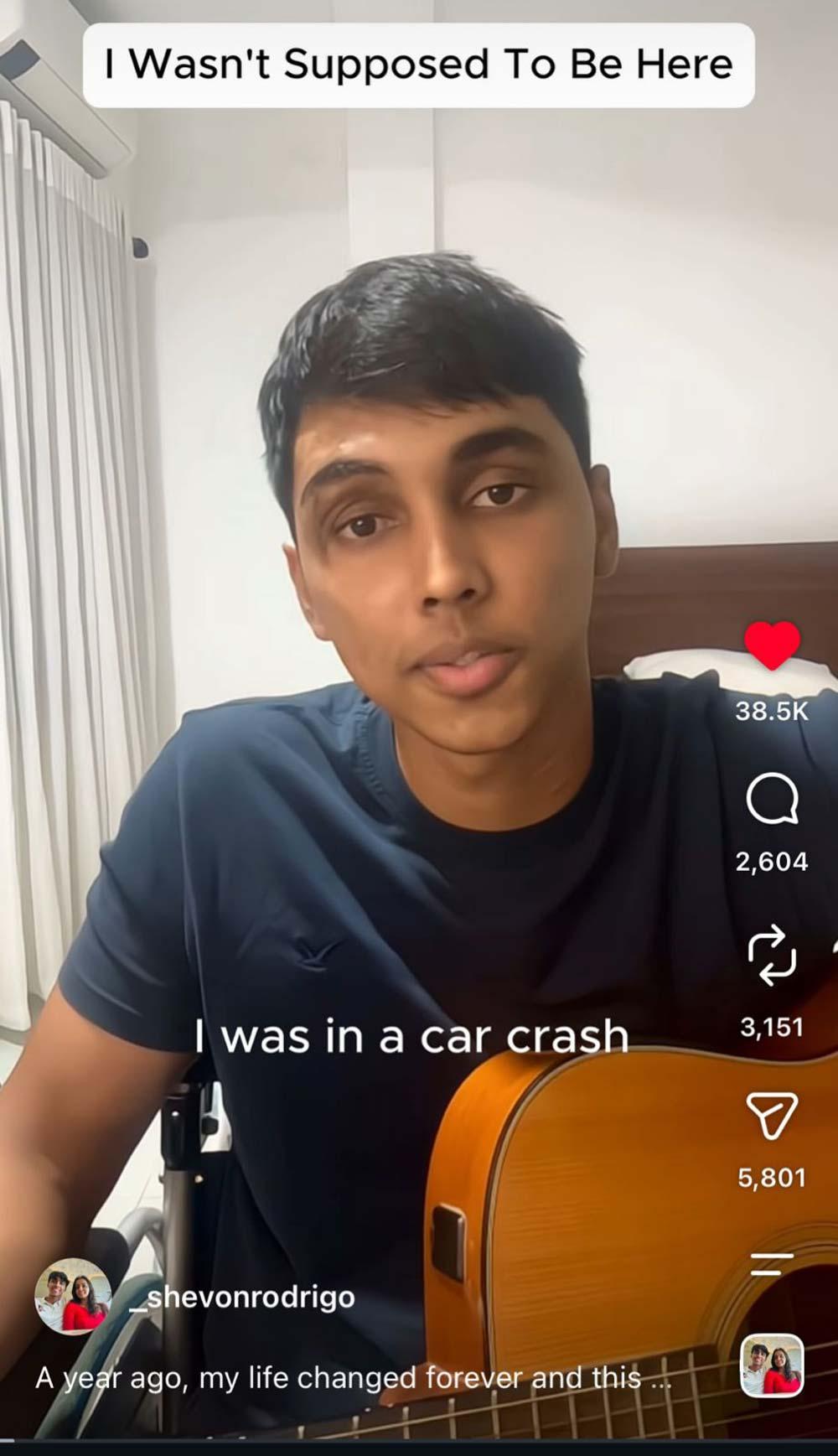
Q. Your journey has also been marked by an experience that changed your life in ways you could never have anticipated. How did surviving the accident reshape the way you see yourself and the life ahead of you?
This is a very deep question, and the truth is, I don’t even know where to start. But I will say this: I nearly died, and it’s at your lowest that you really see the people who care about you. It’s harsh, but that’s a fact. I don’t think I could ever put into words how much the accident has changed my life and affected me. To be completely fine one day and then wake up in a hospital the next morning unable to move or feel below your chest is something that leaves a mental scar. For me personally, the hardest part of dealing with the accident has been the mental side of it. I had a completely different idea of what my life was going to look like, and suddenly I had to learn how to live in a body that worked differently and navigate a world that often isn’t designed with people like me in mind. I’m still learning how to accept that. I don’t think acceptance is something that happens once and then you’re done with it. Some days are easier than others. But the accident has definitely changed the way I see myself, my future and even what I consider important in life.
Q. When people hear that someone survived an accident, they often immediately see them as a “survivor.” Do you ever feel that word tells only a fraction of your story?
Definitely. I don’t want my story to end with people saying, “Ah, he survived.” I want it to say, “He survived, he fought, and he keeps fighting.” There’s a lot of sympathy associated with the word “survivor,” and although I understand that sympathy is a natural human response, I don’t want people to know me only because of what happened to me. I want people to know me for what I’ve done and what I’m continuing to do after the accident. I want the story to be about everything I’ve built, everything I’ve learned, the music I create, and the ways I’m trying to push beyond the restrictions the accident brought with it. So yes, “survivor” is a part of my story. But it’s not how I want people to remember me.
Q. Your story has taken you through music, technology, family, unexpected challenges and new beginnings. When you look at everything that has brought you here, what are you hoping the next chapter of your story looks like?
I don’t know. Before the accident, I used to plan a lot. I had ideas about what I wanted to be doing when I was 25, 26 and beyond. Then the most unexpected thing happened to me and shattered all those plans. In a strange way, that was also a lesson. Instead of constantly thinking about who I want to be five or ten years from now, I focus much more on what I’m doing today. It’s good to have dreams and ideas about what you want to achieve in 10 or 15 years, but I don’t think you should plan every little detail because life doesn’t take you down a simple path. So, I don’t know what the next chapter of my life looks like. But after everything that has happened, I know what I want to do with it. I want to share my music and my story in the hope that it helps or gives some light to someone else going through a rough time. And, in whatever way I can, I want to contribute to the fight to end paralysis one day. I don’t know exactly where that road will take me. I just know I want to keep moving forward.