WHY DO WE TRUST TIKTOK FOOD REVIEWS?
BY YASHMITHA SRITHERAN
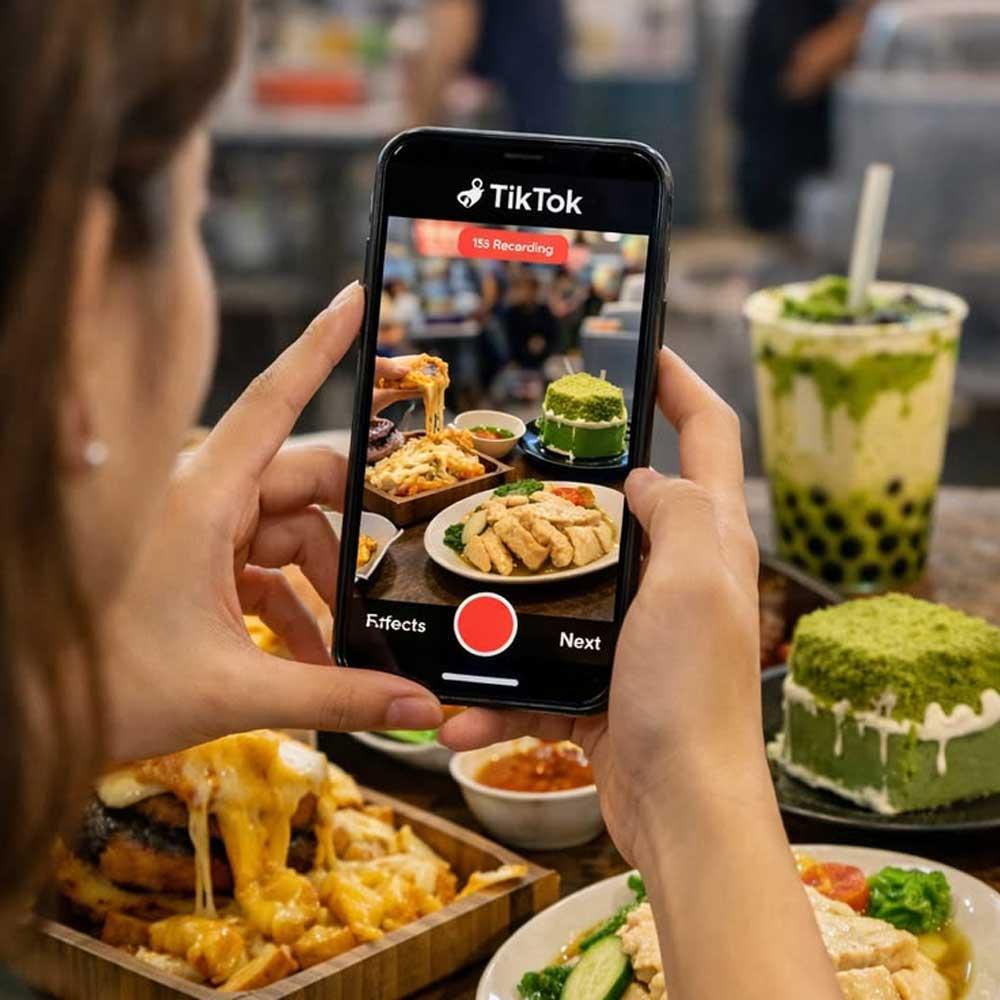
Have you ever watched a TikTok video of someone trying a cheesy burger, a plate of spicy noodles or a delicious-looking dessert and immediately felt like visiting that restaurant? You are not alone. These days, choosing where to eat is no longer just about asking friends for recommendations or checking Google reviews. For many people, especially younger generations, TikTok has become a place to discover restaurants, cafés and hidden food spots. A short video showing delicious food, a beautiful restaurant and someone enjoying their meal can be enough to convince us to spend our money there. But have we ever stopped to wonder why we trust these reviews so easily?
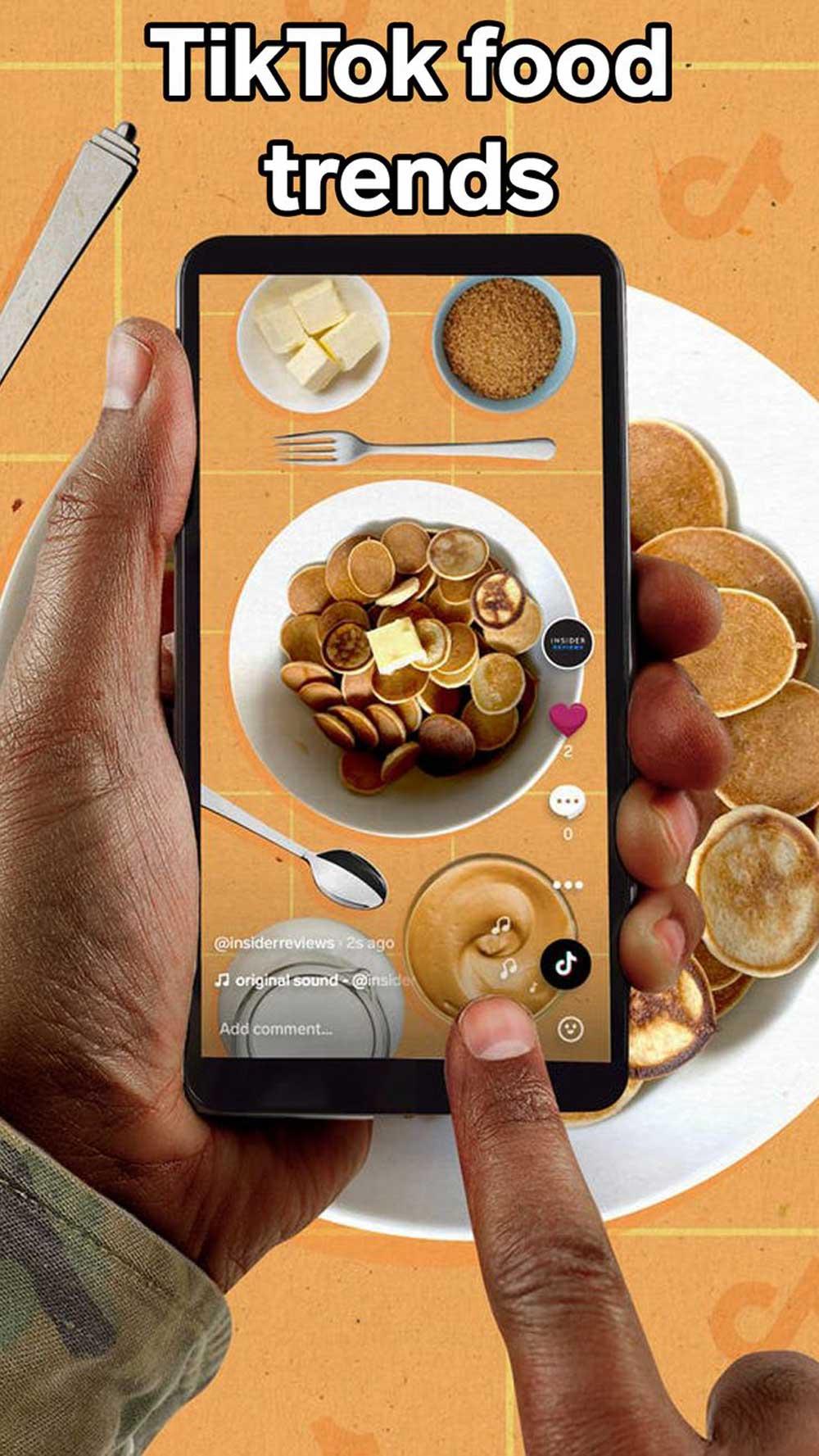
There was a time when people depended on newspaper reviews, food magazines and recommendations from family and friends to decide where to eat. Today, things have changed. Instead of reading a long review, people can watch a 30-second video and get a quick idea of what a restaurant offers. From street food stalls to expensive fine-dining restaurants, almost every type of food can be found on TikTok. The platform has made food discovery faster, easier and much more entertaining.
One of the biggest reasons people trust TikTok food reviews is that they feel personal. Unlike traditional advertisements, which are carefully planned and professionally produced, many TikTok videos appear natural and spontaneous. A creator might sit at a restaurant, take a bite of food and share their immediate reaction. Sometimes they laugh, look surprised or describe the taste with excitement. These reactions make viewers feel as though they are receiving a recommendation from a friend rather than watching an advertisement.
However, what appears natural on camera may not always tell the complete story. Some videos are sponsored, meaning restaurants pay creators or provide complimentary meals in exchange for content. While paid collaborations are not necessarily dishonest, viewers may not always realise that the creator has received something in return for the review. This raises an important question: are we trusting the food, or are we trusting the person presenting it?
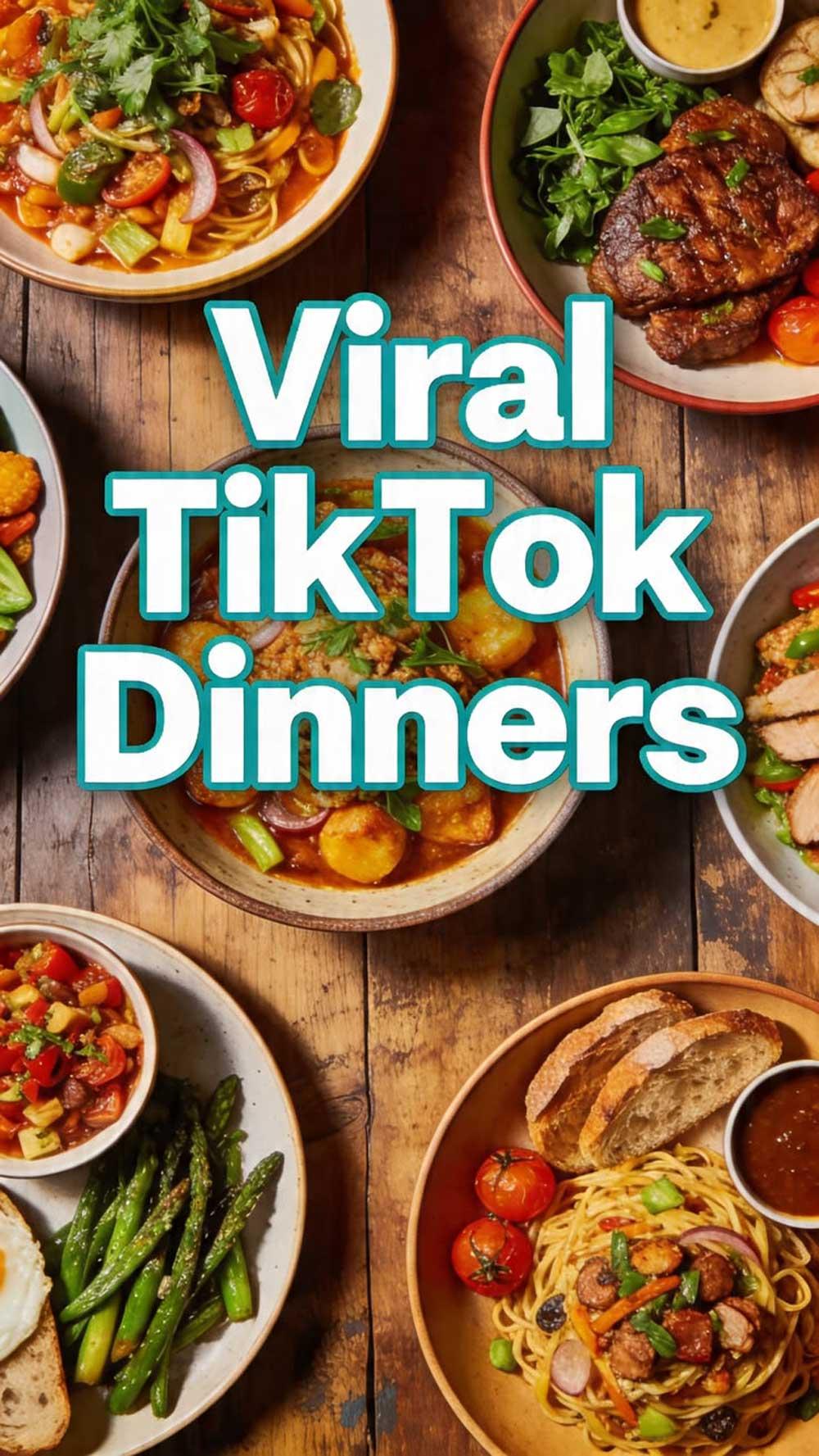
Another reason TikTok food reviews are so convincing is their visual appeal. Food is something people naturally enjoy looking at, especially when it is presented attractively. Imagine watching a video of melted cheese stretching from a pizza, chocolate pouring over a dessert or crispy fried chicken being pulled apart. Even without tasting the food, our minds begin to imagine how delicious it might be.
Restaurants understand this attraction. Many now pay attention not only to how their dishes taste but also to how they appear on camera. Colourful drinks, creative food presentations, unusual serving methods and beautifully decorated interiors are increasingly popular on social media. Sometimes, a restaurant becomes famous not because its food is exceptional, but because its dishes look impressive in videos.
This creates another interesting problem. Can a dish that looks amazing on TikTok actually disappoint us in real life? Absolutely. A perfectly filmed burger may turn out to be average, while a simple plate of rice and curry from a small restaurant might taste far better. Unfortunately, flavour cannot be experienced through a phone screen. We can see the food, but we cannot smell it, taste it or judge its freshness.
The influence of TikTok food reviews is also connected to something called the fear of missing out, commonly known as FOMO. When a particular café or restaurant starts appearing repeatedly on our feeds, we become curious. If everyone seems to be visiting the same place, ordering the same dessert or trying the same drink, we naturally want to experience it too.
This is especially noticeable when a restaurant suddenly becomes popular online. Long queues begin forming, reservations become difficult and certain dishes sell out quickly. People may visit not only because they are hungry but also because they want to be part of the trend. Taking photographs, recording videos and sharing their experiences become part of the dining experience itself.
Interestingly, the popularity of a restaurant can sometimes influence how we judge its food. When we arrive expecting something extraordinary, we may convince ourselves that the experience is better than it actually is. On the other hand, extremely high expectations can also lead to disappointment. A restaurant that receives endless praise online might struggle to satisfy customers who arrive expecting perfection. Another important factor is the relationship between creators and their followers. When we regularly watch someone reviewing restaurants, we become familiar with their personality, preferences and opinions. Over time, this familiarity can develop into trust. We may begin believing their recommendations because we feel we know them, even though we have never met them. But food preferences are deeply personal. What one person considers delicious might be too spicy, too sweet or simply uninteresting to someone else. A creator who loves seafood may recommend a restaurant that does not appeal to someone who prefers vegetarian dishes. Similarly, a person who enjoys expensive dining experiences might judge value differently from someone looking for an affordable meal. This is why one person’s opinion should never be treated as a universal truth.
TikTok has also created valuable opportunities for small restaurants and home-based food businesses. A single video can introduce a previously unknown business to thousands of potential customers. Small cafés, family-run eateries and street food vendors can receive attention without spending large amounts on traditional advertising. For businesses with limited marketing budgets, this kind of exposure can make a meaningful difference. At the same time, viral popularity can bring challenges. A small restaurant may suddenly receive more customers than it can comfortably serve. Longer waiting times, rushed service and inconsistent food quality can follow. What began as a positive review can create expectations that a business is not fully prepared to meet.
So, should we stop trusting TikTok food reviews? Not necessarily. They can be useful when we approach them with a little more awareness. Instead of depending on one viral video, we can compare different reviews, check recent customer feedback, look at menus and consider whether the prices match our expectations. It is also worth paying attention to creators who openly discuss both the positive and negative aspects of their dining experiences. Ultimately, TikTok has changed the way we discover food, and that is not entirely a bad thing. It has encouraged people to explore new cuisines, support local businesses and become more adventurous with their dining choices. However, an entertaining video should be the beginning of our curiosity, not the final answer. The next time a TikTok food review makes you want to rush to a restaurant, remember that a beautiful presentation, an excited reaction and thousands of likes do not automatically guarantee a delicious meal. After all, the camera can show us how good food looks, but only our taste buds can tell us how good it really is.