IN CONVERSATION WITH DR. IRESHA UDAYANGANI SILVA PRESERVING SRI LANKA’S AYURVEDIC HERITAGE THROUGH ENTREPRENEURSHIP AND WELLNESS TOURISM
HER STORY, HER STRENGTH BY DR. SULOCHANA SEGERA
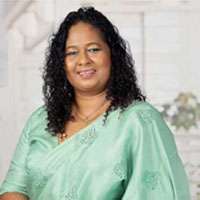
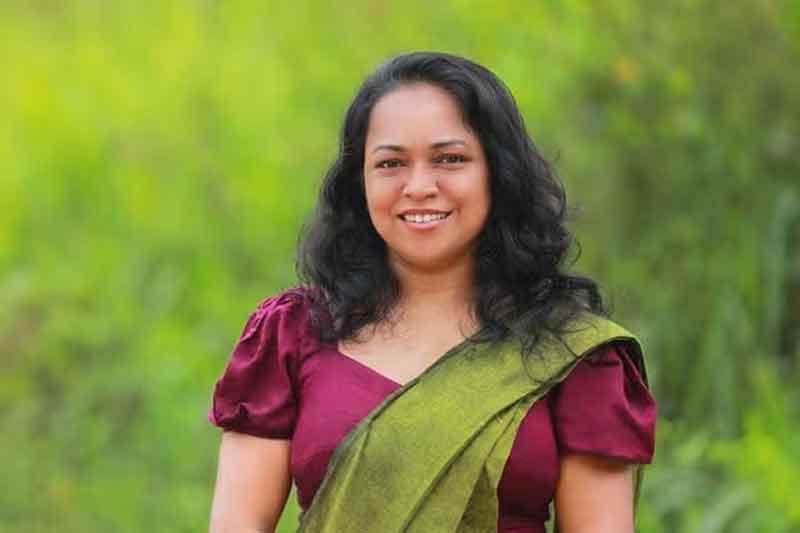
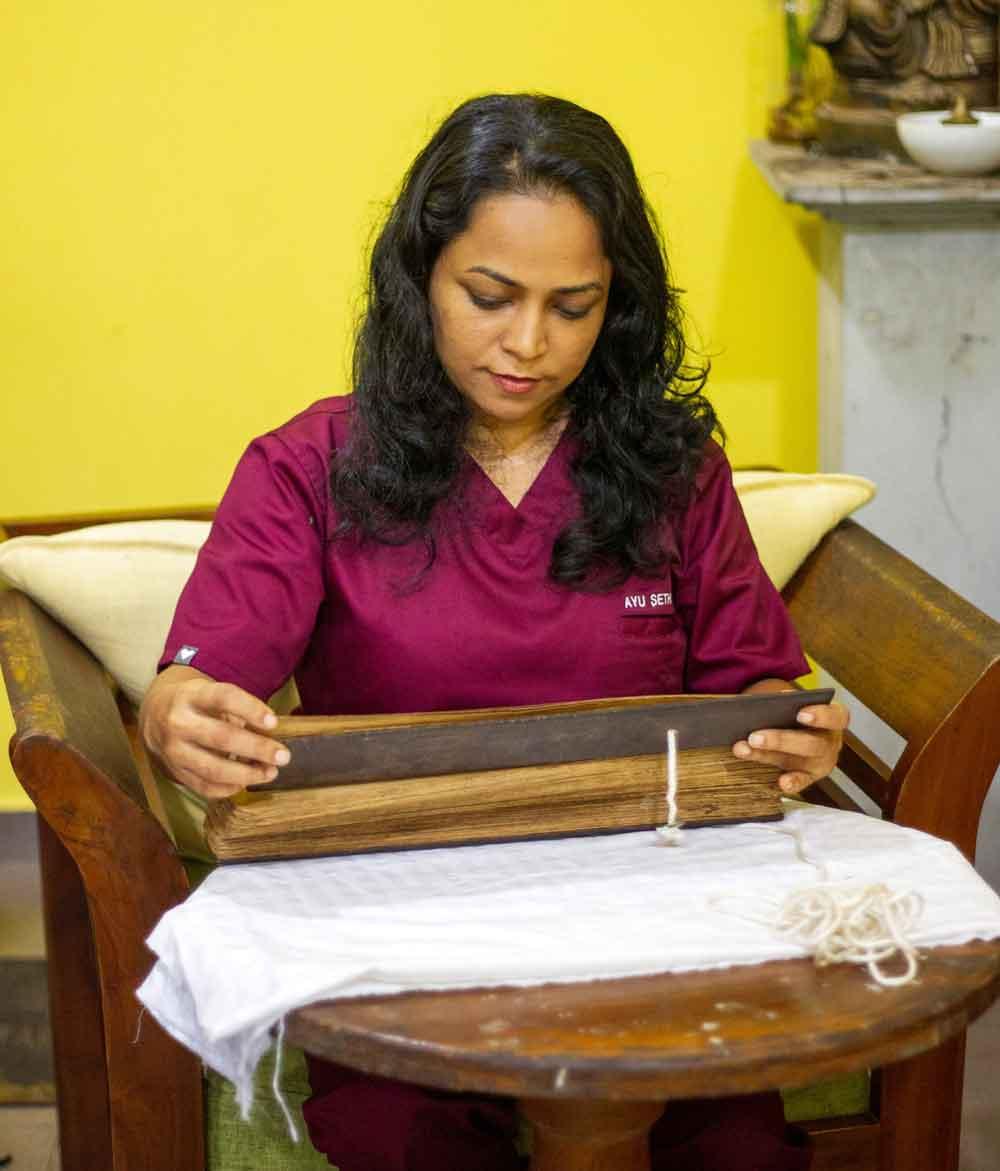
For Dr. Iresha Udayangani Silva, Ayurveda represents far more than a medical profession. It is a lifelong commitment to healing, cultural preservation, and creating opportunities through entrepreneurship. A graduate of the University of Colombo, she chose to pursue an independent professional journey rather than follow the conventional path of government employment. In 2014, she established SETH ULPATHA WEDA MADURA in Malabe, laying the foundation for a career that would eventually extend beyond clinical practice into international wellness tourism. Today, as a Director of AYU SETH CEYLON TRAVELS (PVT) LTD and a winner of the WIM MSME Awards 2025, she is working to introduce Sri Lanka’s authentic Ayurvedic traditions to a wider global audience. With a particular interest in strengthening connections with Japan, she believes traditional medicine can support sustainable tourism, empower local communities, and create meaningful opportunities for women entrepreneurs while preserving the integrity of Sri Lanka’s healing heritage.
What inspired you to study Ayurveda at the University of Colombo, and how did that education shape your career?
My decision to pursue Ayurveda came from a genuine passion for medicine and a deep appreciation of Sri Lanka’s traditional healing knowledge. I wanted a profession through which I could improve people's well-being while contributing to the preservation of an important part of our cultural heritage. Studying at the University of Colombo gave me a strong academic and professional foundation. Beyond medical knowledge, it taught me discipline, responsibility, and the importance of continuous learning. I came to understand that being a physician requires compassion, ethical judgment, and respect for every patient. My subsequent academic involvement in tourism broadened my perspective further. It helped me recognise how traditional healthcare, culture, nature, and tourism could complement one another. That understanding eventually became an important influence on my entrepreneurial ambitions.
Why did you choose entrepreneurship instead of pursuing a conventional career in the government healthcare sector?
Choosing entrepreneurship was one of the most important decisions of my professional journey. Government service offers valuable opportunities, but I wanted to create something that reflected my own vision of Ayurvedic healthcare.
My ambition was not simply to practice medicine. I wanted to establish an environment where authentic traditional treatments could be delivered with personal attention, professional responsibility, and respect for patients. Entrepreneurship gave me the freedom to develop that approach independently. It also allowed me to explore new possibilities for promoting Ayurveda beyond the traditional clinical setting. Of course, independence brings considerable responsibility. You must make decisions, manage resources, establish credibility, and accept uncertainty. Nevertheless, I believed that building my own institution would allow me to make a meaningful contribution to healthcare while creating opportunities for future growth.
You established SETH ULPATHA WEDA MADURA in 2014. What motivated you, and what challenges did you encounter?
When I established SETH ULPATHA WEDA MADURA in Malabe in May 2014, I wanted to create a place where patients could experience authentic Ayurvedic care in a compassionate and professional environment. The beginning was challenging. I did not have substantial financial resources, and establishing a medical centre required careful planning, financial discipline, and considerable personal commitment. One of the greatest challenges was earning patients' trust. People naturally want reassurance when choosing a healthcare provider, particularly a newly established institution. I had to demonstrate consistency, professionalism, and genuine concern for their well-being. Managing a business while maintaining my responsibilities as a physician was another important learning experience. Every decision had to balance financial sustainability with the quality of patient care. Those early challenges strengthened my determination. They taught me that a successful institution cannot be built overnight. It requires patience, dedication, and an unwavering commitment to its purpose.
As a woman entrepreneur, how did you establish credibility and build lasting relationships with patients?
I believe trust is the foundation of any successful healthcare practice. Qualifications are essential, but patients also need to feel respected, understood, and confident about the care they receive. From the beginning, I made listening to patients a priority. Understanding their concerns, explaining treatment options clearly, and maintaining confidentiality helped establish meaningful professional relationships. I also remained committed to authentic Ayurvedic principles, professional ethics, hygiene, and patient safety. These responsibilities are especially important in a field where public perceptions can sometimes be influenced by misunderstandings. Over time, returning patients, positive experiences, and personal recommendations contributed to the centre's reputation. Being a woman entrepreneur certainly brings additional responsibilities, but I have always believed that credibility comes from competence, consistency, and integrity. When people recognise your dedication and professionalism, their confidence grows naturally.
What did winning a WIM MSME Award in 2025 mean to you?
Receiving recognition at the WIM MSME Awards 2025 was a deeply meaningful milestone. It represented encouragement for the work I had undertaken since establishing my medical centre in 2014. Entrepreneurship involves many challenges that are not always visible to others. Recognition reminds us that persistence, professional commitment, and dedication can produce meaningful results. For me, the award was not simply a personal achievement. It also highlighted the potential of traditional Ayurvedic healthcare as an area for entrepreneurship and innovation. Most importantly, it strengthened my confidence to pursue larger ambitions. I want to contribute to developing internationally recognised Ayurvedic wellness services and help position Sri Lanka as a destination known for authentic traditional healing. The recognition encouraged me to think beyond what I have already achieved and consider how my work could create greater value for society.
How can Sri Lanka distinguish its Ayurvedic traditions from those of other South Asian wellness destinations?
Sri Lanka possesses a distinctive combination of traditional medical knowledge, natural beauty, cultural heritage, and spiritual traditions. I believe our greatest opportunity lies in presenting these strengths together rather than promoting Ayurveda merely as a collection of treatments. Authentic Ayurveda is a holistic approach to well-being. It encourages balance in everyday living, including food, physical activity, mental well-being, and our relationship with nature. International visitors increasingly seek experiences that connect them with local cultures and meaningful traditions. Sri Lanka can respond by offering professionally designed wellness experiences rooted in its own heritage. However, authenticity must remain central to our approach. We should preserve traditional knowledge, maintain professional standards, and avoid reducing Ayurveda to a commercial attraction. My vision is for Sri Lanka to become internationally recognised as a trusted destination where visitors experience genuine Ayurvedic traditions alongside our natural and cultural richness.
What should professional Ayurvedic therapy centres do to overcome negative perceptions and strengthen public confidence?
Rebuilding public confidence requires collective responsibility, professionalism, and transparency. We must clearly distinguish legitimate Ayurvedic healthcare institutions from establishments that misuse the reputation of traditional medicine. Proper qualifications, trained therapists, hygienic facilities, and recognised standards of professional conduct are fundamental. Patients should understand the purpose of each treatment, the qualifications of practitioners, the fees involved, and the outcomes that can reasonably be expected. Informed consent and confidentiality must always be respected.
Public education is equally important. Professional associations, educational institutions, regulators, and responsible media can help explain the genuine therapeutic purpose of Ayurveda. I also believe continued research, professional training, and quality assurance can strengthen the credibility of the sector. Ultimately, public trust cannot be created through promotion alone. It must be earned through ethical conduct, consistent standards, and responsible patient care.
Through AYU SETH CEYLON TRAVELS, how do you envision authentic wellness tourism benefiting visitors and local communities?
My vision is to connect Sri Lanka's traditional Ayurvedic knowledge with its cultural and natural attractions, creating meaningful wellness experiences rather than conventional tourism packages. A visitor might begin the day with yoga, meditation, or breathing exercises before receiving a personalised Ayurvedic consultation and appropriate therapies. Their programme could include nutritious traditional meals, medicinal plant gardens, cooking demonstrations, and opportunities to experience local culture. Such experiences should always be developed under qualified professional guidance, with appropriate clinical standards and respect for traditional knowledge. The economic potential extends beyond wellness centres and hotels. Local farmers could supply medicinal plants and fresh produce, while small businesses could provide herbal products, accommodation, transport, traditional crafts, and cultural activities. This approach could create opportunities for rural communities, women entrepreneurs, and small enterprises. I believe wellness tourism should deliver benefits not only to international visitors but also to the communities preserving the traditions that make these experiences possible.
Following your research presentation in Japan, what opportunities do you see for Sri Lankan wellness tourism internationally?
Presenting my research in Japan was an important opportunity to introduce Sri Lanka's wellness tourism potential to an international audience and understand the expectations of different travellers. I see considerable potential for collaboration with Japanese travel agencies, universities, wellness institutions, and tourism professionals. Japan is particularly interesting because there are opportunities to connect Sri Lanka's traditional healing heritage with travellers seeking cultural experiences, relaxation, nature, and holistic well-being. However, international success requires understanding visitors' motivations, cultural expectations, and individual preferences. We cannot assume that one standard programme will appeal to everyone. I believe Sri Lanka should develop carefully designed wellness packages combining professional Ayurvedic services with meditation, yoga, traditional cuisine, nature, and cultural experiences. Such partnerships could support knowledge exchange, strengthen international relationships, and create sustainable opportunities for Sri Lankan wellness businesses.
Finally, what advice would you offer young women who hope to transform their professional qualifications into successful businesses?
My message is to believe in your knowledge, trust your passion, and have the courage to begin. Professional qualifications provide an important foundation, but building a business also requires determination, financial discipline, patience, and a willingness to learn. When I established my medical centre, I did not have every resource or opportunity available to me. What I had was professional knowledge, a clear vision, and a strong desire to serve people. I encourage young women not to wait for perfect circumstances. Identify a genuine need, begin with the resources available, and build your reputation through honesty and consistent effort. Seek guidance from experienced people, develop professional networks, and support other women pursuing their ambitions. Above all, remember that success is not measured only by income or recognition. It is also reflected in the opportunities you create the people you empower, and the contribution you make to society. A small beginning, supported by courage and a clear purpose, can grow into something truly meaningful.