WHO TAKES RESPONSIBILITY FOR THE WASTE CREATED WHILE DESIGNING A COLLECTION?
BEYOND THE SEAMS BY SHRI AMARASINGHE
When we think of fashion waste, we usually picture clothes somebody has finished wearing. A torn shirt. A dress bought for one occasion. Bags left outside a charity shop. These are familiar images because they belong to the part of fashion we can see. We buy, wear, tire off and discard. Yet a garment can leave a trail of waste long before it reaches a shop, sometimes before it becomes a garment at all.
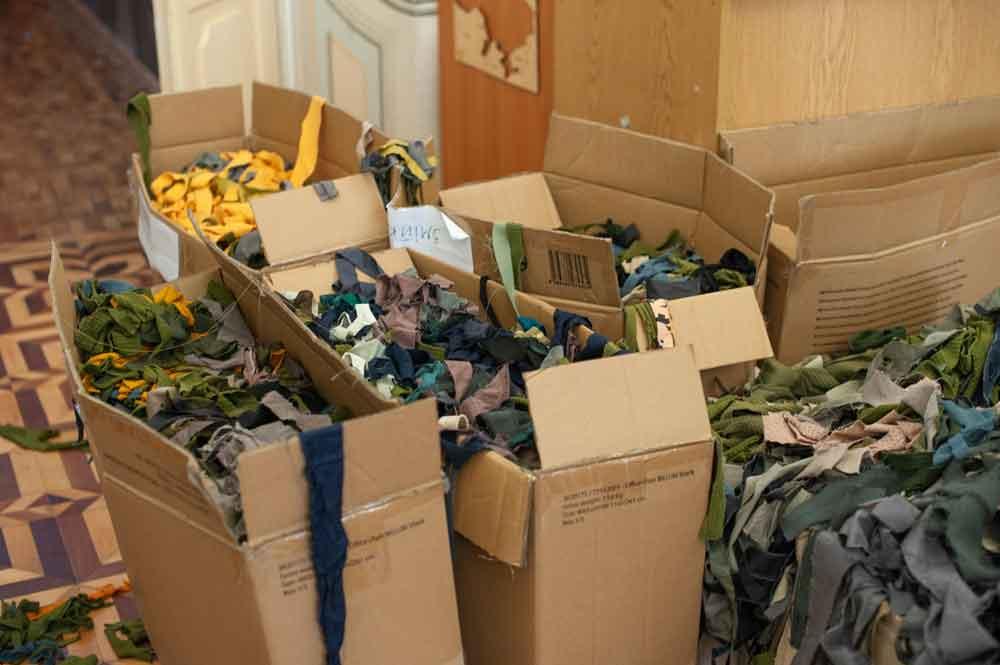
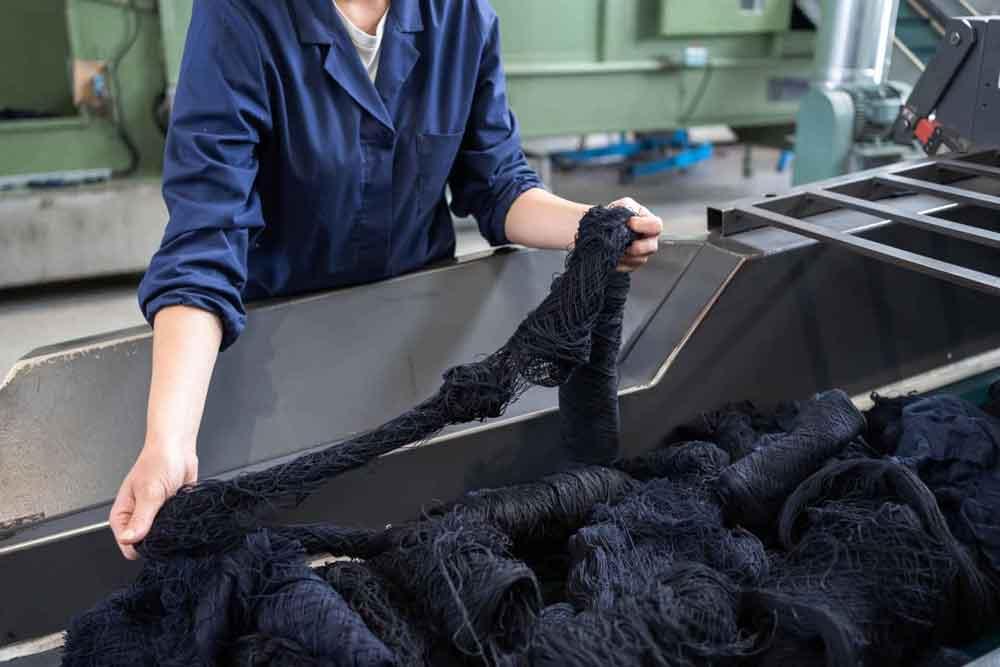
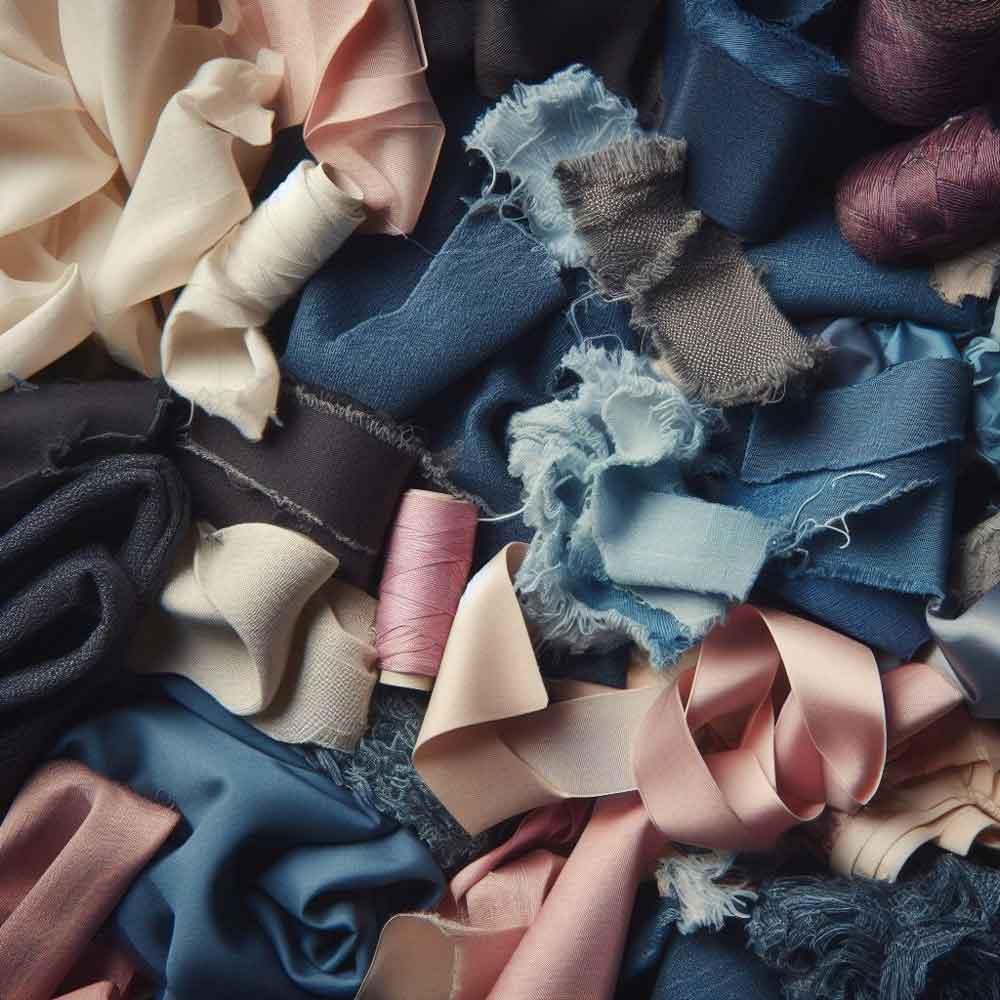
There is another wardrobe behind the wardrobe: the samples never approved, the fabric never selected, the prototypes abandoned after a meeting. There are strips beneath cutting tables, rolls left over from production and small squares attached to cards to demonstrate a colour or texture. None has been worn out. Some have barely been touched. Their usefulness ends because a decision changes, an order falls through or the next collection arrives.
This month, reporting on the tenth anniversary of the American organisation Fabscrap brought renewed attention to this less visible waste stream. The organisation collects materials discarded before consumers ever encounter them, helping find routes for reuse and recycling. Its experience exposes a difficult truth: recovering fashion’s leftovers requires patient work, and choices made in design rooms can either help that work or make it considerably harder.
The distinction matters because public conversations about sustainable fashion so often begin at the cash register. Consumers are told to choose carefully, wash responsibly, repair damage and donate thoughtfully. These are worthwhile habits. But they cannot prevent a manufacturer from ordering excess fabric or a brand from repeatedly developing products it will never sell. By beginning the conversation with shopping, we leave much of the industry’s responsibility outside the frame.
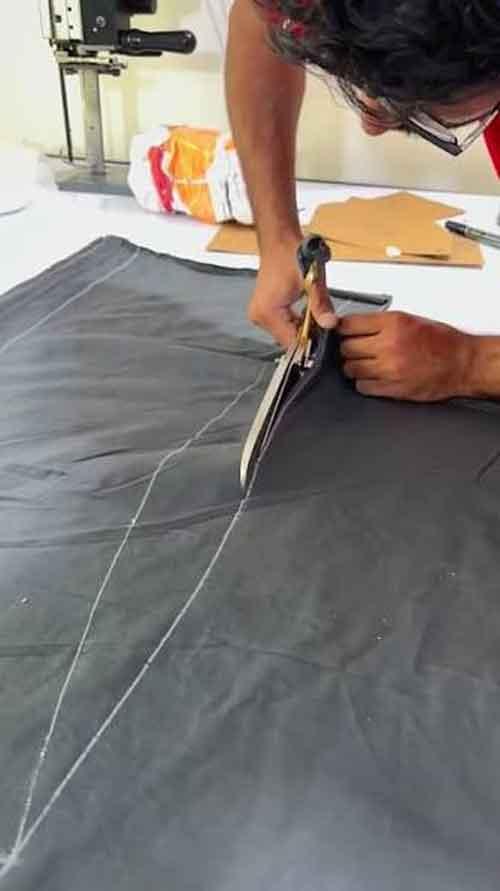
Consider what a piece of fabric already represents. Before it rests on a cutting table, its fibres have been grown, extracted or manufactured. It has passed through processes that may include spinning, weaving, knitting, dyeing and finishing. People have worked on it. Energy and materials have been used. Discarding an unused piece means losing more than its purchase price. We also squander part of the effort and resources that brought it into existence. Some waste is a practical consequence of making clothes. A curved sleeve cannot always fit neatly beside another pattern piece. Fabric widths vary, and faults must sometimes be avoided. A sample may be necessary to check whether a design actually works on a body. Experimentation has value. The question is whether the industry treats these constraints as problems worth improving or accepts every resulting bin bag as an unavoidable expense of doing business.
Speed makes that distinction especially important. When development calendars leave little time to reconsider an existing sample, starting again may seem easier. When fabric is cheap relative to the cost of delaying an order, excess can appear commercially sensible. Yet the apparent saving depends on what enters the calculation. The cost of collecting, sorting and managing the leftovers may fall elsewhere, while the environmental burden never appears on the invoice.
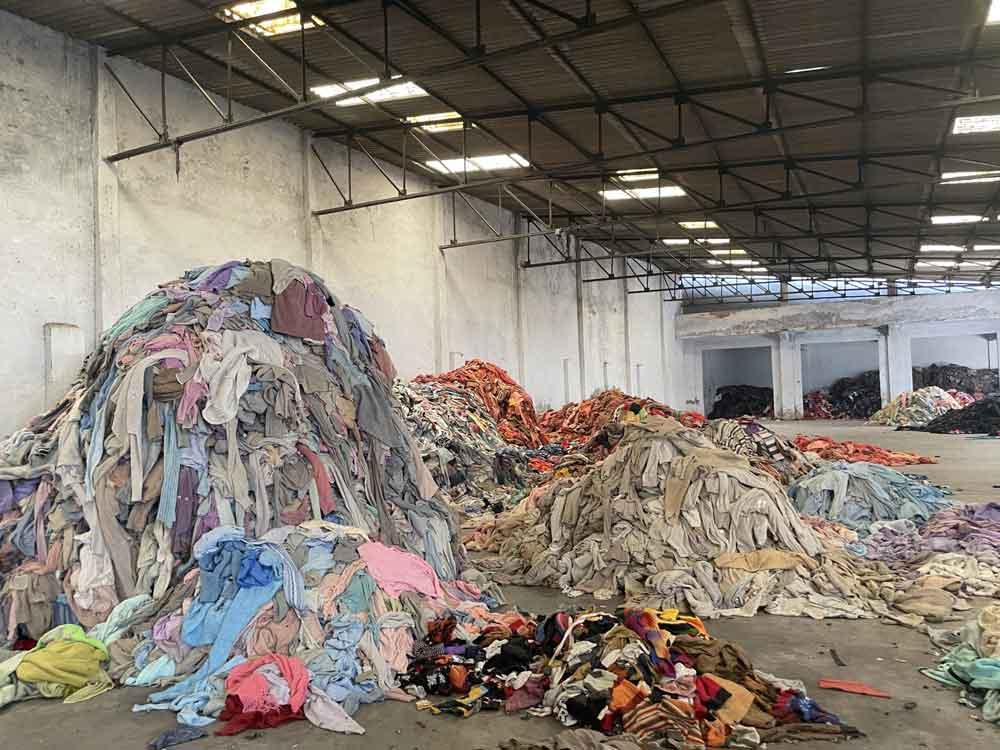
We also need to examine the comforting language of recycling. It suggests that discarded material will return, almost effortlessly, as something useful. But textile waste is not one uniform substance. A stretch fabric behaves differently from pure cotton. Embroidery, coatings, fastenings and mixed fibres complicate recovery. Before any transformation happens, somebody must establish what the material contains and what a particular recycler can accept. Putting everything in a collection bag does not resolve those questions. The wider figures offer little reason for complacency. Textile Exchange’s Materials Market Report 2026 estimates that global fibre production reached 139 million tonnes in 2025, up from 132 million tonnes the previous year. Meanwhile, textile-to-textile recycled fibres represented just 0.76 per cent of global fibre production. These figures cover the broader textile sector, rather than clothing alone, but they show how far material recovery remains behind the volume being produced.
Reuse therefore deserves more attention before usable material is sent for processing. An unused length of cloth may still serve the purpose for which it was made. A smaller piece may become a pocket, lining, collar or accessory. Organisations such as Fabscrap help make surplus materials accessible to other makers. The opportunity is practical, but it also asks us to change our judgement: cloth does not become worthless simply because its first owner no longer wants it. For designers working with deadstock, that judgement becomes part of the creative process. Instead of choosing a fabric and ordering whatever quantity a collection requires, the designer works with what already exists. There may be enough for three jackets rather than thirty. Another colour may be unavailable. These limits demand planning and flexibility. They can also encourage a closer relationship with material, because every decision begins with its actual availability.
Deadstock should nevertheless invite questions as well as admiration. Why was the fabric surplus? Was an order cancelled, demand misjudged or more material produced than necessary? Using it can preserve value, but it does not automatically correct the conditions that created it. A healthy system would provide ways to use genuine leftovers while steadily reducing avoidable excess. Otherwise, overproduction risks acquiring a reassuring second identity as somebody else’s sustainable sourcing opportunity. Sri Lanka’s familiarity with garment manufacturing gives this discussion particular relevance. Beyond the finished products that represent skill and export earnings lies the everyday task of managing material. Smaller designers, tailors, craft businesses and teaching institutions could benefit from accessible surplus. But useful exchange needs organisation: reliable information about composition, sensible quantities, storage and dependable collection. A heap of mixed scraps is not yet a resource someone can confidently build a livelihood around.
Nor should the people doing this work disappear beneath the language of innovation. Sorting, checking, measuring, removing attachments and preparing materials take time. Those tasks need to be valued and funded. If brands expect recovery organizations or small makers to absorb every difficulty cheaply, responsibility has merely changed hands. Genuine collaboration would mean sending clearly identified materials, paying for appropriate services and using information about waste to improve the next production cycle. A sensible starting point would be to examine what leaves the workroom as carefully as what leaves the showroom. Measure the surplus. Separate usable lengths from small offcuts. Record why samples were rejected. Improve cutting layouts and purchasing decisions. Ask whether fewer physical samples could achieve the same result without compromising fit or quality. Such changes may attract less attention than a new collection launch, but they address waste while there is still a chance to prevent it. The fabric beneath the cutting table deserves a place in fashion’s account of itself. It carries labour, resources and unrealized usefulness, even without a label or a customer. Until the industry takes those overlooked materials seriously, its promises of circularity will remain incomplete. The responsibility begins where decisions are made, before the photograph, before the price tag, and before any of us buys a thing.