THE CRISIS OF STUFF
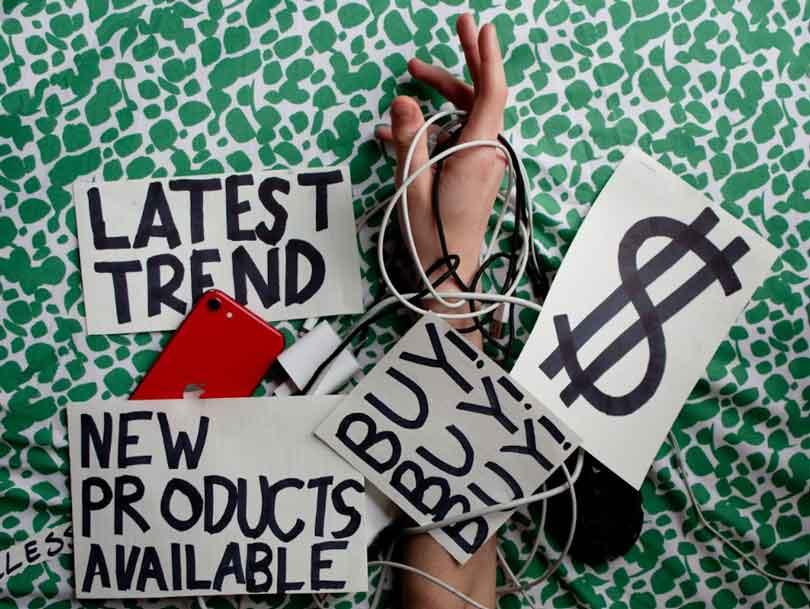
How overconsumption filled our wardrobes, crowded our homes and emptied objects of meaning!
There was a time when owning things represented security. A cupboard filled with carefully folded linen, a good coat kept for years, a watch passed from parent to child, or a set of plates reserved for visitors all carried a sense of stability. Objects were acquired slowly, maintained carefully and often expected to outlive their owners. Today, however, many of us are surrounded by more possessions than any previous generation, yet our relationship with them has rarely felt so fragile.
We are living through a crisis of stuff. Our wardrobes are full, our drawers no longer close, storage businesses are expanding, and our homes contain bags of items waiting to be donated, repaired, sold or dealt with “one day.” Yet we continue to buy. Parcels arrive with such frequency that opening them has become an ordinary domestic ritual. The excitement lasts a few minutes before the new object disappears into the accumulation of everything we already own.
The problem is not simply that we possess too much. It is that we have built an economic and cultural system dependent on convincing us that what we have is never enough.
Fashion offers perhaps the clearest view of this crisis. Clothing was once constrained by the seasons, the availability of materials and the time required to make it. Today, new products can appear online every day. Social media compresses trend cycles into weeks, sometimes days. An outfit may be purchased for a single photograph, wedding, holiday or evening out, then quietly abandoned because it has already been seen.
The European Environment Agency estimates that the average person in the European Union consumed 19 kilograms of clothing, footwear and household textiles in 2022, roughly the contents of a large suitcase of new textiles for every person, every year. In the same year, the EU generated approximately 6.94 million tonnes of textile waste. An estimated four to nine per cent of textile products placed on the European market are destroyed before they are ever used.
These numbers describe more than a waste-management problem. They reveal a profound separation between production, consumption and consequence. When we click “buy,” the object appears almost magically. The cotton field, oil well, dye house, factory floor, warehouse worker and delivery journey are hidden behind a polished screen. So is the eventual destination of the product. This invisibility allows us to imagine that things simply arrive and disappear, when in reality every object has a material life before and after it belongs to us.
Globally, resource extraction has tripled over the past five decades. Without significant change, it could rise by another 60 per cent between 2020 and 2060. High-income countries use far more resources and create far greater climate impacts than low-income nations, even though the environmental consequences are frequently displaced elsewhere.
The crisis of stuff is therefore also a crisis of distance. The people consuming the most are often far removed from the places where materials are extracted, goods are manufactured and waste is finally deposited.
We have attempted to manage this discomfort through the language of decluttering. We are told to organize our cupboards, buy matching containers and create beautifully ordered spaces. But organizing overconsumption is not the same as confronting it. Sometimes the storage solution becomes another product to purchase. We buy boxes to contain the things we bought, shelves to hold the boxes, and larger homes to accommodate the shelves.
Decluttering can create temporary relief, but it often transfers the problem rather than resolving it. A bag of clothes taken to a donation point does not automatically become a bag of clothes worn by someone else. The volume of unwanted clothing now exceeds the realistic demand for reuse. Some garments enter complicated international trading networks; others are downcycled, incinerated, dumped or exported to countries that lack the infrastructure to manage them.
Donations can be valuable, but it cannot make endless consumption circular. We cannot shop our way into sustainability and then donate our way out of its consequences.
The word “stuff” also disguises the labour within objects. A shirt is not merely fabric stitched into a familiar shape. It represents farming or petrochemical production, spinning, dyeing, cutting, sewing, finishing, packing and transportation. Numerous hands may touch it before it reaches a shop. When it is sold for less than the price of lunch and discarded after a few wears, it is not only material that has been devalued. Human skill and time have been devalued too.
Perhaps this is why handmade and inherited objects often feel different. A hand-embroidered cloth, a repaired jacket or a dress that belonged to one’s mother holds evidence of time. Its imperfections do not reduce its value; they reveal its life. Such pieces resist the smooth anonymity of mass production. They remind us that objects can carry memory, geography and human presence.
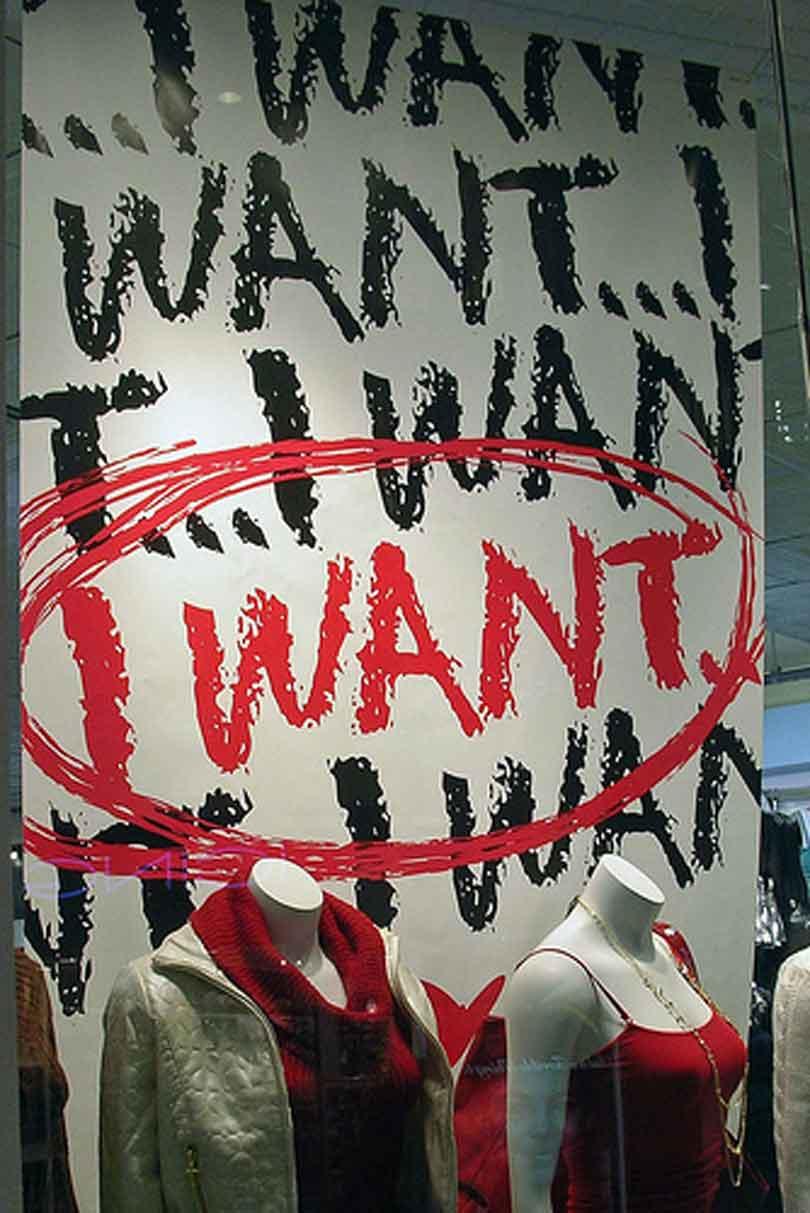
The crisis of stuff is partly a crisis of meaning. When objects are abundant and easily replaced, it becomes difficult for them to become significant. We do not have enough time to form relationships with what we own before we are encouraged to desire something else. Advertising rarely sells the object alone. It sells the imagined self who will emerge after buying it: more elegant, organized, attractive, productive or interesting. Fashion is especially skilled at transforming emotional desires into material transactions. We may believe we are purchasing a dress, but perhaps we are buying confidence, belonging or the fantasy of a different life.
The disappointment comes when the object cannot permanently provide what was promised. The feeling fades, and the search begins again.
Individual restraint matters, but this crisis cannot be placed entirely at the feet of consumers. People make choices inside systems deliberately designed to accelerate desire. Businesses are rewarded for selling greater volumes, not for helping customers use fewer things for longer. Algorithms place products before us at vulnerable moments. Free returns remove hesitation. Discounts manufacture urgency. Planned obsolescence makes repair appear irrational, while low prices make replacement seem harmless.
We need stronger systems of accountability: durable design, repairable products, access to spare parts, transparent supply chains and producer responsibility for what happens after a sale. Brands should disclose not only the sustainability of individual materials but also how much they produce, how much remains unsold and what happens to it.
The fashion and textile industry remains overwhelmingly linear, built around extracting resources, producing goods, selling quickly and disposing of what remains. UNEP has warned that insufficient infrastructure for reuse and recycling means enormous volumes of textiles are still incinerated, landfilled or released into the environment. Recycling has a role, but no recycling system can compensate for limitless production.
The deeper solution is not simply to create better waste. It is to prevent unnecessary waste from being created.
This does not require a joyless rejection of beauty, fashion or possessions. On the contrary, it asks us to rediscover their value. Buying less allows us to choose better. Repairing becomes an act of attention. Rewearing becomes evidence of personal style rather than failure to keep up. Borrowing, exchanging, tailoring and caring for things become normal parts of ownership again. We might begin by asking different questions. Not merely, “Can I afford this?” but “Do I want to be responsible for it?” Where will it live? How often will I use it? Can it be repaired? Who made it? What will happen when I no longer want it?
Every object entering our lives creates a future obligation. It must be stored, cleaned, maintained, moved, donated, recycled or discarded. The purchase is only the beginning of the relationship. The crisis of stuff cannot be solved by finding more imaginative places to put everything. It requires us to reconsider what enough looks like. In a culture that treats accumulation as achievement and constant novelty as progress, choosing to keep, repair and appreciate what we already own can feel almost rebellious. The most sustainable object may not be the one carrying the newest environmental claim. It may simply be the one already in our hands, the coat we repair, the chair we keep, the dress we wear again and the inherited cloth whose story we refuse to throw away. Our lives do not need to be empty. But perhaps they need enough space for the things we choose to matter.