A Child’s Early Years Cannot Be Rushed
There is a question every parent eventually asks. When should my child start preschool? Some say one year is enough. A taste of socialization before formal school begins. Others say two years. A gentle introduction to routines and rules. But the research, the experience of educators, and the evidence from children themselves all point to something different. Three years. Three years in an early year setting before formal school begins. Not because it is convenient. Not because it is what other countries do. Because it is what children need. And rushing this time, shortening it, skipping it, treating it as optional comes at a cost. A cost that children pay, often for years afterward.
What the Early Years Are Actually For
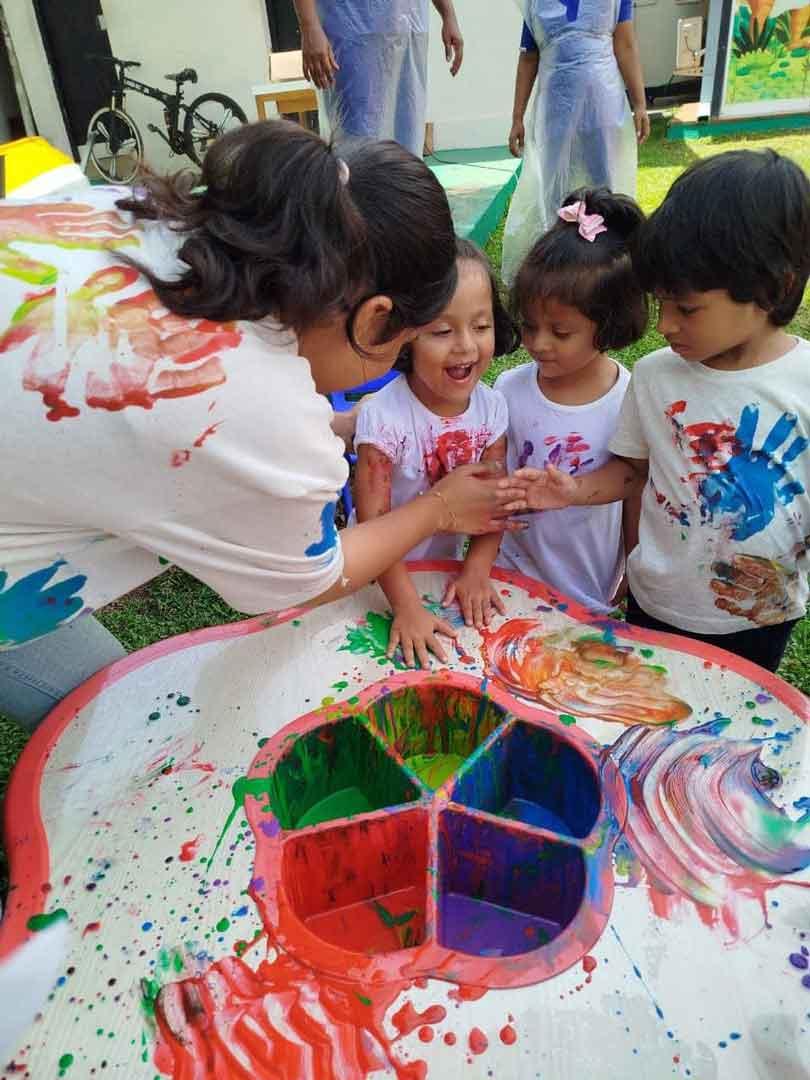
There is a misunderstanding about what early years settings are for. Many parents assume they are simply preparation for school. A place to learn letters and numbers before the real learning begins. A gentle warm-up for the academic years ahead. This is not what the early years are for. The early years are for building the foundation upon which all future learning rests. And that foundation is not academic. It is developmental. It is the development of the whole child. Their body. Their brain. Their social skills. Their emotional regulation. Their sense of self. Their ability to be part of a group. These things cannot be rushed. They cannot be taught through worksheets. They cannot be compressed into a single year. They take time. They take repetition. They take the slow, patient work of childhood. Three years gives children the time they need to build this foundation. One year does not.
The Science of Brain Development
Let us look at the science. The first five years of life are the most critical period of brain development. More than one million neural connections are formed every second. The brain is building itself, shaping itself, wiring itself for everything that comes next. This development is not linear. It happens in stages. And each stage builds on the one before. A child who enters an early year setting at age two is at a very different developmental stage than a child who enters at age four. They have different needs. Different capabilities. Different ways of learning. A one-year programme cannot meet these needs. It cannot account for the developmental journey that happens between two and five. It is like trying to build a house in a single season rushing the foundation, skipping the framing, hoping it holds. It is about development. And development cannot be compressed.
What Children Learn Over The Years
Consider what happens over the years in a quality early years setting. The Foundation Stage: The first year is about settling. About trust. About learning that this is a safe place. That the adults can be relied upon. That other children are friends, not threats. Children learn to separate from their parents. To manage their feelings. To ask for help. To be part of a group. They learn through play. Through sensory exploration. Through movement. Through stories and songs and conversation. They are building the foundation. Not just for school, but for life.
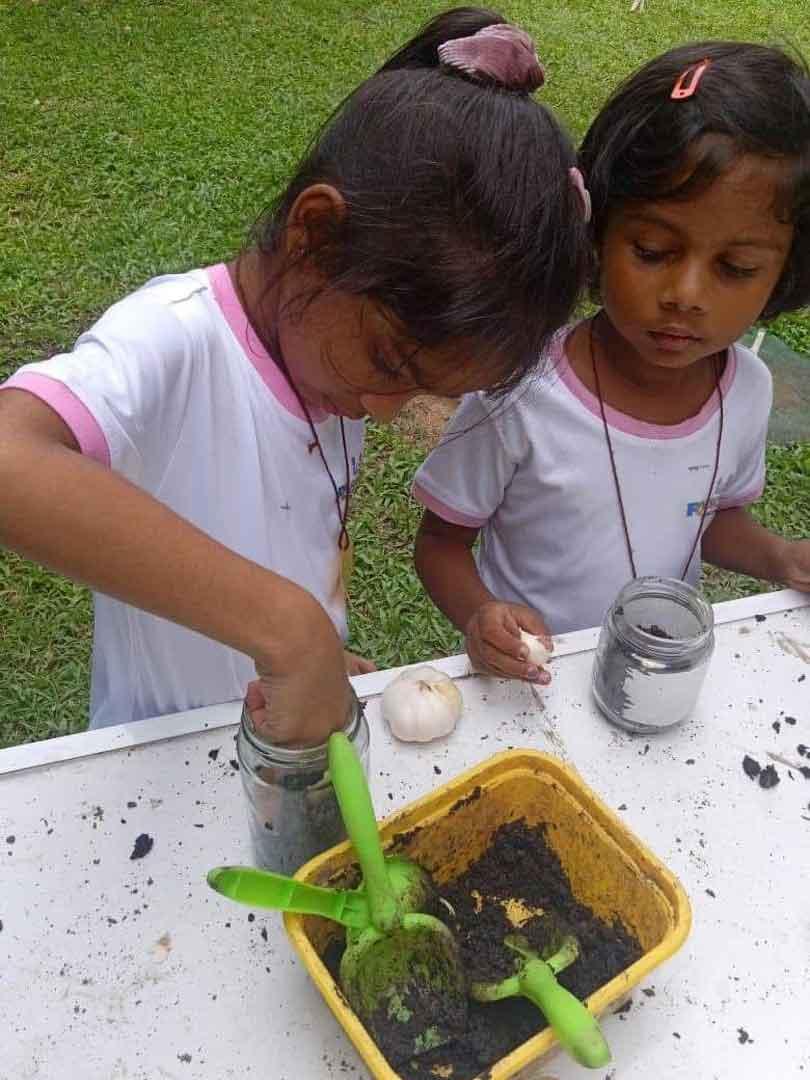
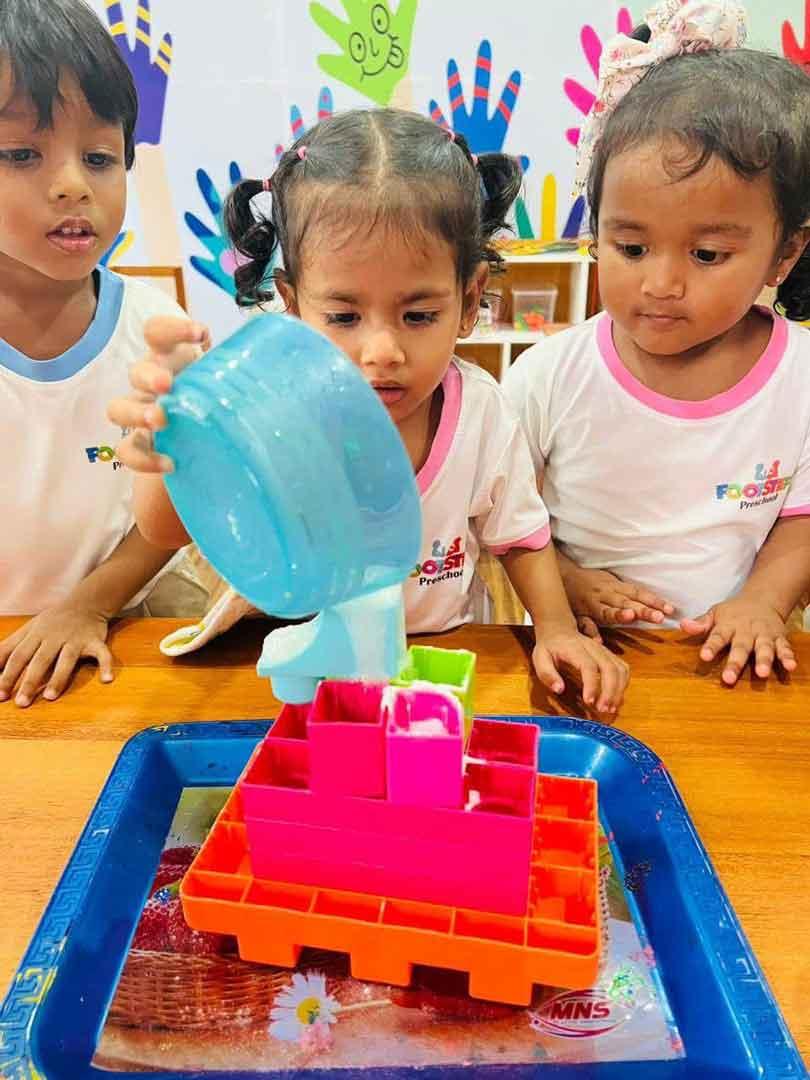
The Exploration Stage: The second year is about expanding. About curiosity. About discovering what they can do. Children learn to negotiate. To share. To take turns. To resolve conflicts with words instead of hands. They learn to focus. To persist. To try again when something is hard. They learn about the world. Through projects. Through questions. Through hands-on exploration. Their language explodes. Their thinking deepens. Their confidence grows. They are not just playing. They are learning how to learn.
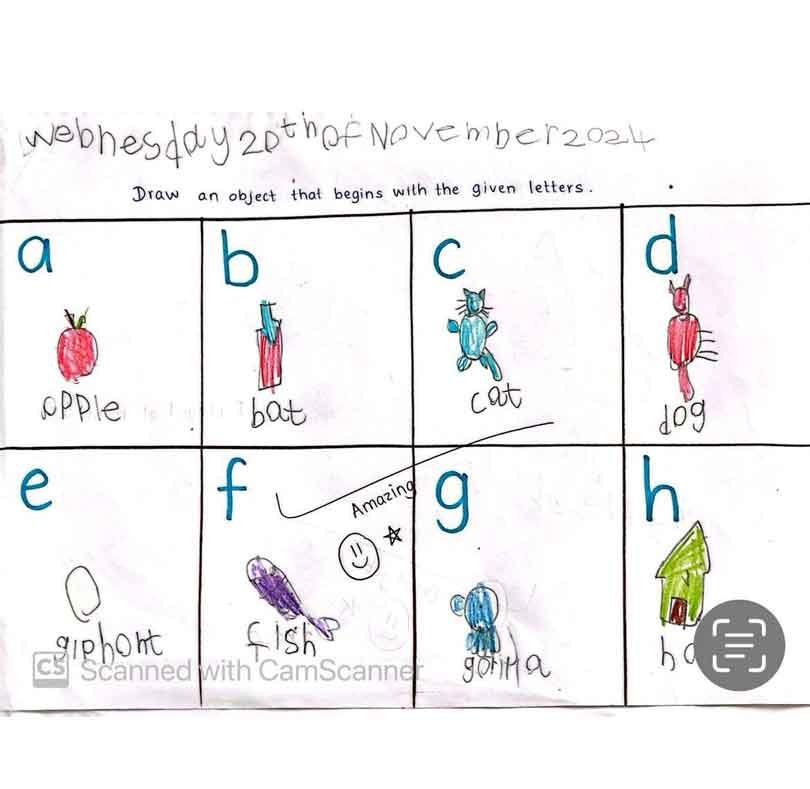
The Consolidation Stage: The third year is about readiness. About bringing it all together. Children learn to manage themselves in a group. To follow routines. To sit and listen. To follow instructions. To complete tasks. They learn early literacy and numeracy not through drills, but through meaningful experiences. Through stories and rhymes and games. Through counting and sorting and pattern-making. They learn to be part of a community. To contribute. To lead. To support others. They are ready. Not just for school. For life.
Why One Year Is Not Enough
A one-year programme can give children a taste of these things. But it cannot give them the time to internalize them. Think about what happens in a single year. The first term is about settling. The second term is about adjusting. By the third term, children are just beginning to feel confident. Just beginning to show what they can do. And then it is time to leave. They are not ready. They have not had the time to consolidate. To deepen. To master. They enter formal school still learning the basics of being in a group. Still developing the ability to regulate their emotions. Still building the foundation that should have been laid over three years. And formal school does not have time to wait. The curriculum moves. The expectations are high. The child who is not ready is already behind. This is not the child's fault. It is the result of rushing. Of compressing. Of hoping that one year can do the work of three. It cannot.
What About Academic Readiness?
Parents worry about academic readiness. Will their child know their letters? Their numbers? Will they be able to read? The answer is: yes. If they have had three years of quality early years education. Not because they have been drilled. Because they have been immersed. Three years of stories and songs and rhymes builds phonological awareness. Three years of counting and sorting and pattern-making builds number sense. Three years of play and exploration and conversation builds vocabulary, comprehension, and thinking skills. These are the foundations of literacy and numeracy. They are not rushed. They are built. And they are built more effectively through play than through worksheets. Through conversation than through flashcards. Through experience than through instruction.
The Return on Investment
Investing three years in early years education is not a cost. It is an investment. Research consistently shows that children who attend quality early years programmes for longer periods have better outcomes. They are more ready for school. They are more likely to succeed academically. They are less likely to need additional support later. They are also more likely to develop the social and emotional skills that predict success in life. Resilience. Empathy. Self-regulation. Collaboration. These are not just school skills. They are life skills. And they are built over time. The return on investment is enormous. Not just for the child. For the family. For society.
What Parents Can Do
If you are choosing an early year setting for your child, think about duration. Three years is not a luxury. It is a necessity. If your child is two, start looking. If your child is three, they have two years. If your child is four, they have one. It is never too late. But the earlier you start, the more time they have to build the foundation. Look for a setting that understands child development. That prioritizes play. That values relationships. That sees the child as a whole person, not just a future student. And trust the process. The early years are not a race. They are a foundation. And foundations take time to build. The child who has had one year has had a taste. But not the meal. We do not rush a building's foundation. We do not skip the framing of a house. We understand that these things take time. Childhood is the same. Three years is not too much. It is what children need. And every child deserves the time to be ready.