Don’t Make a Happy Child Happier Sometimes Enough Is Really Enough
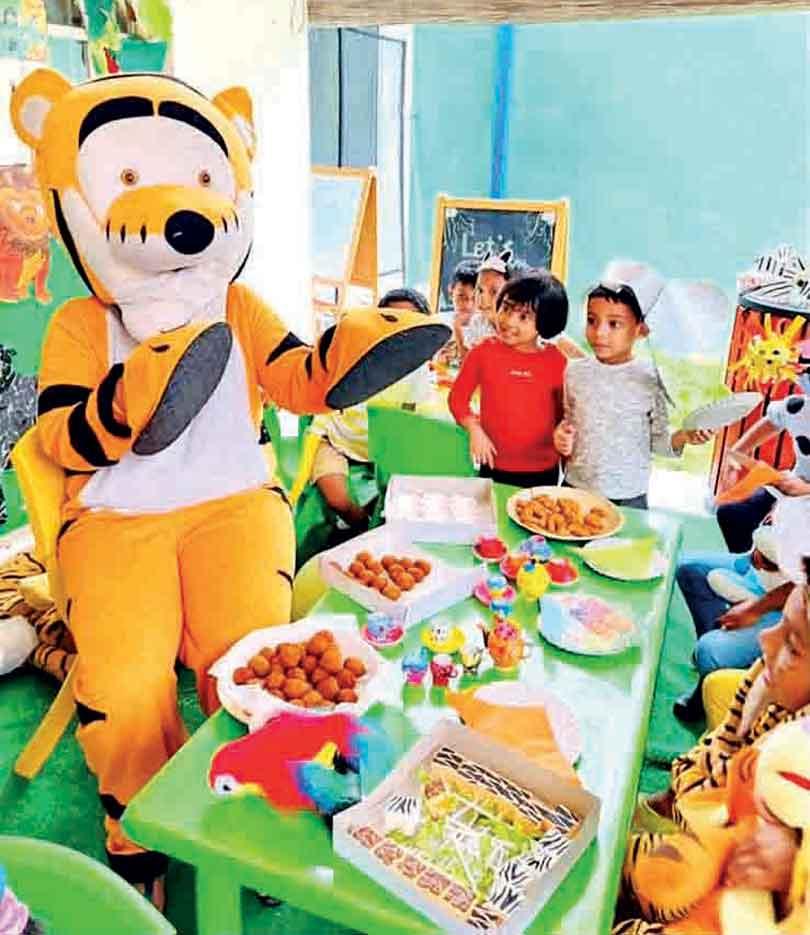
Your child is outside, deeply absorbed in play. They are mixing water and mud, pouring from one container to another. Their face is calm. Their body is relaxed. They are completely present in what they are doing.
Then you feel it. The urge.
Should I make this more fun? I could add some glitter. Some food colouring. Some shaving foam. Make it more exciting. Make it better. You mean well. You want to enhance their experience. You want to give them more joy.
But here is what you need to understand. When you interrupt contentment, you interrupt wiring. The Brain Adapts to What It Repeats
Here is something we often forget.
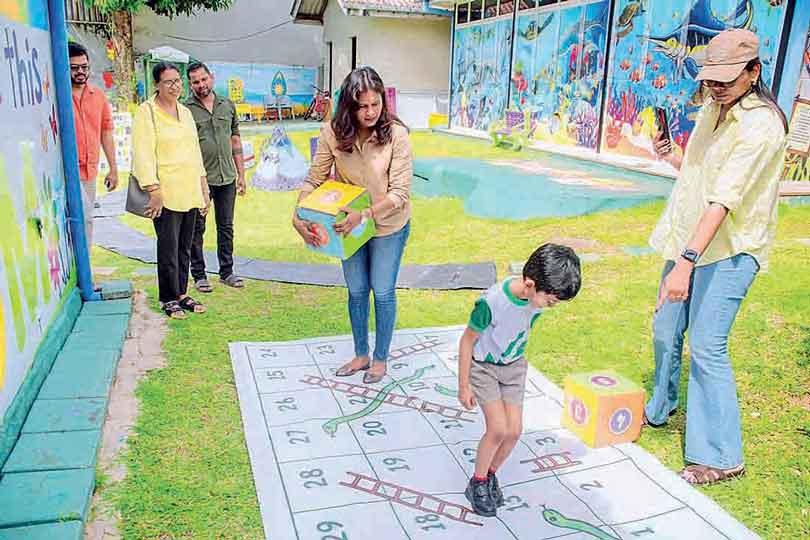
The brain adapts to what it repeats. If a child is constantly given high-stimulation experiences, their brain adjusts to that level. It raises the baseline. Ordinary life starts to feel flat. A child who is always entertained, always stimulated, always given something new, quickly learns to expect that. They do not learn to find joy in the ordinary. They learn to need the extraordinary.
Faster rewards. Higher stimulation. Newer, bigger, more exciting.
This is not entitlement. It is neurobiology. The brain is wired to adapt. When we constantly upgrade experiences, we train the brain to need those upgrades to feel okay. A happy child does not need more happiness. They need more time to stay there.
The Problem with Constant Upgrades
When joy is always followed by an upgrade, the brain learns something dangerous. This is nice... but something better is coming. A child who learns this cannot stay still. Cannot be present. Cannot find peace in the ordinary. They are always waiting. Always wanting. Always looking for the next thing.
We see this in children who cannot tolerate boredom. Who need constant entertainment. Who have a meltdown when there is nothing to do. We have over-entertained children to the point that boredom has become painful. Not uncomfortable. Painful. This is not because children are broken. It is because their brains have been trained to expect more, more, more. And now ordinary life cannot compete.
The Hidden Cost of Over-Entertainment
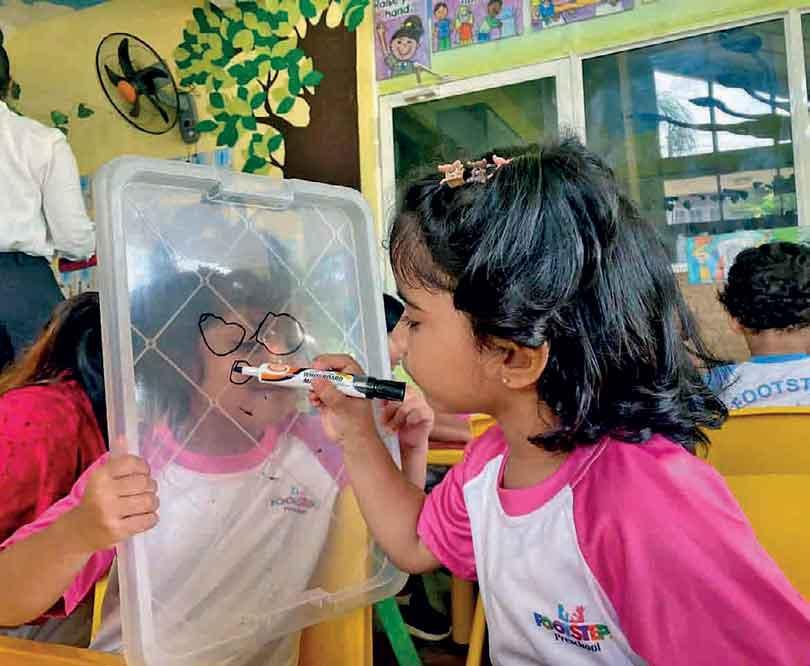
We are raising a generation of children who cannot tolerate normal life. They cannot sit still without a screen. Cannot eat a meal without entertainment. Cannot wait without something to occupy them. Cannot play without an adult directing them. This is not their fault. It is the result of a culture that believes more is always better. That a happy child needs to be made happier. That boredom must be avoided at all costs. But here is the truth: more is not always better. Sometimes, it is just more. And sometimes, more is actually less. Less peace. Less presence. Less ability to be content with what is.
The child who cannot tolerate ordinary life will struggle. They will struggle in classrooms where they must sit and listen. They will struggle in friendships where they must wait and share. They will struggle in life, which is mostly made of ordinary moments. This is the hidden cost of over-entertainment. It does not show up on any report card. But it shows up everywhere else.
What We Are Doing to Their Brains
Consider what happens when we constantly interrupt contentment. The brain learns to seek. To want. To never feel satisfied. This is the opposite of what we want for our children. We want them to be present. To be at peace. To find joy in the ordinary. To be able to be still. When we constantly give them more—more toys, more shows, more activities, more fun—we are training their brains to need more. We are setting them up for a life of constant seeking and never finding. This is not love. It is unintentional harm.
What Contentment Actually Looks Like
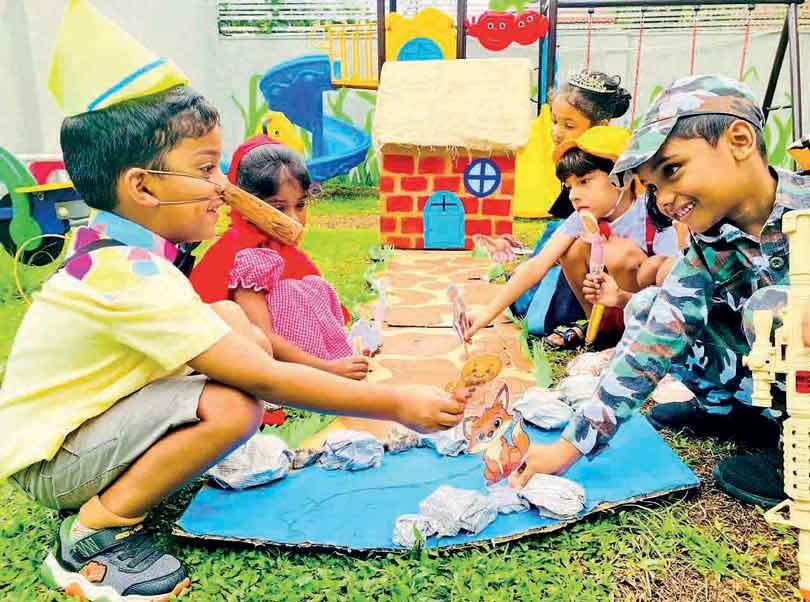
Contentment is not excitement. It is not joy. It is something quieter. It is the child who is happy with a simple cardboard box. Who can spend an hour stacking blocks without an adult directing them. Who can watch the clouds without needing a screen. Who can be bored and find something to do. Contentment is the ability to be present. To not need more. To be enough. This is a skill. And like any skill, it takes practice. It requires time. Space. Permission to just be. When we interrupt contentment with upgrades, we are not enhancing it. We are destroying it.
What We Can Do Instead
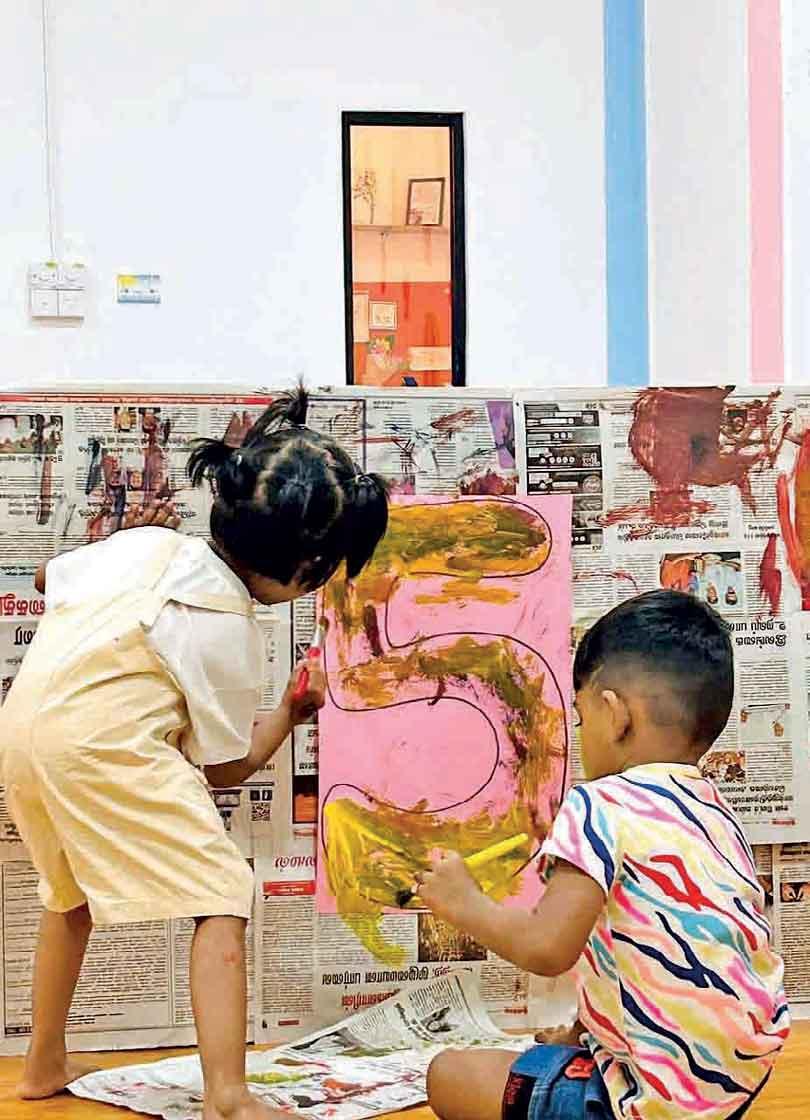
Trust the child's process. When your child is deeply engaged, step back. Let them be. Do not add, do not direct, do not enhance. Just observe. Marvel at their focus. Notice the peace on their face. Recognize that they are learning something important. When your child is bored, resist the urge to rescue. Let them sit with the discomfort. Let them find their own solution. Trust that they are capable. Boredom is not the enemy. It is the birthplace of creativity. When you do introduce something new, do it with intention. Not because you feel the urge to upgrade. Because you believe it will genuinely add something valuable to their experience. And remember that children do not need constant entertainment. They need space to discover their own entertainment. They need permission to be bored. They need to learn that they are enough.
A Message to Parents
If you are a parent reading this, take a breath. Let go of the pressure to always make things better. Your child does not need more glitter. They do not need more activities. They do not need you to curate their experience. They need you to trust them. To step back. To let them be. They need you to show them that ordinary life is enough. That they are enough. That contentment is a gift, not a problem to be solved. It is okay to let them be bored. It is okay to let them be content. It is okay to let them be.
Children do not need us to make every moment more exciting.Because a child who can find joy in mud and water has already found something that glitter and food colouring cannot improve.They have found contentment. And that is the greatest gift of all.