The Heart of Education Understanding Curriculum in the Early Years
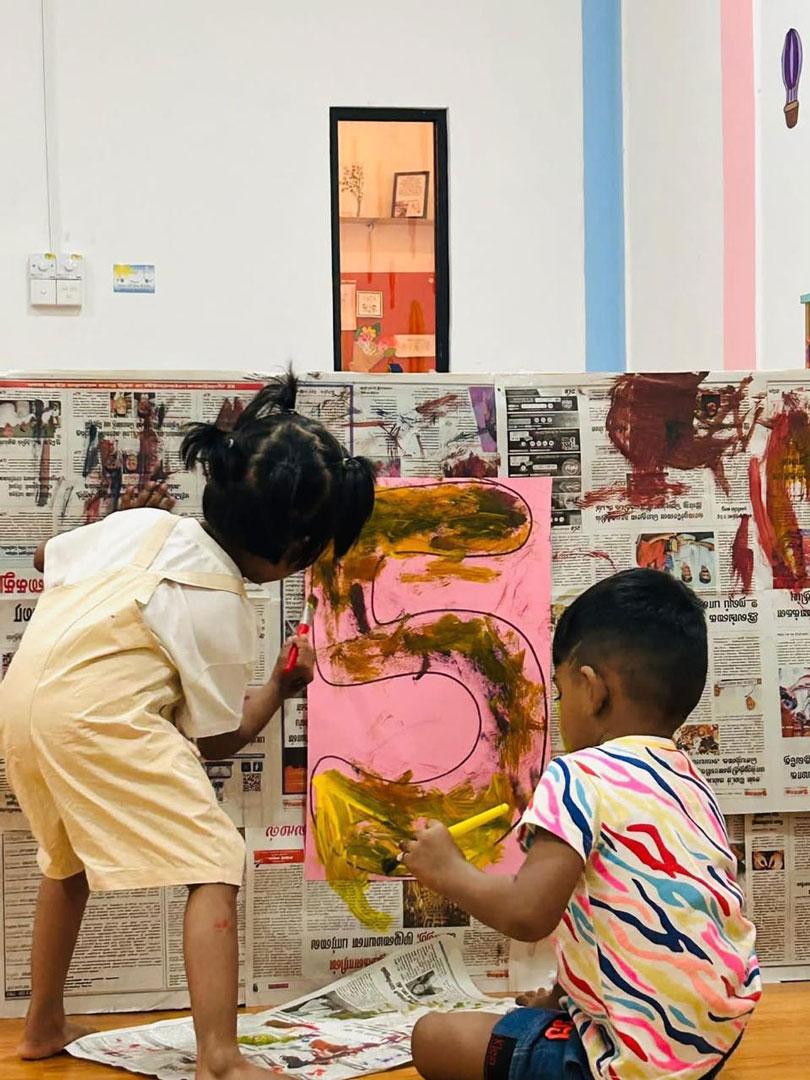
When parents hear the word "curriculum," they often think of textbooks. Syllabus. A list of subjects to be covered. Something rigid. Something academic. Something that belongs in a formal school, not in a preschool where children learn through play. But this misunderstanding is costing us. Because curriculum is not a textbook. It is not a list. It is not something that exists only in formal education. Curriculum is the foundation of everything we do. And in the early years, it matters more than anywhere else.
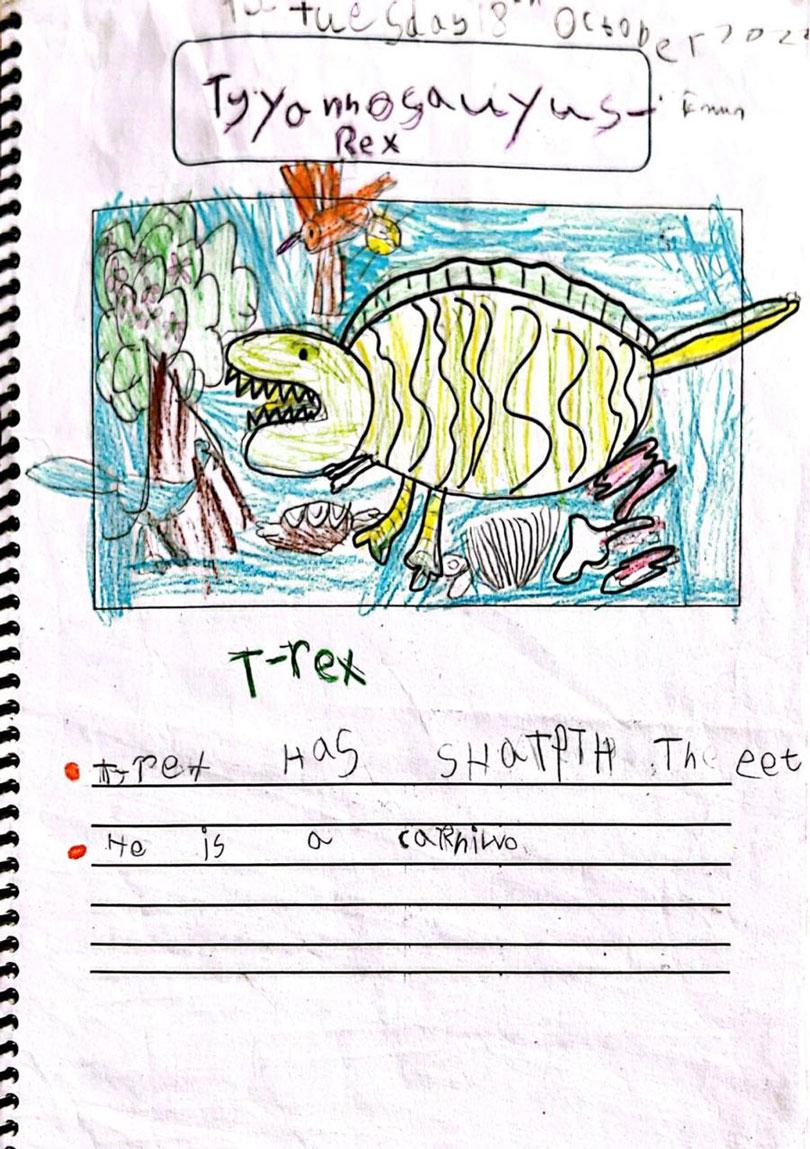
What Is Curriculum?
Let us start with a simple definition. Curriculum is the instructional and educational programme designed to help students achieve their goals, ideals, and aspirations. It is the planned interaction of students with content, materials, resources, and processes for evaluating whether learning has happened. In simpler terms, curriculum is a plan of action. A roadmap. A written document that covers strategies for success toward a desired goal. It includes content, what will be learned. Organisation, how it will be arranged. Opportunities, how children will experience it. And evaluation, how we will know if it worked. For early years educators, curriculum also includes lesson planning, preparation, syllabi, annual programmes, and the selection of teaching materials and strategies. Everything that goes into creating a meaningful learning experience for children. But curriculum is not just paperwork. It is the living, breathing plan that guides everything that happens in a classroom. It is the difference between random activities and intentional learning. Between keeping children busy and helping them grow.
Why Curriculum Matters in the Early Years
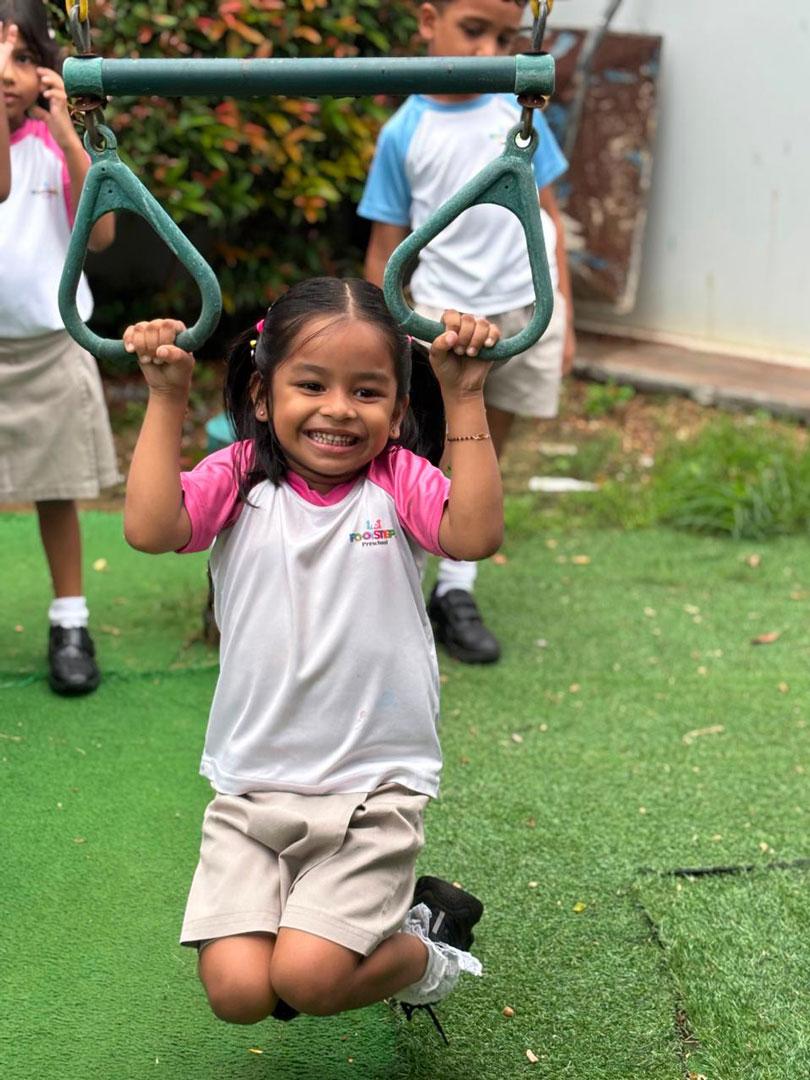
Some argue that early year’s education does not need a curriculum. That children should just play. That formal planning is inappropriate for young children. This is a misunderstanding of what curriculum actually is. A good early year’s curriculum is not a set of worksheets or a rigid schedule. It is a thoughtful, intentional plan for how children will learn and grow. It recognises that children learn through play, through relationships, through exploration. And it creates the conditions for that learning to happen. Without a curriculum, early years settings can become chaotic. Activities are random. Learning is accidental. Children's development is left to chance. With a curriculum, everything has purpose. The environment is designed with intention. The materials are chosen thoughtfully. The interactions are guided by understanding of child development. Children are not just playing - they are learning through play. This is the difference curriculum makes.
The Objectives of a Curriculum
At its heart, a curriculum aims to develop the whole child. Not just their academic knowledge, but their character, their thinking, their values. A good curriculum aims to develop moral character and personal discipline. It encourages creative and critical thinking. It broadens scientific and technological knowledge. It promotes respect for human rights. It teaches civic duties and strengthens ethical and spiritual values. In the early years, these objectives look different from formal school. But they are no less important. Moral character in the early years looks like learning to share, to take turns, to say sorry, to help a friend. Personal discipline looks like learning to sit and focus, to follow routines, to complete a task. Creative and critical thinking looks like asking questions, exploring ideas, solving problems. Respect for others looks like learning to listen, to understand differences, to be kind. These are not extras. They are the foundation. And a good curriculum makes them intentional, not accidental.
How Curriculum Is Structured
A well-structured curriculum has three main components.
Planning
This is where it begins. In the early years, planning looks different from formal school. It is not about worksheets and tests. It is about creating environments and experiences that invite learning. It is about knowing what children need to develop and how to support that development through play, exploration, and relationship.
Implementation
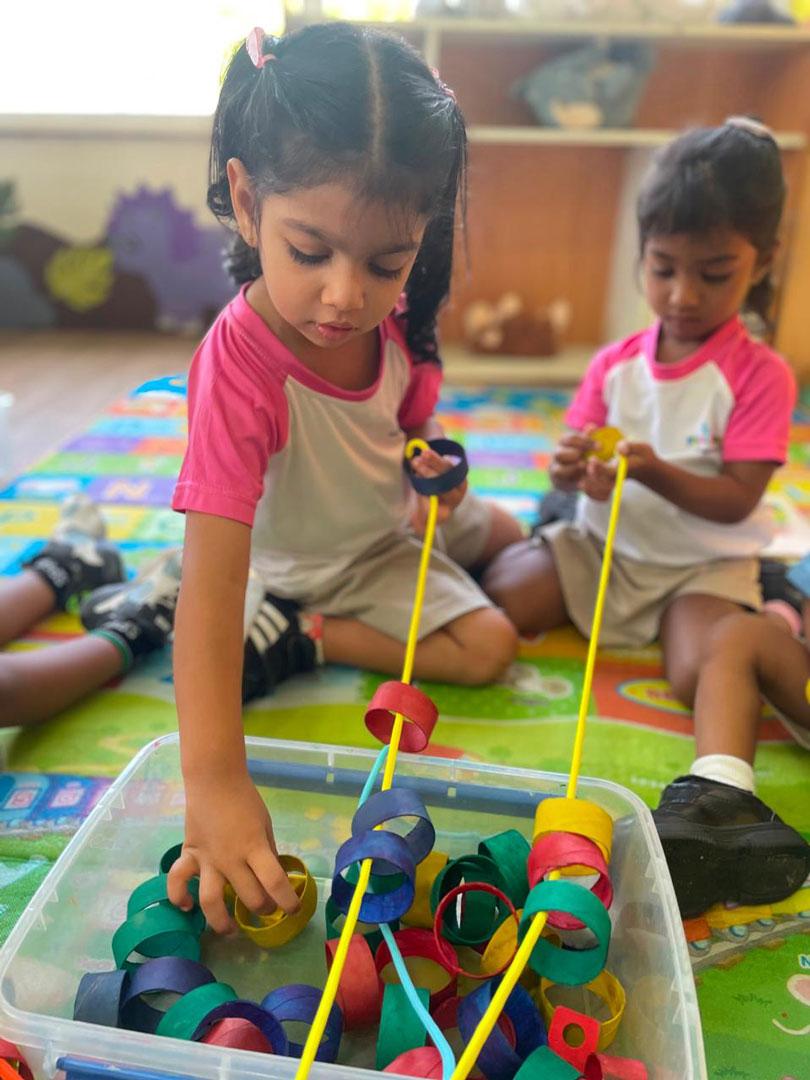
This is where the plan comes to life. Implementation includes learning management, classroom management, and the learning processes themselves. In the early years, implementation is about relationships. It is about how the teacher interacts with children. How the environment is arranged. How routines are established. How opportunities for learning are offered. A well-implemented curriculum feels natural. It does not feel like a script being followed. It feels like a thoughtful, responsive, joyful approach to learning.
Assessment
This is where we check if it is working. In the early years, assessment is not about tests and grades. It is about observation. It is about noticing what children can do, what they are working on, and what they need next. It is about documenting their growth and using that information to plan for their future learning. Assessment in the early years is not judgmental. It is supportive. It is not about measuring children against each other. It is about understanding each child's unique journey.
What Makes a Curriculum Innovative?
An innovative curriculum is not just a tweak to what already exists. It is a fundamentally different way of doing things that results in significantly better outcomes. It leads to different learning experiences. And those experiences lead to substantially better learning.
An innovative early year’s curriculum might include:
- Creative teaching that goes beyond traditional methods.
- Audio-visual tools that enhance learning and engagement.
- Real-world learning that connects what children learn to the world around them.
- Brainstorming, puzzles, and games that make learning enjoyable and interactive.
- Outdoor classes that recognise nature as a classroom.
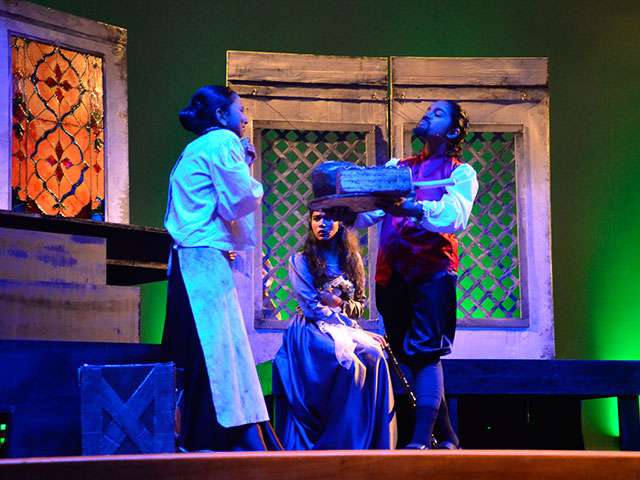
- Role-play and storyboarding that develop imagination, language, and empathy.
- A stimulating classroom environment that invites exploration and wonder.
- School clubs that offer children opportunities to pursue interests and develop new skills.
These are not frills. They are essential. They are what make learning meaningful, memorable, and joyful.
Why Curriculum Is the Heart of Education
Curriculum is often called the heart of education. And that is exactly what it is. A well-researched curriculum ensures that every school teaches students relevant material and monitors progress from all backgrounds. It is essentially a series of activities and learning outcome goals related to each subject. All curricula share one goal: to help students learn. But in the early years, the curriculum does more than that. It shapes how children feel about learning. It sets the tone for their entire educational journey.
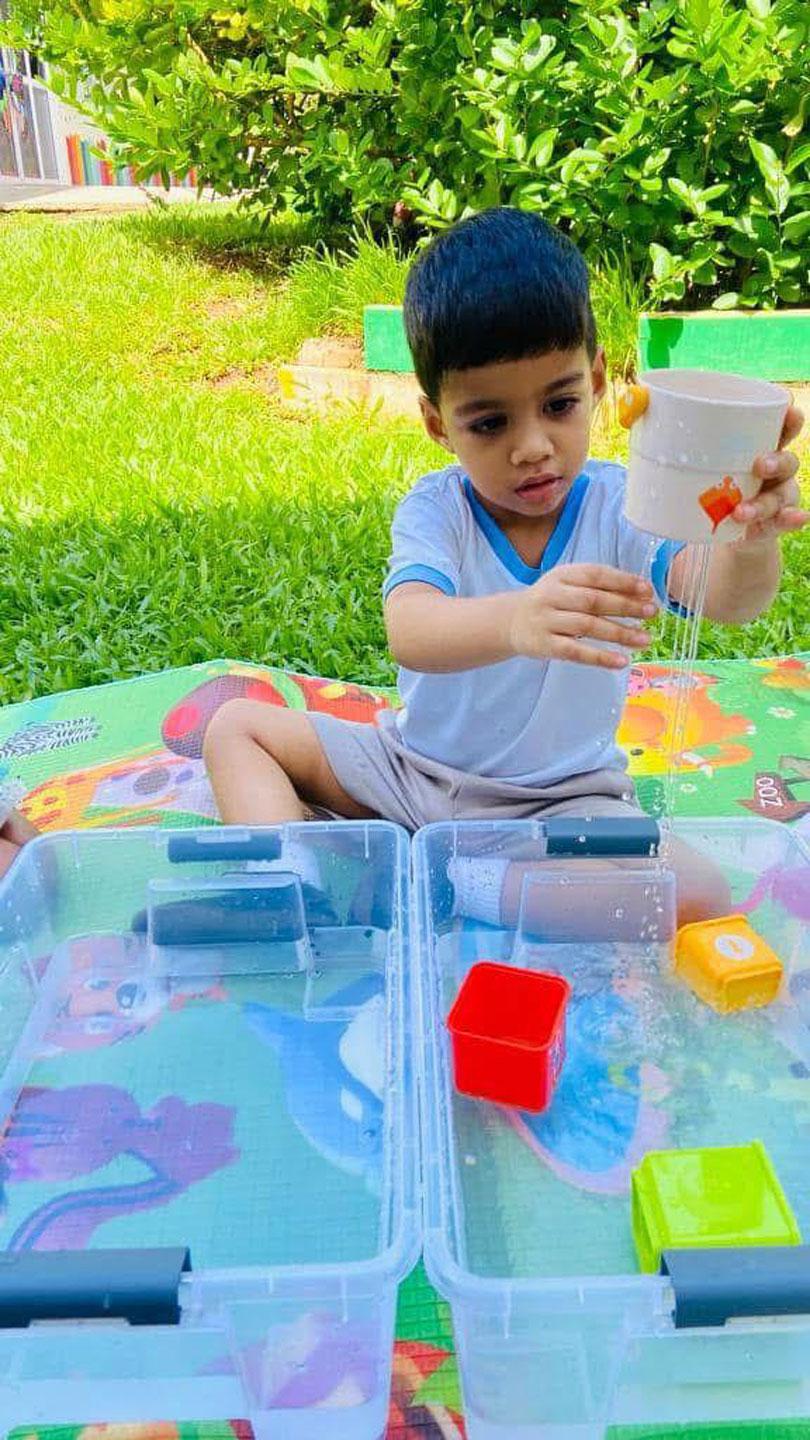
A child who experiences a thoughtful, play-based, relationship-rich curriculum learns that learning is joyful. They learn that they are capable. They learn that school is a place where they belong. A child who experiences a rushed, academic, pressure-filled curriculum learns something different. They learn that learning is stressful. That they are not good enough. That school is something to survive.
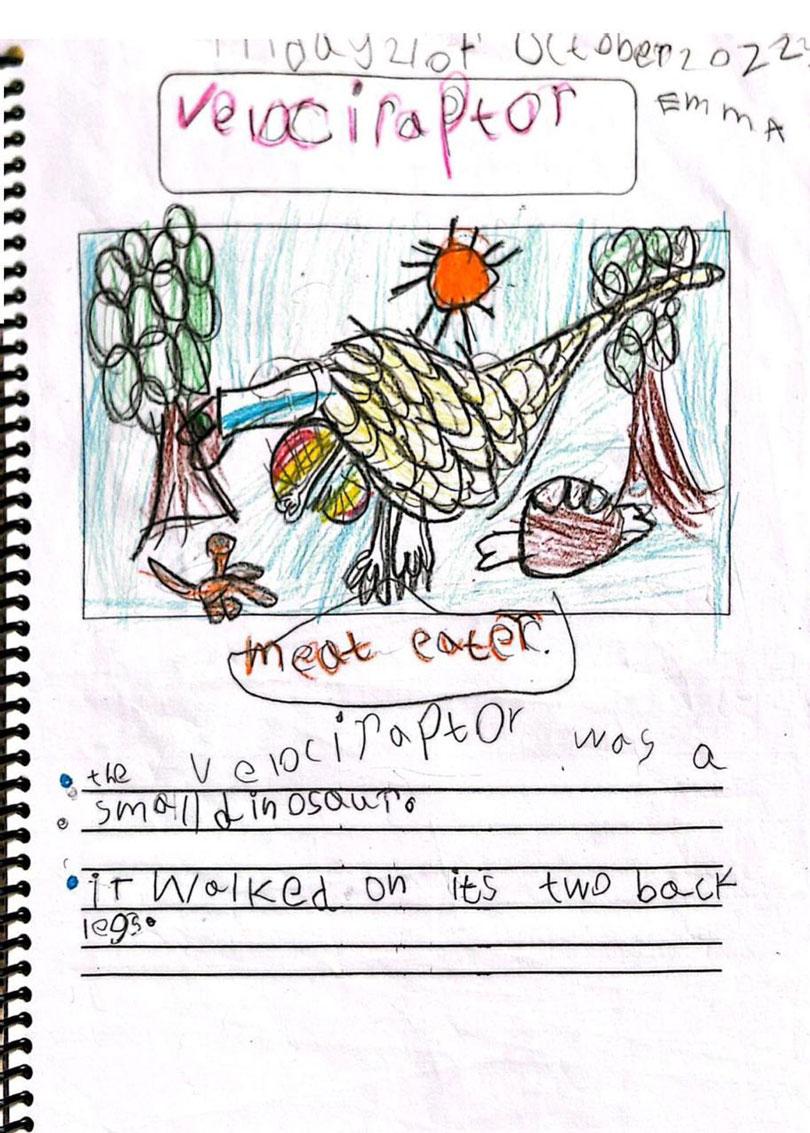
A good curriculum is more than a syllabus or a collection of subjects. It guides teachers. It supports students. It connects education with real-life needs. And in the early years, this matters more than anywhere else. Because the early years are the foundation. And the curriculum is the blueprint. We do not build a house without a plan. We do not build a life without a foundation. And we do not educate children without a curriculum. It is the heart of everything we do.