We Didn’t Lose Talent. We Changed How We Raise Kids.
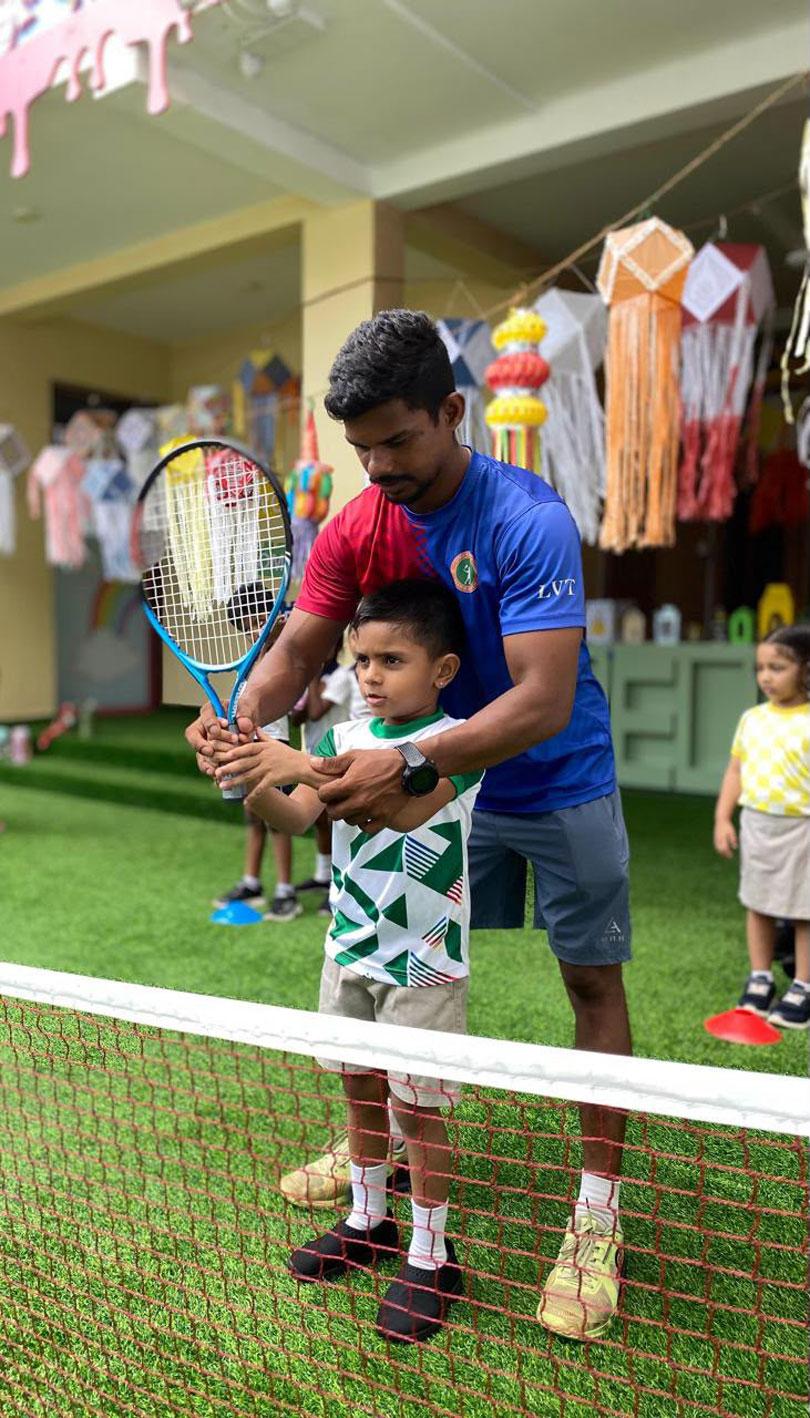
Something has shifted in childhood. We talk about it often. The lack of resilience in young people. The inability to handle frustration. The quickness to give up. The need for constant validation. The rising rates of anxiety and the shrinking capacity for discomfort. And we ask ourselves, what went wrong? We assume we lost talent. That this generation is somehow less capable than the ones before. That children today are weaker, softer, less able to cope. But that is not the truth. The truth is something else entirely. We didn't lose talent. We changed the environment children grow up in. We removed the very things that build resilient human beings.
The Formative Years: Where It All Begins
Before we can understand what, we have lost, we must understand where resilience is built. It is built in the earliest years. Long before a child steps onto a sports field, before they enter a classroom, before they face their first real challenge, the foundations are being laid. In the way they are held. In the way they are responded to. In the small, ordinary moments of early childhood. A toddler who is allowed to struggle with putting on their own shoes is learning something that no lesson can teach. They are learning that they are capable. That frustration is survivable. That trying again is always an option. A child who is allowed to fall and get back up is learning that falling is not failing. That their body can handle the impact. That they can trust themselves. A child who is allowed to be bored is learning to invent. To imagine. To find their own solutions. A child who is allowed to fail is learning that failure is not the end. That they can try again. That effort matters more than outcome. These are not just parenting choices. They are the building blocks of resilience. And they begin in the first years of life. When we rush in to solve every problem, we rob our children of this learning. When we protect them from every discomfort, we rob them of the strength that comes from enduring. When we entertain them constantly, we rob them of the creativity that comes from boredom. The formative years are not just about learning letters and numbers. They are about learning to be human. To cope. To persist. To try again. And if we get this wrong, everything else becomes harder.
What We Used to Have
There was a time when childhood was different. Children played until the street lights came on. No parents hovering. No schedules. Just kids, making up games, solving their own disputes, figuring out who got to be the captain and who had to be the goalkeeper. They were bored sometimes. That was okay. They found something to do. They failed sometimes. That was okay. They tried again. They got hurt sometimes. That was okay. They got back up. No one was watching every move. No one was coaching every play. No one was fixing every problem. They learned. Not because someone taught them. Because life taught them. And life is a patient teacher. This was not a perfect childhood. There were struggles. There were hardships. There were things we would not want to return to. But there was something valuable in that childhood. Something we have lost.
What We Changed
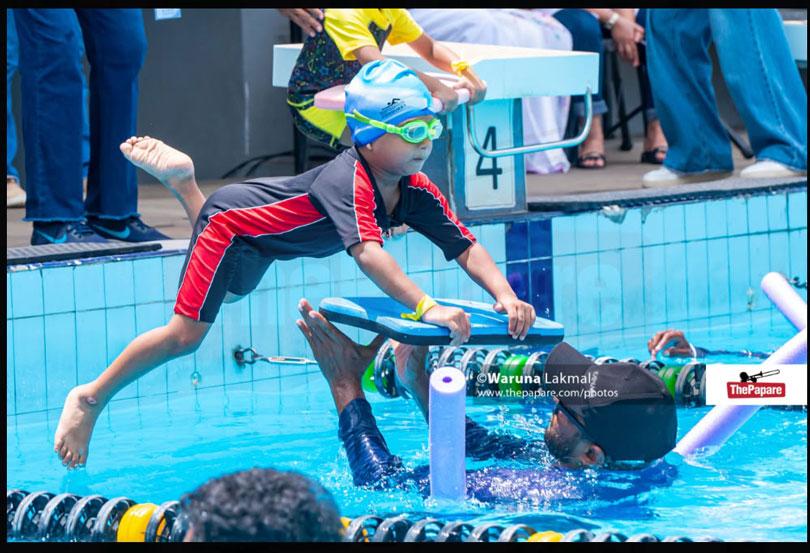
Today, things look different. Practice ends, and screen time begins. There is no gap. No space to just be. No room to process. The moment one structured activity ends, another begins. Children are never left to their own devices. Parents watch from the sidelines, but they do more than watch. They coach every point. They critique every move. They offer advice when none was asked for. They live every victory and every defeat as if it were their own. Children have the best equipment. The latest gear. The most expensive training. But less imagination. Less resourcefulness. Less ability to make something out of nothing. Problems that children used to solve themselves are now solved by parents. Conflicts that used to be negotiated are now mediated by adults. Discomfort that used to be tolerated is now eliminated. And coaches, once respected as experts, are now questioned. Challenged. Second-guessed. The authority that used to come with the role has been eroded. This is not about blaming parents. It is not about saying the past was perfect. It was not. Every generation has its own challenges. But we need to be honest about what we have lost.
What We Removed
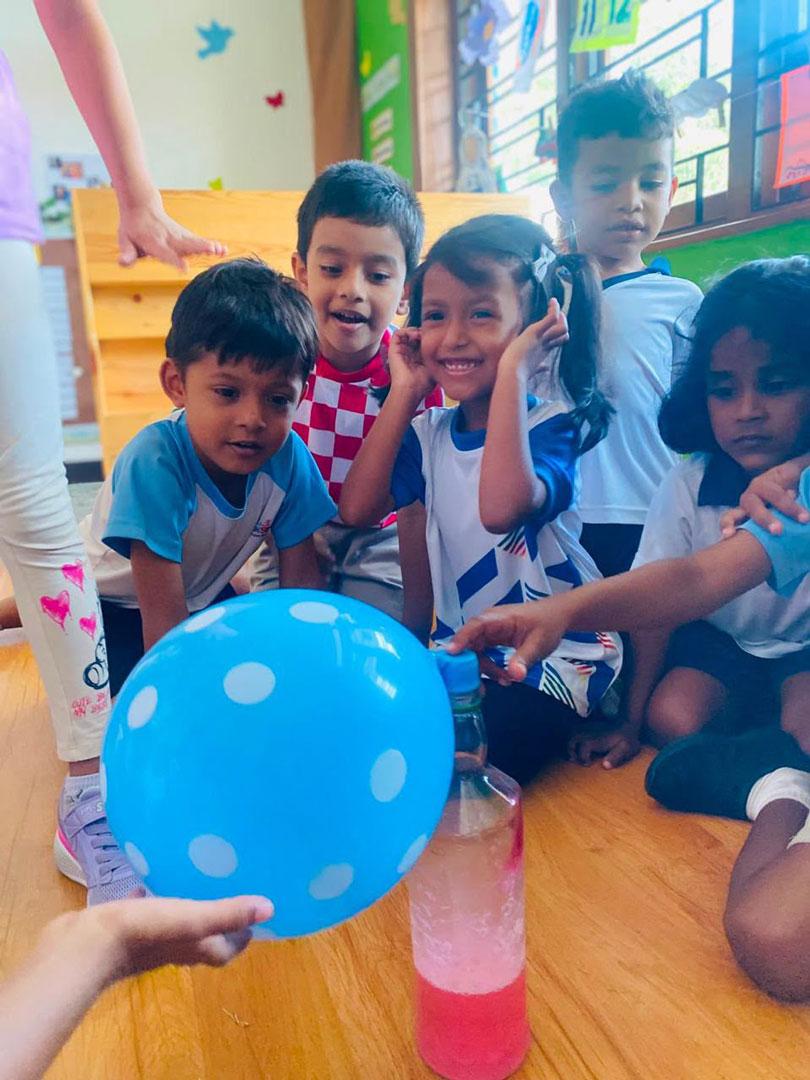
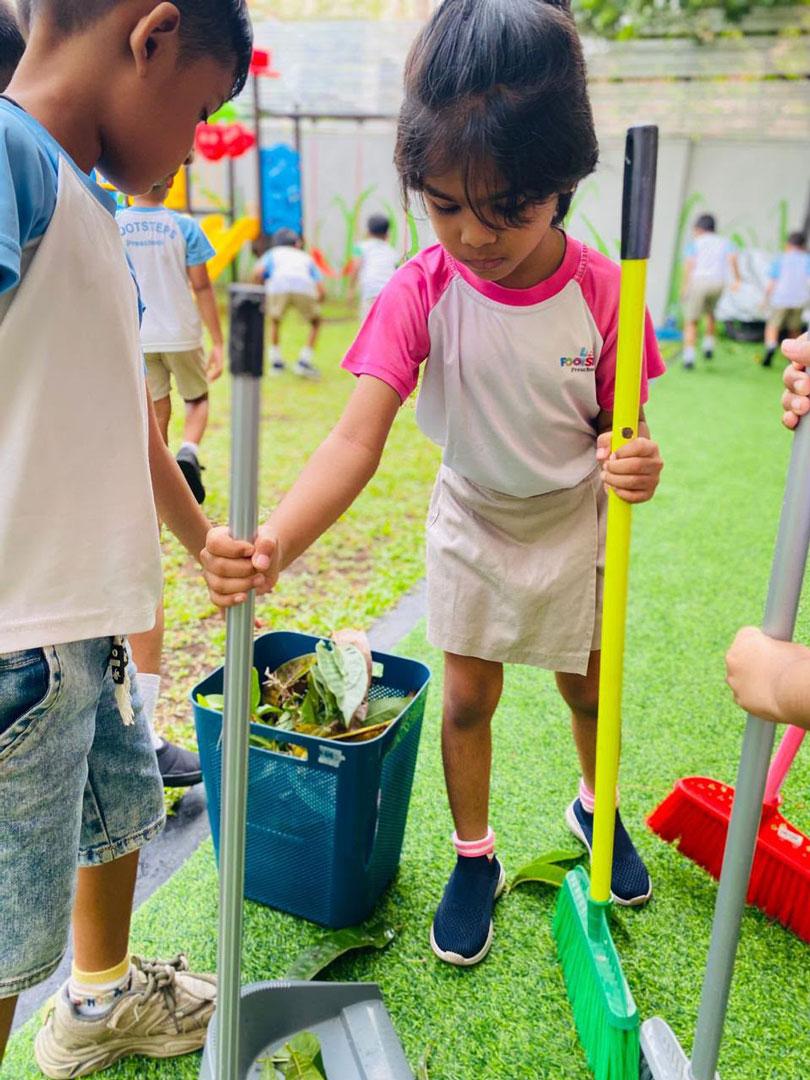
We removed boredom. And with it, we removed the opportunity to invent, to create, to find our own way. Boredom was never the enemy. It was the birthplace of creativity. When children had nothing to do, they made something to do. That is how imagination grows. We removed responsibility. And with it, we removed the chance to feel capable, to contribute, to matter. Children who are never given responsibility never learn that they can handle it. They never learn that they are needed.
We removed patience. And with it, we removed the ability to wait, to persist, to earn what we receive. Instant gratification has replaced the slow, satisfying work of earning something through effort. We removed failure. And with it, we removed the lesson that failure is survivable, that it teaches us things success never can. A child who never fails never learns that failure is not the end. They never build the resilience to try again. We removed independence. And with it, we removed the knowledge that we can do things on our own. Children who are always supervised, always directed, always helped, never discover their own capability. We removed discomfort. And with it, we removed the strength that comes from enduring hard things. Discomfort is not the enemy. It is the teacher. The child who learns to tolerate discomfort learns to endure life. These are not small things. They are the building blocks of resilience. And without them, children grow up fragile. Unable to handle the ordinary challenges of life. Unprepared for a world that will not protect them.
What We Forgot
We forgot the goal. The goal is not to raise children for a sport. It is not to raise children who win trophies. It is not to raise children who get into the best schools or land the best jobs. The goal is to raise people who can handle life. Because the trophies will fade. The awards will gather dust. The accolades will be forgotten. But character will remain. Resilience will remain. The ability to face disappointment, to persevere, to try again; these will last a lifetime. Resilience is not something we are born with. It is something we build. Through hardship. Through failure. Through the ordinary, uncomfortable moments of life.
How We Can Change
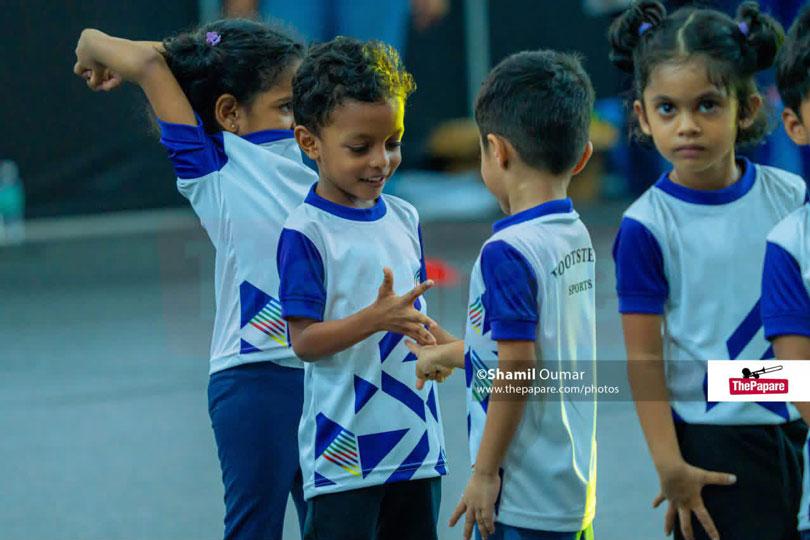
We can trust them. To make mistakes. To learn from them. To try again. We didn't lose talent. We changed how we raise kids. We removed the very things that build resilience: boredom, responsibility, patience, failure, independence, discomfort. And we are seeing the results. In the rising anxiety. In the inability to cope. In the fragility. But it is not too late. We can change the environment. We can restore the things we removed. We can raise children who are capable, resilient, and strong. Not by making everything easy. By making everything possible. Because the goal was never to raise children who win every game. The goal was to raise people who can handle life. And that begins in the earliest years. In the small moments. In the choices we make every day. Let us choose wisely.