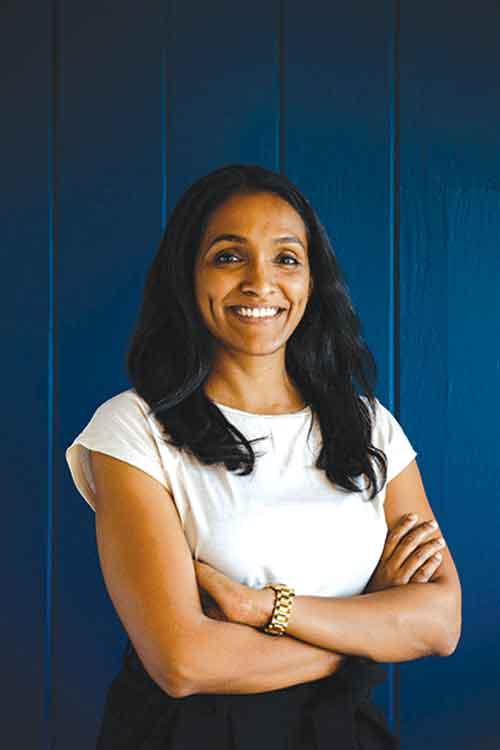
NITHYA RAMAN, THE KERALA-BORN WOMAN WHO MADE HISTORY AS LOS ANGELES MAYOR.
BY: GISELLE GUNEWARDENE
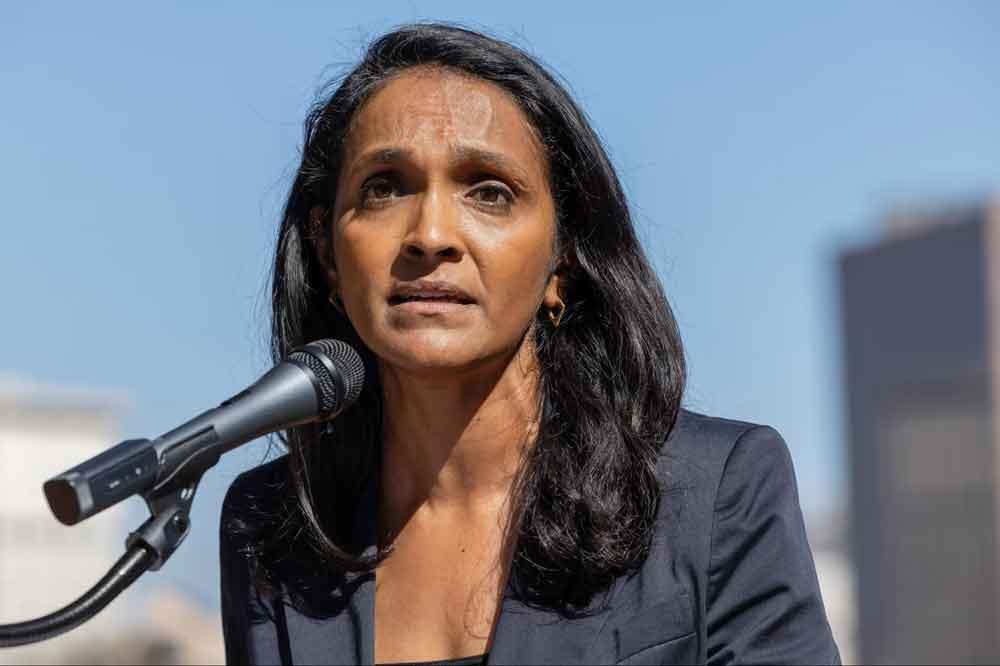
When a six-year-old girl left Kerala with her family for the United States, few could have imagined that nearly four decades later she would become the mayor-elect of Los Angeles, one of the world's most influential cities. Yet Nithya Raman's remarkable journey is not simply another immigrant success story. It is a story of determination, education, social activism, political rebellion and an enduring concern for people living on the margins of society.
On the 3rd of November 2026, Raman, a 45-year-old Indian-American politician, defeated incumbent Mayor Karen Bass in a closely contested election. Bass conceded on the 5th of November, when Raman was leading by approximately 52% to 48%. The victory made Raman the first person of South Asian descent elected mayor of Los Angeles and marked a significant political shift in America's second-largest city.
ROOTS IN KERALA AND AN AMERICAN CHILDHOOD
Nithya V. Raman was born in 1981 in Thrissur, Kerala, into an educated Malayali family. Her father, Venkitaraman, worked for KELTRON, the Kerala government's electronics enterprise, while her mother, Sudha Kechery, worked for Indian Overseas Bank. During her early childhood, the family lived for a period in Thiruvananthapuram, where her father's employment took them. Raman also attended kindergarten in Thrissur before her family relocated to the United States when she was approximately six years old. Her father's pursuit of higher education helped shape the family's migration. After initially living in Louisiana, they settled in Burlington, Massachusetts, where Raman spent much of her formative childhood. Growing up between two cultures gave her an unusual perspective on identity, belonging and opportunity. Although she received most of her education in America, her connections with India remained strong. Those connections would eventually influence her professional choices and political philosophy.
HARVARD, MIT AND THE MAKING OF A SOCIAL REFORMER
Raman's academic journey took her to Harvard University, where she studied social studies and political theory, graduating in 2002. She later earned a master's degree in city planning from the Massachusetts Institute of Technology. At Harvard, her interests extended beyond conventional academic achievement. She became involved in housing advocacy, including efforts to help tenants facing eviction. Former classmates recall her participation in activities highlighting homelessness, including sleeping outdoors during freezing weather to draw attention to the problem. Her undergraduate research explored how ordinary citizens lose trust in government institutions when public services fail them. Raman also cultivated a passion for Indian classical dance. She studied under celebrated dancer Leela Samson in Chennai and performed with her dance company. Her artistic interests continued alongside her growing fascination with urban development, inequality and public administration. These experiences helped establish a belief that would become central to her career. Government should be judged not merely by its promises but by its ability to improve everyday life.
RETURNING TO INDIA TO WORK AMONG THE POOR
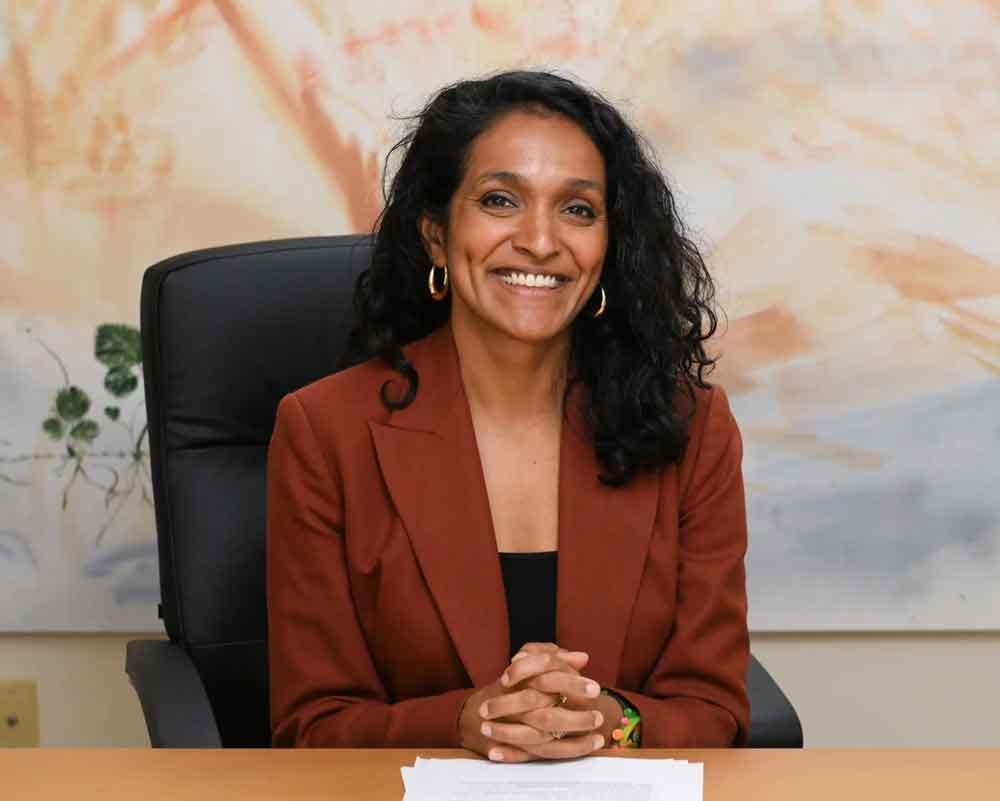
Unlike many highly educated Indian immigrants who build careers entirely in America, Raman returned to India to work with disadvantaged communities. In Delhi, she collaborated with organisations supporting residents of informal settlements, particularly families threatened with displacement during preparations for the 2010 Commonwealth Games. She subsequently moved to Chennai, where in 2010 she established Transparent Chennai, a civic initiative that used research and mapping to expose inequalities in urban services. The organisation documented public toilets, transport routes, sanitation problems and neighbourhoods frequently overlooked in official planning. Its work demonstrated how reliable information could help poorer communities demand essential services and challenge government decisions. For Raman, the experience was transformative. She saw how urban planning could determine whether families had access to safe housing, functioning sanitation and affordable transportation. Her years in India would later provide a foundation for her work on homelessness and housing in Los Angeles.
MARRIAGE, HUSBAND AND CHILDREN
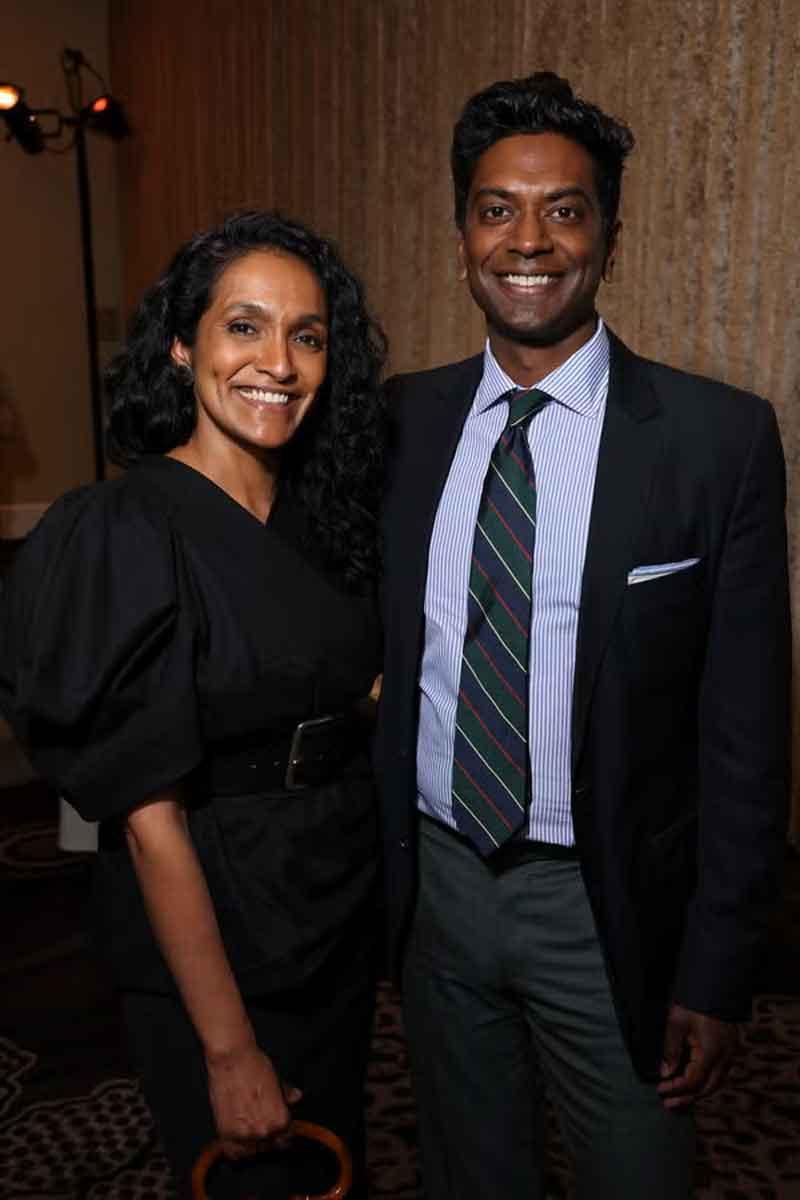
Away from politics, Raman is married to Vali Chandrasekaran, an accomplished American television writer and producer of Indian origin. The couple met at Harvard in 1999 and married in 2010. Chandrasekaran has worked on popular television productions including Modern Family, 30 Rock and The Four Seasons, earning five Emmy nominations. They have twins, a son named Karna and a daughter named Kaveri and live in the Silver Lake neighbourhood of Los Angeles. Their family represents an interesting intersection of Indian heritage, American academia, Hollywood entertainment and public service. Despite their demanding professional lives, Raman has frequently identified herself as a working mother, with family responsibilities forming an important part of her public identity.
FROM COMMUNITY ACTIVIST TO LOS ANGELES POLITICIAN
Raman moved to Los Angeles in 2013 and worked in the city's administrative office, examining public expenditure on homelessness. Frustrated by the growing number of people living without shelter, she co-founded the SELAH Neighbourhood Homeless Coalition in 2017, bringing volunteers together to assist homeless residents. She also served as Executive Director of Time's Up Entertainment; an organisation associated with combating sexual harassment in Hollywood. Her political breakthrough came in 2020 when she defeated incumbent councilmember David Ryu, becoming the first South Asian and first Asian-American woman elected to the Los Angeles City Council. Supported by grassroots volunteers and progressive organisations, she campaigned on affordable housing, tenant protections, homelessness and climate action. Her victory challenged an established political order and demonstrated the electoral strength of neighbourhood organising. She was re-elected in March 2024, strengthening her position as an emerging progressive leader.
THE DRAMATIC 2026 MAYORAL VICTORY
Raman's decision to challenge Mayor Karen Bass surprised Los Angeles political observers. Only weeks before announcing her candidacy in February 2026, she had supported Bass's re-election. Her reversal immediately raised questions about political loyalty and ambition.
However, Raman argued that Los Angeles needed a different approach to its worsening affordability crisis, expensive housing and struggling public services. The election developed into a contest between the established Democratic leadership and a younger progressive movement. Bass enjoyed support from influential political organisations and prominent public figures, while Raman attracted younger voters, housing campaigners and supporters of democratic socialism. The incumbent also faced criticism over her administration's handling of the devastating 2025 Palisades Fire. Raman promised to expand housing construction, improve municipal services and substantially reduce street homelessness. Her November victory demonstrated the strength of demands for change, although translating campaign promises into practical results will be considerably more difficult.
A HISTORIC VICTORY AND A DIFFICULT ROAD AHEAD
Raman is expected to assume office in December 2026, inheriting enormous challenges. Los Angeles faces persistent homelessness, expensive housing, financial pressures, deteriorating infrastructure and concerns about the future of its entertainment industry. The city must also prepare for the 2028 Olympic Games. Her Indian roots make her election particularly significant for the Indian diaspora, but her political identity extends far beyond her birthplace. From studying urban inequality in India to challenging entrenched political leadership in America, Raman has built her career around the relationship between ordinary citizens and government. Whether she can deliver the changes she promises remains an open question. For now, her election marks an extraordinary milestone in American urban politics. The little girl who left Kerala for a distant country has grown into a leader entrusted with the future of Los Angeles. Her journey demonstrates how migration, education, civic engagement and political participation can combine to reshape a city's leadership. And for Nithya Raman, the most consequential chapter of that journey is only beginning.