Sri Lanka’s Economic Pressure: How Ordinary Families Are Surviving
By Yashmitha Sritheran
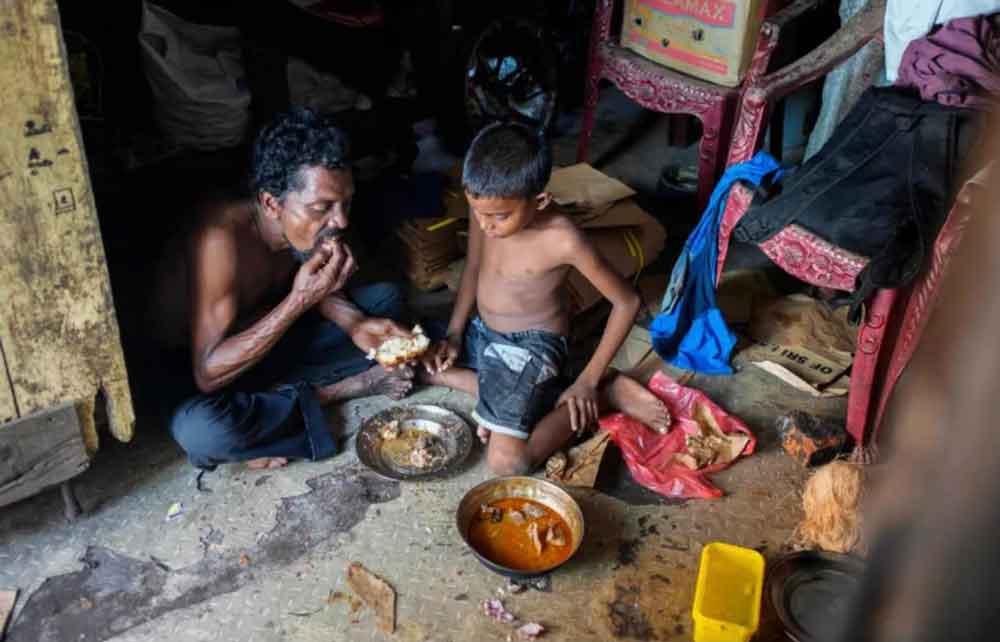
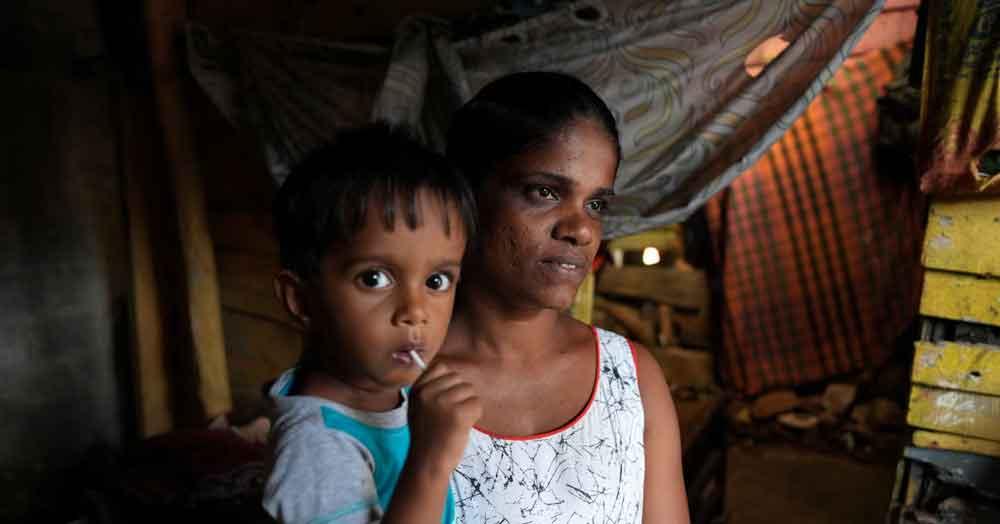
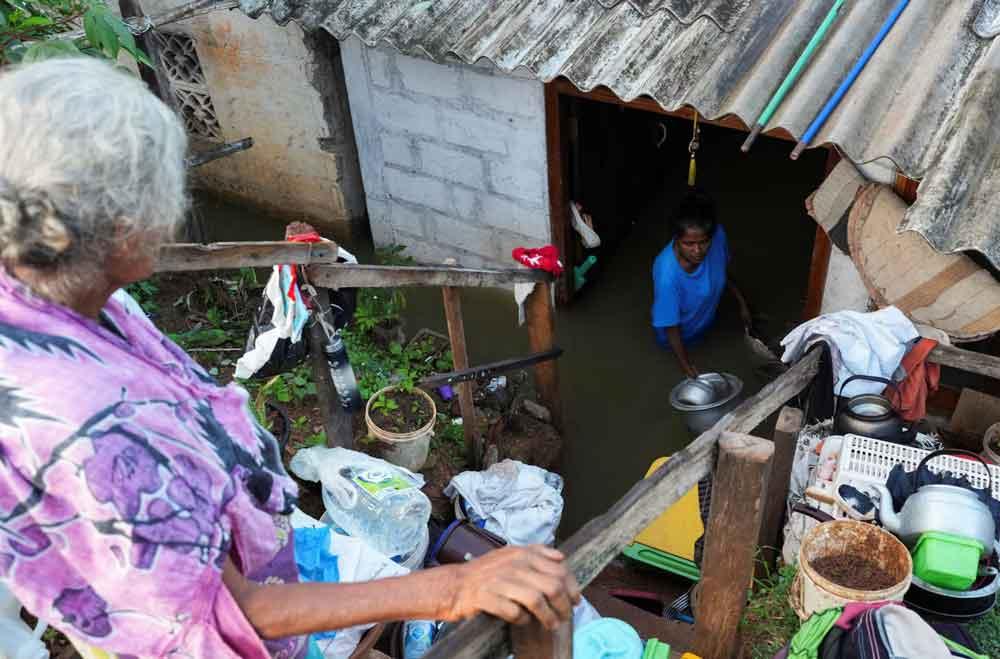
For many families in Sri Lanka, managing everyday expenses has become an exercise in careful planning. From grocery shopping and travelling to work to paying electricity bills and covering educational expenses, the cost of maintaining an ordinary lifestyle continues to place pressure on household budgets. What was once considered a regular monthly expense now requires more thought, comparison and, in some cases, compromise. Families are becoming increasingly conscious of where their money goes, often making small adjustments to their daily routines to ensure that their income lasts until the end of the month.
The rising cost of living is not necessarily reflected in one major expense. Instead, it is the accumulation of several everyday costs that makes managing household finances challenging. Food, transportation, utilities, education and healthcare all compete for a share of the monthly income, leaving many households with less flexibility when it comes to spending. One of the most noticeable changes for many households can be seen in their grocery shopping habits. A routine supermarket visit now often involves comparing prices, checking discounts and reconsidering which products are essential. Families that previously purchased groceries without much planning are becoming more conscious of quantities and prices.
Some households have started preparing shopping lists before visiting supermarkets, while others prefer local markets where certain vegetables and everyday essentials may be available at more affordable prices. There is also a growing tendency to prioritise essential food items over convenience products. Instead of purchasing several varieties of snacks, beverages or ready-made meals, families are choosing to prepare more food at home.
This does not necessarily mean that households have stopped purchasing the things they enjoy. Rather, they are becoming more selective about how frequently they spend on non-essential items. For parents, grocery decisions can be particularly difficult. Maintaining a balanced diet while staying within a limited budget requires careful consideration, especially in households with growing children.
Eating out, visiting cafés and spending weekends with friends are activities many people enjoy. However, these experiences are increasingly being treated as occasional luxuries rather than regular habits by some households. A family that previously visited a restaurant every weekend may now choose to dine out once a month. Young adults may reconsider how often they order food online, while groups of friends may prefer meeting at someone’s home instead of spending on cafés and restaurants. Even simple outings require additional planning. Transportation, food, parking and other small expenses can quickly add up, making people more conscious of the overall cost of spending a day outside.
For some, this has encouraged more affordable alternatives, such as preparing meals at home, organising small gatherings or choosing places that offer reasonable prices. Although these adjustments may appear minor, they reflect how households are reconsidering leisure activities as part of their monthly budgets. Getting to work, attending classes and managing daily responsibilities are unavoidable parts of life. Yet transportation expenses can take up a considerable portion of a household’s monthly income.
For individuals who travel long distances for work, daily transport costs can become particularly difficult to manage. Some have started using public transportation more frequently, while others try to combine errands and journeys to reduce unnecessary travel.
Car owners also have to consider fuel, maintenance and other vehicle-related expenses. As a result, some families may choose to use their vehicles less frequently, especially for short journeys. For working individuals and university students, these decisions are not always about convenience. They are often about finding a practical way to manage essential travel without placing additional pressure on their finances. Electricity, water, internet and other utility expenses are another part of everyday life that families must account for.
Many households are becoming more conscious of electricity consumption by switching off unused appliances, limiting unnecessary air-conditioning and making better use of natural light. Some families are also reviewing their mobile and internet packages to determine whether they are paying for services they do not fully use. These changes may not create significant savings individually, but together they can help households manage their monthly expenses more effectively. For families with children studying at home or adults working remotely, however, reducing electricity and internet usage is not always straightforward. These services have become essential for education, communication and employment.
For parents, providing children with a good education remains one of the most important responsibilities. However, school-related expenses can add another layer of financial pressure. School supplies, uniforms, transport, tuition classes, extracurricular activities and examination-related costs all contribute to household spending. Some parents are becoming more selective about additional classes and activities, while others look for affordable alternatives without compromising their children’s education. Purchasing school supplies in advance, reusing items that remain in good condition and comparing prices between different shops are some of the ways families try to manage these expenses. Despite financial limitations, many parents continue to prioritise educational opportunities, often adjusting other areas of household spending to accommodate their children’s needs.
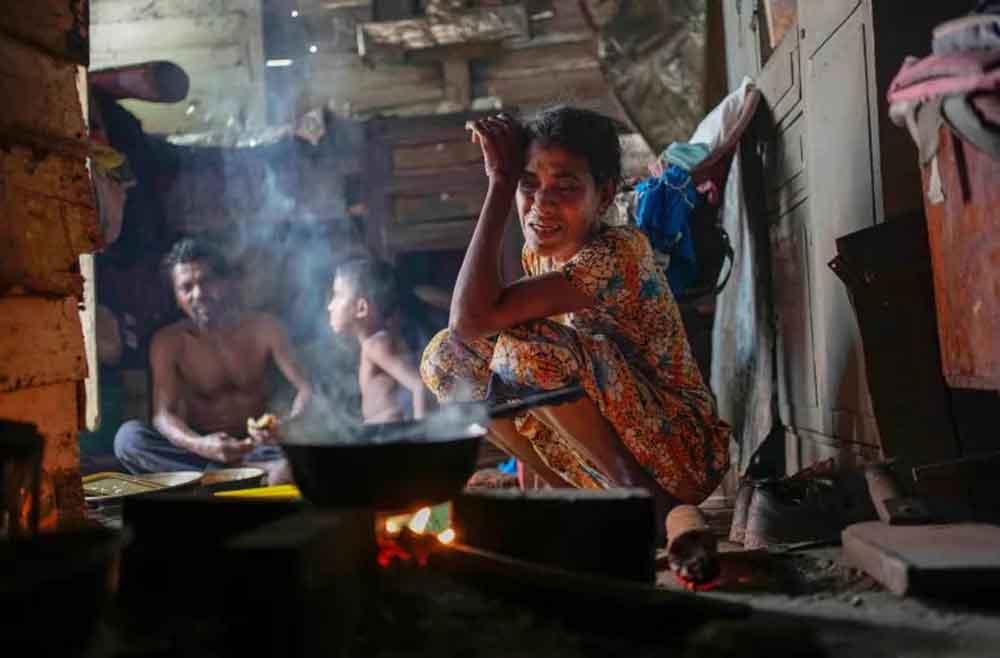
For many working individuals, saving money is an important financial goal. However, when a large portion of monthly income is allocated to essential expenses, setting aside money can become challenging. Some families have started maintaining simple monthly budgets, recording their expenses and identifying areas where spending can be reduced. Others try to save a small amount immediately after receiving their salaries, rather than waiting until the end of the month. While the amount may vary depending on their financial circumstances, the intention is to maintain some form of financial security. Unexpected expenses, including medical appointments, household repairs and family emergencies, can make this particularly difficult. As a result, financial planning is becoming less about achieving major savings goals and more about ensuring that households have enough to manage both regular expenses and unexpected situations.
Perhaps one of the biggest changes is the way people distinguish between what they need and what they want. Purchasing new clothes, upgrading electronic devices, travelling and enjoying occasional treats are still important parts of life. However, some households are choosing to delay these purchases or reconsider whether they are necessary at the moment. This does not mean that people have stopped enjoying life. Instead, they are learning to find affordable ways to maintain their routines while being more mindful of their spending.
The experience is different for every household. Families with multiple income earners may have different financial options from those relying on a single salary. Similarly, households with children, elderly family members or additional responsibilities may face different challenges. There is no single solution that works for everyone. The rising cost of living has encouraged many Sri Lankan families to rethink their everyday habits. From grocery shopping and transportation to entertainment and savings, financial considerations are becoming part of almost every household decision. While some adjustments may seem small, they represent a broader change in how people approach their finances and plan their lives. For many, the aim is not necessarily to maintain the same lifestyle they once had, but to find a sustainable way to manage their responsibilities without giving up everything they enjoy. Ultimately, the cost of living is not just about the prices displayed on supermarket shelves or monthly utility bills. It is also about the choices people make every day, the plans they postpone and the compromises they quietly introduce into their routines. As households continue to adapt, careful spending, practical decision-making and financial awareness have become increasingly important parts of everyday life in Sri Lanka. Sometimes, managing the month is no longer simply about earning and spending. It is about making sure that the essentials are covered while leaving a little room to enjoy life along the way.