When Did Being a Desi Girl Become a Social Media Trend?
By Yashmitha Sritheran
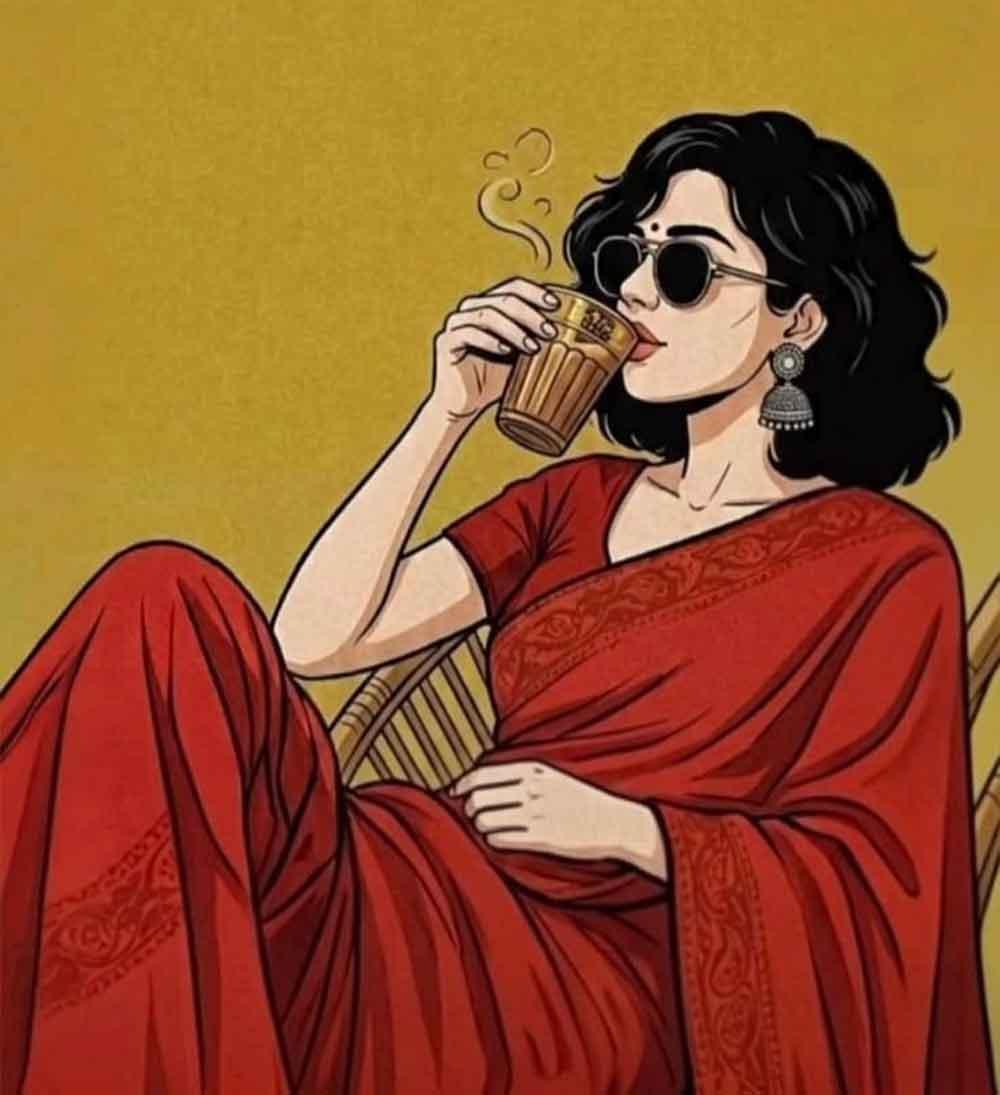
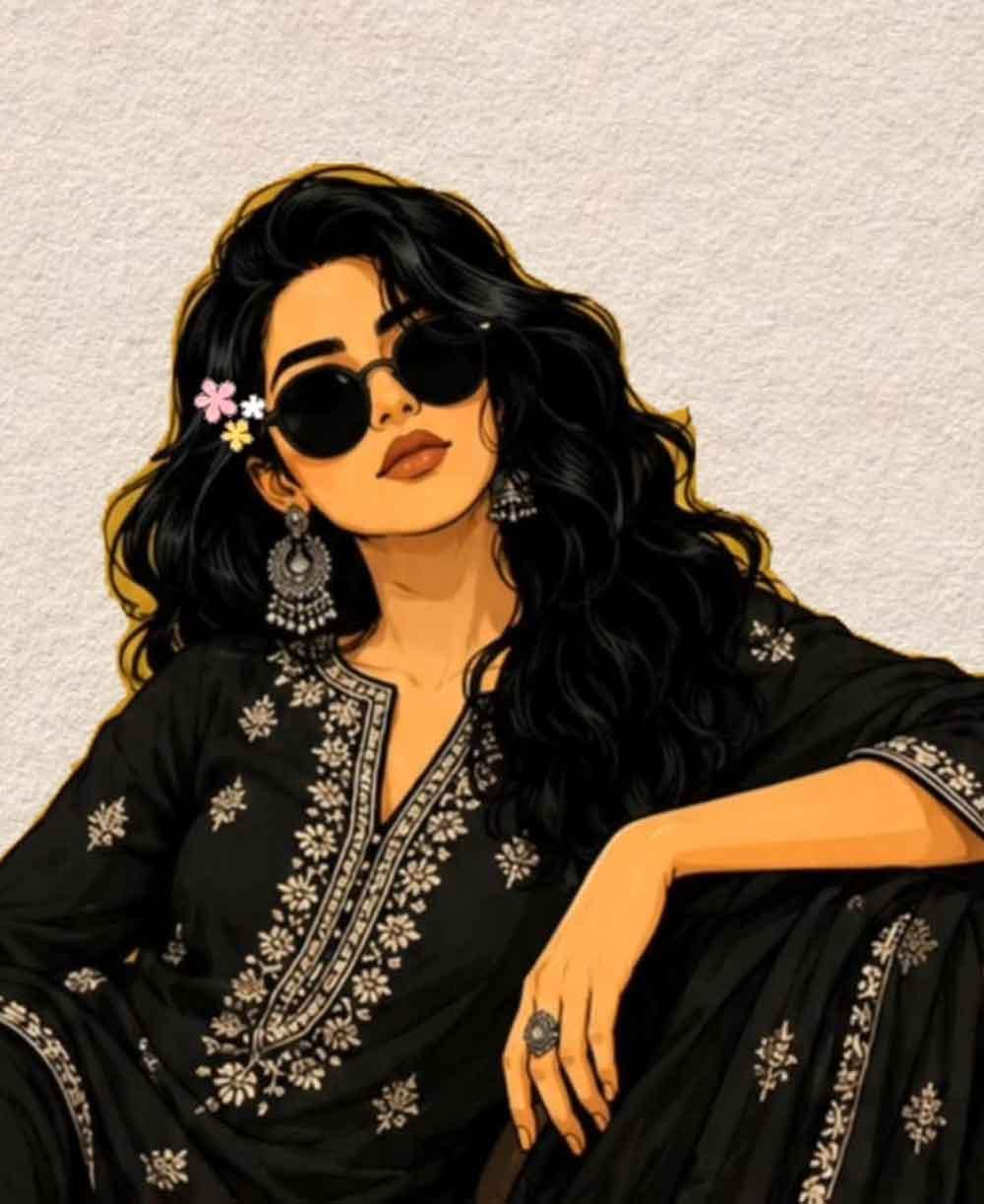
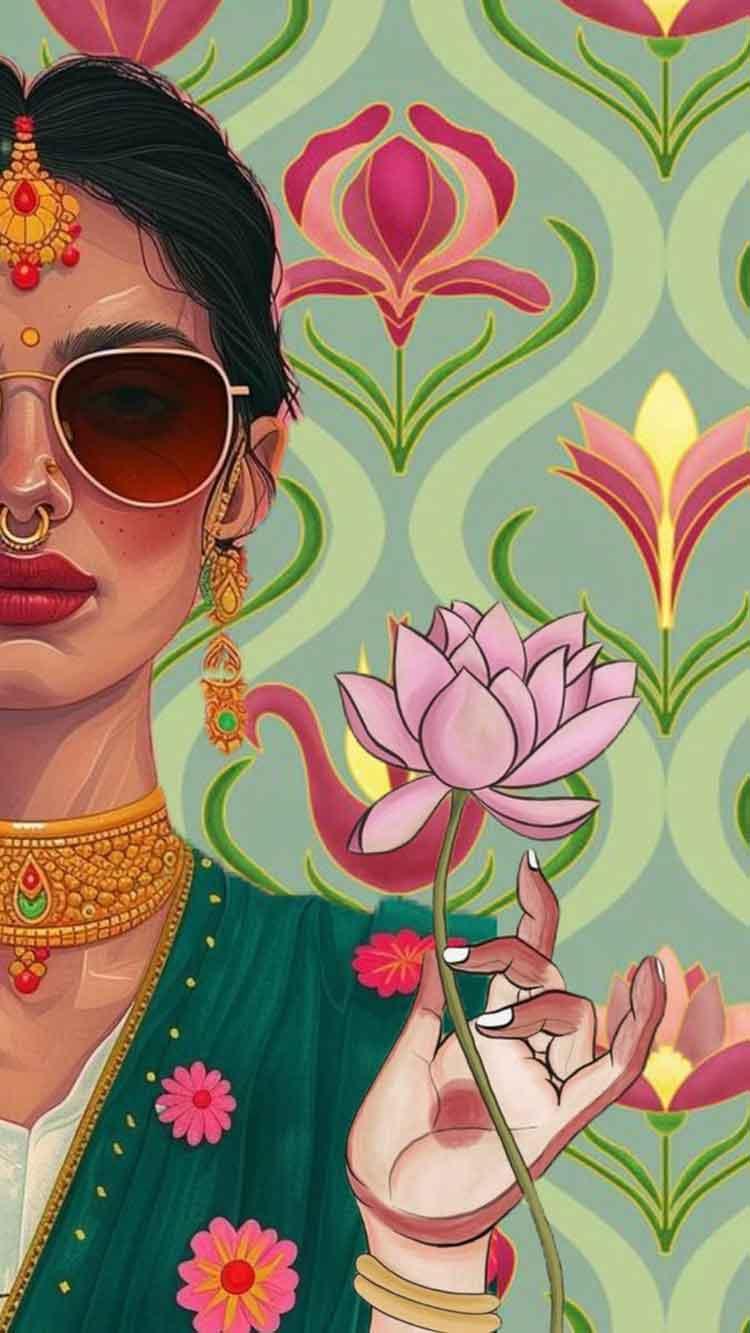
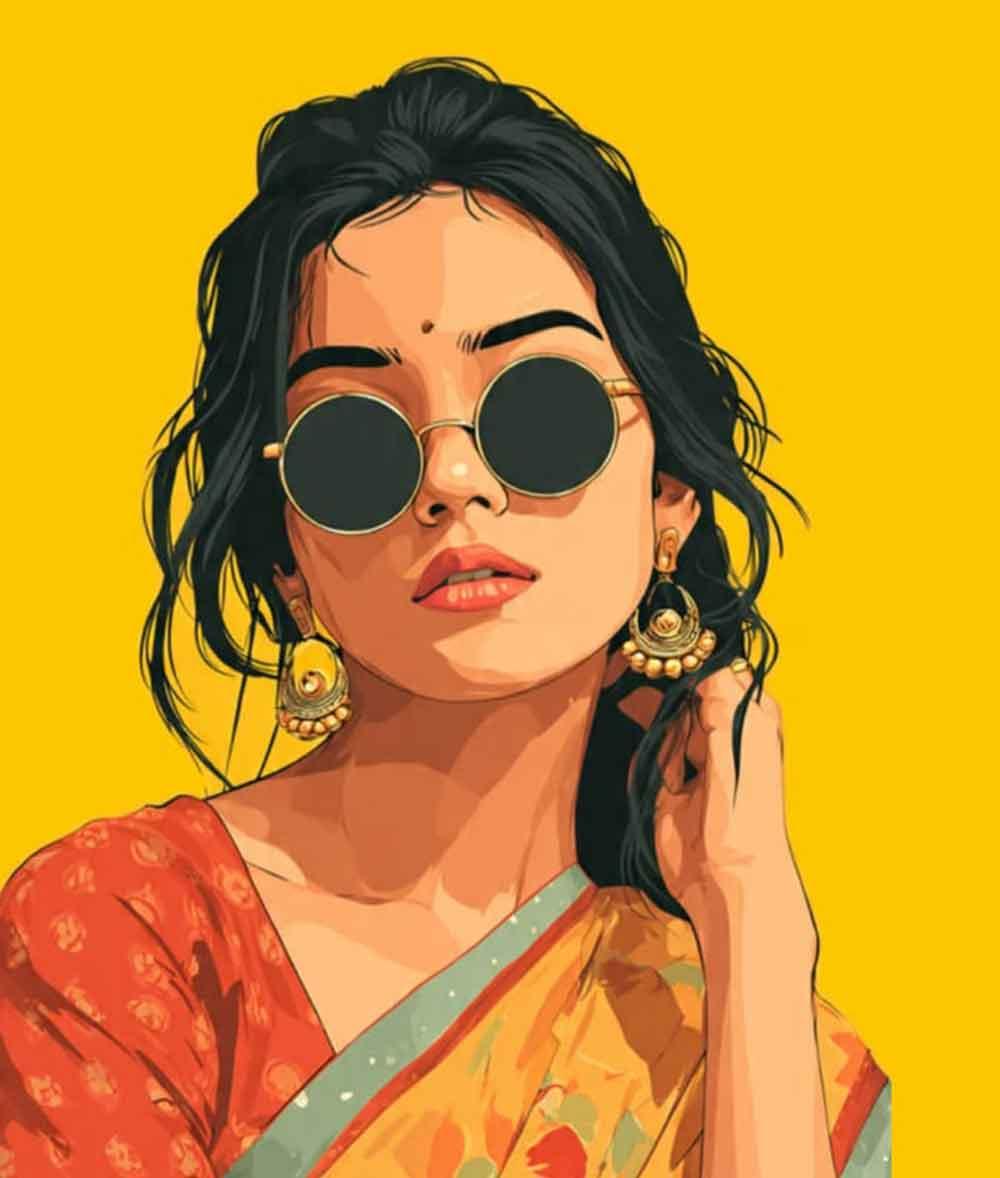
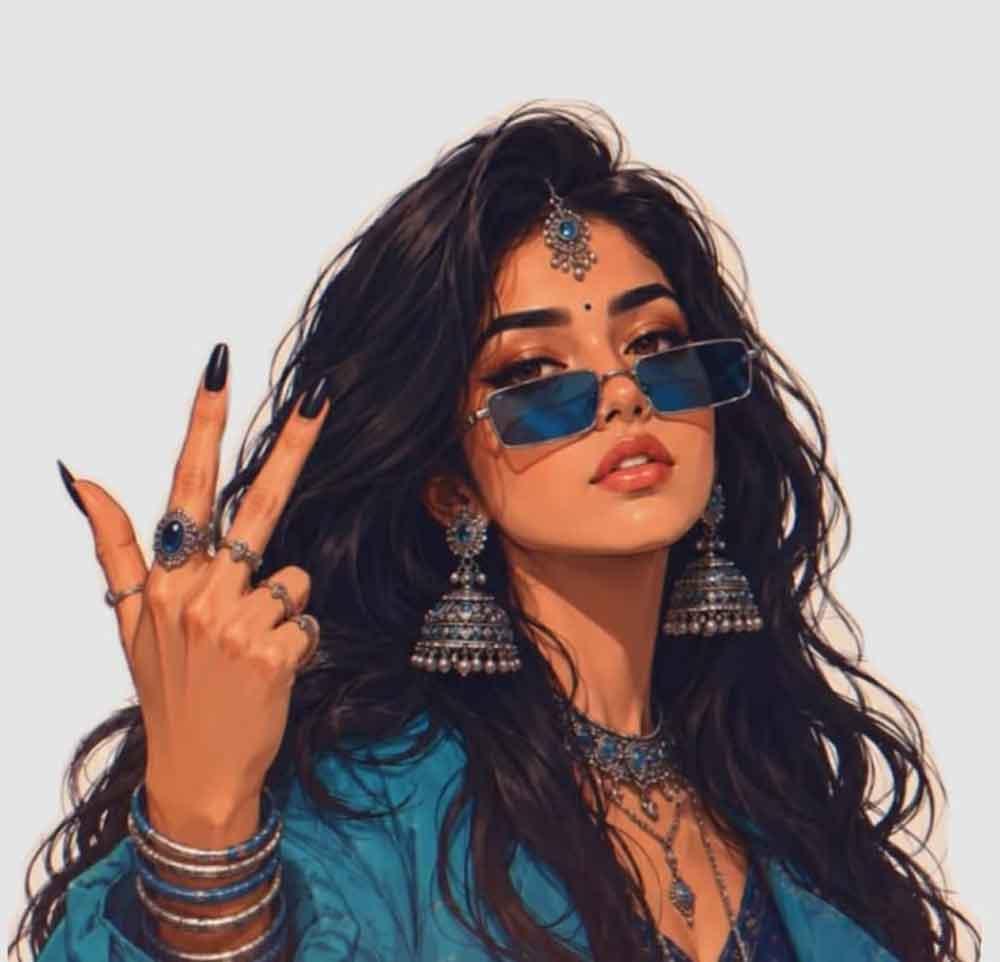
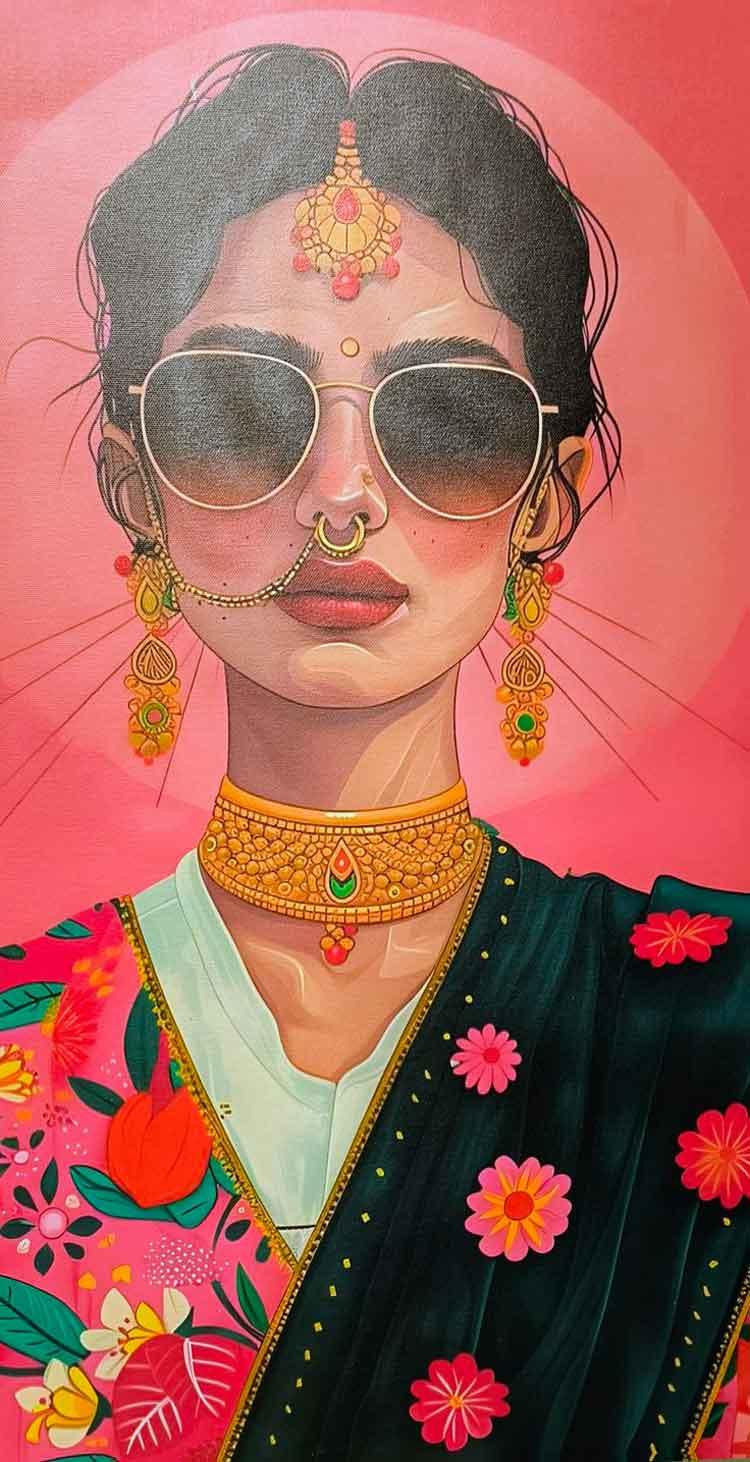
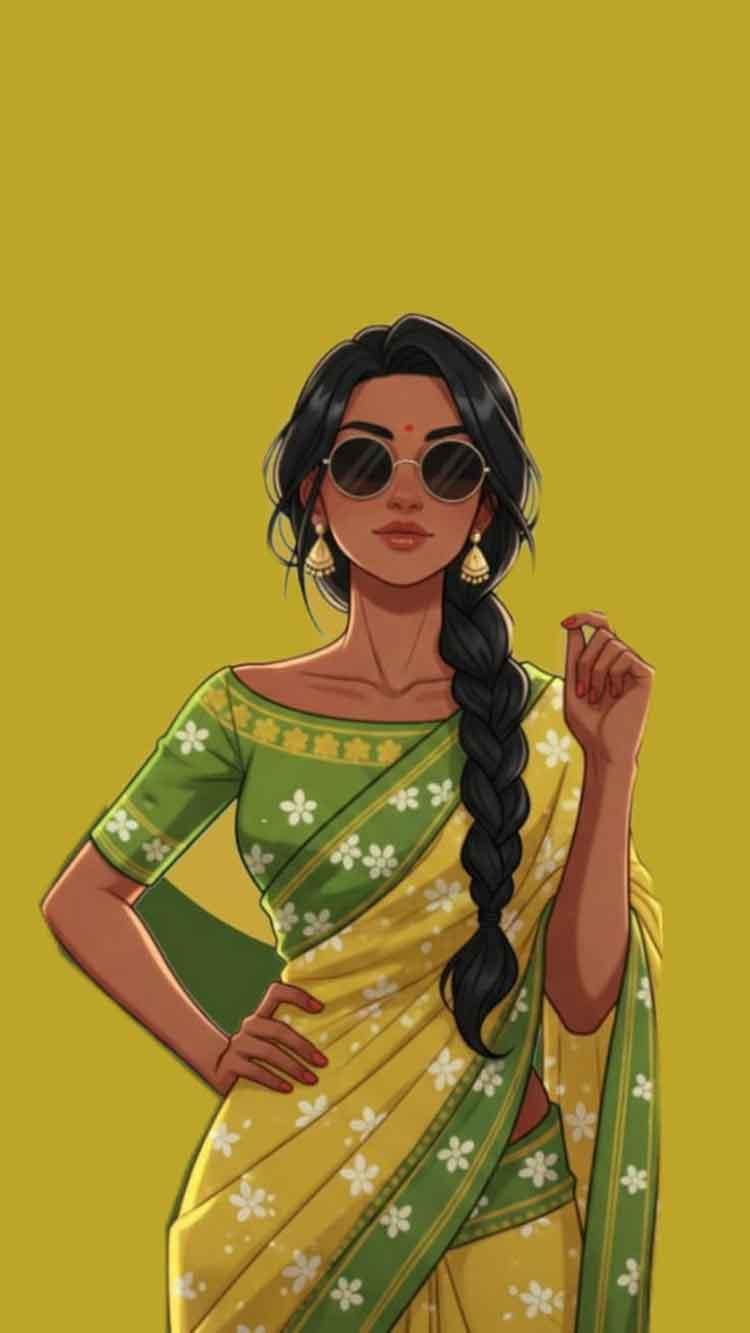
There was a time when traditional South Asian clothing, jewellery and beauty practices were largely associated with cultural celebrations, family gatherings and special occasions. Today, those same elements have found a new home on social media, where they are being reimagined through carefully curated photographs, fashion reels and aesthetic trends. From colourful bangles and intricate jhumkas to flowing sarees, embroidered kurtas and traditional hairstyles, South Asian fashion has become increasingly visible across digital platforms. What was once simply part of everyday cultural identity is now being presented as the widely recognised “brown girl aesthetic.” While this growing appreciation has brought South Asian fashion into the spotlight, it also raises an interesting question: are we celebrating culture, or are we slowly turning it into another passing trend?
Scroll through Instagram, TikTok or Pinterest, and it is difficult to miss the influence of South Asian fashion. Videos featuring traditional outfits paired with contemporary accessories, elaborate jewellery collections and makeup inspired by Bollywood have attracted considerable attention. Young women are embracing clothing and accessories that reflect their cultural backgrounds, often combining traditional pieces with modern fashion. A simple kurta paired with jeans, jhumkas worn with a Western outfit or a saree styled with a contemporary blouse can create an entirely new look. These combinations demonstrate how traditional fashion continues to evolve, adapting to changing tastes without necessarily losing its cultural significance.
For many South Asian women, particularly those growing up outside their countries of origin, this visibility represents something meaningful. Cultural clothing and accessories that may once have made them feel different are now being appreciated and celebrated online. The rise of the brown girl aesthetic has created a digital space where young women can express pride in their heritage while connecting with others who share similar experiences. Wearing traditional jewellery, experimenting with cultural hairstyles or sharing photographs in ethnic clothing can become a form of self-expression. In this sense, social media has helped transform cultural identity into something that can be celebrated openly rather than reserved for particular occasions.
However, the growing popularity of this aesthetic also highlights how quickly social media can transform meaningful cultural elements into fashionable accessories. A pair of jhumkas may be admired for its appearance without much consideration of its history or craftsmanship. A saree may become the centrepiece of a viral fashion video, while the traditions associated with wearing it receive little attention. Cultural practices that have developed over generations can sometimes be reduced to visual details designed to attract likes, shares and engagement. Although appreciating fashion is not inherently problematic, the distinction between cultural celebration and cultural consumption becomes less clear when appearance takes priority over understanding.
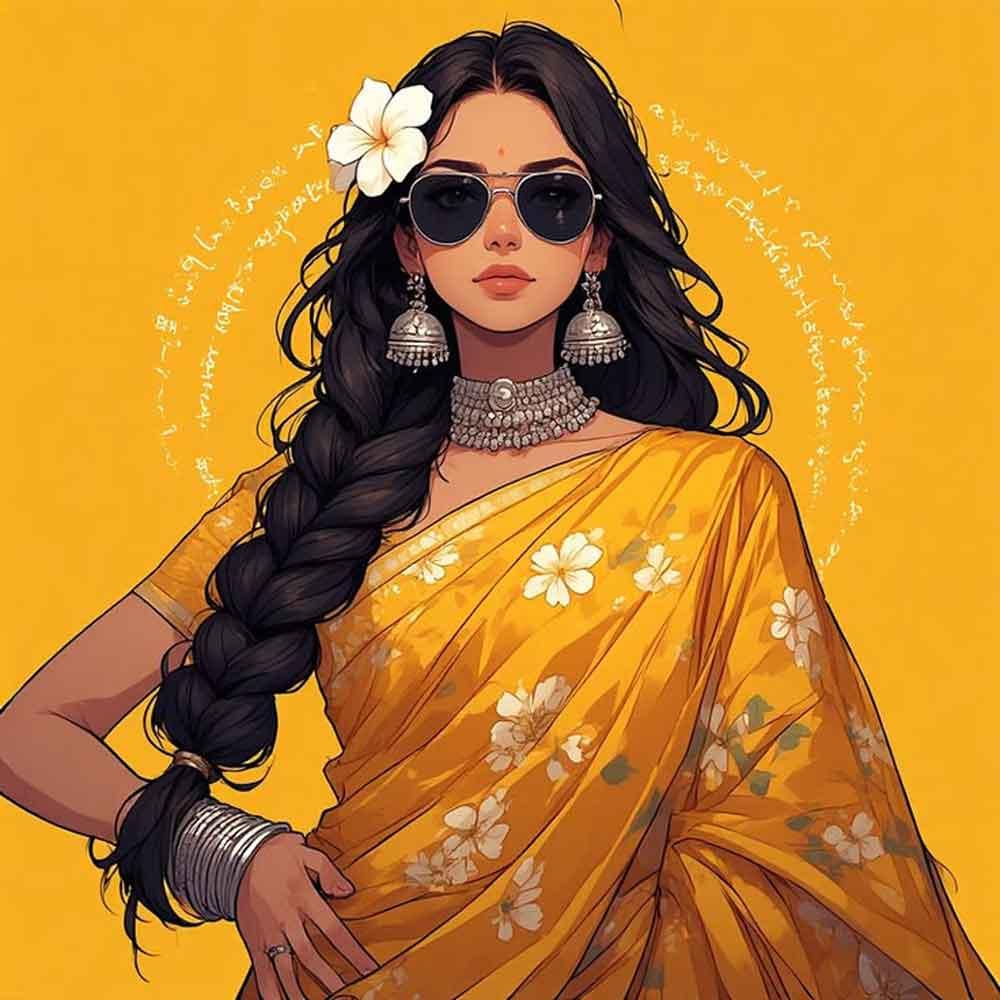
Another interesting aspect of the trend is how South Asian culture is often presented as a single aesthetic. The region is home to an extraordinary variety of languages, communities, religions, traditions and clothing styles, each carrying its own history and meaning. A Sri Lankan saree, an Indian lehenga, a Pakistani shalwar kameez and a Bangladeshi jamdani saree may all appear within the same online fashion category, despite their distinct cultural backgrounds. Even within individual countries, clothing traditions differ considerably across regions and communities. When these differences are overlooked, the richness of South Asian culture risks being simplified into a collection of colourful outfits, jewellery and familiar musical references.
Music has also played a significant role in popularising the brown girl aesthetic. Bollywood soundtracks, Tamil film songs, Punjabi music and other South Asian musical traditions frequently accompany fashion videos and lifestyle content. A traditional outfit paired with a popular song can create an instantly recognisable social media moment, allowing cultural expression to reach audiences far beyond its original community. This visibility can introduce people to unfamiliar languages, artists and musical styles. Yet, as with fashion, the popularity of a particular sound does not always translate into an understanding of the culture behind it. Sometimes, music becomes another decorative element in a carefully arranged digital identity.
The influence of Bollywood deserves particular attention because it has long shaped perceptions of South Asian beauty, fashion and celebration. From memorable film costumes to elaborate wedding sequences, cinema has inspired generations of fashion enthusiasts. Social media has accelerated this influence by allowing users to recreate iconic looks, experiment with traditional accessories and participate in fashion trends inspired by their favourite films. However, Bollywood is only one part of South Asian cultural expression. When its imagery dominates online representations of the region, smaller communities and lesser-known traditions may receive less attention, despite having equally rich artistic and cultural histories.
There is also a commercial dimension to the popularity of cultural aesthetics. As traditional clothing and jewellery attract wider audiences, fashion brands and online retailers have opportunities to introduce culturally inspired collections. This can benefit local designers, artisans and small businesses by creating new demand for their products. At the same time, mass-produced accessories and inexpensive imitations can compete with traditional craftsmanship, particularly when consumers are more interested in achieving a fashionable look than understanding how an item was made. Supporting authentic craftsmanship, recognising the communities behind particular designs and acknowledging their origins can help ensure that cultural appreciation extends beyond appearance.
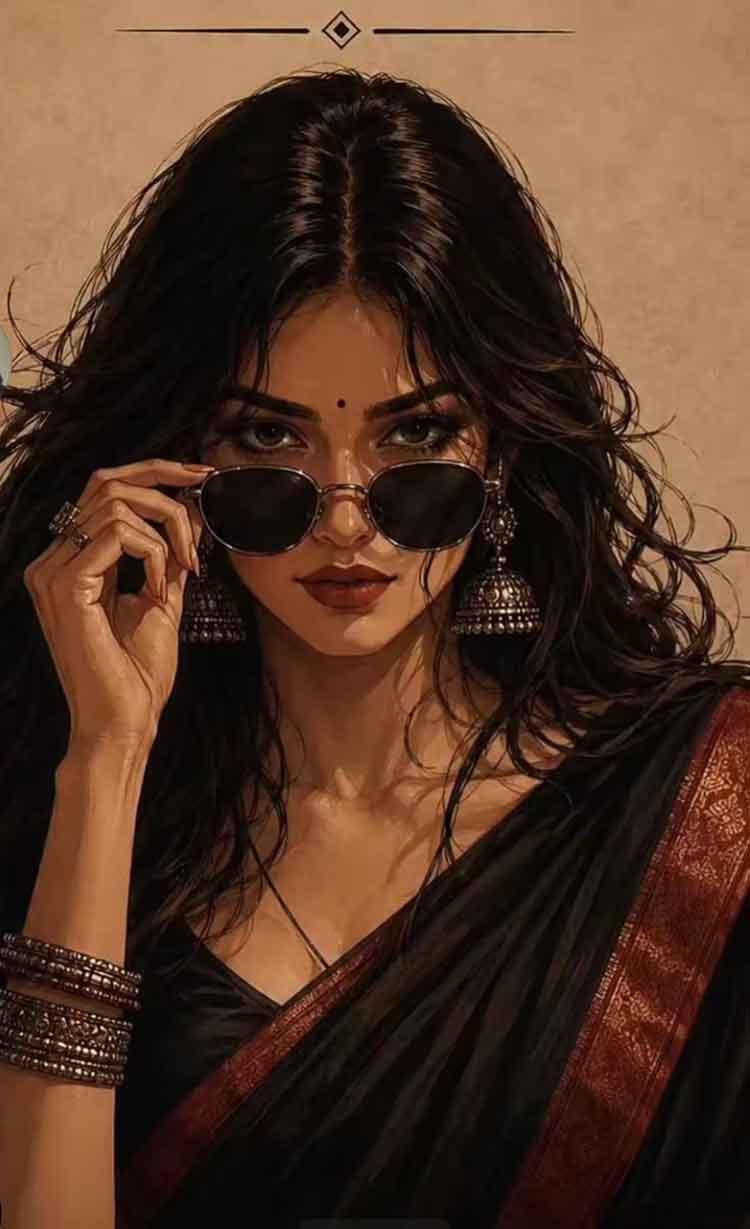
Interestingly, the brown girl aesthetic also reflects a broader shift in how younger generations approach identity. Cultural expression no longer needs to follow a single definition or set of expectations. Someone may enjoy wearing traditional clothing without following every custom associated with it, while another person may express cultural pride through music, language, food or family traditions. There is no single correct way to celebrate one’s heritage.
Fashion can provide an accessible starting point for exploring identity, particularly for individuals who are rediscovering traditions or developing a stronger connection with their cultural backgrounds.
Nevertheless, cultural identity should not become something that requires online approval. Not every traditional outfit needs to become a photoshoot, and not every cultural celebration needs to be transformed into content. The beauty of South Asian traditions lies not only in their visual appeal but also in the memories, relationships and experiences attached to them. A saree passed down through generations, jewellery worn during family celebrations or a familiar song played at home may carry emotional significance that cannot be captured through an aesthetic label. These personal connections are what give cultural practices meaning beyond their popularity on social media.
Ultimately, the rise of the brown girl aesthetic is neither entirely positive nor entirely negative. It has encouraged cultural pride, introduced traditional fashion to wider audiences and created opportunities for creativity and self-expression. At the same time, it reminds us how easily meaningful traditions can be simplified when they become part of the constantly changing world of online trends. Appreciating South Asian culture should involve more than adopting its most visually appealing elements. It should also encourage curiosity about its history, diversity, craftsmanship and people. Trends may come and go, but cultural identity is not something that disappears when the algorithm moves on. The brown girl aesthetic may be having its moment online, but the culture behind it has always been more than a trend.