LOST: AFGHANISTAN’S WOMEN AND THE STORIES WE LET SLIP.
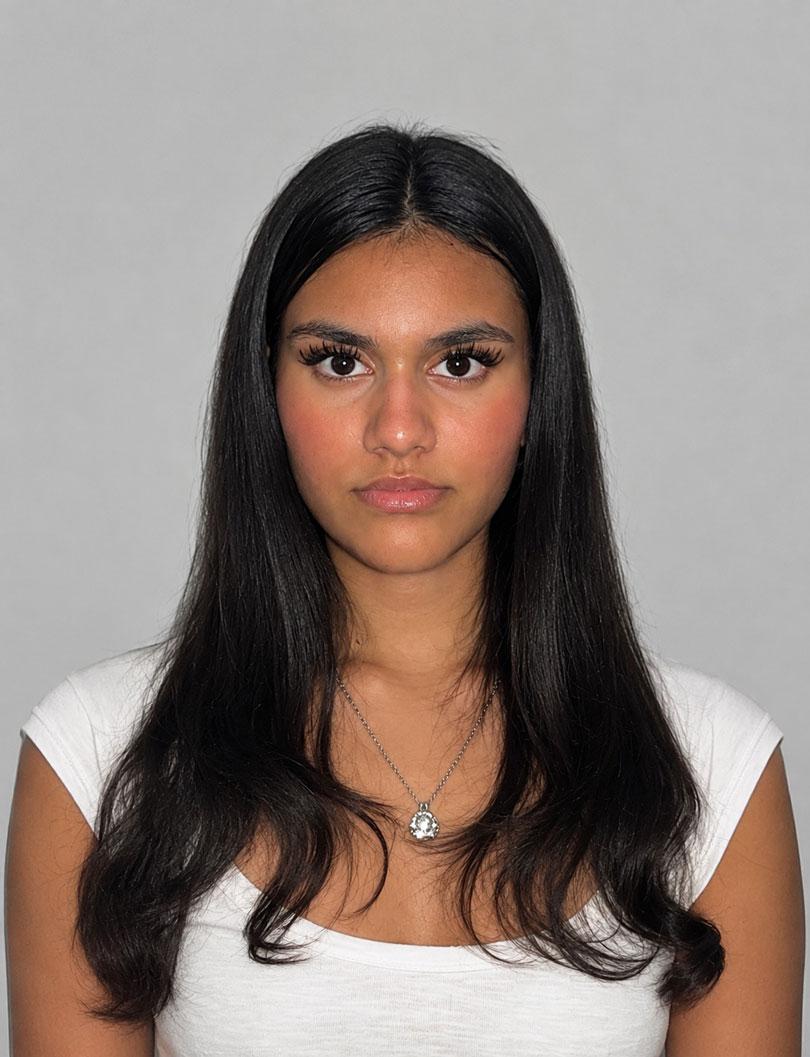
Shakti Ishwar
By: Shakti Ishwar
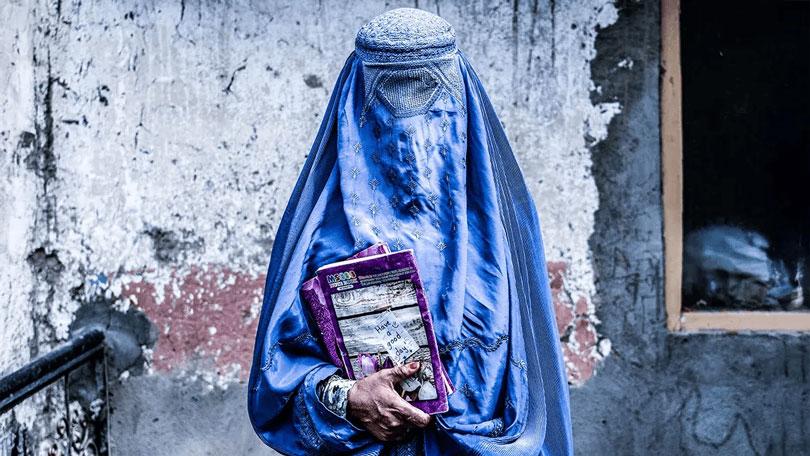
On the 15th of August 2021, the Taliban assumed complete control of Afghanistan. A month later, on the 17th of September, girls were banned from attending school past sixth grade. Two days after that, women were forced out of the Afghan government, their roles to be filled by 'more competent' male employees. In just 35 days, an entire generation of Afghan women and girls watched their rights disappear, and with them, their ambitions and dreams. That was just over five years ago. Yet almost as quickly as those rights were stripped away, the world moved on. What was once breaking news, plastered across the front page of every magazine and newspaper in big, bold letters, faded into an afterthought, and eventually became barely a thought at all. How could the systematic erasure of women's voices and rights so easily become ‘yesterday's news?’ And why did we, the people who once read those headlines, let this happen?
The answer is not that the issue was too insignificant to remember. Rather, it is our inability to grasp the reality of Afghan women’s lives. We often seem to think of these women as being trapped in some dystopian world, like Gilead in Margaret Atwood’s The Handmaid’s Tale, a totalitarian state that reduces women to instruments, whether as wives, servants or child-bearers, where unimaginable evils are inflicted by imaginary ‘monsters’. While it is not a stretch to compare the Taliban to monsters, this characterisation of the Taliban as ‘fictional’ makes their actions seem less severe, and almost excusable. They are not monsters; they are, to put it simply, misogynistic. Much like the handmaids, who are valued only for their ability to have children, Afghan women have been denied autonomy. There is no shortage of evidence to prove this. The Taliban’s Decree No. 18 clearly establishes the legal authority husbands hold over their wives, limiting women’s access to justice in cases of domestic violence. Decree No. 12 makes it harder for women to file for divorce, while permitting child marriage. We might feel, sitting in the comfort of our homes as we skim through an article, that this reality is almost entirely alien to us. But we must not forget that this is still a reality. This is the reality for the one in two women who leave their homes only twice a month. This is the reality for women who have been stripped of their individuality, forced to cover themselves from head to toe, expected to quietly bear the burden of something that was never their fault. Therefore, we must stop viewing Afghanistan as some distant world to be forgotten about, because Gilead is fiction. Afghanistan is not. The lives of Afghan women aren’t just stories that end with the flip of a page, and until we recognise this, we will never stop forgetting the women the world has already failed. And yet, it is easy to understand why we forget. The world is our oyster, the internet our means of exploring it. However, when we crack open this oyster, we find a world filled with violence and war in the place of a shiny pearl. It is this discovery that often discourages us from engaging with politics at all. Can we even be blamed, when every time we read a magazine, a newspaper, or scroll through social media, all we see is an endless cycle of war and death and destruction? It is this exhaustion and inability to escape the harsh realities of the world, that causes political fatigue. Particularly for younger generations, the conditions in Afghanistan seem to be another representation of being dealt a bad hand, inheriting the failures of the earlier generations to look after one another. That being said, one could argue that while it is true that we have inherited these problems, we have also inherited the responsibility of solving them. Experiencing political fatigue is entirely justified, but it is also a privilege.
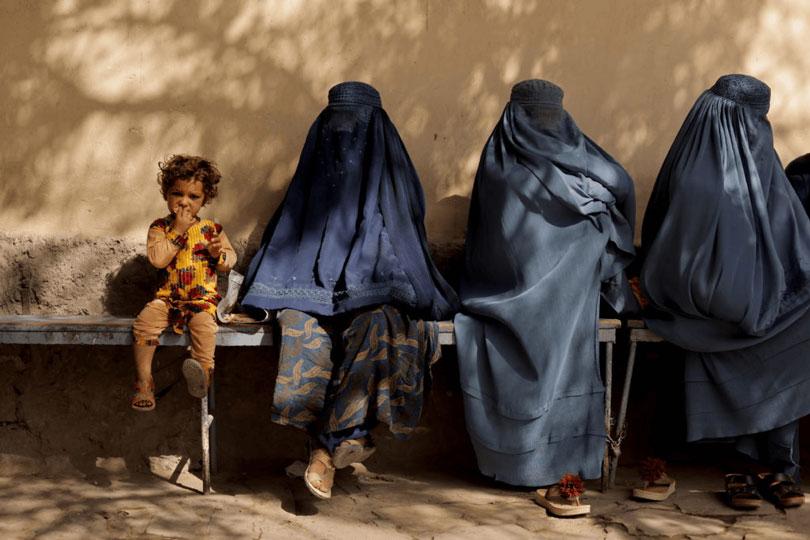
While we have the comfort of looking away, the women of Afghanistan do not have the luxury of growing tired of a reality they are forced to live every day. In their place, we must feel determination, and hope for a world where Afghan women can finally see justice. Most importantly, we must feel anger. Anger on behalf of the women who are left with nothing but anger, powerless against the government that has silenced them. Why is this so essential in the first place? After all, simply talking about the issues Afghan women face isn't suddenly going to undo the oppression they endure. It is this attitude that often gives way to hopelessness. However, to challenge it, we must remember that the end goal of spreading awareness on political situations is not to solve them overnight, but rather to show solidarity, because when we lose hope, Afghan women lose their voices yet again. Silence, after all, encourages ignorance, while consistent attention reminds people that their struggles are an ongoing reality instead of a closed chapter. In this way, solidarity may not be a solution in itself, but it is where solutions begin, as it keeps empathy and the shared human experience alive. That shared humanity is also why this should concern all of us. If such a regime can be forced on Afghan women, who is to say that we are not next? This is especially true for the young feminists of today's world, we must show up for women of colour instead of sidelining their needs. In fact, neglecting their struggles would disregard the very premise of feminism, as we can't claim to defend the rights of women without defending the rights of all women. Every woman matters, and political fatigue can never be an excuse to look away. For now, we must step up and be the voices for Afghan women, as otherwise, we are complicit in the systematic injustice that they endure. Only by doing so can feminism remain true to its belief in equality.
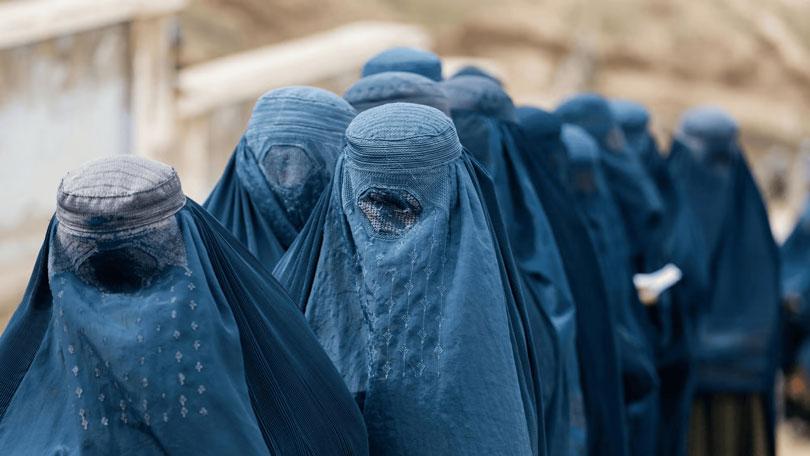
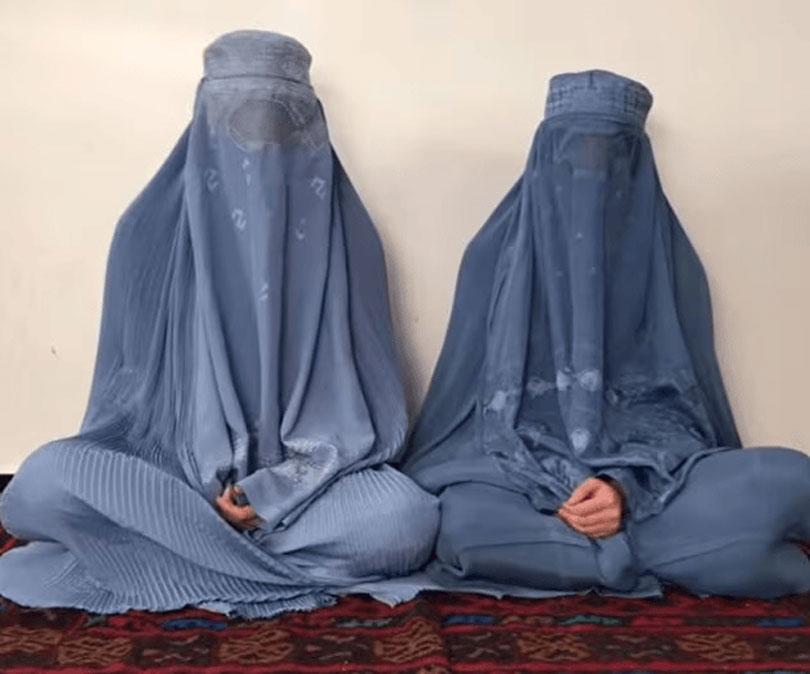
Ultimately, when we strip away the label of ‘media phenomena,’ all that remains is stories. From folktales to news channels, these stories have always been how we keep the human experience alive, and how we share our feelings in the hope of being understood. Yet the stories of Afghan women are too often lost in translation, either transformed into fiction or forgotten. Here’s the catch, as Chimamanda Ngozi Adichie said, “stories have been used to dispossess and to malign, but stories can also be used to empower and humanise.” Perhaps it is these forgotten stories in the first place, that will help us remember what we chose to look away from. There is no straightforward path to solving the problems Afghan women face, and we can only preserve, persevere and keep telling their stories. We have seen this before, when the blue burqa sisters’ songs were restreamed in 2021 and the world stopped to listen once again. To share these stories and the voices that sing them, is an act of resistance by itself. It is a way of saying, we see what you are going through, and we will not let your brilliance fade away.
ABOUT THE WRITER
Shakti Ishwar Prasad is a Chennai-based student writer with a keen interest in human rights, women’s issues, literature, and community advocacy. As a contributor to her college magazine in India, she explores the power of storytelling to amplify underrepresented voices and bring overlooked perspectives to the forefront. An avid reader and writer from a young age, she aspires to pursue a career at the intersection of journalism and human rights advocacy, using words as a means to inform, empower, and inspire change.