Who Will Build Sri Lanka’s Future If Its Youngest Leave?
By Thinugi Hemachandra
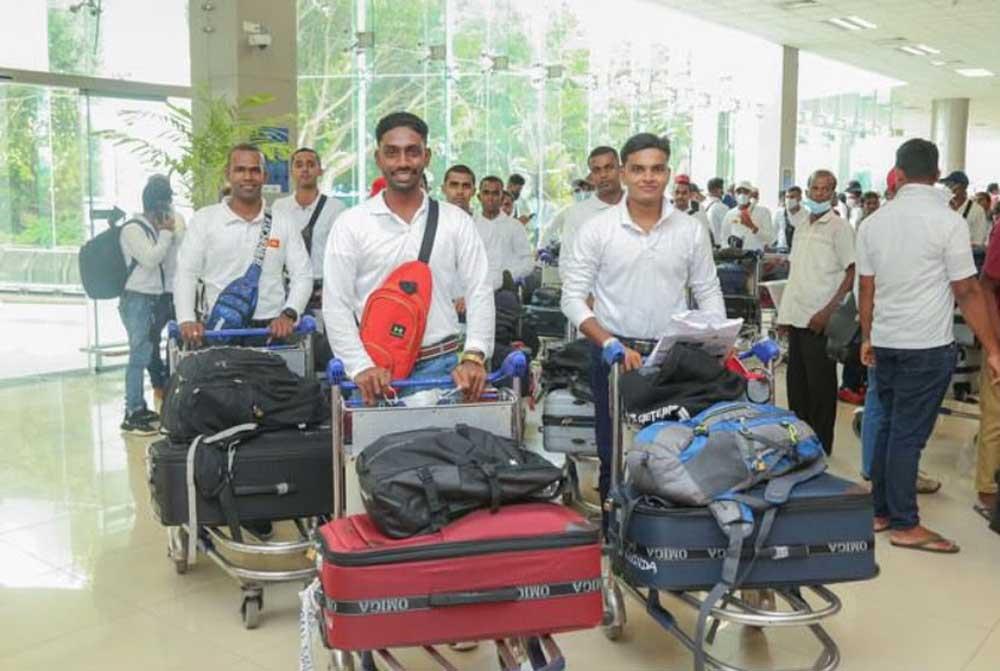
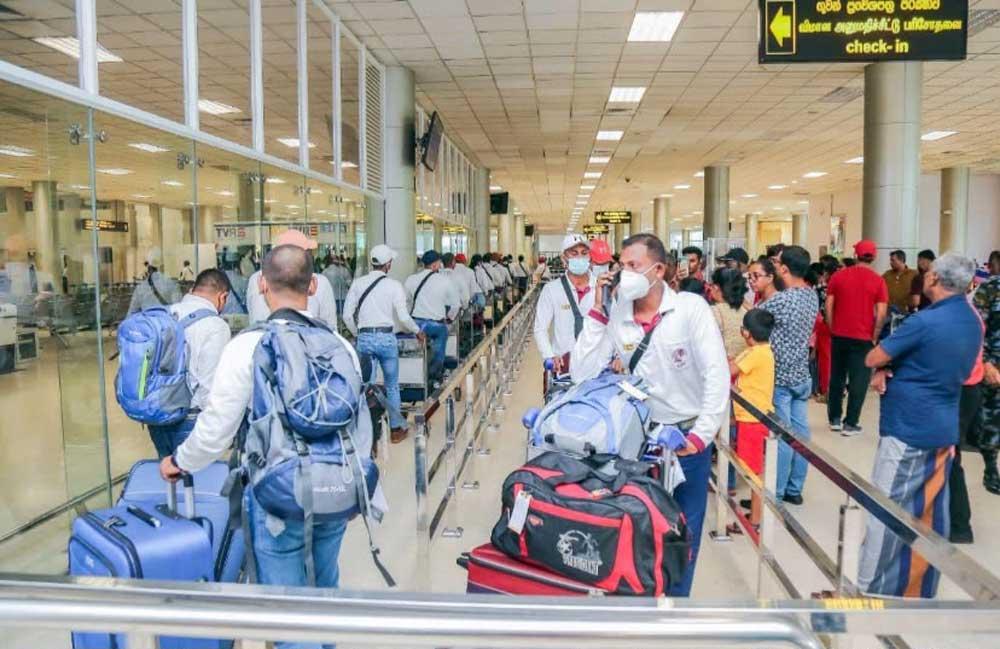
Sri Lanka has long been a country that places considerable value on education. Every year, tens of thousands of young people pursue qualifications in medicine, engineering, business, technology and numerous other fields, hoping to build successful careers and contribute to the country's development. Yet an increasingly concerning paradox has emerged: many of these same young people are looking overseas for their futures. A country that invests heavily in educating its youth is simultaneously witnessing the departure of the very talent it has worked to develop. The figures illustrate the scale of this movement. According to the Sri Lanka Bureau of Foreign Employment, 314,786 Sri Lankans registered for foreign employment in 2024, with skilled workers accounting for 77.66% of the total. While these figures do not necessarily represent permanent emigration or exclusively university-educated professionals, they highlight the considerable scale of overseas labour migration.
But what is driving so many young Sri Lankans to consider leaving?
For many, the decision is not necessarily rooted in a desire to abandon their country. Rather, it reflects the pursuit of opportunities they struggle to find at home. Better salaries, stronger career prospects, access to higher education and the possibility of greater financial security have made studying and working abroad increasingly attractive.
For a young graduate entering Sri Lanka's job market, obtaining a degree does not always guarantee a rewarding career. Employment opportunities can be limited, and even those who secure jobs may find themselves earning salaries that do not adequately reflect their qualifications, skills or the years invested in their education. When professional growth appears uncertain and financial independence remains difficult to achieve, seeking opportunities elsewhere can seem like the most practical decision.
However, the consequences extend far beyond the number of people leaving. The more pressing question is what Sri Lanka stands to lose when skilled individuals choose to build their careers and lives in other countries. Healthcare offers one of the clearest examples. A 2025 study estimated that 1,489 doctors, including specialists, left Sri Lanka between 2022 and 2024. The study highlighted the growing pressure this places on an already overstretched healthcare system, particularly in rural and remote areas where access to medical professionals can be limited.
When experienced doctors leave their positions, their responsibilities do not simply disappear. Those who remain must often manage heavier workloads, potentially affecting the efficiency and quality of healthcare services. For patients, particularly those living outside major urban centres, shortages of medical professionals can translate into longer waiting times and greater difficulty accessing essential treatment.
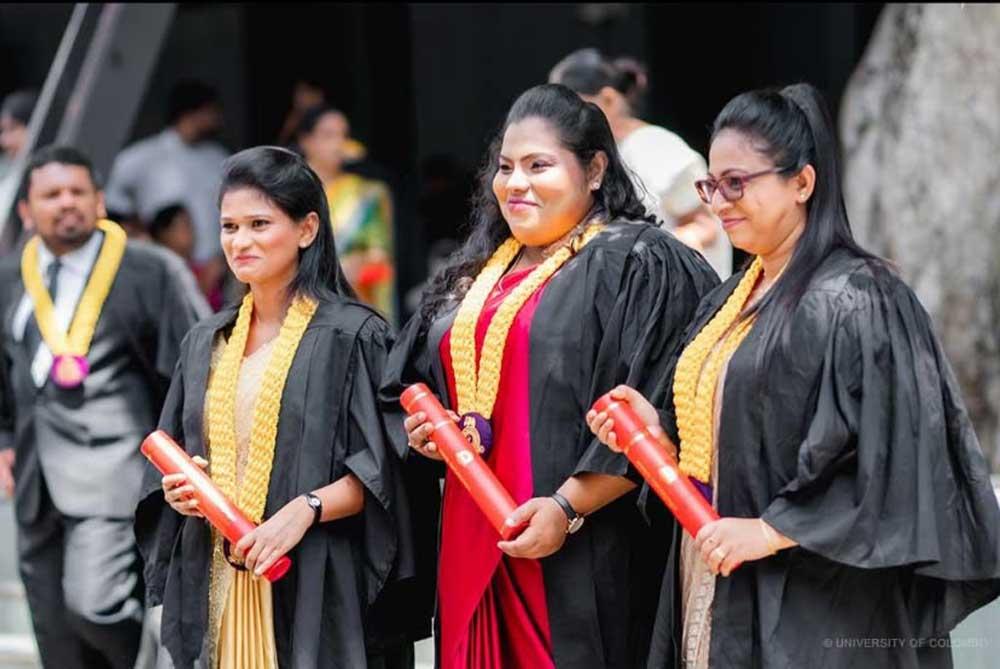
Similar concerns extend to education and research. Universities and research institutions depend on experienced academics to educate students, conduct research, develop new ideas and contribute to innovation. When qualified lecturers, researchers and specialists leave, institutions risk losing not only valuable expertise but also the mentorship and academic leadership necessary to develop future generations. The departure of skilled professionals therefore creates a challenge that extends beyond immediate vacancies. It can weaken the institutions responsible for preparing the next generation of Sri Lankans.
A Difficult Choice, Not a Betrayal
It is easy to discuss brain drain primarily in terms of what Sri Lanka is losing. Equally important, however, is understanding why individuals make the decision to leave in the first place. For many young people, migration is neither an easy nor an entirely desirable choice. Moving abroad often means leaving behind parents, siblings, friends and familiar surroundings. It involves adjusting to unfamiliar cultures, navigating new professional environments and rebuilding a sense of belonging in another country. Yet the prospect of financial stability, career advancement and a better quality of life can make those sacrifices worthwhile. Young Sri Lankans should not be expected to place their ambitions on hold simply because their country needs them. They deserve opportunities to develop their abilities, earn salaries that reflect their qualifications and pursue careers that offer meaningful prospects for growth.
Expecting young people to remain out of patriotism alone, without addressing the circumstances that encourage them to leave, places an unfair burden on a generation already navigating considerable economic uncertainty. There is also an important economic dimension to migration that should not be overlooked. Sri Lankans working overseas contribute significantly to the national economy through remittances, supporting their families while providing valuable foreign exchange. According to a February 2026 analysis published by The Sunday Times, workers' remittances reached approximately US$8 billion in 2025.
These contributions demonstrate that migration is not simply a loss for the country. For many households, overseas employment provides financial stability, supports education and improves living standards. Furthermore, leaving Sri Lanka does not necessarily mean severing ties with it. Sri Lankans living abroad can continue contributing through investment, professional networks, knowledge-sharing, entrepreneurship and the creation of employment opportunities. Some may eventually return, bringing with them international experience, specialized skills and fresh perspectives that could benefit local industries and institutions. The challenge, therefore, may not be to prevent people from leaving altogether. Instead, Sri Lanka must create an environment in which staying is a genuinely attractive choice and returning becomes a realistic possibility.
Can Sri Lanka Afford to Lose Its Future?
Addressing the migration of skilled young people requires more than appeals to patriotism or reminders of their responsibilities towards the country. It demands a serious examination of the economic, professional and institutional conditions that influence their decisions. Creating better employment opportunities, ensuring fair remuneration, strengthening public institutions and increasing investment in research and development would be important starting points.
Young people need to believe that their qualifications have value, that their efforts will be recognised and that meaningful professional advancement is possible without having to leave the country. This also requires greater attention to the relationship between education and employment. Producing qualified graduates is only one part of national development. Ensuring that those graduates have opportunities to apply their knowledge, develop their skills and contribute productively to the economy is equally important.
Sri Lanka must also strengthen its engagement with citizens who have already migrated. Their international experience, professional expertise and networks could become valuable resources if meaningful opportunities are created for collaboration, investment and knowledge exchange. Rather than viewing the diaspora solely as a source of remittances, the country could recognize its potential to contribute to innovation, entrepreneurship, research and long-term development.
Ultimately, a country's progress cannot be measured exclusively through economic growth, infrastructure projects or development indicators. It must also be reflected in the opportunities available to its people and, perhaps more importantly, in whether younger generations believe they can build fulfilling lives within its borders.
Sri Lanka has spent decades educating and preparing its young people for the future. They possess the knowledge, creativity, ambition and determination necessary to contribute to the country's development. Yet if increasing numbers continue to seek opportunities elsewhere, Sri Lanka risks losing more than a significant proportion of its skilled workforce. It risks losing some of the very individuals who could help shape its future. This does not mean that every young Sri Lankan who leaves represents a permanent loss, nor does it suggest that migration should be discouraged. The movement of people, skills and knowledge can create opportunities for individuals and countries alike. However, when leaving begins to feel less like a choice and more like a necessity, it raises difficult questions about the opportunities available at home. Perhaps the most important question is not why young Sri Lankans are leaving, but what would make them want to stay. After all, a country cannot expect its brightest minds to build its future if it cannot first give them a reason to imagine one here.