Beyond the Labels: Gishanka Perera on Ambition, Leadership and Finding His Own Path.

At just 18, Gishanka Perera is building a journey that defies conventional labels. An aspiring finance professional, accomplished rower, Model United Nations delegate, writer and young leader, he believes that curiosity and determination can open doors far beyond the classroom. Currently pursuing a BSc in Economics and Finance through the University of London, with academic direction from the London School of Economics, Gishanka has already gained professional exposure across financial services, hospitality and international business development. His achievements extend to national rowing championships, international diplomatic conferences and large-scale youth leadership initiatives. Yet, behind these accomplishments lies a philosophy centred on continuous learning, humility and creating opportunities for others. In this conversation, Gishanka reflects on the experiences shaping his ambitions, the lessons he has learned through success and setbacks, and why young Sri Lankans should never feel compelled to define their futures through a single passion or pursuit.
You have explored finance, diplomacy, writing, leadership and sport at a remarkably young age. What drives you to pursue such diverse interests?
I have never wanted to define myself through one achievement or restrict myself to a particular field. I genuinely enjoy discovering new things, and each experience contributes something different to my development. Finance encourages analytical thinking, Model United Nations challenges me to understand different perspectives, writing improves my communication, and rowing develops discipline and resilience. Although these pursuits appear unrelated, the lessons often complement one another. Curiosity is probably my greatest motivation. I believe there is always something new to understand, someone to learn from or an unfamiliar experience worth pursuing. Naturally, time is limited, so I try to prioritise opportunities that challenge me meaningfully. At 18, I do not believe anyone needs to have their entire future mapped out. What matters is remaining open to possibilities while developing the discipline to make the most of them.
What initially sparked your interest in financial markets, and how has that influenced your academic journey?
My interest began during school when I became curious about the Colombo Stock Exchange. Initially, I followed companies and share prices, but that curiosity gradually developed into reading annual reports, analysing financial statements and understanding business valuations. I became fascinated by the stories behind financial figures. Every company operates within a broader economic environment and understanding how decisions influence performance made finance particularly interesting to me. Achieving A* grades in Economics and Business Studies at the International Advanced Level examinations was rewarding because I genuinely enjoyed studying those subjects. I am currently pursuing a BSc in Economics and Finance through the University of London, with academic direction from the London School of Economics. For me, education extends beyond examinations and qualifications. Academic achievement matters, but its greatest value lies in developing independent thinking, questioning assumptions and applying knowledge to real situations. That is the approach I hope to maintain throughout my studies and career.
How have your professional experiences at First Capital Equities, Hilton Colombo and in international business development shaped your understanding of the working world?
Each opportunity has exposed me to a different dimension of business. At First Capital Equities, I gained insight into financial markets, trading systems and company analysis. It was particularly valuable because I could connect concepts I had studied with practical investment decisions. My experience in Human Resources at Hilton Colombo offered a different perspective. Working with recruitment, interview coordination, onboarding and learning and development helped me appreciate the importance of people within an organisation. I currently work in business development for a Canadian-based service company, communicating with businesses across international markets. Engaging with overseas prospects at 18 has strengthened my confidence, adaptability and commercial awareness. Together, these experiences have reinforced an important lesson: professional growth depends on more than technical knowledge. Initiative, communication, teamwork and the willingness to learn are equally important. I have also realised that entering unfamiliar environments can be one of the most effective ways to develop confidence.
Having held several leadership responsibilities, what does effective leadership mean to you?
I believe leadership is fundamentally about responsibility rather than position. A title may provide authority, but genuine respect must be earned through integrity, consistency and how you treat people. One of my most important lessons has been learning to listen. Leadership does not mean having every answer or making every decision independently. It means recognising the strengths of others and creating an environment where they feel confident contributing. I have also learned that accountability matters, especially when circumstances become challenging. It is easy to accept recognition when something succeeds, but leadership requires taking responsibility when things do not go according to plan. Ultimately, I believe the strongest leaders empower those around them. People may remember the positions you occupied, but they are more likely to remember how you made them feel and whether working alongside you helped them grow.
What stands out from your experience organising the 35th Interact District Assembly, which brought together more than 1,500 participants?
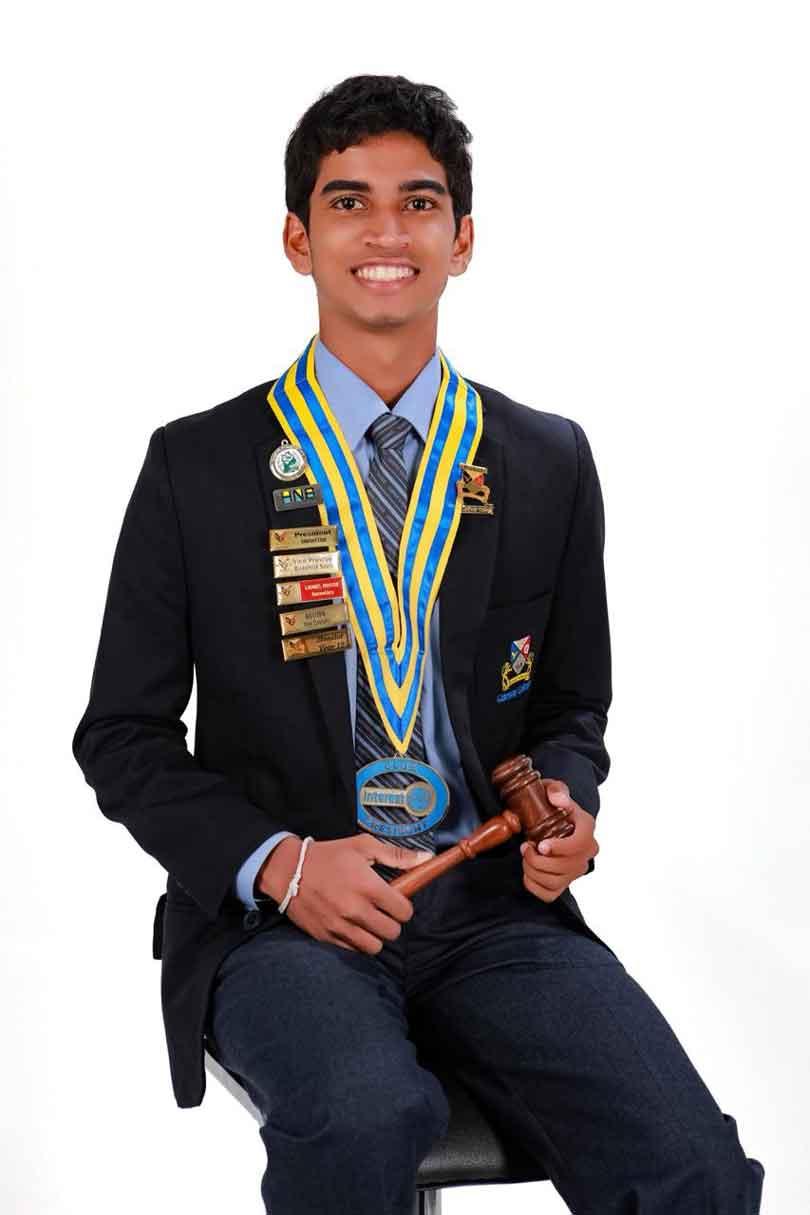
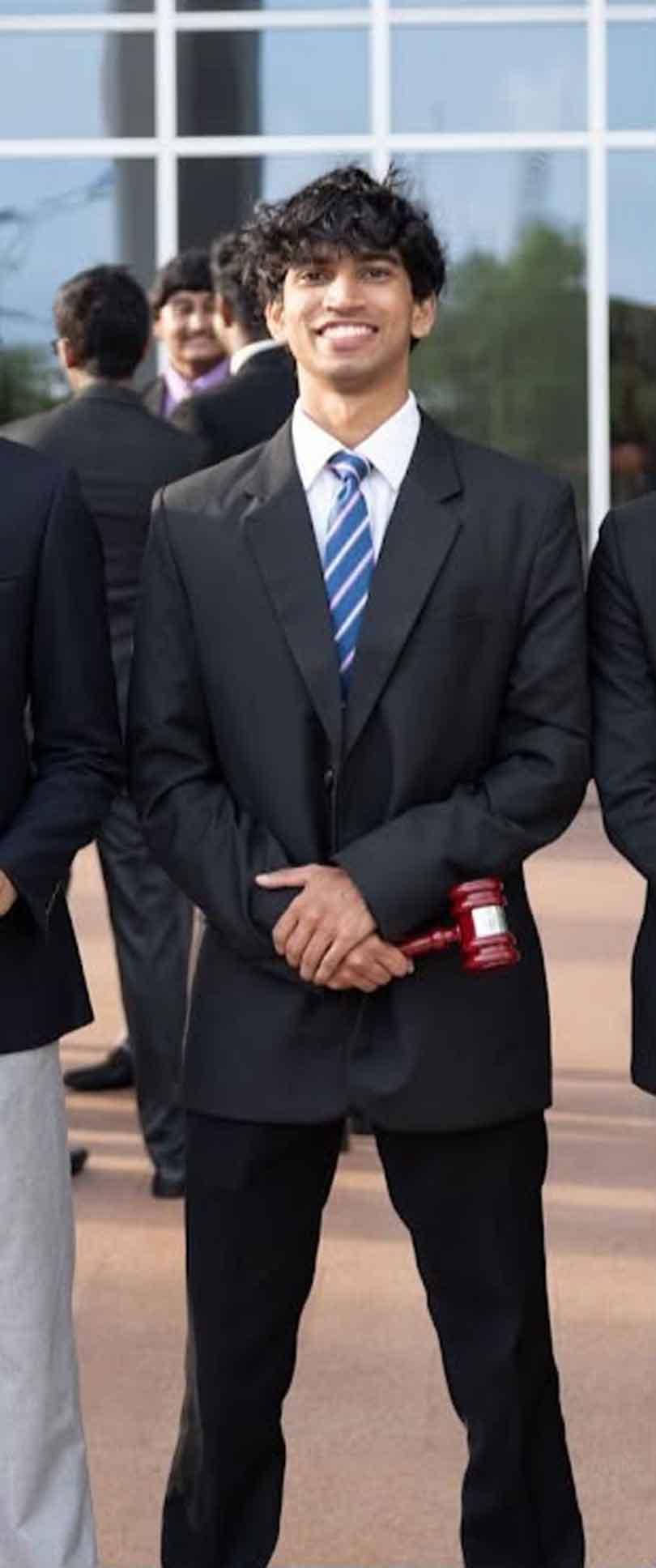
The 35th Interact District Assembly remains one of my most memorable leadership experiences. Coordinating an event involving more than 1,500 Interactors and over 25 dignitaries required extensive preparation, communication and teamwork. It was very much a collective accomplishment. Presidents and organising teams from several clubs worked alongside the wider Interact community, with everyone contributing towards a shared objective. Naturally, organising something of that scale brought unexpected challenges. We had to adapt, communicate effectively and remain composed under pressure. What stayed with me most was witnessing what young people could accomplish through cooperation. The experience reminded me that meaningful achievements rarely belong to one individual. Behind every successful event are countless contributions, including those made by people who may never receive public recognition. It strengthened my belief that leadership should involve recognising others rather than seeking personal credit.
How has your seven-year involvement in Model United Nations influenced your perspective, particularly following Harvard Model United Nations in Dubai?
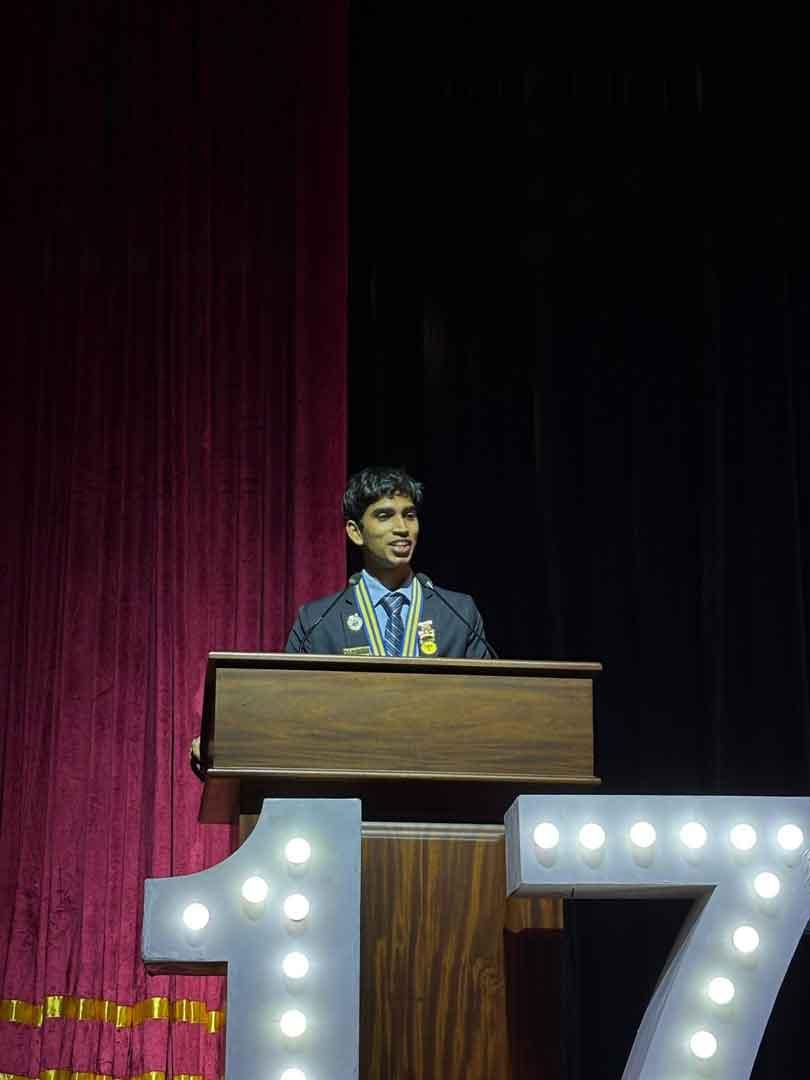
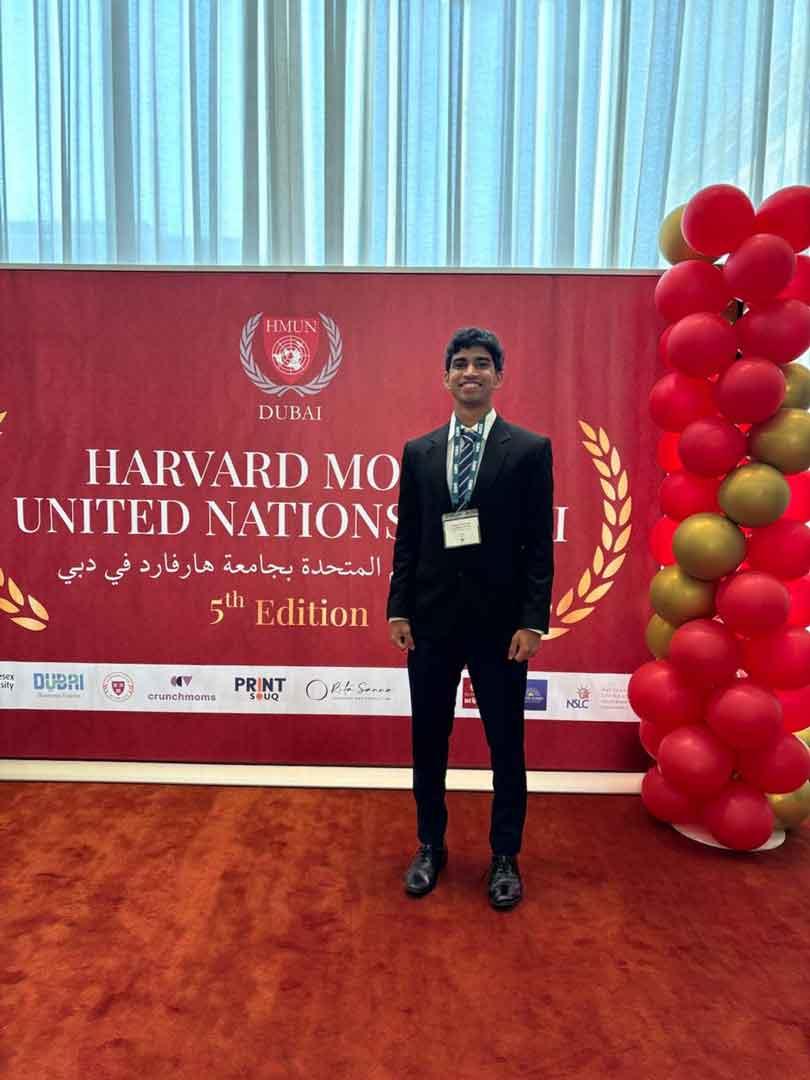
Model United Nations has significantly influenced how I think, communicate and approach complex issues. Over seven years, I have learned that understanding a problem requires more than defending your own position. You must research thoroughly, listen carefully and consider perspectives that may challenge your assumptions. Representing Brazil at Harvard Model United Nations in Dubai in 2026 was particularly memorable. Being selected as one of eight speakers to deliver a keynote address was an opportunity I deeply valued. That experience reinforced my belief that young people deserve meaningful participation in discussions about international affairs. Beyond diplomacy, MUN has strengthened skills I use in other areas of life, including writing, finance and professional communication. Perhaps its greatest lesson is that effective communication is not simply about speaking confidently. It is about understanding your audience, appreciating different viewpoints and expressing ideas with clarity and purpose.
You have won gold medals at the Sri Lanka Rowing Championships and joined Mirissa Mavericks for the Lanka Rowing League Regatta. What has rowing taught you?
Rowing has taught me that meaningful progress requires consistency. Success does not come simply from wanting something badly enough. It requires preparation, discipline and the willingness to continue working when improvements are not immediately visible. Winning gold medals at the Sri Lanka Rowing Championships represented important milestones in that journey. More recently, being acquired by Mirissa Mavericks through the player auction for the inaugural Lanka Rowing League Regatta has been another exciting development. However, sport has taught me as much through disappointment as through success. You cannot control every result, but you can control your preparation, attitude and effort. In rowing, once a stroke is completed, you cannot change it. Your responsibility is to concentrate on the next one. I think that principle applies equally to academics, professional life and personal challenges. Setbacks should inform your next decision rather than define your future.
Alongside your achievements, you have pursued writing and volunteering. Why is contributing to others important to you?
I believe opportunities should not be viewed exclusively as personal advantages. They also create possibilities to contribute to the lives of others. Writing for LMD Business Magazine and Living Magazine has allowed me to explore subjects, develop ideas and communicate with wider audiences. Volunteering as an English teacher at Jana Jaya School offered another valuable perspective. It reminded me that sharing knowledge and dedicating time to others can be genuinely meaningful. Young people sometimes underestimate their ability to contribute because they feel they lack experience, influence or resources. I do not believe making a difference necessarily requires wealth, recognition or authority. Often, it begins with using the knowledge and opportunities already available to you. Personal achievement is important, but I believe success becomes more meaningful when it helps create possibilities for other people.
With so many commitments, how do you manage your time while maintaining balance?
I certainly would not claim to have mastered balance. There are periods when several responsibilities require attention simultaneously and managing them demands organisation and careful prioritisation. One distinction I have learned to appreciate is that being busy does not necessarily mean being productive. I try to identify which commitments genuinely deserve my time and plan accordingly. Equally, I have learned that rest should not be treated as wasted time. Family, friendships, sport and simply enjoying the experience of being young are all important. I do not want to become so focused on future ambitions that I overlook the value of the present. Balance is something I am continuously learning to manage. It is not about doing everything possible, but about making deliberate choices and ensuring that the commitments I pursue remain worthwhile.
Looking ahead, what are your ambitions, and what advice would you offer young Sri Lankans seeking their own paths?
Professionally, I hope to pursue a career in finance, particularly investment banking, equity research and investment management. I want to deepen my understanding of markets, gain international exposure and eventually contribute meaningfully to the industry. Beyond professional ambitions, I hope to continue learning and creating opportunities for others. My advice to young Sri Lankans would be to never allow age, circumstances or external expectations to define their potential. Start exploring early. Seek experience, embrace unfamiliar situations and recognise that rejection is not a permanent judgment of your abilities. I would also encourage young people not to feel pressured into choosing one identity. You can pursue finance alongside sport, academics alongside the arts, or business alongside community service. Different interests can strengthen one another, provided you approach them with commitment. Most importantly, remain ambitious without losing humility. Qualifications and achievements may create opportunities, but character determines how you use them. And whenever you succeed, remember those who helped you along the way and consider how you can extend similar opportunities to others.