ARE WE PAYING MORE FOR RESTAURANT AMBIENCE THAN FOOD?
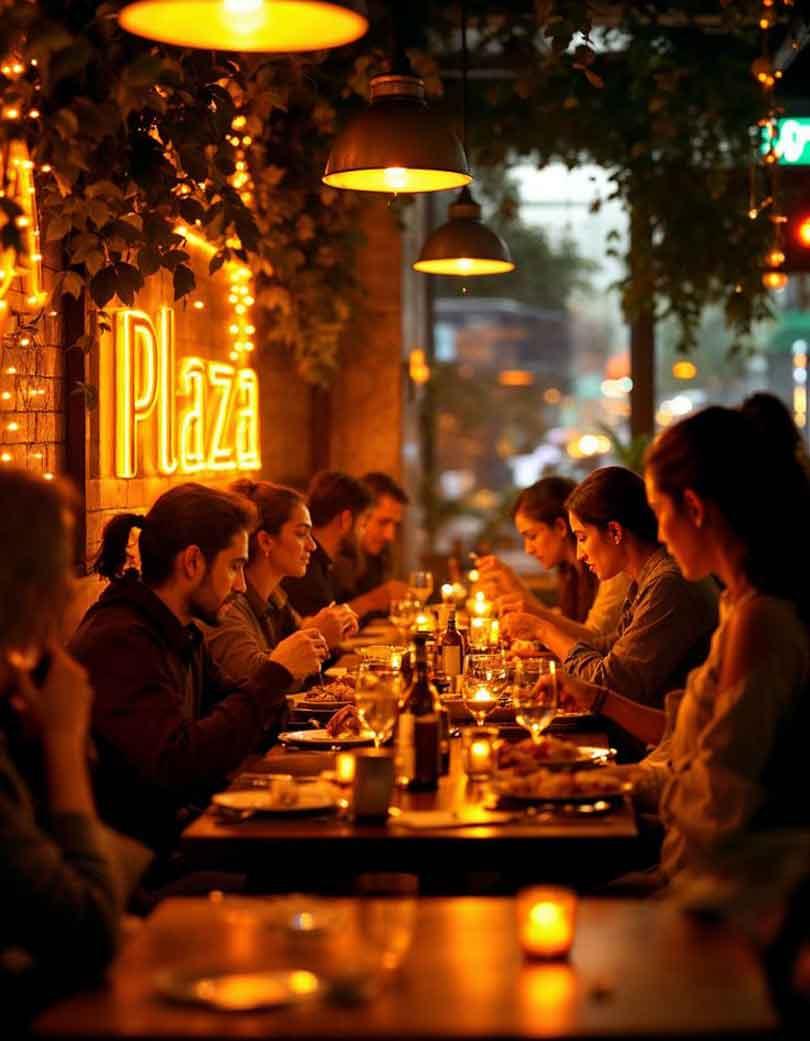
There was a time when choosing a restaurant was largely about the food. People looked forward to enjoying a delicious meal, discovering new flavours or sharing a satisfying dining experience with family and friends. A restaurant earned its reputation through the quality of its dishes, generous portions, reasonable prices and friendly service. Although cleanliness, comfort and atmosphere were important, they were rarely the main reasons people selected a place to eat. Today, however, dining culture appears to be changing. Stylish interiors, elegant lighting, rooftop views, themed decorations and Instagram-worthy corners have become major attractions. As restaurant prices continue to rise, an important question emerges: Are customers paying more for the ambience than for the food on their plates?
The modern restaurant industry is no longer focused solely on satisfying hunger. Dining out has increasingly become an experience that combines food, entertainment, aesthetics and social interaction. Restaurants are expected to offer more than a good menu. Customers often look for attractive surroundings, comfortable seating, pleasant music and an atmosphere that makes an ordinary meal feel special. While these expectations have encouraged creativity within the hospitality industry, they have also raised concerns about whether the quality of food still receives the attention it deserves.
One of the strongest influences behind this transformation is social media. Platforms such as Instagram, TikTok and Facebook have changed how restaurants attract customers and build their reputations. A beautifully decorated café can gain widespread attention through a few photographs or a viral video. Colourful interiors, artistic wall paintings, hanging plants, decorative lighting and carefully arranged tables can make a restaurant appear irresistible online. Sometimes, customers become interested in visiting a place before even knowing what food it serves.

In Colombo, this trend is particularly noticeable. The increasing popularity of rooftop restaurants, aesthetically designed cafés and themed dining spaces reflects the growing demand for visually appealing environments. Many establishments now promote their interiors as enthusiastically as their menus. Photographs of elegant dining areas, scenic views and beautifully presented beverages frequently dominate promotional content. For customers seeking attractive locations to take photographs, these features can become deciding factors.
For many young diners, selecting a restaurant begins with browsing its social media pages. They examine photographs, watch promotional reels, read comments and consider whether the location would provide a suitable background for pictures. While there is nothing wrong with appreciating a beautiful environment, the concern arises when appearance becomes more important than taste. A restaurant may look exceptional in photographs, but does that necessarily mean its food will be equally impressive?
Creating an attractive dining environment involves significant financial investment. Restaurant owners must consider interior design, furniture, lighting, decorations, air conditioning, music systems and ongoing maintenance. Establishments located in fashionable commercial areas may also face expensive rental agreements. These operating costs inevitably influence menu prices, meaning customers contribute towards maintaining the atmosphere through what they pay for food and beverages.
For example, a cup of coffee served in an elegantly designed café may cost considerably more than a similar beverage purchased from a modest neighbourhood establishment. Both may contain comparable ingredients and offer similar flavours, yet the difference in price can be substantial. The additional cost may reflect the location, comfortable surroundings, presentation and overall dining experience rather than the beverage itself.
This does not necessarily make premium pricing unreasonable. Restaurants are businesses that must cover expenses, pay employees and generate profits. Customers also have different expectations and preferences. Some may happily pay extra to enjoy a peaceful environment, attractive surroundings or professional service. However, problems arise when expensive menus create expectations that the quality of food fails to meet.
Imagine visiting a restaurant after seeing countless appealing photographs and enthusiastic online recommendations. The entrance looks impressive, the furniture is elegant, and the lighting creates a welcoming atmosphere. Every corner appears carefully designed, making the restaurant seem worth its premium prices. Naturally, expectations are high. Then the food arrives. The portions are unexpectedly small, the flavours are ordinary, and the dishes lack the freshness or quality anticipated. Although the surroundings are beautiful, the meal itself feels disappointing. At that moment, the customer may begin questioning whether the bill reflects the quality of the food or simply the attractiveness of the location.
This experience highlights an important distinction between visual satisfaction and culinary satisfaction. Beautiful interiors may create excitement before a meal, but they cannot compensate for poorly prepared dishes. Customers may appreciate the atmosphere, yet they are unlikely to feel satisfied if the food does not justify the amount spent. Food presentation has also become increasingly influential in modern dining culture. Restaurants often experiment with elaborate plating techniques, decorative garnishes, unusual serving dishes and colourful arrangements. These creative approaches can enhance the dining experience and demonstrate culinary skill. However, presentation should complement flavour rather than replace it. A beautifully arranged dessert may receive hundreds of likes on Instagram, but its appearance means little if it lacks taste. Similarly, an elaborately presented main course may look impressive in photographs, yet customers ultimately expect freshness, satisfying flavours and appropriate portions. Food should appeal to the eyes, but it must also satisfy the appetite.
Another important factor is the growing influence of food bloggers, social media personalities and digital content creators. Restaurant reviews and promotional videos can significantly affect consumer decisions. A single viral reel may introduce a newly opened establishment to thousands of potential customers within hours. This visibility can be particularly valuable for small businesses attempting to establish themselves in a competitive market.
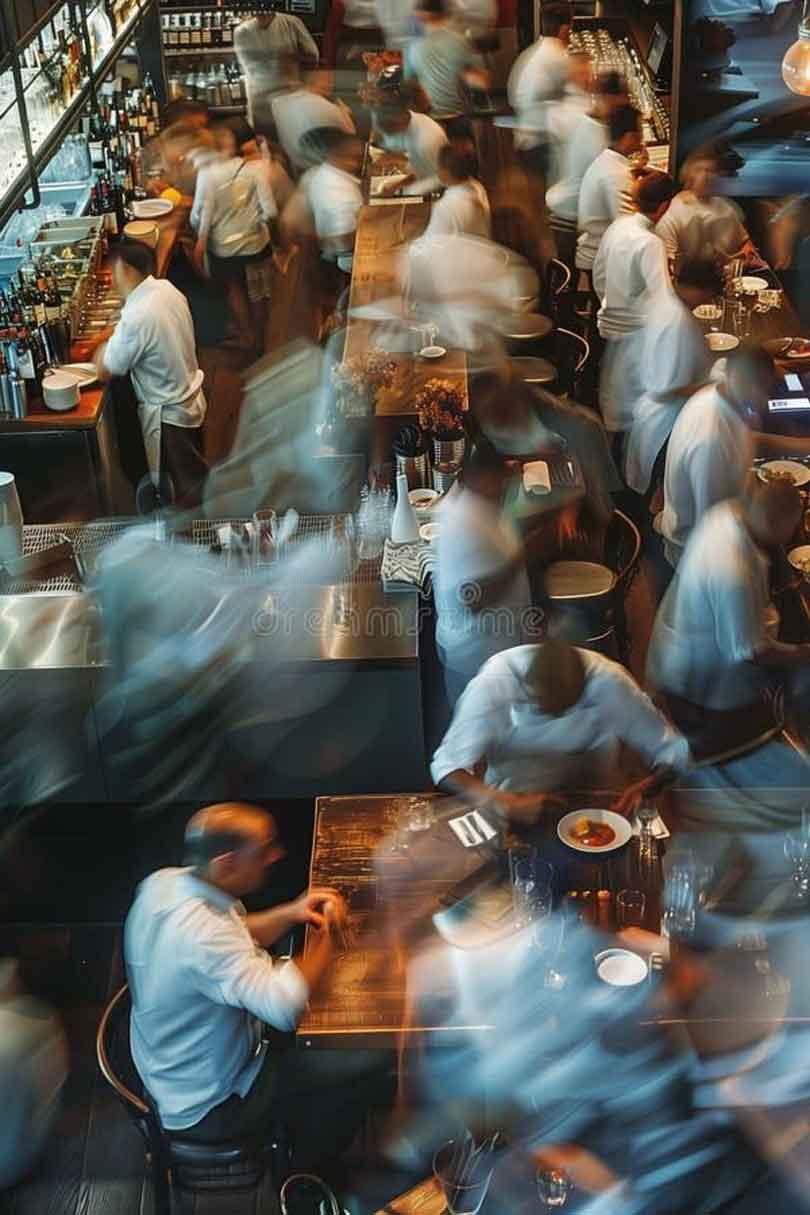
However, social media popularity does not always reflect genuine culinary quality. Promotional collaborations, carefully edited videos and attractive photography may create an impression that differs from the actual customer experience. A restaurant with thousands of followers is not automatically better than a small family-owned eatery with little online presence. The pressure to remain visually appealing can also influence how restaurant owners allocate their resources. Businesses may invest heavily in decorative features, fashionable furniture and photogenic dining spaces because these elements generate online attention. While marketing is essential, excessive emphasis on appearance may leave insufficient attention for menu development, ingredient quality, kitchen standards and staff training.
Sri Lanka offers an interesting contrast between fashionable dining establishments and traditional food outlets. The country has a rich culinary heritage, with countless eateries serving flavourful meals in relatively simple environments. From traditional rice and curry restaurants to neighbourhood kottu shops, roadside cafés and family-run establishments, memorable food experiences are not necessarily associated with luxurious surroundings. Many such businesses build loyal customer bases through consistency, affordability and authentic flavours. Their interiors may be modest, their furniture uncomplicated and their presentation straightforward. Yet customers continue returning because they trust the quality of the food. These establishments demonstrate that culinary excellence does not always require expensive decorations or sophisticated lighting.
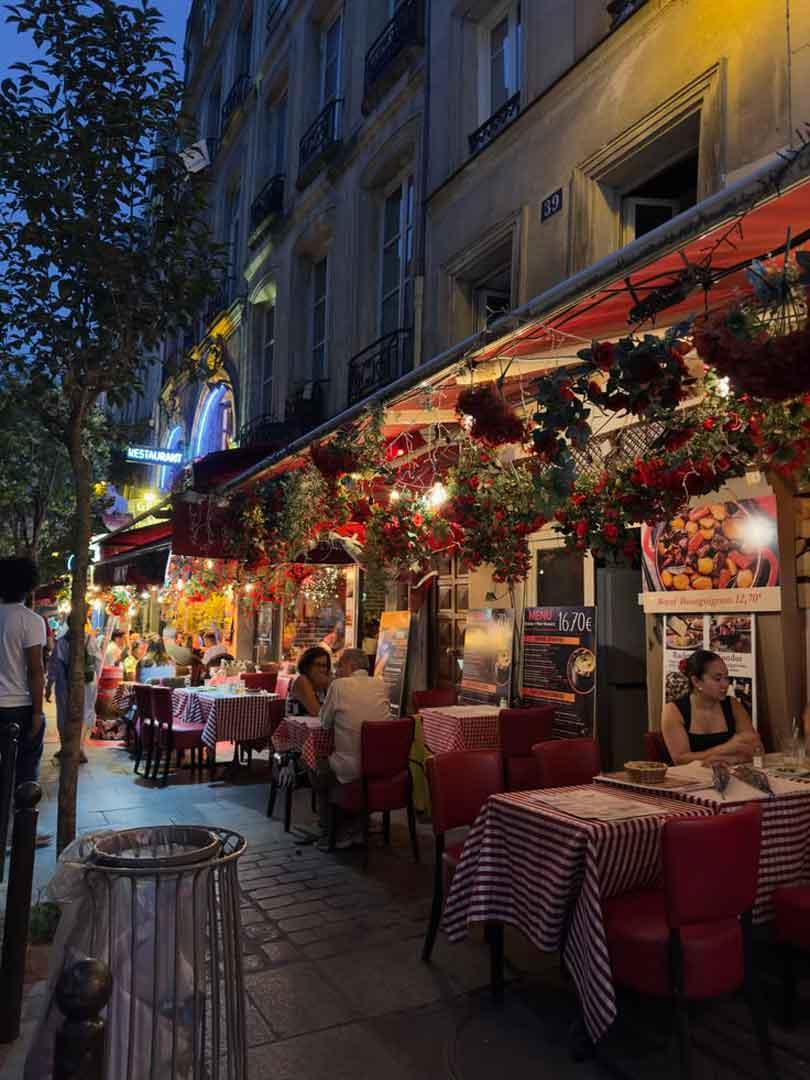
Nevertheless, ambience should not be dismissed as an unnecessary luxury. Dining out is often about more than eating. People visit restaurants to celebrate birthdays, anniversaries and achievements, meet friends, enjoy romantic evenings or spend meaningful time with family members. During these occasions, the atmosphere can contribute significantly to the overall experience. Comfortable seating, cleanliness, attentive service, suitable lighting and pleasant music can transform an ordinary meal into a memorable occasion. A peaceful café may provide a welcome escape from a busy day, while a rooftop restaurant with beautiful views may offer the perfect setting for a celebration. These experiences have value, and customers may reasonably choose to pay more for them.
The issue, therefore, is not whether restaurants should invest in ambience. Rather, it is whether the balance between atmosphere, food quality and pricing remains fair. Value for money does not necessarily mean choosing the cheapest restaurant. A higher-priced establishment can offer excellent value when it provides delicious food, quality ingredients, generous or thoughtfully portioned dishes, professional service and comfortable surroundings. Similarly, an inexpensive meal may feel disappointing if the food is poorly prepared or the service is unsatisfactory. What matters most is whether customers feel that the overall experience justifies the amount they spend. When a restaurant charges premium prices, it creates higher expectations. Customers naturally anticipate an experience that reflects those prices, particularly in terms of taste, freshness, hygiene and service. Consumers also have a role in shaping the future of restaurant culture. Instead of selecting dining locations solely through attractive photographs or promotional videos, customers can consider genuine reviews, menu options, portion sizes and recommendations from people they trust. Sharing balanced feedback about both food and ambience can help others make informed decisions while encouraging restaurants to maintain consistent standards.
Restaurant owners, meanwhile, should recognise that visual appeal may attract first-time visitors, but quality food builds lasting relationships. A beautiful interior can generate curiosity, and an impressive social media presence can bring customers through the door. However, consistent flavours, attentive service and reasonable value are what encourage those customers to return. Ultimately, the best restaurants do not force customers to choose between delicious food and an enjoyable atmosphere. They successfully combine both, creating experiences that satisfy the senses without making diners question whether their money was well spent.
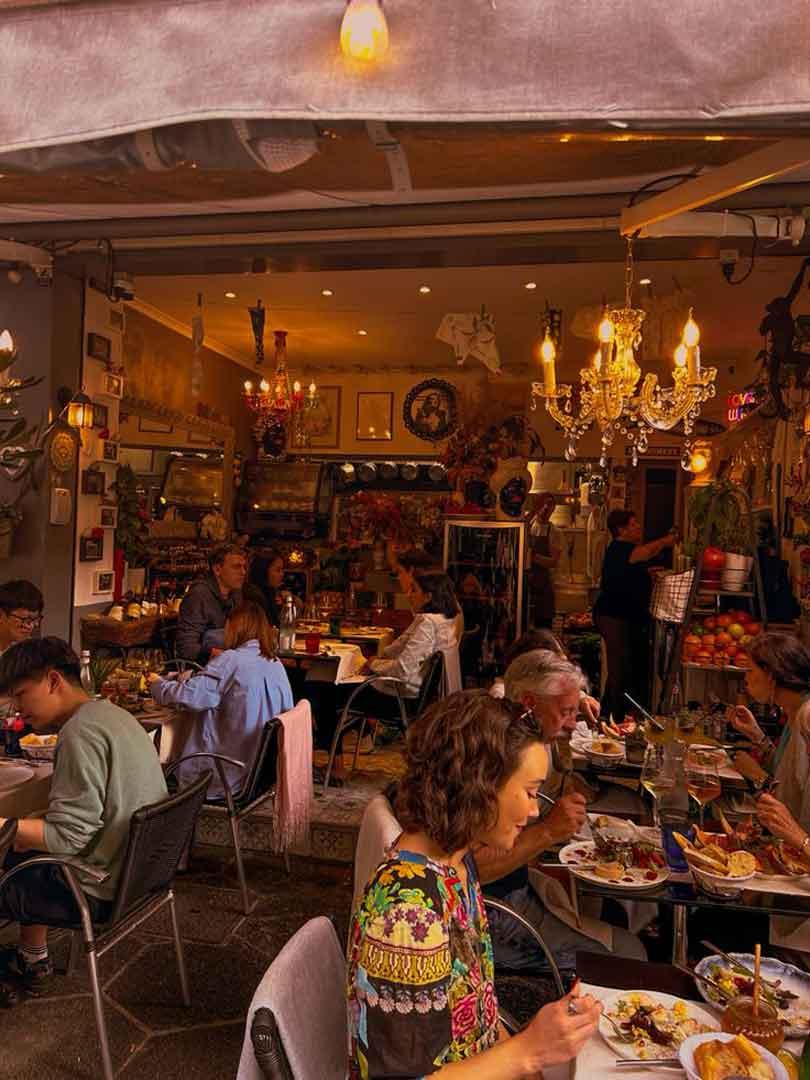
Perhaps the next time we consider visiting a fashionable café or an expensive restaurant, we should ask ourselves a simple question: Are we genuinely excited about the food, or are we more interested in how the place will look in photographs? There is nothing wrong with appreciating beautiful surroundings or paying extra for a special experience. But when ambience begins to overshadow the food itself, the purpose of dining out risks becoming lost. After all, photographs may capture the beauty of a restaurant, but they cannot capture the satisfaction of a truly delicious meal. Stylish interiors may encourage us to visit once, but unforgettable flavours are what give us a reason to return.