THE TAX WE WERE TOLD WAS TEMPORARY
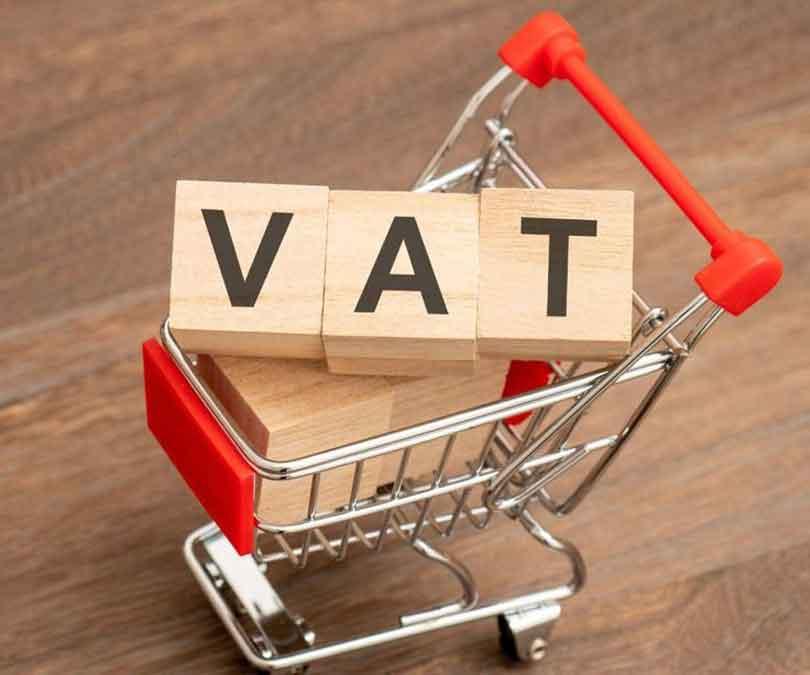
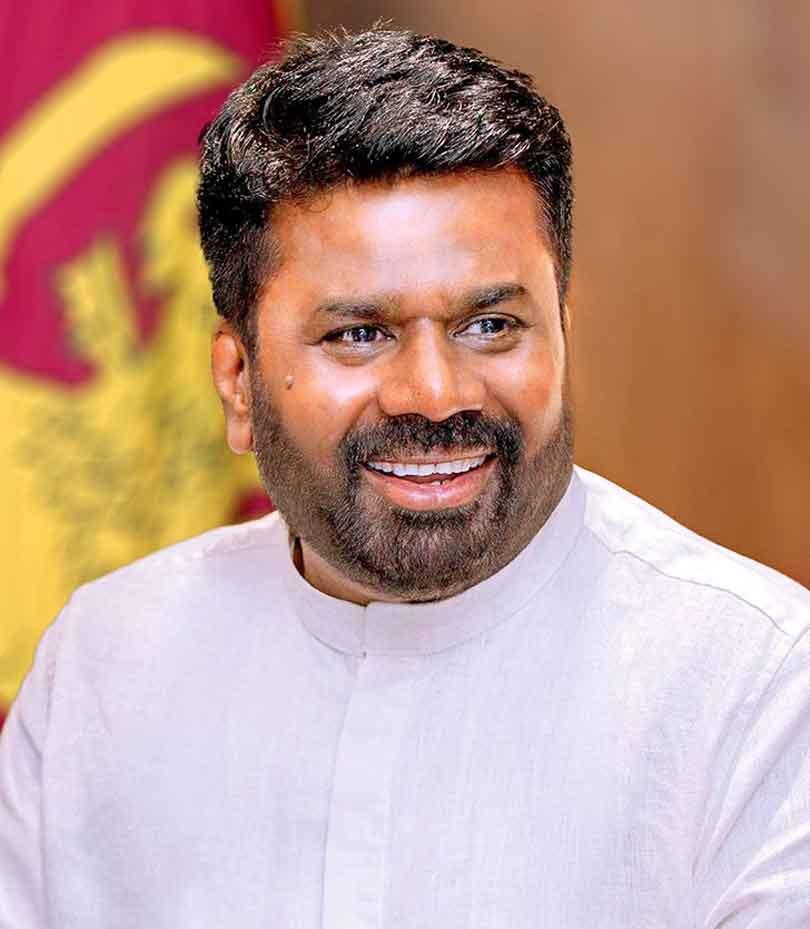
Last month, President Dissanayake made a promise that will have warmed every household in the country. The Government, he said, aims to bring down VAT over the next two to three years. He even named the kind of relief people most want to hear: a child, he said, should not have to pay tax on a book they buy to read. It is a good instinct and a popular one. It is also, I suspect, a promise the world is quietly making impossible to keep. And the reason has less to do with Colombo than with what Artificial Intelligence is about to do to the way Governments everywhere raise money.
Why the rich world is turning toward the tax we resent
Wealthy states fund themselves by taxing work. In the United States, according to the Center on Budget and Policy Priorities, individual income taxes and payroll taxes together, essentially the taxes on people’s wages, funded more than four-fifths of federal revenue last year. Corporate income tax supplied about nine percent, down from a fifth or more in the mid-twentieth century, with corporate receipts now at their lowest share of the economy since the Second World War. The modern state, in other words, runs on the paycheck.
Artificial Intelligence threatens that arrangement at its foundation. If automation displaces workers or pushes down wages across whole stretches of the economy, the wage base that funds the state shrinks with them. Meanwhile the value AI creates flows to capital, to companies and shareholders, taxed far more lightly, and often, through generous write-offs for investment, taxed strikingly little. An economy can boom while the treasury that depends on it is quietly starved.
So, the wealthy economies are being pushed, reluctantly, toward the tax that is hardest to escape and raises the most: the tax on consumption. You have to spend to live, so you cannot dodge it. The familiar objection, that consumption taxes punish the poor, turns out to be answerable. Exempt the essentials that poorer households spend most on, food, medicine, children’s clothes, schoolbooks, and add cash transfers for those at the bottom, and a consumption tax can be made genuinely fair, even progressive. Done well, it is the tax economists prefer. The key words are done well.
Sri Lanka already lives in that future, by accident
The destination the rich world is anxiously driving toward, a state leaning heavily on consumption taxes, is a place Sri Lanka already lives. We simply arrived by the opposite road, and without the map. Where the United States raises most of its money from income, we raise most of ours from spending. According to the Ministry of Finance’s own Fiscal Review for the first five months of 2026, income tax made up barely 22 percent of tax revenue.
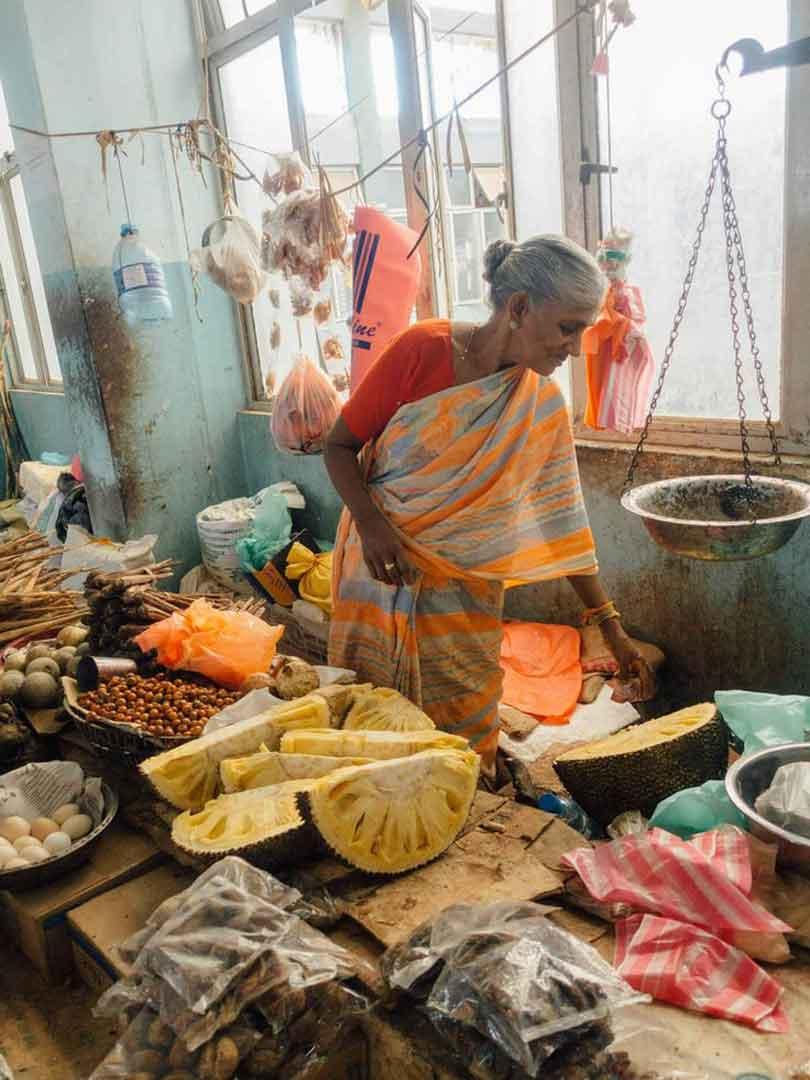
The rest came from indirect taxes, VAT, excise, and duties on trade, the taxes buried in the price of what you buy, with VAT alone larger than all income tax collected and roughly half of all revenue gathered at the border by Customs. The American system leans on the earner. Ours leans on the shopper. We are, already, the consumption-tax economy the future is said to demand.
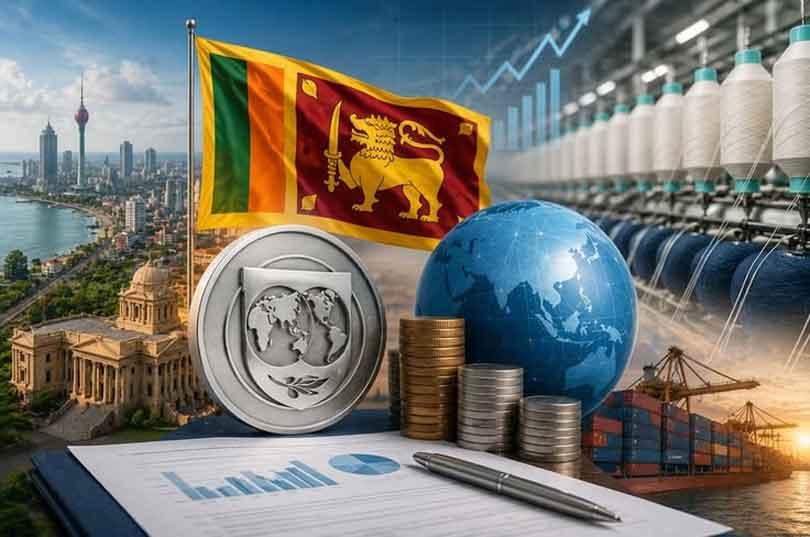
But we did not arrive here by foresight. We were driven here by bankruptcy, and by the IMF programme that followed, as the fastest way to wring revenue from an economy where too much income had always slipped the net. We leaned on consumption taxes because they were the thing we could actually collect. In a grim irony, crisis delivered us to where the rich world is only now nervously heading.
And we arrived without the fairness that is supposed to come with it. Far from protecting essentials, this Government’s own VAT amendments moved to pull them into the net. Imported coconut and palm oil, the cooking oil in every kitchen, were made VAT-liable. So was chemical fertilizer, previously exempt, even as farmers were already struggling with rising input costs and squeezed paddy prices. Parliament’s own Committee on Public Finance questioned the logic and urged the Ministry to reconsider taxing fertilizer, medical equipment and children’s high-protein foods. The Government does run a seasonal fertilizer subsidy for paddy farmers, but that reaches only some of those its tax policy burdens, taxing an essential across the board with one hand while compensating a slice of them with the other, when it could simply have left the exemption in place.
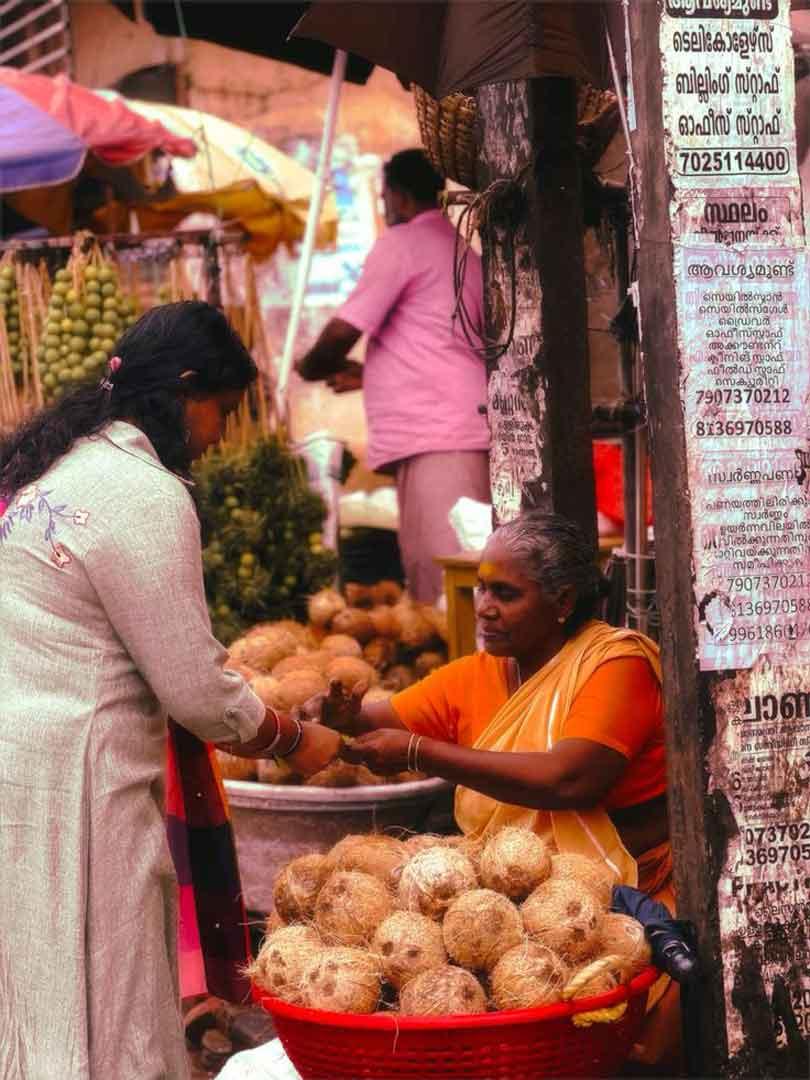
The consequences of this approach are not abstract. The World Bank has found that VAT falls harder on the poor than the rich, taking a larger share of the lowest earners’ income than of the highest, and that the 2024 VAT reforms alone raised the national poverty rate by 2.2 percentage points. We built the structure of the future and skipped the part that makes it humane.
The promise and the fine print
Which returns us to the President’s pledge. Reduce VAT in two to three years. Lift the tax from a child’s book. Set beside it a quieter statement from within his own Government. Only weeks earlier, Minister Bimal Ratnayake acknowledged that both VAT and PAYE weigh heavily on people, that relief should in principle be given, and then stopped carefully short of committing to any actual reduction, because, he said, it depends on the fiscal position and the IMF programme. The President offers the hope. The Treasury offers the footnote. And the footnote is the truer document.
The same gap runs through PAYE, the tax on salaried professionals. The NPP promised to restructure it. It has not, for a simple reason: with so little revenue coming from the wealthy and from capital, the state leans on the narrow band of people whose income it can see and deduct at source. The salaried professional and the shopper at the supermarket are holding up a system built around what the state can catch, not around what is fair.
The honest conversation
I do not raise this to mock the promise. The wish to ease the burden is right and human. I raise it because we are being offered the wrong promise, and a more honest one is available. If the global trend is real, and I believe it is, then heavy consumption taxes are not a temporary indignity we will shed once we recover. They are, increasingly, how states everywhere will fund themselves in an age when work can no longer be relied upon as the base. The automation wave will reach Colombo later than it reaches California, but it will reach us, and when it does it will erode the wage taxes we already struggle to collect. To promise that VAT will simply fall is to promise against the current.
The honest promise is not lower consumption tax. It is fairer consumption tax. That means genuinely exempting the essentials, food, medicine, fertilizer, a child’s schoolbooks, rather than quietly taxing more of them. And it means strengthening Aswesuma, the World Bank-backed cash transfer scheme that, for all its troubles, is the best-targeted tool we have for getting money to the households a flat tax hits hardest. A consumption-tax economy with real exemptions and robust transfers is defensible, even progressive. A consumption-tax economy that taxes cooking oil and dangles vague future relief is neither.
We stumbled into the tax system of the future before we were ready for it, and we cannot stumble back out of it. What remains is the harder work we skipped on the way in: building the fairness deliberately, rather than promising a reduction that the century itself is unlikely to permit. That is not the promise a minister wants to make at a ceremony handing out appointment letters. It is the one the country actually needs.
----------------------------
Damintha Gunasekera is a political analyst and columnist. Views are his own.