Kuch Kuch Hota Hai at 28, The Bollywood Love Story That Became a Generation’s Favourite Memory
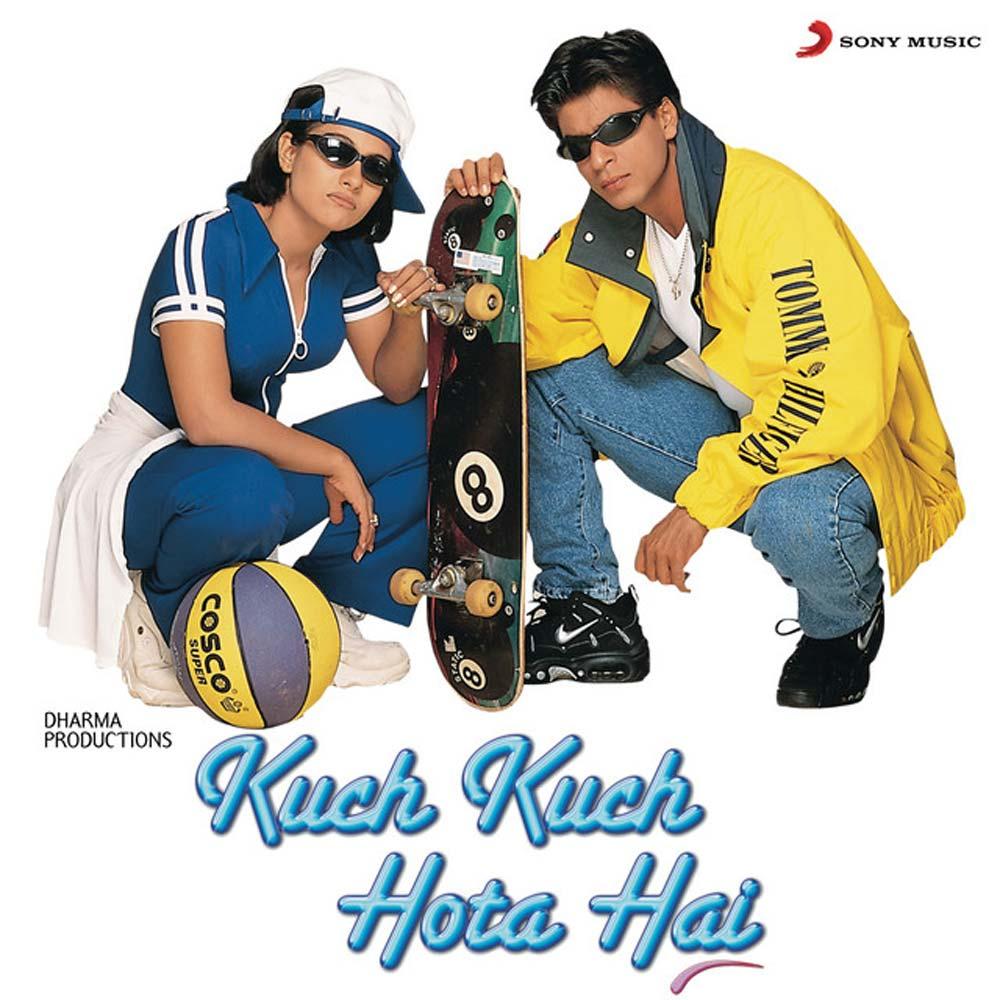
Twenty-eight years ago, a love story arrived in cinemas that would become one of Bollywood’s most cherished romantic films. Released on the 16th of October 1998, Kuch Kuch Hota Hai introduced audiences to Rahul, Anjali and Tina, three characters whose intertwined relationships captured the excitement of young love, the pain of heartbreak and the importance of friendship. Directed by Karan Johar in his directorial debut, the film starred Shah Rukh Khan, Kajol and Rani Mukerji, with Salman Khan making a memorable special appearance. Its colourful college setting, fashionable costumes, emotional storytelling and chart-topping soundtrack helped establish it as a defining film of the late 1990s. As Kuch Kuch Hota Hai celebrates its 28th anniversary in 2026, its influence remains evident in Bollywood’s approach to romance, music and popular culture. Although certain aspects of its storytelling have attracted fresh criticism over the years, the film continues to hold a distinctive place in Hindi cinema.
A Love Story That Changed Bollywood
During the 1990s, Hindi cinema experienced a growing appetite for romantic dramas that combined traditional family values with modern lifestyles. Following the phenomenal success of Dilwale Dulhania Le Jayenge in 1995, filmmakers increasingly explored stories involving young Indians navigating love, friendship and family expectations. Karan Johar embraced this changing cinematic landscape with Kuch Kuch Hota Hai, produced by his father Yash Johar under Dharma Productions. The film begins at St. Xavier’s College, where Rahul Khanna and Anjali Sharma share a close friendship built around basketball, playful arguments and constant teasing. Their relationship becomes complicated when Tina Malhotra arrives at college and immediately attracts Rahul’s attention. While Rahul falls in love with Tina, Anjali gradually realises that her feelings for her best friend have developed into something deeper. Unable to confess her love, she leaves college after discovering that Rahul and Tina have fallen for each other. The story subsequently moves forward several years. Following Tina’s death shortly after childbirth, Rahul raises their daughter, also named Anjali. Guided by letters left behind by her mother, the young girl attempts to reunite her father with his former best friend. This combination of youthful romance and family drama allowed Johar to create a film that appealed to different generations of moviegoers.
Shah Rukh Khan’s Unforgettable Rahul
By 1998, Shah Rukh Khan had already established himself as one of Bollywood’s leading romantic stars. However, his portrayal of Rahul Khanna offered audiences another memorable character within his growing collection of romantic performances. Rahul is introduced as a confident, mischievous college student who enjoys basketball, fashionable clothing and flirting. His carefree personality contrasts with the emotional responsibilities he faces later as a widowed father. Khan moves between these two stages of Rahul’s life with characteristic charm. His comic timing makes the college sequences entertaining, while his quieter scenes with his daughter reveal a more sensitive side. His on-screen chemistry with Kajol remains one of the film’s greatest strengths. Having previously appeared together in successful productions including Baazigar and Dilwale Dulhania Le Jayenge, the actors shared a natural rapport that made their friendship and eventual romance convincing.
Yet Rahul is also a character whose choices invite scrutiny. His failure to recognise Anjali’s feelings, followed by his eventual romantic attraction towards her after her transformation, raises questions about how love and physical appearance were represented in mainstream cinema. Despite these contradictions, Khan’s performance remains central to the film’s popularity.
Kajol’s Anjali and the Pain of Unspoken Love
Kajol delivered one of the film’s most memorable performances as Anjali Sharma, a lively, outspoken young woman who initially rejects conventional expectations of femininity. With her short hair, sporty clothing and competitive personality, Anjali enjoys a friendship with Rahul that appears uncomplicated until Tina enters their lives. Kajol captures the character’s emotional journey particularly effectively during the sequence in which Anjali discovers Rahul’s feelings for Tina. Her attempts to conceal her heartbreak while maintaining a cheerful appearance create one of the film’s most affecting moments. When Anjali returns in the second half, she has adopted a more traditionally feminine appearance, wearing elegant Indian outfits and displaying a quieter personality. This transformation has become one of the film’s most debated elements. Contemporary viewers have questioned the implication that Rahul only begins seeing Anjali romantically once she conforms to conventional beauty standards. Nevertheless, Kajol’s performance gives the character considerable emotional depth, ensuring that Anjali’s personality and vulnerability remain essential to the story.
Rani Mukerji’s Tina and Salman Khan’s Aman
Rani Mukerji’s portrayal of Tina Malhotra brought sophistication and sensitivity to the romantic triangle. Rather than presenting Tina as an antagonist, Johar depicts her as a compassionate young woman who develops genuine affection for Rahul while understanding the closeness of his friendship with Anjali. Although Tina dies early in the narrative, her presence continues through the letters she leaves for her daughter. These messages become the driving force behind the film’s second half. Mukerji’s performance helped raise her profile within the Hindi film industry and earned her the Filmfare Award for Best Supporting Actress. Salman Khan also made a lasting impression as Aman Mehra, Anjali’s fiancé. His character offers an alternative romantic possibility, demonstrating patience, kindness and genuine affection. Aman’s decision to release Anjali from their engagement when he recognises her love for Rahul provides the film with one of its most emotional moments. The supporting cast, including Farida Jalal, Anupam Kher, Reema Lagoo, Archana Puran Singh and Johnny Lever, contributed warmth and humour throughout the story.
The Music That Became a Generation’s Soundtrack
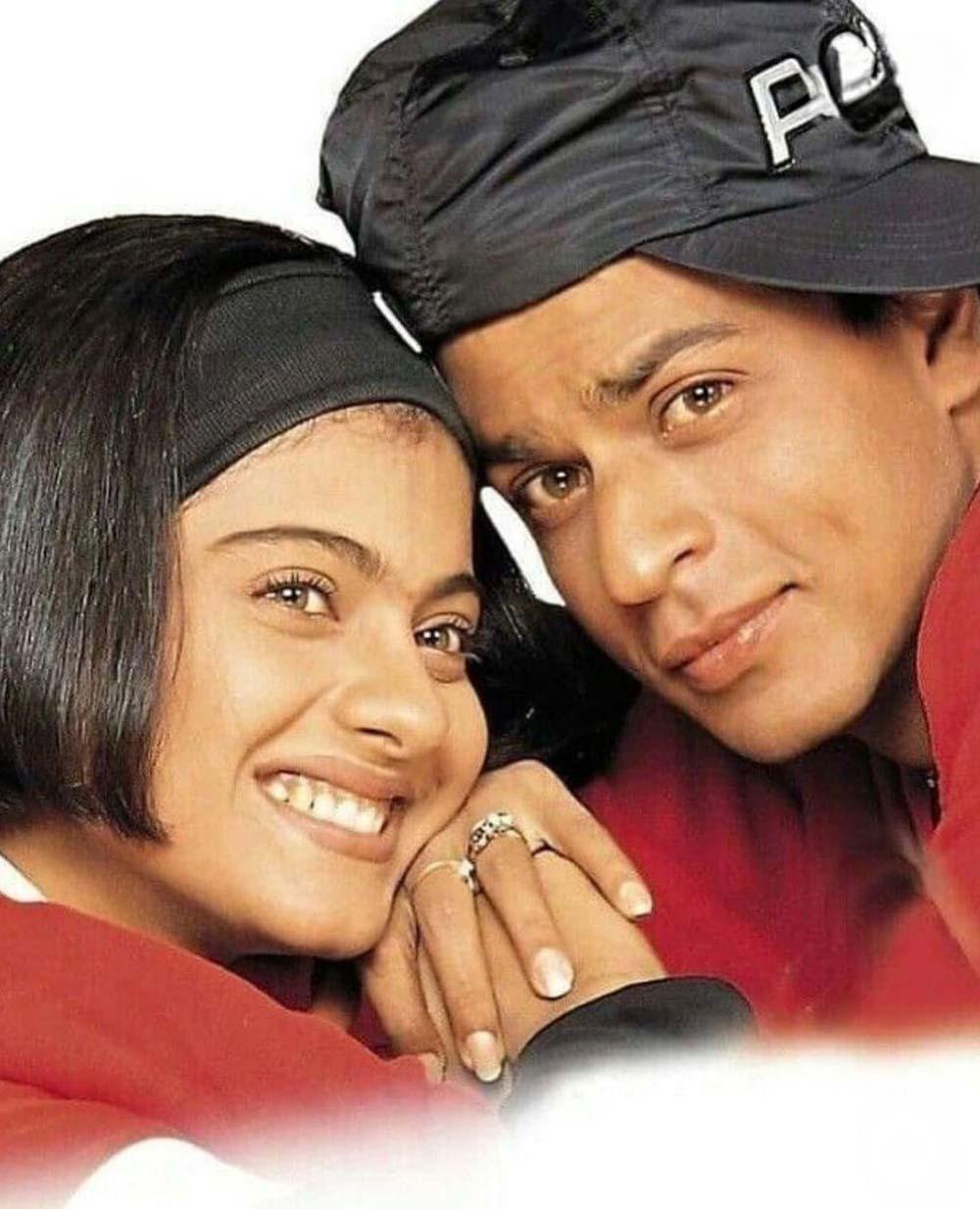
An essential part of Kuch Kuch Hota Hai’s success was its hugely popular soundtrack, composed by Jatin-Lalit with lyrics by Sameer. The title song, performed by Udit Narayan and Alka Yagnik, became one of Bollywood’s defining romantic melodies. Its gentle arrangement and expressive vocals captured the uncertainty and excitement of falling in love. Koi Mil Gaya reflected the energy of college life, while Yeh Ladka Hai Deewana highlighted Rahul and Anjali’s playful relationship. Ladki Badi Anjani Hai accompanied the developing romance between the central characters, while Tujhe Yaad Na Meri Aayee provided a moving expression of heartbreak.
The celebratory Saajanji Ghar Aaye became another standout track, combining elaborate choreography with the grandeur of a traditional wedding celebration. Music played an important narrative role throughout the film, often revealing emotions that the characters could not express through dialogue. The album also became a major commercial success, with its songs dominating radio stations, television music programmes and cassette collections. Even today, the opening notes of the title track are instantly associated with the film.
Fashion, Friendship and Popular Culture
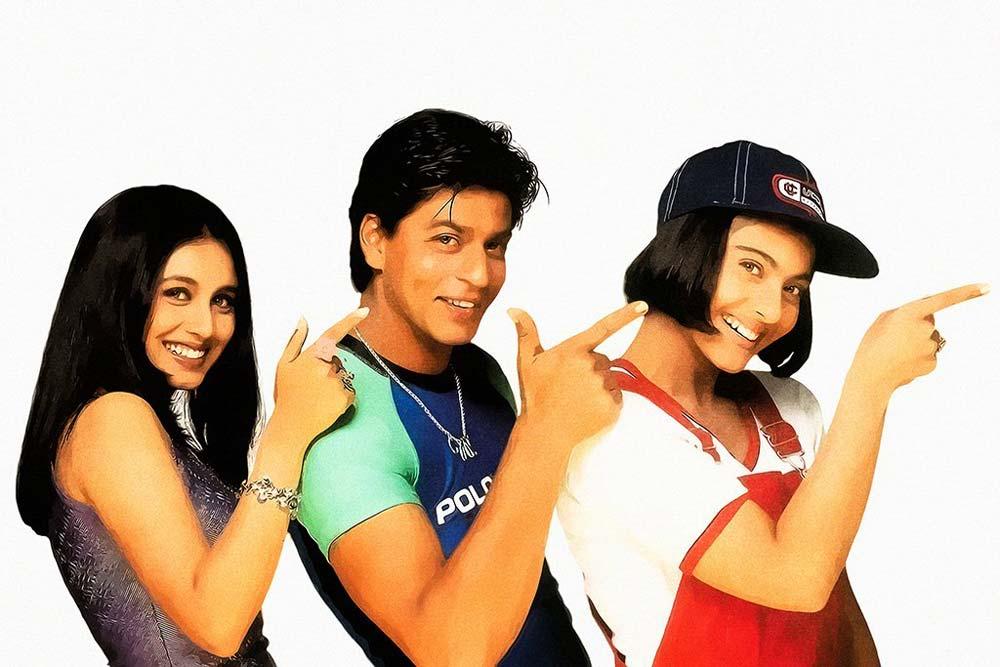
Beyond its performances and music, Kuch Kuch Hota Hai established a distinctive visual identity that influenced late-1990s Bollywood fashion. Rahul’s colourful polo shirts, sportswear and chain necklaces became popular style references. Anjali’s tracksuits and basketball-inspired wardrobe offered a contrasting look, while Tina’s fashionable outfits reflected the film’s glamorous aesthetic. The fictional college environment also contributed to its appeal. Basketball competitions, elaborate campus events and stylish student gatherings created an idealised portrayal of university life. Johar combined these youthful elements with traditional Indian celebrations, particularly during the wedding sequences in the second half. The film’s dialogues became equally influential. The idea that love begins with friendship, expressed through Rahul’s famous declaration about love and friendship, became one of Bollywood’s most recognisable romantic sentiments. Its success helped popularise a glossy filmmaking style characterised by attractive locations, coordinated costumes, elaborate musical sequences and emotionally expressive storytelling. These elements would become increasingly prominent in subsequent Dharma Productions releases.
Karan Johar’s Remarkable Directorial Debut
Kuch Kuch Hota Hai marked an extraordinary beginning for Karan Johar, who was just 26 when the film was released. Despite being a first-time director, Johar demonstrated confidence in handling a major ensemble cast, elaborate musical sequences and a narrative that shifted between comedy and emotional drama. His filmmaking approach combined influences from established Bollywood romances with a contemporary visual presentation designed to appeal to younger audiences. The film became one of the highest-grossing Hindi releases of 1998 and achieved considerable popularity among international audiences, particularly within the Indian diaspora. Its commercial success was accompanied by significant critical recognition. At the 1999 Filmfare Awards, Kuch Kuch Hota Hai won Best Film and Best Director, while Shah Rukh Khan and Kajol received the leading acting awards. Rani Mukerji and Salman Khan also received supporting acting honours. The achievement established Johar as an important new filmmaker and strengthened Dharma Productions’ reputation within the industry. He subsequently directed major productions including Kabhi Khushi Kabhie Gham, Kabhi Alvida Naa Kehna and My Name Is Khan, expanding the emotional and visual style introduced in his debut.
A Classic Viewed Through Modern Eyes
Revisiting Kuch Kuch Hota Hai in 2026 offers an interesting opportunity to examine how Bollywood’s portrayal of relationships has evolved. While the film celebrates friendship and second chances, its treatment of Anjali’s transformation raises questions about beauty standards and gender expectations.
Rahul’s romantic choices have also generated discussion, particularly regarding his inability to appreciate Anjali before her appearance changes. Aman’s selfless decision during the wedding climax offers another perspective on love, presenting emotional maturity as an alternative to romantic possession. These interpretations reflect changing audience attitudes rather than diminishing the film’s historical importance. For viewers who grew up during the 1990s, the film represents a particular period of Bollywood entertainment. Younger audiences may approach its characters more critically while still appreciating its performances, music and cinematic ambition.
Twenty-Eight Years of Kuch Kuch Hota Hai
Nearly three decades after its release, Kuch Kuch Hota Hai remains an important milestone in Hindi cinema. Its success helped launch Karan Johar’s directing career, strengthened Shah Rukh Khan and Kajol’s celebrated screen partnership, and introduced Rani Mukerji to a wider audience. The soundtrack continues to feature in nostalgic playlists, while its costumes, dialogues and memorable scenes remain familiar references within Bollywood culture. More importantly, the film represents a distinctive moment when Hindi cinema embraced youthful romance, international influences and traditional family sentiment within one commercially successful production. Twenty-eight years later, Kuch Kuch Hota Hai can be appreciated both as a beloved romantic drama and as a reflection of the cinematic values of its time. Its characters may be imperfect and its ideas about love open to debate, but its contribution to Bollywood history remains undeniable. For a generation raised on Rahul, Anjali and Tina, Kuch Kuch Hota Hai is not simply a film from 1998. It is a cherished chapter in the story of Hindi cinema.