WHO DECIDES WHAT WE REMEMBER?
A country’s heritage gives its people a shared identity, telling them who they are and where they come from. But what happens when a nation remembers only the parts of its history that sit comfortably with its understanding of itself? Can an identity built on selective memory ever be authentic? And who decides which stories are passed down through generations, and which are quietly erased?
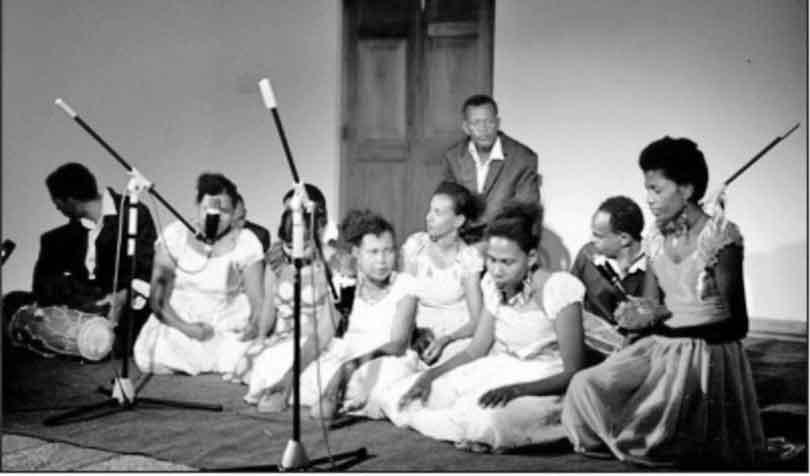
Sri Lanka’s colonial history provides an obvious starting point, unless, of course, we wish to go all the way back to Kuveni! We celebrate Ceylon cinnamon, the spices that have become synonymous with our heritage, and the cultural traditions we have inherited from those who came before us. Yet the demand for these commodities helped drive European expansion, commercial monopolies and colonial exploitation. The Portuguese and Dutch were not drawn to this island merely by its beauty. Its strategic position and valuable resources made it an important part of a wider struggle for commercial and political dominance. Nor was the movement of people across the Indian Ocean always voluntary. Africans were brought to Ceylon under Portuguese and Dutch rule, and some were enslaved. Their experiences, and the cultural traces they left behind, form part of our history too.
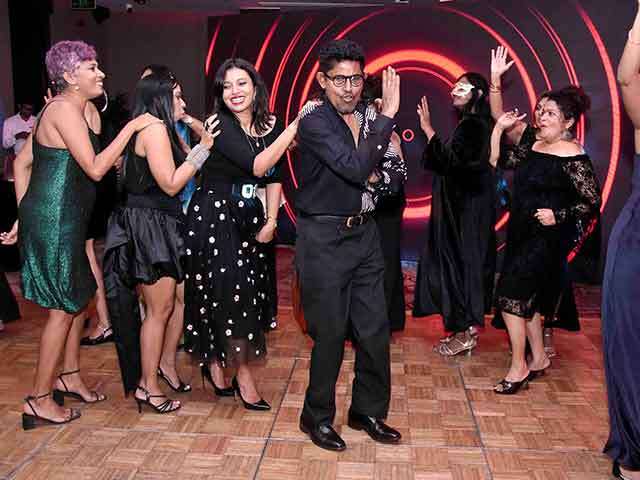
We do not have to reject our baila traditions or feel ashamed of enjoying the love cake that has become part of our cultural inheritance simply because their histories are complicated. But neither should we romanticise our inheritance to the point of ignoring the suffering that accompanied it. The fact that a dance form or recipe has become part of our culture does not erase the circumstances in which people, ingredients and ideas travelled across continents. We can appreciate what we have inherited while being honest about how it came to us.
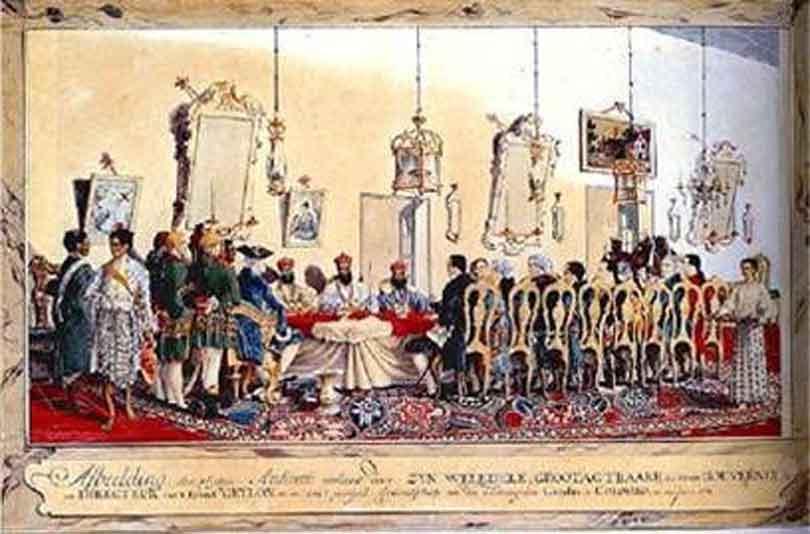
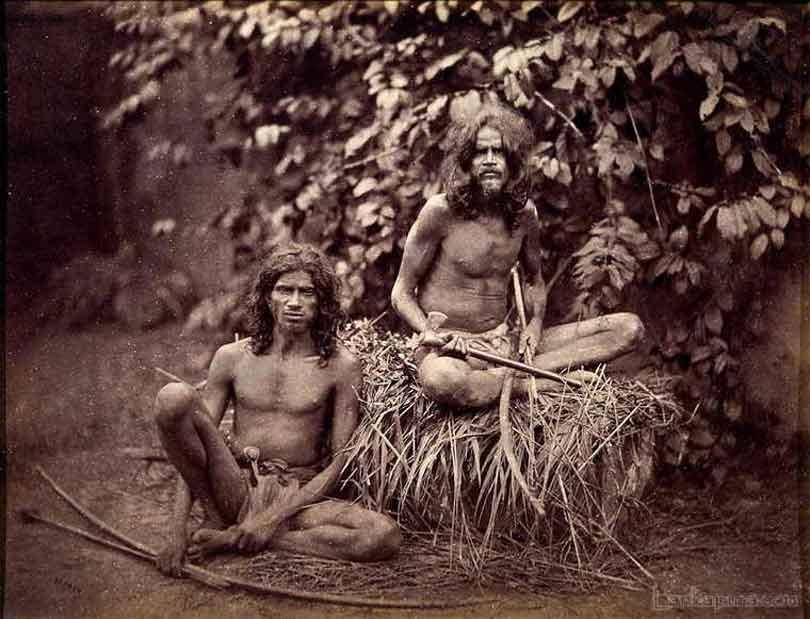
The same principle applies to the history of this island and the identity we claim as Sri Lankans. In one of my previous articles, The Great Betrayal: Questioning the Sri Lankan Identity, I argued that our history cannot be reduced to one pure, unbroken line of descent. Sri Lanka has been shaped by migration, settlement, trade, conquest and cultural exchange. From the island’s indigenous Vedda communities and successive migrations from the Indian subcontinent to Arab traders, the Portuguese, the Dutch and the British, our history is one of encounters between peoples. The Chola invasions and period of Chola rule, too, are part of that history.
They deserve to be understood in their historical context, not treated as inconvenient interruptions to a story told exclusively from one perspective.
Migration is particularly relevant because it challenges the idea that identity is fixed or simple. The descendants of Indian Tamil labourers brought to Ceylon under British colonial rule have a different historical experience from Sri Lankan Tamils whose communities have much older roots on the island. Both histories matter. Neither can be understood adequately without examining the circumstances in which people moved, settled, worked and sometimes found themselves excluded from the society they helped build. To acknowledge these distinctions is not to divide people further. It is to recognise the complexity of the country we share.
The Sri Lankan Tamil diaspora presents another dimension of the relationship between migration and memory. Many families left because of violence, insecurity and conflict. Their experiences, and the memories passed down to children and grandchildren born abroad, cannot simply be dismissed. Yet some members of the diaspora identify simply as Tamil rather than as Sri Lankan Tamil or Sri Lankan, and some express deeply negative views of a country they may never have visited. What happens when the memory of a country is formed almost entirely through the grievances inherited from previous generations? This is not to suggest that suffering must be personally experienced to be real, or that those who have never visited Sri Lanka have no legitimate connection to its history. It is to ask whether the wrongs committed by a government, or the suffering endured by one generation, should become the permanent and defining account of an entire nation.
Can we acknowledge the suffering of Tamil families without overlooking that of Sinhalese and Muslim families, or the Tamil civilians who were themselves terrorised by the LTTE? The LTTE did not represent every Tamil, just as the JVP did not represent every Sinhalese. Nor did the violent mobs responsible for the atrocities of Black July in 1983 represent the entire Sinhalese population. Many Sinhalese, in fact, risked their own lives to protect Tamil neighbours during those terrible days. These, too, are stories that deserve to be remembered.
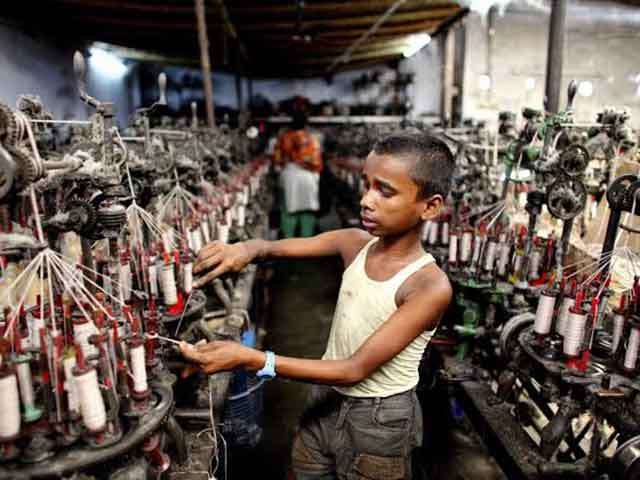
The LTTE’s massacre of civilians in Anuradhapura in 1985 and its attack on worshippers at mosques in Kattankudy in 1990 killed innocent people. Its intimidation of civilians forced recruitment and use of children in its fighting forces must form part of any honest account of the conflict. Human Rights Watch also documented the LTTE’s intimidation and extortion of members of the overseas Tamil community.
Some contributed willingly; others faced pressure and threats. To overlook these experiences is to overlook the suffering of people within the very community the organisation claimed to represent. Acknowledging these crimes does not diminish the suffering of Tamil civilians at the hands of others. One truth does not cancel out another.
Similarly, the violence of the JVP insurgencies must not disappear from our national memory simply because the movement has since entered democratic politics. During the second insurgency of 1987–1989, civilians were threatened and killed for defying its orders, while the state’s counter-insurgency campaign also involved grave abuses. My own grandfather was once warned about keeping a candle lit during a curfew. It is a small family memory, but it conveys the fear in which ordinary people lived.
Today, the JVP is at the centre of the National People’s Power government, following Anura Kumara Dissanayake’s election as President in 2024. Political movements can change, abandon armed struggle and enter democratic government. That transformation is part of our political history too. But the legitimacy a movement acquires in the present does not erase the suffering associated with its past. We should be able to acknowledge political change without pretending that the events preceding it never happened.
Nor can we discuss ethnic conflict without examining the decisions made by successive governments. The Sinhala Only Act of 1956, introduced under S.W.R.D. Bandaranaike’s government, disadvantaged Tamil speakers and contributed to deepening ethnic alienation. It was not the sole cause of separatism, and it does not justify the LTTE’s subsequent violence. But if we condemn militancy while refusing to examine the political decisions that helped create the conditions in which it grew, we are once again choosing which parts of history to remember.
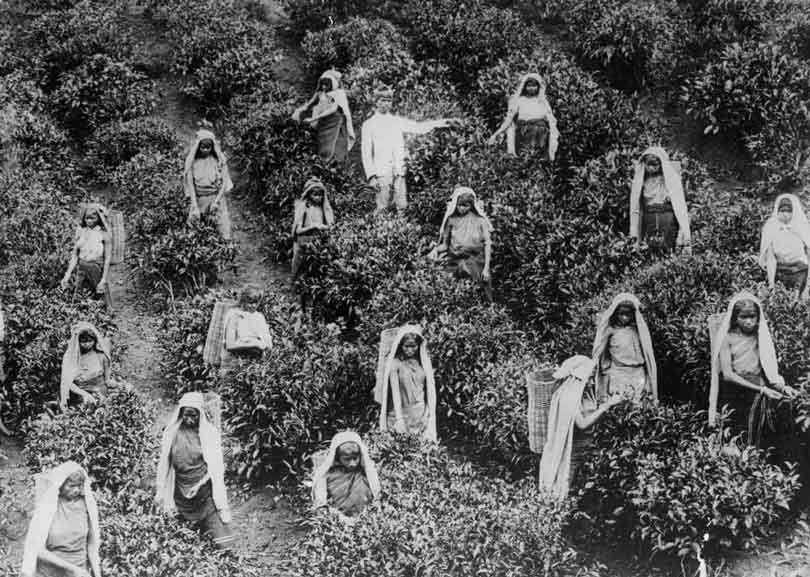
This is where education becomes crucial. History textbooks should not be instruments for protecting a community’s pride, a government’s reputation or a preferred national narrative. Nor should they replace one selective account with another in the name of reconciliation. Children need to learn about the achievements of ancient kingdoms, the Chola period, colonial exploitation, the contributions of different communities, the failures of political leadership and the violence committed by militant organisations and the state. They need sufficient historical context to understand not merely what happened, but why, and how different people experienced the same events.
Above all, they must be encouraged to question, examine evidence and arrive at informed conclusions rather than inherit unquestioned versions of the past.
There is nothing wrong with being uncomfortable about aspects of our history. Indeed, discomfort may be the beginning of understanding. What is wrong is allowing that discomfort to become a reason for omission, denial or whitewashing. We cannot build a shared Sri Lankan identity by expecting one community to remember its suffering while another forgets its own. Nor can we teach children to think critically if we give them only the version of history we believe they ought to accept.
A nation carries the consequences of its past, whether it chooses to acknowledge them or not. Some memories are cherished, others are painful, and some have been deliberately concealed. We cannot change what happened, but we can decide whether we are willing to examine it honestly. If we are to understand who we are, we must look beyond what is familiar, question what we have inherited and acknowledge the uncomfortable truths alongside the achievements we rightly celebrate. History does not become any less ours because it is difficult to confront.
It becomes ours more fully when we have the courage to remember it all.