LOVE CAKE, A GREEN BEETLE, AND THE MAKING OF A NOVEL

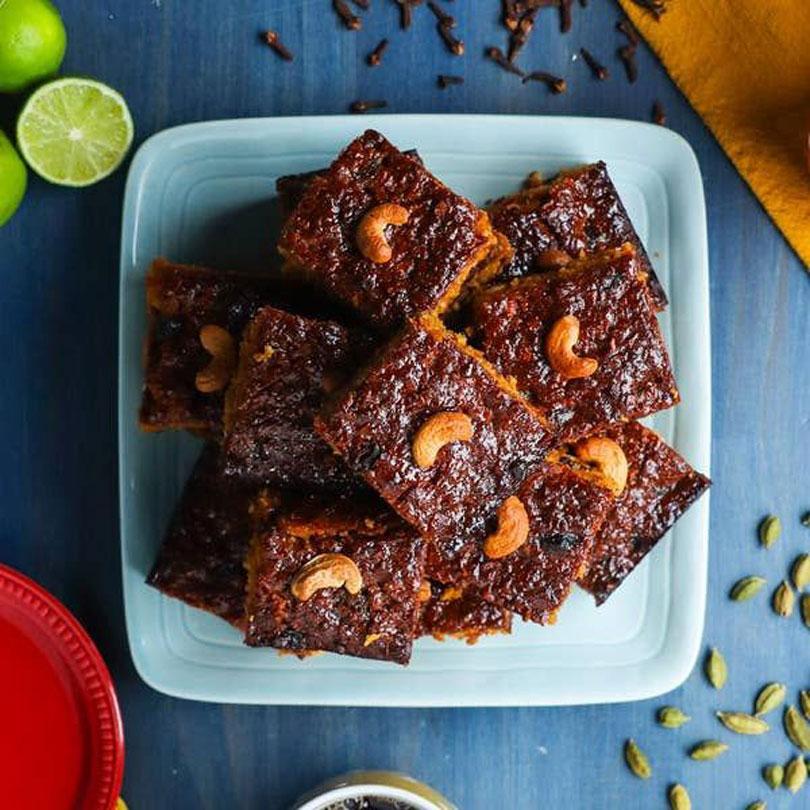
There is something particularly Sri Lankan about love cake. A recipe passed down through generations, the aroma of spices ground and mixed into a batter, the patient process of baking, and the memories that gather around a familiar taste. Yet, beneath this quintessentially Sri Lankan confection lies a history of cultural encounters, colonial influences and the remarkable ability of a people to take what they inherit and make it their own. It is perhaps fitting, therefore, that Ramya Chamalie Jirasinghe should choose love cake as the point of entry into Father Cabraal’s Recipe for Love Cake, the novel that won the Gratiaen Prize in 2024 and was published in 2026. For what appears at first to be a story about a cake, a house and the people who inhabit it becomes an exploration of something considerably more complex: the relationship between history, memory and identity.
What makes the origins of this novel particularly interesting is that it began long before the story itself existed. In 2009, Jirasinghe submitted an opening paragraph for a fictional novel titled The Letting Go to a competition organised by the UK’s The Guardian newspaper. She was one of the runners-up, the paragraph she wrote mentioning the name of the heroine, her house and, significantly, love cake, but nevertheless offering little indication of the story that would eventually emerge. Yet, the seeds of the novel to come had been planted.
More than a decade later, during Sri Lanka’s initial Covid-19 lockdown in 2020, Jirasinghe returned to that opening paragraph. Within three months, she had written the entire novel. The subsequent process of editing, submitting and finding a publisher would take considerably longer, but the story itself had finally found its form. She submitted the manuscript to the Gratiaen Prize panel in 2024, before its eventual publication in 2026.
Why did it take so long for a single paragraph to become a novel? The answer may lie in the nature of the writer herself. Jirasinghe is primarily a poet, not a novelist by profession, and writing is not her daily occupation. Father Cabraal’s Recipe for Love Cake was her first attempt at a novel. However, she had already published three collections of poetry and written Water for Kings (a play that she credits with making her fall in love with the power of the script when it comes to life on stage in the hands of a good director and cast!). Her non-fiction work, including a book on the 2004 tsunami, also reflects her interest in human experience and the
events that shape our lives. Perhaps, then, the novel was not so much delayed as waiting for its author to discover the questions she wanted to ask.
With a doctorate in International Relations, Jirasinghe brings to her fiction an understanding of history that extends beyond dates, treaties, and the rise and fall of empires. She is interested in what happens to ordinary people when powerful interests collide, and how the consequences of decisions made centuries ago continue to shape lives in the present.
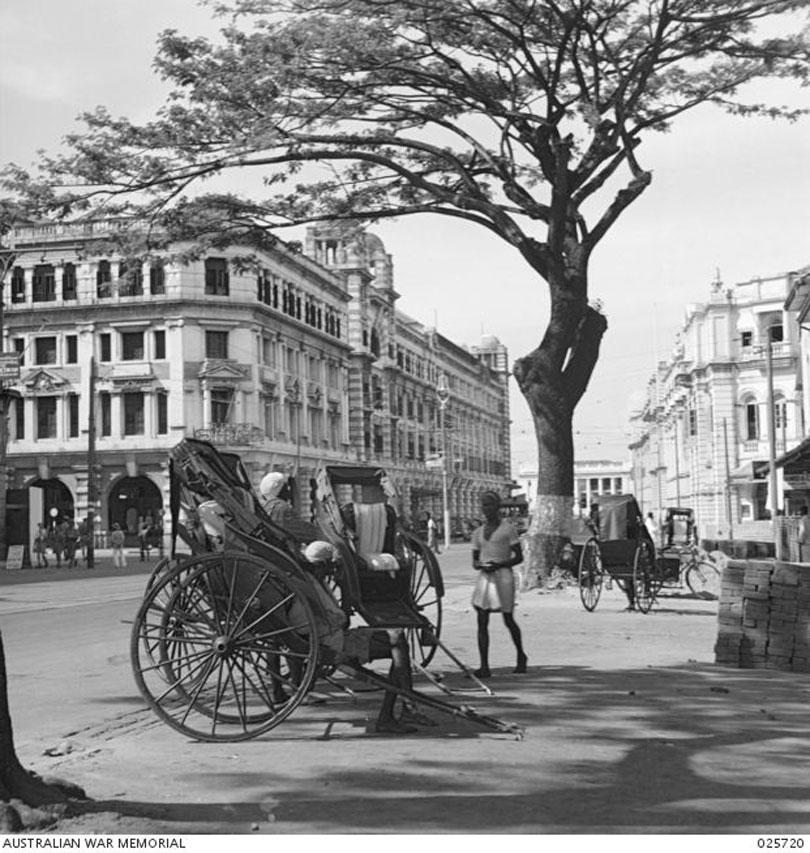
The novel’s fictional country of Beira-Mah provides the distance necessary to examine these questions without being confined to a single historical narrative. Yet the setting is unmistakably familiar to anyone who knows Sri Lanka. Portuguese and Dutch colonial experiences, the enslavement of Africans, the extraction of spices, and the struggle to control valuable commodities are woven into a landscape that also evokes our own cinnamon, elephants and inherited customs. Interestingly, Beira-Mah is not simply a country looking back at colonialism. It is also a country affected by insurgencies in the present. Its history is not safely contained in the past; rather, the consequences of that history continue to shape its circumstances. This provides the novel with a setting in which questions of identity, power and belonging acquire a significance beyond the lives of its individual characters.
Jirasinghe tells her story through two timelines, moving between the seventeenth century and the present until the two are forced to meet. The structure is more than a means of sustaining suspense. It suggests that the past is never quite as distant as we imagine it to be. Events separated by generations can remain connected in ways that are not immediately apparent, and what appears to be an ordinary discovery can acquire an entirely different meaning when viewed through the lens of history. And the reader is gradually led towards an uncomfortable possibility: that the past does not merely explain the present. It can also constrain it, burden it and, in certain circumstances, destroy it.
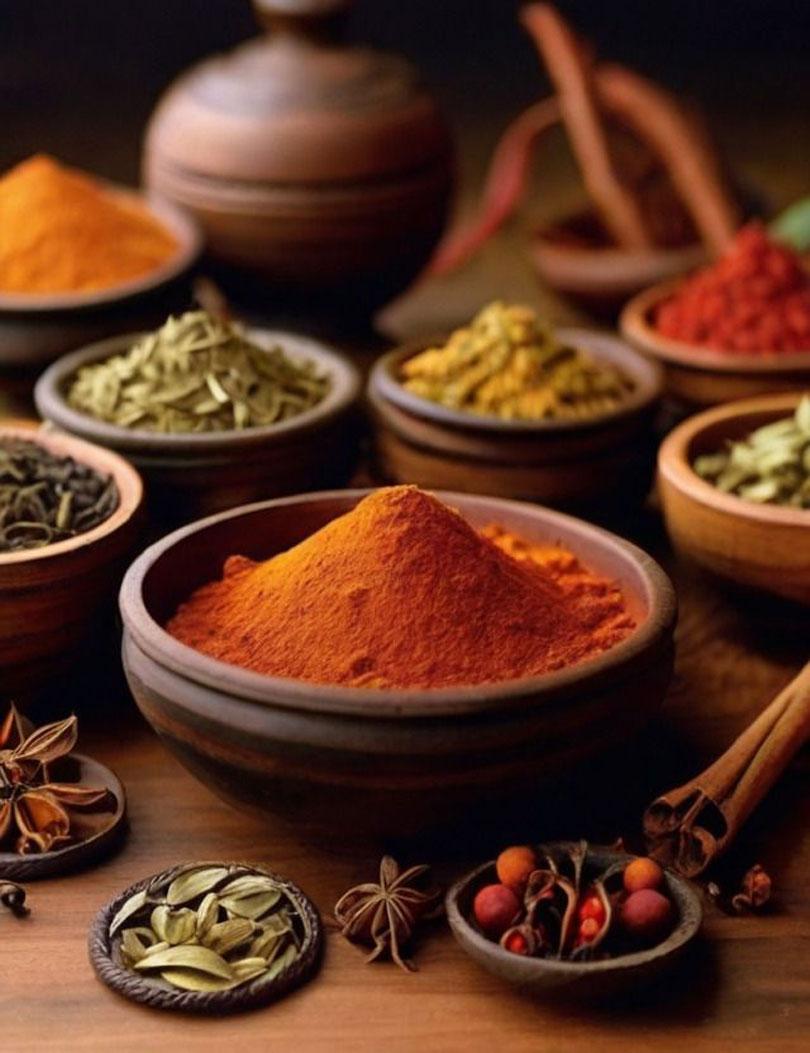
Yet it would be a mistake to regard the novel simply as an exercise in historical reconstruction. What makes it particularly interesting is the way Jirasinghe’s personal interests find their way into the fictional world. Her love of cooking and baking naturally finds expression in the cake. Her academic interest in international relations informs the historical and political landscape. Her fascination with old houses gives the narrative an emotional centre. She admits to being
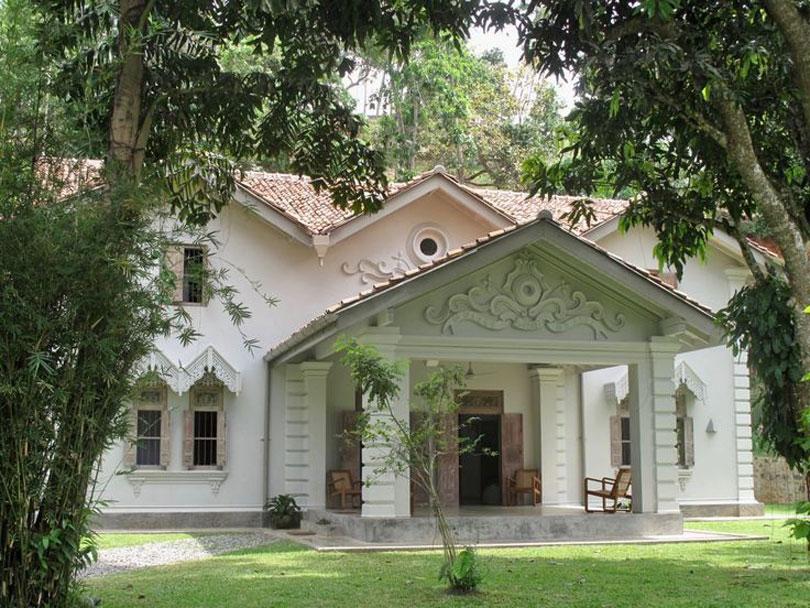
surprised by her ability to weave together elements that might initially have seemed disparate. History, spices, family memories, political upheaval and the details of everyday life do not necessarily appear to belong to the same story. Yet fiction allows a writer to discover connections that may not be apparent when these elements are considered separately. Even her green 1971 Volkswagen Beetle, which she drives only at weekends, finds its way into the novel. It is a charming reminder that a writer’s imagination is rarely confined to the subjects that might appear most obviously relevant to the story being told.
Perhaps the most revealing of Jirasinghe’s interests, however, is her love of spaces inhabited by others. As a child, she was familiar with the ancestral homes of her grandparents, places in which the walls seemed to hold their own histories, memories and emotions. This is an idea that resonates with anyone who has entered an old Sri Lankan home and wondered about the lives that unfolded within it. The worn staircase, the faded photographs, the furniture that has outlived its owners and the rooms that have witnessed generations of family life are not merely remnants of the past. They are evidence of lives lived, relationships formed and decisions made. A house can preserve memories that no official document records. It can also conceal stories that those who once inhabited it would rather not tell. This fascination with the histories carried by places seems central to the novel. The house is not simply a setting in which events occur; it becomes part of the process through which the past is encountered and understood. Like the recipe, it holds traces of lives that preceded the present occupants.
There is something appropriate about a novel concerned with such weighty questions having its origins in a recipe for love cake. Recipes survive because people pass them on, sometimes carefully recording every ingredient, sometimes relying on memory and sometimes changing them to suit the circumstances of a new generation. In the process, something is preserved, but something may also be altered or lost. The same is true of history. We inherit more than property, recipes and family photographs. We inherit languages, customs, beliefs and stories about who we are. Some of these stories are carefully preserved; others disappear with the people who might have told them. And sometimes, what we believe to be an uncomplicated inheritance turns out to have a much more complicated history. Jirasinghe’s novel invites us to consider what happens when the past is no longer content to remain in the background. It asks us to look again at the familiar, to question what we think we know and to recognise that the stories we inherit may contain more than we realise.
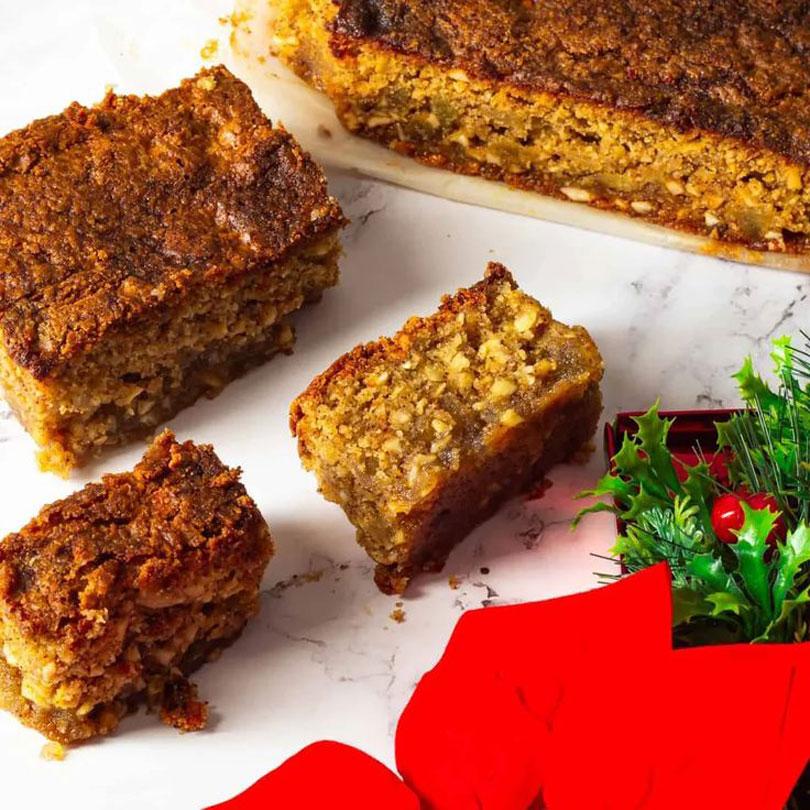
There is no certainty that understanding the past will enable us to escape its consequences. But perhaps the first step towards understanding ourselves is to acknowledge that our identities are shaped not only by the lives we have lived, but also by the lives that came before us. And sometimes, as Jirasinghe discovered while following a single paragraph towards an unexpected destination, the beginning of that journey can be found in the most ordinary of places: an old house, a remembered recipe and a cake made with love.