IT’S TIME! MARIAH CAREY KICKS OFF CHRISTMAS THE MOMENT HALLOWEEN ENDS
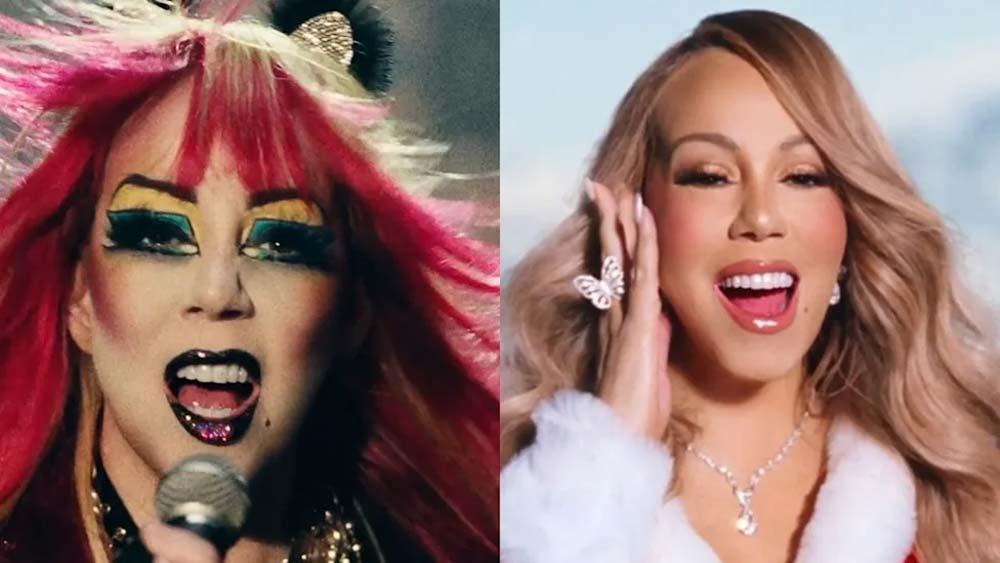
At precisely one second past midnight on the 1st of November, Halloween loses its grip on the calendar and Mariah Carey takes over. The pumpkins have barely stopped glowing, the last trick-or-treaters have only just returned home, and somewhere, somebody is already reaching for the Christmas decorations. For millions of people, this is no longer simply the beginning of November. It is Mariah Carey season. The singer's annual ‘It's Time’ announcement has developed into a phenomenon that extends far beyond her music. What began as an amusing way to celebrate the return of her Christmas classic has become an anticipated date in the entertainment calendar, complete with elaborate videos, viral jokes and an audience eager to see what she has planned next. As November 2026 arrives, the familiar declaration carries an extraordinary cultural legacy. More than three decades after releasing ‘All I Want for Christmas Is You,’ Carey has achieved something few recording artists could imagine. She has become an unofficial human calendar, marking the transition from Halloween to Christmas with three words. And the world keeps watching.
A Tradition Born for the Social Media Age
The annual announcement has its roots in Carey's playful relationship with her festive reputation. By 2019, she was already using the first moments of November to celebrate the return of Christmas, posting a video that showed her falling asleep on Halloween and receiving a midnight telephone call announcing that the holiday season had arrived. It was a simple idea, but one perfectly suited to the internet. Rather than treating Christmas promotion as a conventional publicity exercise, Carey turned it into entertainment. Her followers were invited to participate in a joke that would become more elaborate with each passing year.
In 2021, she appeared smashing pumpkins with a candy cane-striped baseball bat, transforming Halloween imagery into a dramatic festive entrance. The following year, she portrayed a witch before exchanging her Halloween surroundings for a wintry Christmas scene. By 2023, the production had become even more theatrical. Carey appeared frozen inside a block of ice while Halloween characters attempted to release her. When the ice finally shattered, she emerged ready to welcome the holidays. The following year's instalment featured another transformation, with Carey moving from a Halloween-inspired setting into her familiar Christmas persona. Each production reinforced the same idea while finding a different visual joke to keep audiences entertained. The result was a seasonal tradition with the appeal of a recurring television special, condensed into a short video designed to travel rapidly across social platforms.
The Song That Changed Everything
Behind the costumes, elaborate sets and online humour stands one of the most successful Christmas songs ever recorded. When Carey released All I Want for Christmas Is You in October 1994, it was part of her fourth studio album, Merry Christmas. At the time, she was already an international superstar, celebrated for her remarkable vocal range and a succession of chart-topping hits.
The festive album represented a different creative direction, combining traditional Christmas standards with original material. Carey wrote All I Want for Christmas Is You alongside Walter Afanasieff, creating a song that drew inspiration from the exuberant sound of classic holiday recordings while maintaining a contemporary pop sensibility. Its message was straightforward. Expensive presents, elaborate decorations and material possessions mattered less than being with the person you loved. That universal sentiment, paired with a memorable melody and Carey's unmistakable vocal performance, helped the recording establish itself as a seasonal favourite. Yet its greatest commercial achievements would come much later. In December 2019, the song reached number one on the Billboard Hot 100 for the first time, 25 years after its original release. The achievement reflected its extraordinary ability to find new audiences through streaming, digital downloads and renewed seasonal interest. Its annual return to the charts subsequently became a defining feature of the modern Christmas music landscape. For Carey, a recording originally created during the early years of her career had become an enduring cultural institution.
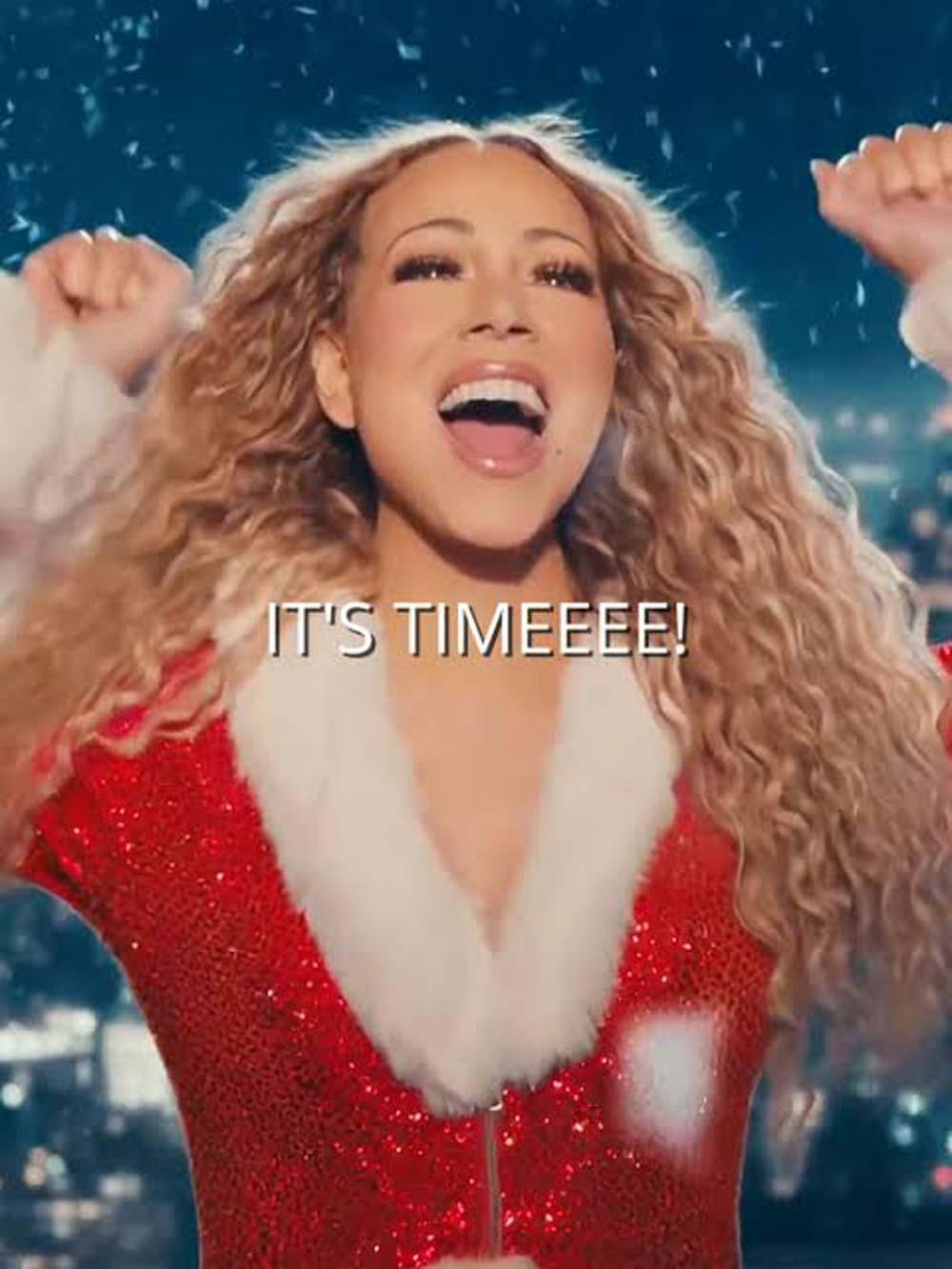 The Great Mariah Defrosting
Perhaps the funniest development in Carey's Christmas empire is a joke that she did not need to invent herself. Across social media, fans began suggesting that the singer spends the warmer months frozen in a giant block of ice, waiting to be thawed when November arrives. The image became a recurring meme, with users joking throughout October that the defrosting process was about to begin. Some imagined scientists monitoring the ice. Others shared photographs of frozen objects accompanied by warnings that Carey was preparing to return. The singer embraced the humour, eventually incorporating the concept into her own seasonal announcement. This willingness to laugh at her public image has been crucial to the tradition's success. Carey could easily have regarded the annual jokes as reducing an extraordinary musical career to one Christmas recording. Instead, she recognised an opportunity to engage with audiences on their own terms. Her participation transformed an internet meme into a collaborative celebration between celebrity and fans. It also demonstrated an instinct for self-parody that has become increasingly valuable in an era when audiences appreciate famous figures who can acknowledge the absurdity of their own reputations.
Christmas Has Become Big Business
The commercial significance of Carey's festive popularity is difficult to ignore. Every year, Christmas music experiences a dramatic increase in listening figures as audiences return to familiar recordings. Streaming has made that seasonal revival especially visible, allowing songs released decades earlier to compete with contemporary hits. Carey's recording is among the most prominent beneficiaries of this pattern. Its popularity supports a wider festive enterprise that includes concerts, merchandise, television appearances and seasonal entertainment projects. The singer has staged Christmas performances in major venues, offering audiences the opportunity to experience her holiday repertoire live. Her seasonal concerts have become part of the wider appeal of her Christmas identity, combining glamorous costumes, theatrical staging and the vocal performances that established her international reputation. The financial value of Christmas music is not unique to Carey. Recordings by Wham!, Brenda Lee, Bobby Helms and other artists return to public attention each winter. What distinguishes Carey is the way she has built an annual entertainment event around the moment when that listening cycle begins.
Her announcement is effectively the opening ceremony for a season in which her music becomes particularly prominent. It is a remarkable example of an artist maintaining cultural visibility through a recording that has outlived numerous changes in the music industry.
Why 1st of November Divides Opinion
Not everybody welcomes the arrival of Christmas immediately after Halloween. For some, November should remain a relatively quiet period between two major celebrations. Others feel that beginning Christmas festivities almost eight weeks before 25th December removes some of the anticipation that traditionally surrounds the holiday. There are also concerns about the commercialisation of Christmas, particularly when shops begin displaying festive products long before autumn has ended. Carey's annual announcement inevitably becomes part of that debate. Social media fills with enthusiastic declarations from Christmas lovers alongside complaints from people who would prefer to wait until December. Yet this disagreement contributes to the countdown's visibility. The tradition works because it does not require universal approval. Those who love Christmas can celebrate the announcement, while those who find it premature can join the conversation through humour. In Britain, November also brings Bonfire Night and Remembrance commemorations, meaning Christmas is not necessarily the immediate priority for everyone. Nevertheless, the influence of American entertainment culture and global social media means Carey's announcement reaches audiences well beyond the United States. Whether welcomed or resisted, it has become an unmistakable marker of the changing season.
More Than the Queen of Christmas
There is an interesting contradiction at the heart of Carey's festive celebrity. Although younger audiences may associate her most strongly with Christmas, her achievements extend across an exceptionally influential recording career. She has scored 19 number-one singles on the Billboard Hot 100, established herself as one of the defining voices of contemporary popular music and influenced generations of singers with her vocal technique. Her catalogue includes major hits such as Hero, Fantasy, Always Be My Baby, We Belong Together and Touch My Body. Her work has crossed pop, R&B, soul and hip-hop, while her songwriting and production contributions have helped shape her artistic identity. The Christmas phenomenon therefore represents only one chapter in a much larger story. Yet it is arguably the chapter that has given her the most unusual form of cultural immortality. Most performers hope their recordings will remain popular long after their release. Carey has gone further, securing a recurring place in the annual rhythm of everyday life. Even people who rarely listen to her other music are likely to encounter her voice repeatedly during November and December. That level of recognition is difficult to manufacture, and even harder to sustain.
The Holiday Season Starts Here
The arrival of November does not mean Christmas Day is suddenly around the corner. There are still weeks of ordinary routines, work commitments, shopping trips and preparations ahead. But that is part of the attraction. For many people, the build-up is as enjoyable as the celebration itself. Choosing presents, watching favourite films, arranging family gatherings and visiting illuminated streets all contribute to the atmosphere. Music plays an especially important role in creating that anticipation.
A familiar Christmas recording can evoke childhood memories, remind listeners of loved ones or transport them back to a particular moment in their lives. Carey's anthem has now accompanied enough Christmases to carry those associations across several generations. Children who heard it in the 1990s have grown into adults who may now be introducing it to their own families. That emotional continuity helps explain why the song remains popular despite its enormous exposure. Its annual return is not simply a matter of commercial promotion. It is connected to personal memories and shared traditions that accumulate over time.
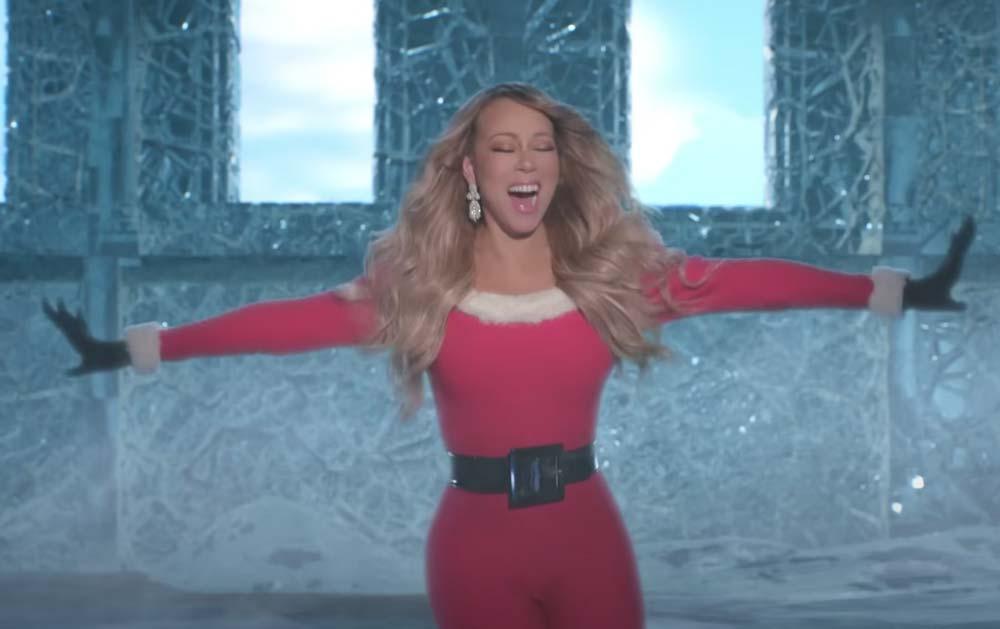
The Queen Has Spoken
As another Halloween disappears into history, Mariah Carey once again occupies her familiar place at the beginning of the festive calendar. The elaborate announcements, frozen memes and midnight excitement might appear ridiculous to anyone unfamiliar with the tradition, but their longevity reveals something fascinating about modern celebrity. Carey has transformed a successful Christmas recording into an annual cultural event that people recognise, anticipate and actively participate in. Few artists have managed to create such a lasting connection between their music and a particular moment of the year. The clock has passed midnight, October is officially over and November has arrived. Whether the Christmas decorations come out immediately or remain safely stored until December is entirely a matter of personal preference. But one thing is certain. Mariah Carey has already given the festive season its opening announcement. It's time!