THE MIGHTY MUSE AND TONGUES ON FIRE FOCUSES ON INDEPENDENT CINEMA FROM SOUTH ASIA AT INDUSTRY DAY
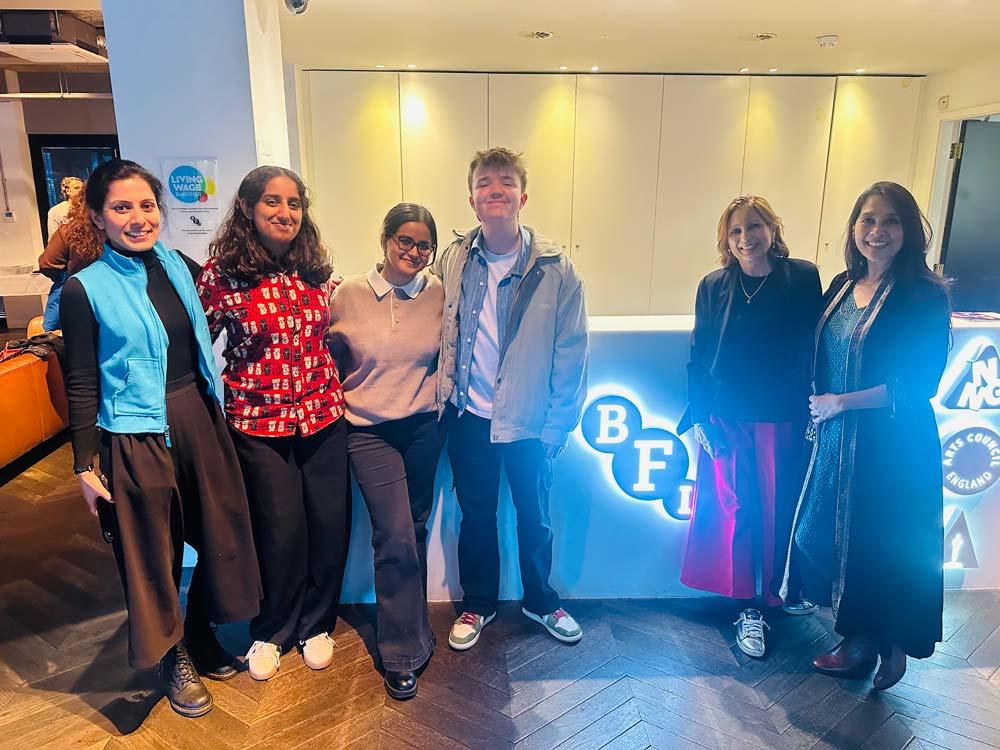
The Mighty Muse & Tongue's on Fire Team
Bringing together filmmakers, producers and industry experts, The Mighty Muse and Tongues on Fire created a platform for meaningful conversations about storytelling, finance, representation and the future of independent cinema.
The future of South Asian cinema is not simply about telling more stories, but ensuring those stories have the creative freedom, financial backing and industry support to reach audiences. This was the central message of an Industry Day presented by The Mighty Muse in collaboration with Tongues on Fire at BFI Stephen Street in London last week, during the London Film Festival. Bringing together filmmakers, producers and industry professionals, the event featured three Knowledge Series sessions exploring the creative, commercial and practical realities of independent filmmaking. Discussions ranged from protecting artistic vision and overcoming production challenges to navigating international co-productions, tax incentives and distribution strategies. Beyond sharing industry knowledge, the event highlighted a wider ambition; to build a sustainable professional network that enables South Asian and diaspora filmmakers to develop projects, forge meaningful partnerships and establish lasting careers.
Creating a Space for South Asian Cinema
For Anita Horam, founder of The Mighty Muse, the Industry Day was part of a wider ambition to create meaningful access to the film industry for South Asian and diaspora talent. While cultural representation has become an increasingly visible part of conversations about British cinema, access to finance, decision-makers and professional networks remains a significant challenge for independent filmmakers. The Mighty Muse is seeking to address that gap by bringing creative talent into direct conversation with experienced industry professionals. “What we are putting together is access to a qualified room,” Anita explained. “During the knowledge sessions, our panels hope to be able to explain better the practical aspects of development, production, distribution and impact through their own firsthand experience in the field.” The choice of BFI Stephen Street during the London Film Festival was also deliberate, positioning South Asian filmmaking conversations within one of the industry's most important annual gatherings. For Anita, creating culturally specific spaces is not about separating South Asian filmmakers from the wider industry. Rather, it is about giving them the professional connections and practical tools needed to participate in it more effectively. “There is need for a dedicated and culturally specific space for South Asian and diaspora film talent to convene, pitch and structure deals,” she said. The Industry Day demonstrated how that ambition could translate into action, combining artistic conversations with the financial and business knowledge essential to getting films made.
Beyond Representation: Building Sustainable Film Careers
A central theme of the event was the difference between making a first film and building a sustainable filmmaking career. For filmmaker and creative consultant Amit Kaur, who curated and produced the programme, this distinction is particularly important.
“I know how challenging it can be to get a first feature made, sustain a career and get the next film off the ground,” she explained. “These are real gaps we want to address by building practical pathways, not just opening doors.” The event was structured around this philosophy, offering attending film professionals in the audience insights from professionals who have experienced the challenges of development, production and distribution firsthand and had success in finding both audience and acclaim.
One of the questions underpinning the discussions was: How can South Asian filmmakers maintain their creative identities while navigating the commercial demands of the international film industry?
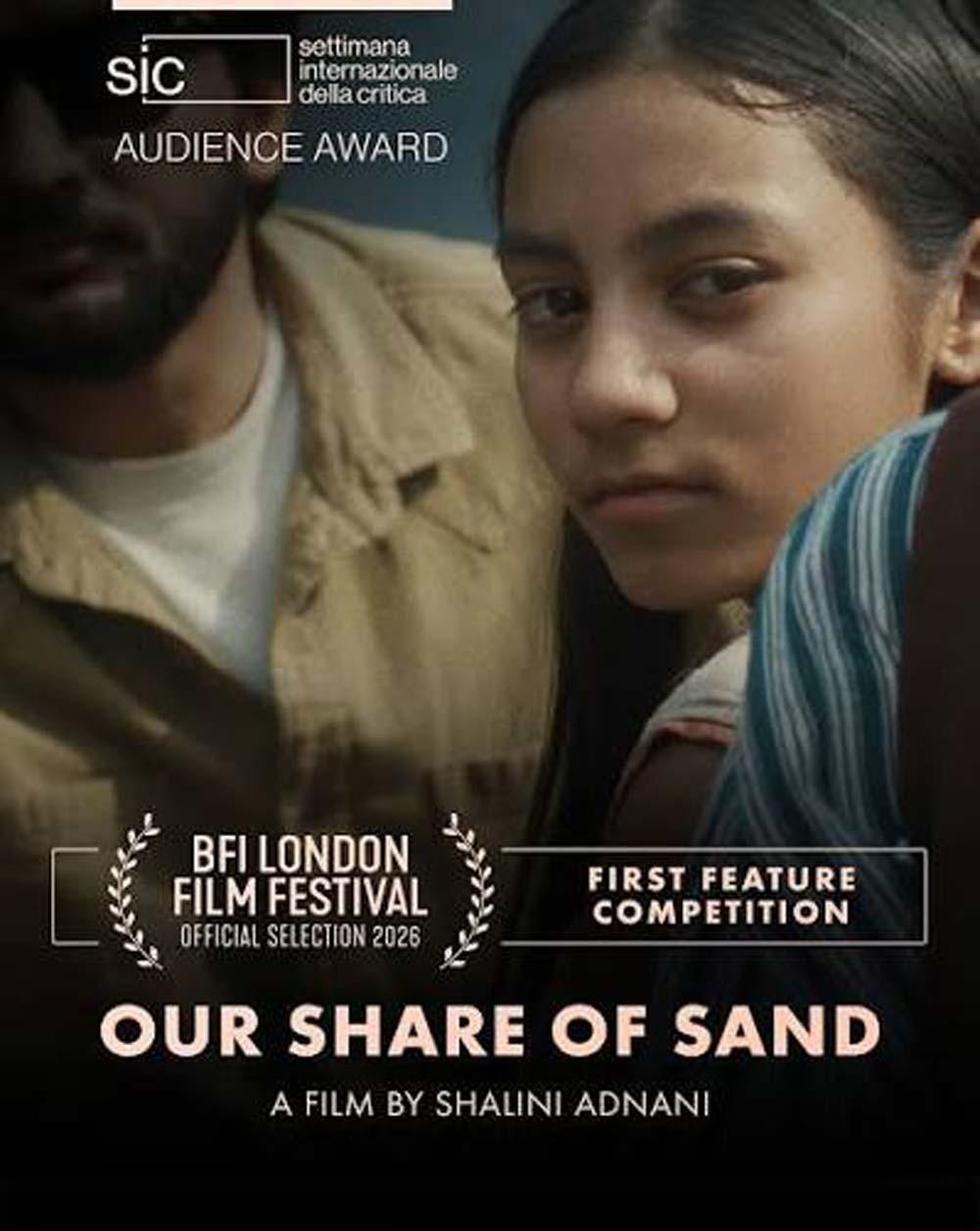
Writer-director Shalini Adnani, whose work includes, Our Share of Sand, brought an important creative perspective to the programme. Her discussion explored the challenges of developing culturally rooted stories, responding to funders and production pressures, and protecting the artistic vision that makes a project distinctive. A key lesson was the importance of trusting creative instincts while remaining open to constructive feedback. Shalini's wider perspective also challenged the assumption that South Asian stories must be shaped primarily around Western audience expectations. “First and foremost, I'd like to see stories rooted in South Asia judged on their narrative ambition and directorial qualities, without having to prove that they can appeal to a Western audience,” she said. Her comments reflected a broader concern raised through the event; filmmakers should have the freedom to explore complex identities, relationships and experiences without being confined to narrow definitions of cultural representation.
Finding Audiences Without Compromising Artistic Vision
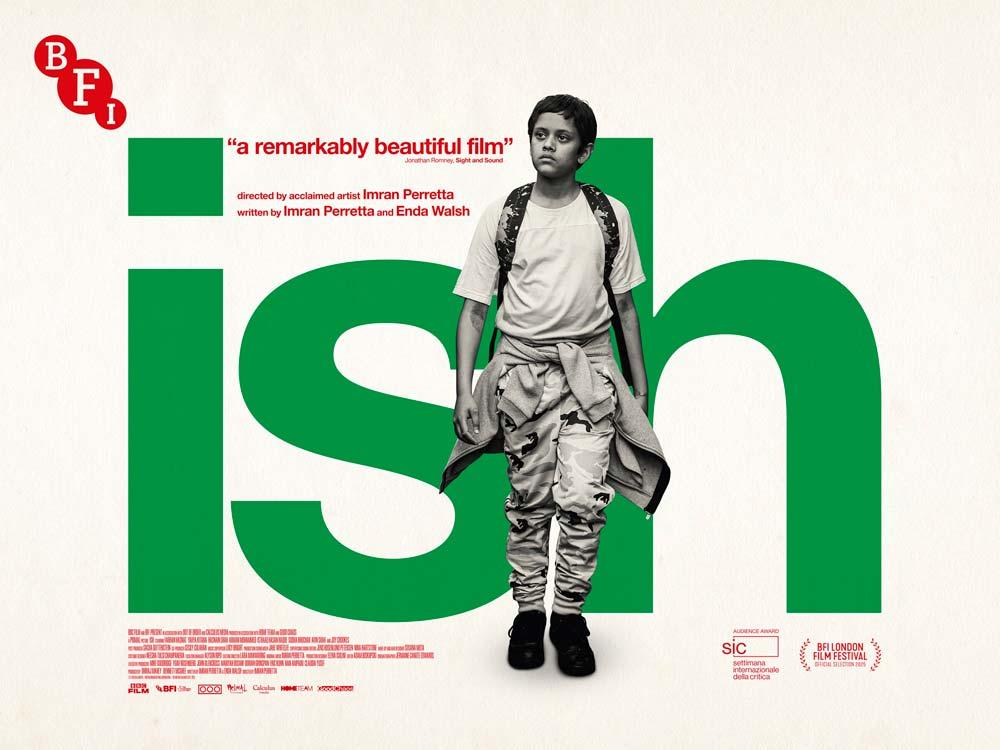
If developing an independent film is challenging, ensuring that it reaches an audience can be equally demanding. This was a central focus of the session featuring Dhiraj Mahey, producer of Ish, in which he emphasised the importance of trust between directors and producers, unconventional creative processes and thoughtful distribution strategies. The conversation highlighted how successful filmmaking partnerships depend not only on financial resources but also on a shared understanding of the work. For Dhiraj, the process of bringing Ish to audiences demonstrated the value of choosing collaborators who understand a film's creative identity. Working with BFI Distribution, the production team sought to reach beyond traditional arthouse audiences, connecting with younger viewers, the art world, music communities and South Asian and Muslim audiences.
The experience raised another important question: How can independent filmmakers reach wider audiences without sacrificing the originality of their work?
Dhiraj's response centred on the importance of creative integrity and collaboration. “There's always a line to tread, but ultimately you just have to do right by the work and make the best possible version of the film that you can,” he explained. The session also reflected the wider challenges facing independent cinema, where smaller films often rely on carefully developed partnerships, community engagement and targeted distribution rather than substantial marketing budgets. For emerging filmmakers attending the Industry Day, these discussions offered a practical reminder that distribution should not be treated as an afterthought. Building an audience is part of the filmmaking process itself.
|
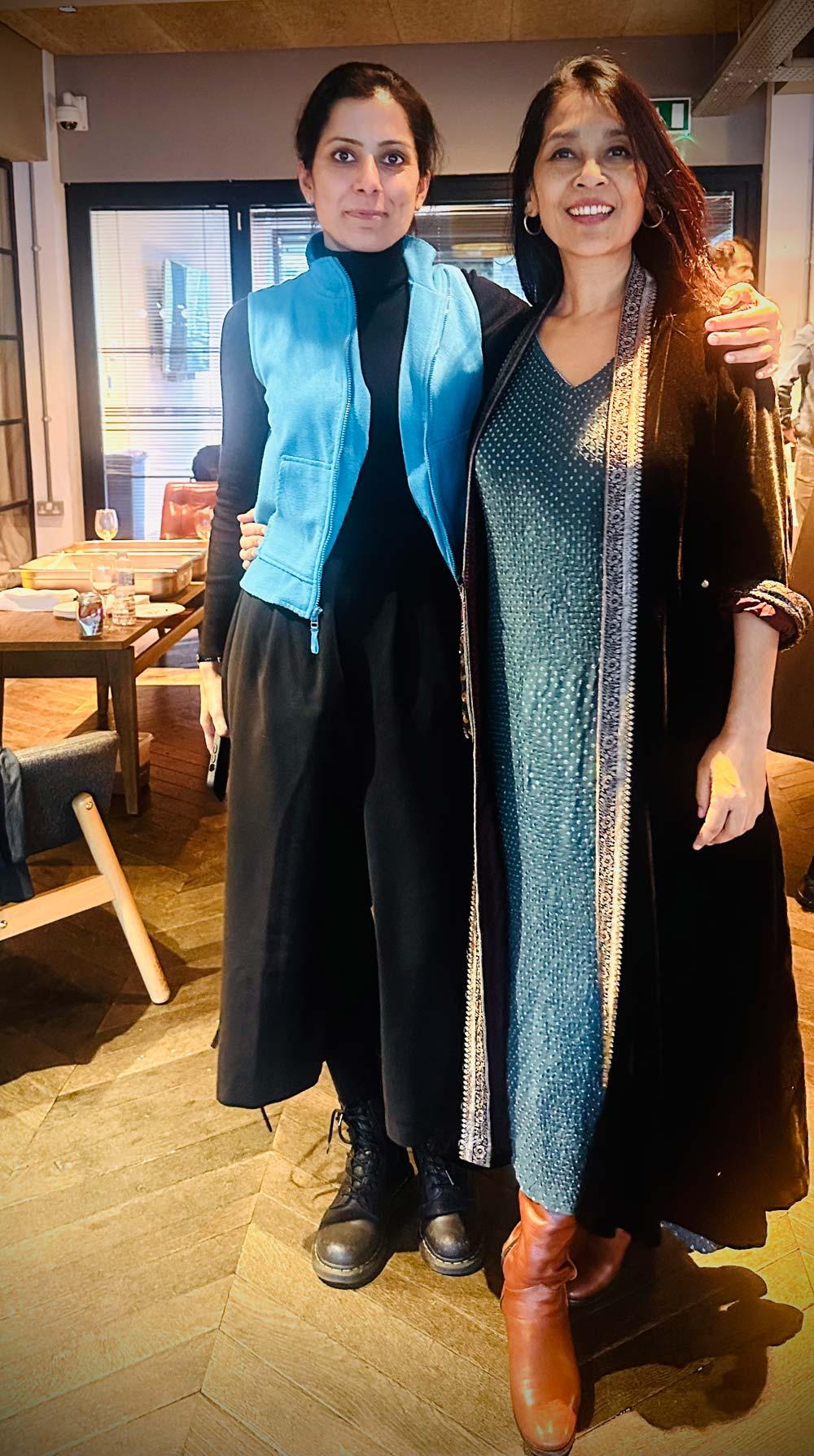
Amit & Anita
|
Understanding the Business Behind the Creative Vision
While creative independence and audience engagement formed important parts of the programme, the final session turned attention to an area that can determine whether a film gets made at all; financial planning. Led by Muntazir Bhimji, Partner at Macalvins, in conversation with filmmaker-producers Debasmita Dasgupta and Agam Jain, the session explored the practicalities of co-production and tax credits. The discussion covered company structures, tax incentives, cross-border payments, currency exchange, financial documentation and the complexities of working across international markets. For South Asian filmmakers developing projects between Britain, India and other territories, these considerations are particularly relevant. The session addressed a fundamental question: Are filmmakers giving enough attention to financial planning before beginning production? According to Muntazir, one of the most common mistakes is leaving essential financial and legal decisions until too late. “Many producers start spending before the structure is in place, and that's very hard to fix later,” he explained. He emphasised the importance of ensuring that contracts, accounting records and tax arrangements are properly aligned from the beginning of a project. The discussion also explored UK film tax relief, the Independent Film Tax Credit and the administrative requirements involved in international co-productions. Although such subjects may appear less glamorous than directing or storytelling, the session reinforced their importance in protecting both a film's financial viability and its creative ambitions. For independent filmmakers, understanding these systems can mean the difference between a project remaining in development and moving successfully into production.
Why Industry Events Like This Matter
What made the Industry Day significant was the way its three sessions connected different stages of the filmmaking journey. Creative development, production relationships, financial structures and audience engagement were presented not as separate concerns, but as interconnected elements of a sustainable filmmaking career. The discussions also revealed a shared understanding that South Asian cinema needs more than occasional visibility. It requires sustained investment, accessible professional networks, meaningful partnerships and opportunities for filmmakers to develop their careers beyond individual projects. As Shalini Adnani observed, filmmakers can have strong projects and distinctive voices yet still struggle to enter the spaces where important decisions are made. “Forums like this help bridge that gap,” she said. “A meeting can open a door, but sustained interest and support are what allow a filmmaker to build a career.” That sentiment closely reflects the philosophy driving The Mighty Muse. For Anita Horam and Amit Kaur, the purpose of bringing filmmakers together is not simply to facilitate conversations, but to create opportunities that continue after an event has ended. The programme was also made possible with support from the High Commission of India in UK, reflecting a shared commitment to supporting independent filmmaking professionals and strengthening cultural connections.
 The Mighty Muse Looks Towards the Future
The Industry Day was not intended to be a standalone initiative. Looking ahead to 2027, The Mighty Muse aims to build on the programme through a recurring series of targeted industry events, with ambitions to develop a public market where filmmakers can present projects, meet potential collaborators and explore opportunities for financing and production. Amit Kaur also hopes to expand the Knowledge Series into areas that are frequently overlooked, including impact producing, financial planning and the technical aspects of filmmaking. Increasing opportunities for women filmmakers and ensuring greater access to industry decision-makers remain important priorities. “We need to think about who gets to be in the room, whose projects are being discussed and who gets access to decision-makers,” Amit said. Her vision is of an interconnected filmmaking ecosystem that enables South Asian and diaspora talent to move between creative communities, production territories and international markets with greater confidence. “For me, the value of these programmes is in what happens after the event,” she explained. “Bringing people into the same room is a starting point, but we want filmmakers to leave with clearer next steps, useful contacts and relationships they can build on.” It is an ambition that places long-term professional development at the centre of The Mighty Muse's work.
A Continuing Conversation
As the Industry Day concluded, one message emerged clearly from the discussions; creative ambition alone is not enough to sustain independent cinema. Filmmakers also need access to trusted collaborators, practical financial knowledge, distribution opportunities and an industry willing to invest in culturally distinctive stories. By bringing these conversations together under one programme, The Mighty Muse, Tongues on Fire and the UK Asian Film Festival demonstrated the importance of creating spaces where creative aspirations can meet commercial understanding. The event also highlighted the value of collaboration between cultural organisations, filmmakers, professional advisers and institutions committed to supporting independent cinema. For Anita Horam, Amit Kaur and the team from Tongues on Fire, the next challenge will be transforming the relationships and knowledge developed through these gatherings into tangible opportunities for filmmakers. The ambition is not simply to see more South Asian stories represented on screen, but to strengthen the structures that allow those stories to be developed, financed, produced and distributed. As Amit put it, “We want these conversations to lead somewhere, rather than remain one-off events.” At BFI Stephen Street, The Mighty Muse and Tongues on Fire, helped create the conditions for those conversations to begin. What follows could prove even more important for the future of South Asian independent cinema.