ARE WE SLOWLY LOSING OUR ABILITY TO THINK WITHOUT GOOGLE?
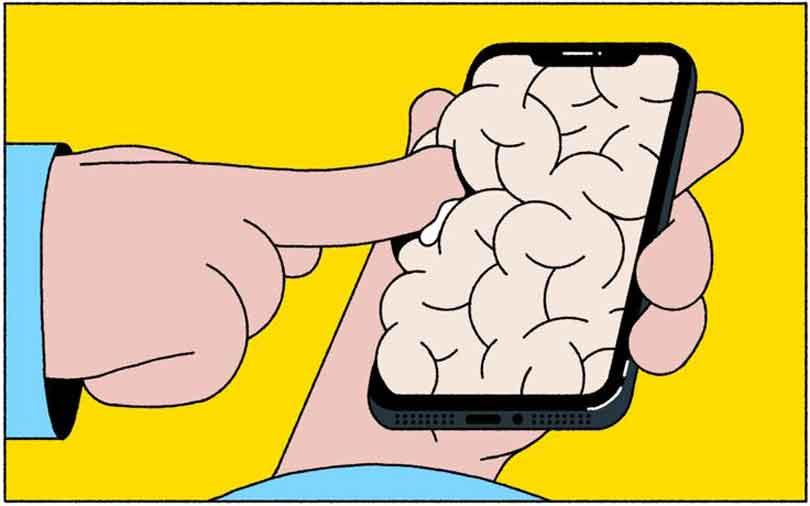
When was the last time you tried to remember something without immediately searching for it on Google? Perhaps it was the name of an actor, the meaning of a word, a historical event or even a simple mathematical calculation. For many of us, the first reaction is no longer to think, remember or figure things out. Instead, we reach for our phones, open Google and type in a question. Within seconds, we have an answer. It is convenient, quick and usually helpful. But as we become increasingly dependent on search engines, an interesting question arises: are we slowly losing our ability to think for ourselves?
There was a time when finding information required patience and effort. Students visited libraries, searched through books and spent hours researching topics. People memorised telephone numbers, remembered directions and relied on their own knowledge to answer everyday questions. Today, almost everything we need to know is available through a simple online search. From cooking instructions and medical information to academic explanations and travel directions, Google has become our everyday problem-solving companion.
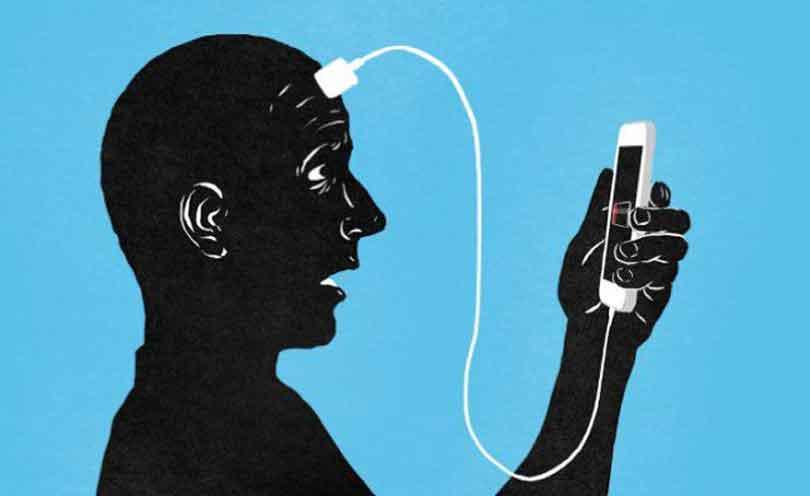
There is no doubt that this accessibility has made life easier. We no longer need to spend hours searching for basic information. Students can understand difficult subjects through online explanations, professionals can find solutions to work-related problems and ordinary people can learn new skills without attending formal classes. Information that was once difficult to access is now available to millions of people.
However, convenience can sometimes come at a cost. One of the biggest changes in our behaviour is that we no longer feel the need to remember everything. Why memorise a fact when we can search for it whenever we need it? Why remember a route when Google Maps can guide us? Why calculate something mentally when a calculator is only one tap away?
Researchers have explored a phenomenon often called the “Google effect”, where people may be less likely to remember information when they expect to access it later. Instead of remembering the information itself, we may remember where to find it. This does not necessarily mean our memory is becoming weaker, but it suggests that technology is changing how we use it.

Another concern is the way instant answers can affect our patience. Imagine trying to solve a difficult question. In the past, we might have spent several minutes thinking about possible answers, making mistakes and trying different approaches. Today, the temptation to search for the solution appears almost immediately.
The problem is not finding an answer online. The problem begins when we stop making an effort to understand how that answer was reached. This is particularly important in education. Students have access to more learning resources than previous generations could have imagined. Yet having unlimited information does not automatically mean developing a deeper understanding of a subject. A student might copy an explanation from Google, complete an assignment and receive a good grade without fully understanding the topic.
Real learning involves asking questions, making connections, analysing information and sometimes getting things wrong. When we skip these steps and depend entirely on ready-made answers, we risk missing opportunities to develop important thinking skills.
The growing use of artificial intelligence has made this discussion even more relevant. Today, people can ask AI tools to write essays, explain complicated topics, create presentations and solve problems within seconds. These tools can be extremely useful, especially when used to support learning and creativity. However, depending on them for every decision or task may reduce the amount of independent thinking we practise.
Another interesting issue is that Google does not always provide one simple, reliable answer. Search results contain information from different websites, opinions, advertisements and sometimes misleading sources. Just because something appears at the top of a search page does not automatically mean it is accurate.
This is where critical thinking becomes essential. We need to ask ourselves whether the information comes from a trustworthy source, whether there is evidence to support it and whether other explanations are possible. Unfortunately, when we are accustomed to receiving answers instantly, we may forget to question what we read.
Social media has added another layer to this problem. Short videos, quick explanations and simplified information have become popular ways of learning. While these formats make knowledge accessible, they can also encourage us to expect every complicated subject to be explained in less than a minute. Some topics, however, require time, concentration and deeper investigation.

At the same time, it would be unfair to suggest that Google is making everyone less intelligent. Technology has always changed how humans think and work. Calculators changed the way we approach mathematics, cameras changed how we preserve memories and computers transformed how we process information. Google is simply another tool in this evolution.
In fact, search engines can strengthen our thinking when we use them correctly. They allow us to compare different perspectives, explore unfamiliar subjects and challenge our existing beliefs. A curious person with access to reliable information can learn far more than someone who depends only on what they already know. The real issue, therefore, is not whether we use Google, but how we use it.
Perhaps we should occasionally challenge ourselves to think before searching. When we encounter a question, we can spend a few moments trying to remember the answer or work through the problem independently. When reading something online, we can question its accuracy rather than accepting it immediately. When learning a new concept, we can focus on understanding it instead of simply memorising the explanation.
These small habits can help us maintain a healthy balance between technological convenience and independent thinking. Ultimately, Google has given us access to an extraordinary amount of knowledge, but knowledge and understanding are not the same thing. Knowing where to find an answer is useful, but knowing how to question, analyse and apply that answer is equally important. We are not necessarily losing our ability to think because of Google. However, we may be giving ourselves fewer opportunities to practise thinking independently. The real question is no longer whether Google knows the answer. It is whether we are still willing to think before asking it.