Sanni and the Changing Language of Sri Lankan Dance
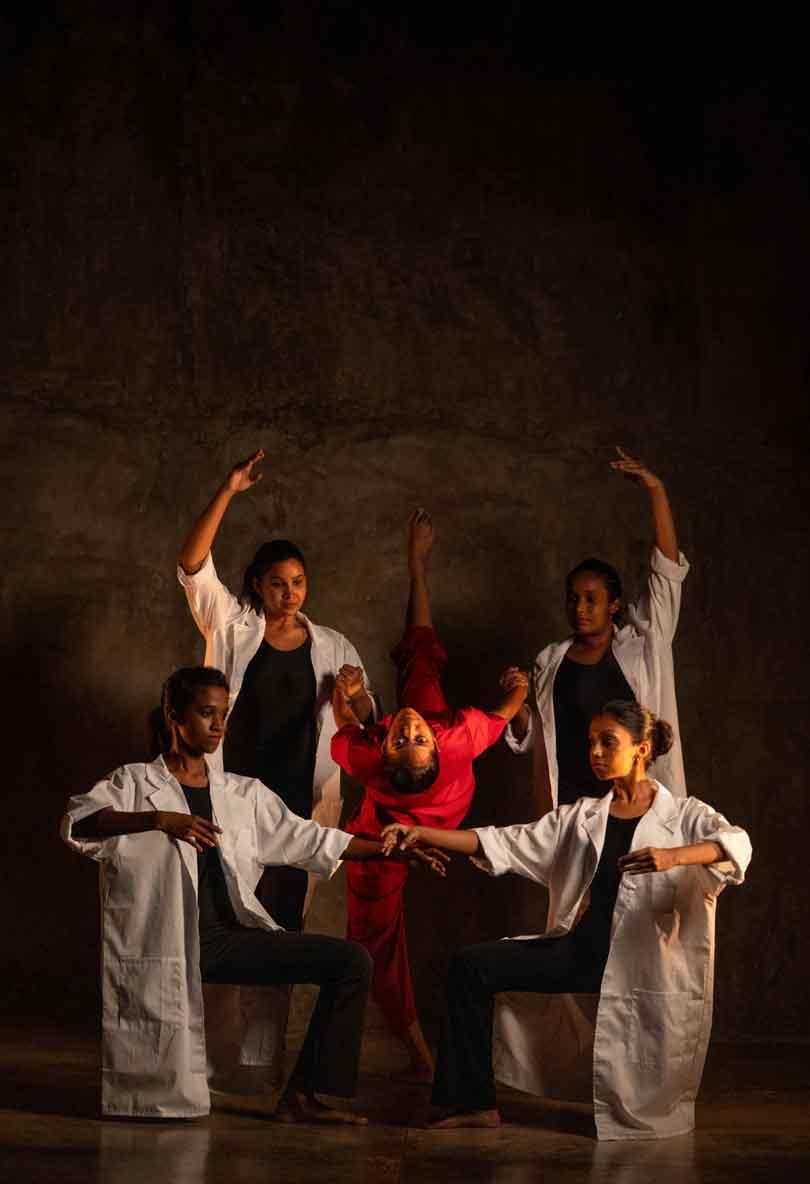
Sri Lankan dance was never conceived merely as spectacle. Long before its movements were adapted to the proscenium stage, dance existed as an intricate language of ritual, spirituality, storytelling and communal healing. Within the island’s low-country traditions, the Daha Ata Sanniya remains among the most compelling expressions of this relationship, employing masked performance, percussion, dramatic characterization and eighteen personified afflictions to negotiate the boundaries between illness, belief and the supernatural. The dancer, in this context, is more than a performer; the body becomes an instrument through which suffering is interpreted and healing symbolically pursued. But what happens when the demons of an ancient healing ritual are confronted with the psychological realities of contemporary society? When supernatural afflictions become metaphors for loneliness, suspicion, violence and mental illness, does tradition lose its sacred vocabulary, or discover an entirely new theatrical relevance? These questions lie at the heart of Sanni, a contemporary dance-drama directed and choreographed by Jithendra Vidyapathy, presented by the Ravibandhu–Samanthi Dance Ensemble at the Lionel Wendt Theatre on 27 October 2026.
IN CONVERSATION WITH VIDYAPATHY AND MEMBERS OF THE CAST.
JITHENDRA VIDYAPATHY: DIRECTOR & CHOREOGRAPHER
Sanni draws inspiration from the traditional Daha Ata Sanniya ritual but places its narrative within a contemporary social setting. What made you revisit this particular tradition, and what did you discover in it that you felt today's audiences needed to confront?
When I was preparing to create a dance-drama for my master’s thesis production at Binghamton University, I wanted to present Sri Lankan cultural elements to an American audience. Therefore, I chose the story of our low-country dance ritual, Daha Ata Sanniya, and adapted it to address a contemporary social issue. The ancient story centres on King Sankapala and Queen Asupala. Rather than focusing on the king’s story, I adapted it to explore contemporary family problems. Even the ancient story reflects many of the same problems we face in society today. I changed the characters, but the problems remain the same. It is not merely another fairy tale; it is a reflection of our society.
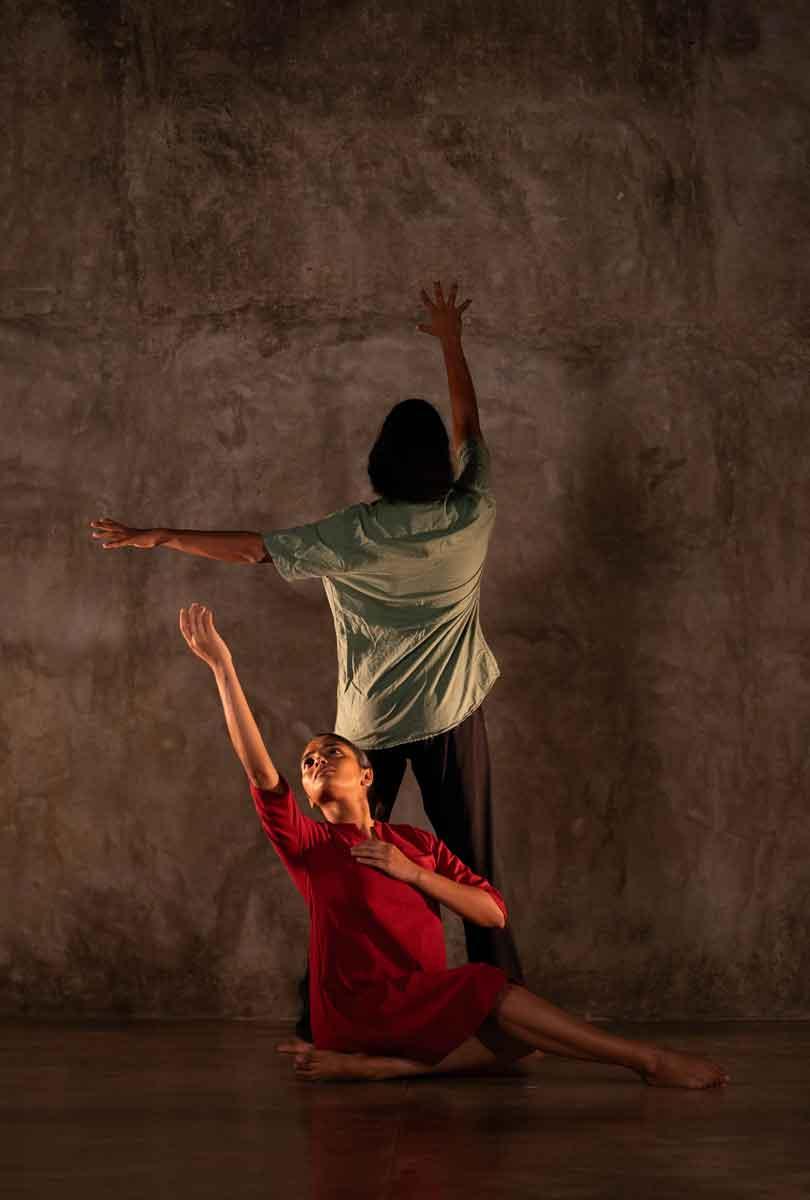
The production explores loneliness, desire, suspicion, violence and, ultimately, suffering. Beyond its traditional origins, what are you trying to say about the darker aspects of human relationships and the consequences of emotions left unchecked?
In this story, I explore the experiences of a woman suffering from symptoms of antenatal or prenatal depression while her husband is away on duty for several months. She remains alone at home, experiencing emotional distress caused by prolonged loneliness.
Situations like this exist in contemporary society. People experience different mental health issues, yet these struggles are often left unspoken. I wanted to explore the reasons behind such suffering. In the past, people attributed these conditions to the work of demons, but I believe that evil can also exist within our minds and that we create it through our thoughts.
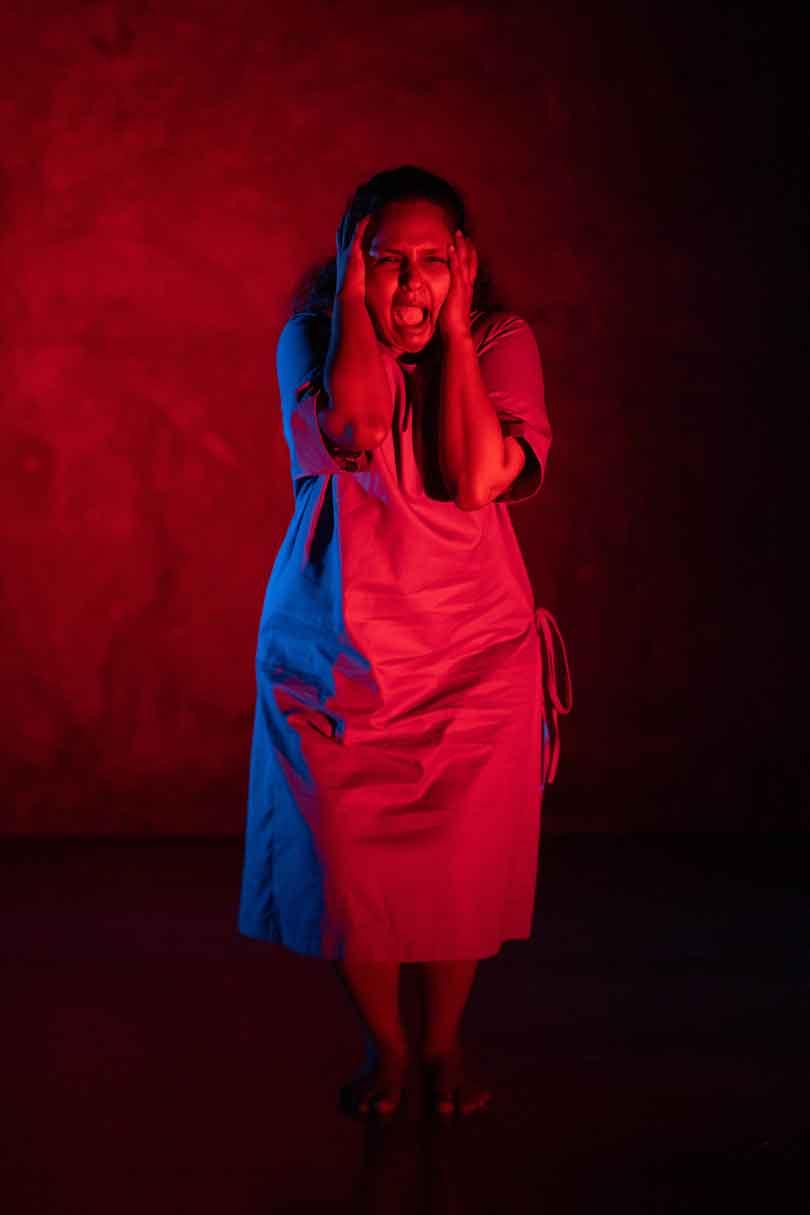
The second act moves into a hospital, where the demons of the traditional ritual are reimagined through patients experiencing physical and psychological illnesses. What inspired this transition, and are you suggesting that the demons we once feared have taken different forms in modern society?
Yes. Even in the Daha Ata Sanniya ritual, the demons represent diseases. In modern society, we still encounter many of the same illnesses represented in the ritual. In the past, people performed rituals in an attempt to cure them, whereas today, we seek treatment in hospitals. However, the illnesses themselves remain the same.
You have incorporated contemporary dance, Afro-Caribbean and African movement influences alongside Kandyan and low-country traditions. How did you ensure that these different movement languages complemented one another without compromising the cultural identity of the original ritual?
Dance has no barriers, even though we categorise it into different genres, such as Kandyan, African, Indian and Afro-Caribbean dance. All movement originates from the body; the only difference lies in the styles we use to express our feelings. In this production, we explore human emotions, which have no fixed shape. I tried to express those feelings in the best way possible, using different dance styles to convey different moods and emotions. When we restrict ourselves to a particular cultural identity, we may fail to understand the mood or feeling behind a movement. We need to think beyond those boundaries and recognise the emotions expressed through movement, whether it comes from Kandyan, African or any other dance tradition.
The performance concludes with a symbolic healing ritual that extends its blessings to the audience. Is this intended as an expression of faith, a theatrical metaphor for collective healing, or an invitation for audiences to question their own beliefs?
I performed the same production in the United States as part of my master’s thesis. I included a ritual because I wanted American audiences to understand that Sri Lanka has a rich cultural heritage that includes traditional healing rituals. These rituals continue to exist in contemporary society, and some people believe they can cure certain mental illnesses. There are also accounts of people who believe they have been healed through such practices. I think the same approach applies to Sri Lankan audiences. Younger generations may not be familiar with many of our cultural traditions, so I wanted to introduce these aspects of our heritage through this production.
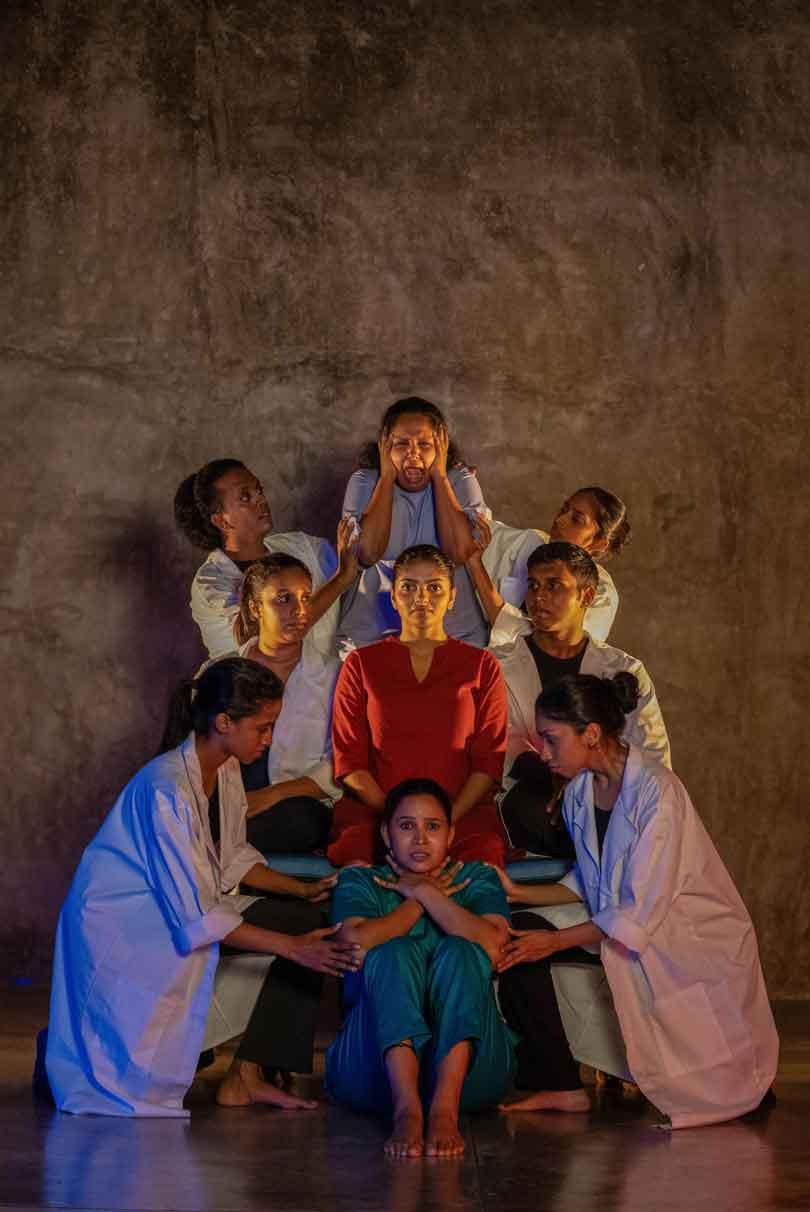
If someone walks into the Lionel Wendt expecting a conventional Sri Lankan dance performance, what do you hope unsettles, surprises or stays with them long after Sanni ends?
I personally believe audiences should have an understanding of the kind of performance they are about to experience. This is not purely a traditional dance performance. It is a dance-drama that tells a story through movement while incorporating elements of Sri Lankan dance. To fully understand the story, spectators must interpret the movements and try to grasp what each one communicates. This performance has been created not only for entertainment but also to share knowledge about family problems, emotions, illnesses, mental health and both traditional and modern Sri Lankan culture.
CAST MEMBER
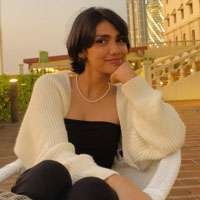
ANARKALI DE SILVA
Sanni deals with intense emotions, from love and longing to jealousy, grief and psychological distress. What has been the most emotionally demanding aspect of bringing this production to life?
I think the most emotionally demanding aspect has been learning to truly understand and experience my character’s emotions rather than simply portraying them on stage. My character experiences so much, from love and vulnerability to suspicion, betrayal and, ultimately, unimaginable tragedy. As a performer, I have had to put myself in her position and understand the emotions behind every action, even when they are difficult to process. Some scenes are particularly challenging because they require me to tap into feelings that are incredibly heavy and intense. However, I believe that is what makes this production so powerful. It has taught me that dance is not just about movement or technique but also about allowing yourself to be emotionally vulnerable enough to tell a story that people can genuinely feel.
Dance often requires performers to communicate feelings without relying on spoken dialogue. How do you translate something as complex as loneliness, betrayal or fear into movement while ensuring the audience understands the emotional journey?
I initially found this quite challenging. I was taught that movement alone does not always communicate a story clearly to an audience. Over time, I learned to approach each scene by putting myself in the character’s shoes and genuinely imagining how I would react if I were experiencing those situations in real life. Rather than simply performing the movements, I try to experience the character’s emotions and respond to them as authentically as possible. This allows me to communicate the emotional depth of the character through my movements and expressions, hopefully making the experience more relatable and meaningful for the audience.
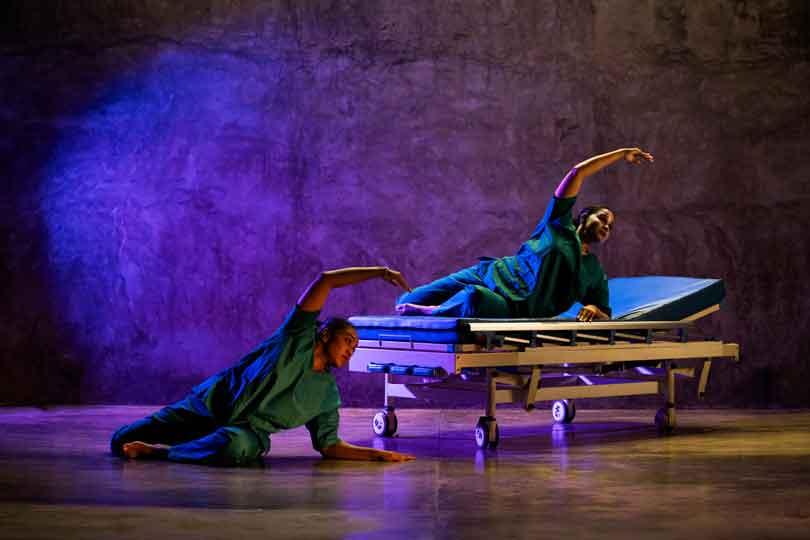
Beyond the visual spectacle of the performance, what do you hope audiences understand about the human experiences and struggles represented in Sanni?
I hope audiences understand that experiencing difficult emotions and going through challenging phases in life is nothing to be ashamed of or something that must always be hidden. Human suffering is part of our experience and acknowledging it is an important step towards healing. I also hope the production encourages audiences to look beyond the surface and appreciate the cultural and healing significance of the traditional Daha Ata Sanniya ritual and its eighteen Sanniya healing traditions. While these practices may be viewed differently by different people today, they hold deep cultural and historical significance. Through Sanni, I hope audiences become more open to exploring these traditions, understanding their place in our heritage and reflecting on the different ways in which we approach suffering and healing.
CAST MEMBER
BHAVANI VISHMITHA CHANDRARTHNA
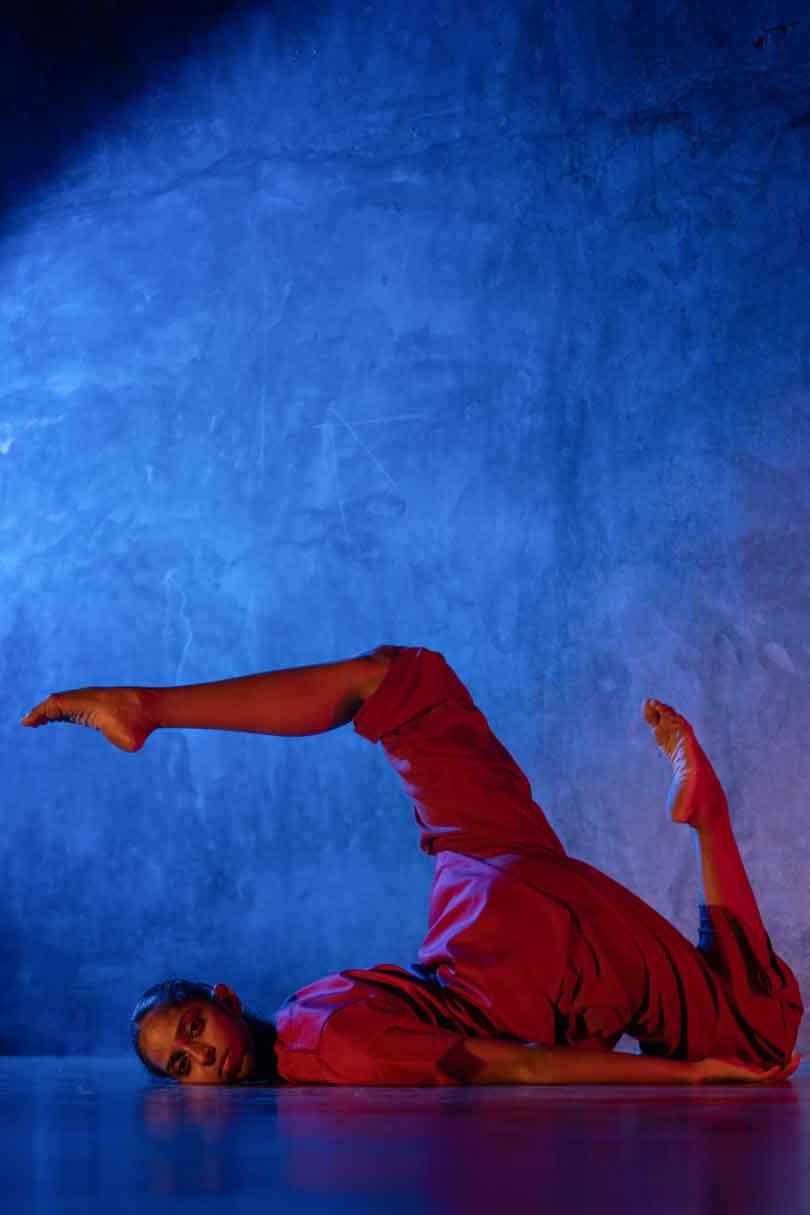
Sri Lankan traditional dance carries strong cultural expectations, particularly regarding technique and presentation. Did this production give you the freedom to experiment in ways you might not have experienced in more conventional performances?
Yes, definitely. Traditional dance comes with a strong foundation of technique, discipline and cultural meaning, which I deeply respect. However, Sanni allowed me to explore movement beyond what I was traditionally familiar with. It challenged me to think about how movement can communicate emotions, fear and vulnerability rather than focusing solely on technique or presentation. For me, it was an opportunity to respect tradition while discovering new ways of expressing myself through it.
There is often a perception that traditional dance belongs primarily to cultural ceremonies or formal performances. Do you think productions like Sanni can change how younger Sri Lankan audiences engage with their own performing arts heritage?
Absolutely. I think younger generations sometimes feel disconnected from traditional dance because they associate it mainly with ceremonies, rituals or formal occasions. Productions like Sanni create opportunities to experience these traditions in a different way. They show that traditional dance is not something that belongs only to the past. It can evolve, raise questions and speak to issues that are still relevant today. I hope it encourages younger audiences to become curious about their heritage and see it as something that is alive and continues to grow.
What has been the most unexpected or challenging moment during rehearsals, and was there a particular scene that required you to push beyond your physical or emotional comfort zone?
One of the biggest challenges was learning to approach movement from a different perspective. As dancers, we often become accustomed to certain techniques and ways of presenting ourselves, so being asked to move differently can feel unfamiliar. There were moments when I had to let go of the need to make a movement look perfect and instead focus on what it communicated. That was challenging because it required me to be vulnerable and trust the process. It taught me that movement does not always have to be beautiful in the conventional sense to be powerful or meaningful.
===========================
Photo Credit: Kenula Pathirathne