CHILDREN ARE NOT FAILING TO BE ADULTS
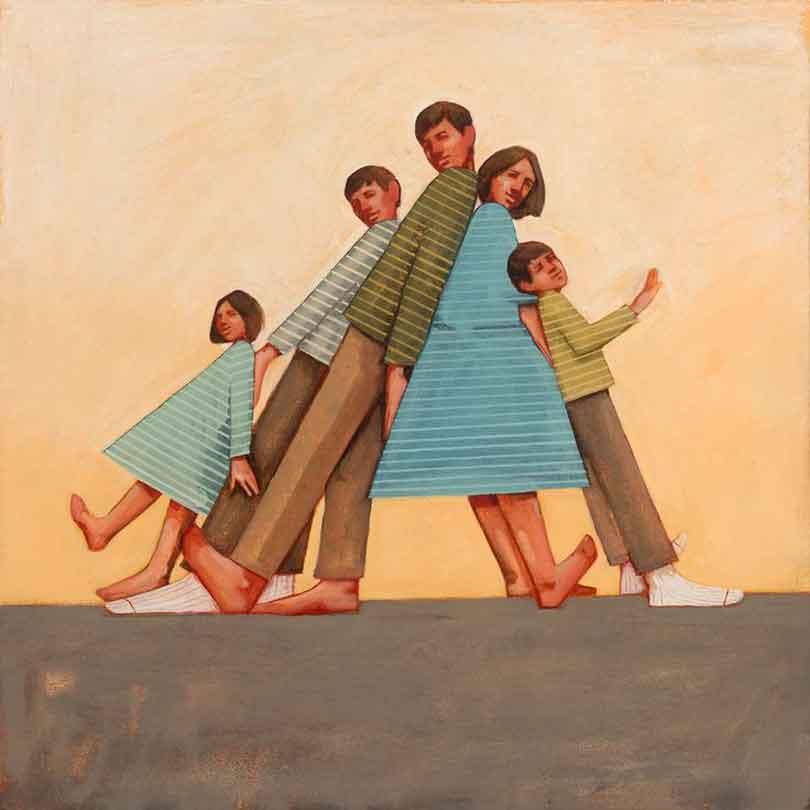
We are often in such a hurry to make children into adults that we forget what childhood is for. We ask them to be resilient when they have been hurt, responsible when the adults around them are struggling, grateful for the opportunities we give them, and certain about futures they have barely begun to imagine. We send them to school and expect them to navigate friendships, authority, failure and cruelty. We ask them to understand marriages they did not create, carry histories they did not live, and sometimes become the answer to wounds that existed long before they were born. And then, when a child begins to struggle beneath all of this, we wonder why they are not coping better. But perhaps the question is wrong. We like to imagine that school makes the world larger. For some children, it does. For others, it is where the world first becomes frightening.
The First Place We Send Them
There is a particular loneliness in being bullied at school because there is nowhere to hide from the person you are expected to become. The child who is mocked for their body must return to the same classroom. The child whose accent is imitated must raise their hand in the same room. The child who has been pushed, threatened or excluded must walk past the same faces the following morning. There is no luxury of simply leaving the office, blocking a number or deciding never to see someone again. Childhood is lived in relatively small worlds, and when one of those worlds becomes hostile, it can feel as though there is nowhere else to go. We sometimes speak about bullying as if cruelty were an inevitable rite of passage, something every child must learn to endure before becoming resilient. But a child should not have to be wounded in order to prove that they can heal.
Children can be cruel. This deserves to be said plainly. Being young does not make deliberate cruelty harmless. A child who humiliates another child, excludes them, threatens them or repeatedly makes them afraid should be held accountable. Protecting children does not mean excusing their behavior simply because they are children. They must learn that their actions have consequences and that another person's dignity is not theirs to destroy. But accountability is not the same as abandonment. We also need to ask what children are learning about power before they enter the schoolyard. They watch adults. They watch who gets listened to and who gets mocked. They notice how we speak about poor people, people with disabilities, people who look different, people whose English is imperfect, people whose clothes are old, people whose families have less money. They absorb our hierarchies long before they have the language to describe them. And then there are the teachers. For many of us, there is a teacher whose name has survived decades because they saw something in us that we had not yet learned to see. But there are also children who remember school through the humiliation of an adult who was supposed to protect them. The teacher who called them stupid. The teacher who laughed at a wrong answer. The teacher who compared them publicly with another child. The teacher who decided that they were troublesome and thereafter interpreted everything they did as proof.
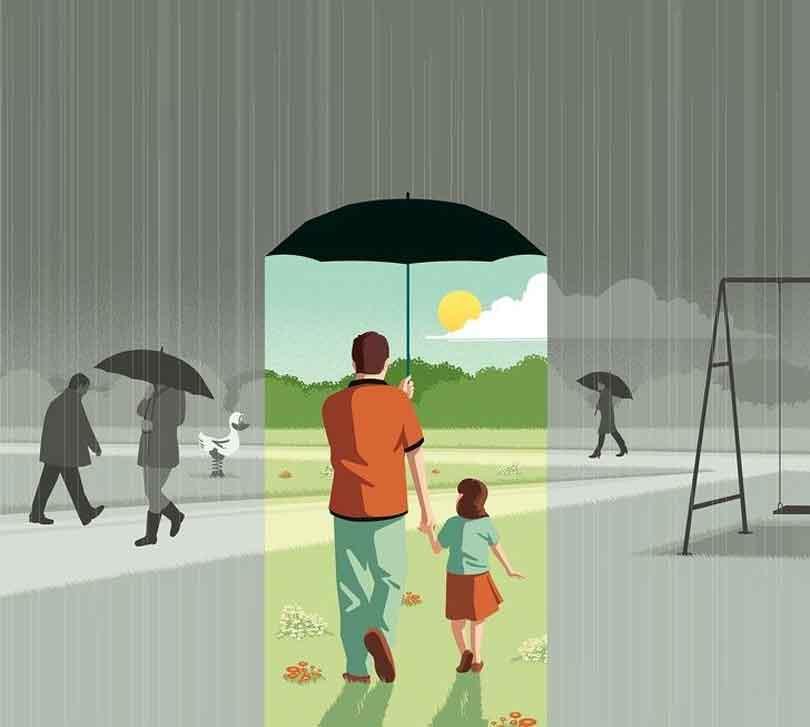
Education cannot be built on fear and called successful because the classroom is quiet. A child should be able to say, “Someone is hurting me,” and know that an adult will listen. School is the first major institution we hand our children to. It should teach them more than how to pass examinations. It should teach them that the world contains difference without requiring cruelty, authority without humiliation and disagreement without violence. If the first world we give them teaches them that they are unwanted, we should not be surprised when they begin to believe it.
Children Are Not for Saving Marriages
The family is supposed to be the place to which a child can return when the rest of the world becomes difficult. Yet children are often placed in the middle of the most difficult adult relationships in their lives. “Stay together for the children.” The sentence is familiar enough to have become almost unquestioned. Sometimes parents do make difficult decisions to remain together because they believe stability matters for their children. But a child should never become the glue holding together a relationship between two adults. Children know when something is wrong. They know when conversations have become cold. They know when dinner is unusually quiet. They know when one parent sleeps in another room. They know when affection has become a performance. They know when an argument is being postponed until they leave the room. And because children tend to believe that adults are the people who control the world, they can also believe that they are somehow responsible for keeping that world intact. They become unusually good. They stop asking for things. They try to make everyone happy. They carry messages between parents. They become the listener when one parent is lonely. They learn when not to speak. We often praise these children for being mature. Sometimes we are simply praising a child for having learned to disappear when adults are unhappy.
Children are not marriage counsellors. They should not be asked to choose sides, keep secrets, deliver messages, repair arguments or perform happiness so that a family can appear whole. Nor should divorce automatically be treated as the failure of a family. Sometimes the healthier thing for a child is for two adults to stop pretending that an unhappy relationship is a happy home. What children need is not necessarily a particular family structure. They need safety, consistency, affection and adults who can take responsibility for their own decisions. A child should not spend their childhood believing that their existence is the reason two people remain together. That is a burden no child should have to carry.
Children Are Not Your Inner Child
There is a beautiful impulse in wanting to give our children what we never had. The birthday we never celebrated. The school trip we could not afford. The books we did not own. The lessons we were never allowed to take. The freedom our own parents could not give us. But there is a dangerous distance between giving a child more than we had and asking that child to repair what we did not receive.
Your child is not your inner child. If you were never allowed to dance, your daughter does not have to become a dancer. If your parents pushed you towards medicine, your son does not owe you a white coat. If you grew up poor, your child does not have to become wealthy enough to prove that your suffering was worthwhile. If you were neglected, your child cannot be responsible for giving you the unconditional love you missed. We sometimes look at children and see the possibility of correcting our own history. We give them experiences we wanted and, without realising it, begin expecting them to appreciate those experiences in precisely the way we would have. But the child may not want what we wanted. That is the difficult part.
A child can receive every opportunity you wished you had and still choose something entirely different. They can reject the dream you carefully built for them. They can have a personality that feels foreign to you. They can become quieter, stranger, more ambitious, less ambitious, more sensitive, more rebellious or simply different. They are allowed to. Parenthood is not an opportunity to go back in time. We cannot repair our childhood by manufacturing another one. And children should never have to carry the responsibility of healing the adults who raised them.
Baby Fever Is Not Motherhood
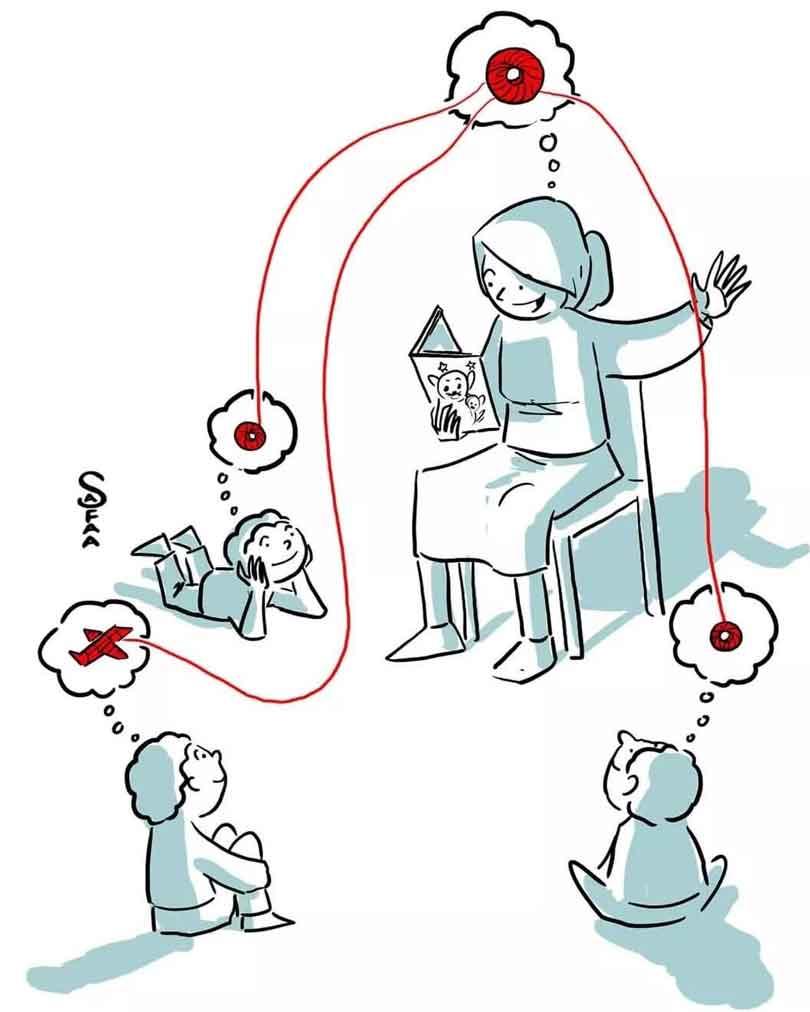
There is also a difference between wanting a baby and wanting to raise a person. We live in a culture that has made babies extraordinarily easy to romanticise. Tiny clothes. Tiny shoes. Baby photographs. Gender reveals. Nurseries. Baby showers. The soft language of motherhood that fills social media with images of an idealised domestic life. But babies do not remain babies. The newborn becomes the toddler who says no. The toddler becomes the child with opinions. The child becomes the teenager who asks for privacy. The teenager becomes the young adult who may choose a life you would never have chosen. Baby fever is not motherhood. Wanting to hold a baby is not the same thing as wanting to spend twenty years caring for a person whose needs, personality and ambitions will continually change. Motherhood is not an aesthetic. Fatherhood is not an identity accessory. A child is not a lifestyle. There is nothing wrong with wanting children. There is enormous beauty in parenthood. But we should be honest about what we are choosing when we choose it.
Let Them Become Themselves
Perhaps, after all our arguments about education, discipline, parenting and childhood, this is the part we find most difficult. A child is not ours to design. We can teach them right from wrong. We can tell them when they have been cruel. We can insist that they apologise. We can establish boundaries. We can protect them from danger. We can refuse to excuse bad behaviour simply because they are young. Children need all of these things. But they also need room. Room to fail an examination without believing they are a failure. Room to change their minds. Room to discover that the career their parents imagined is not the career they want. Room to be awkward, curious, loud, quiet, artistic, scientific, athletic, sensitive, ordinary. Room to become someone their parents did not predict.
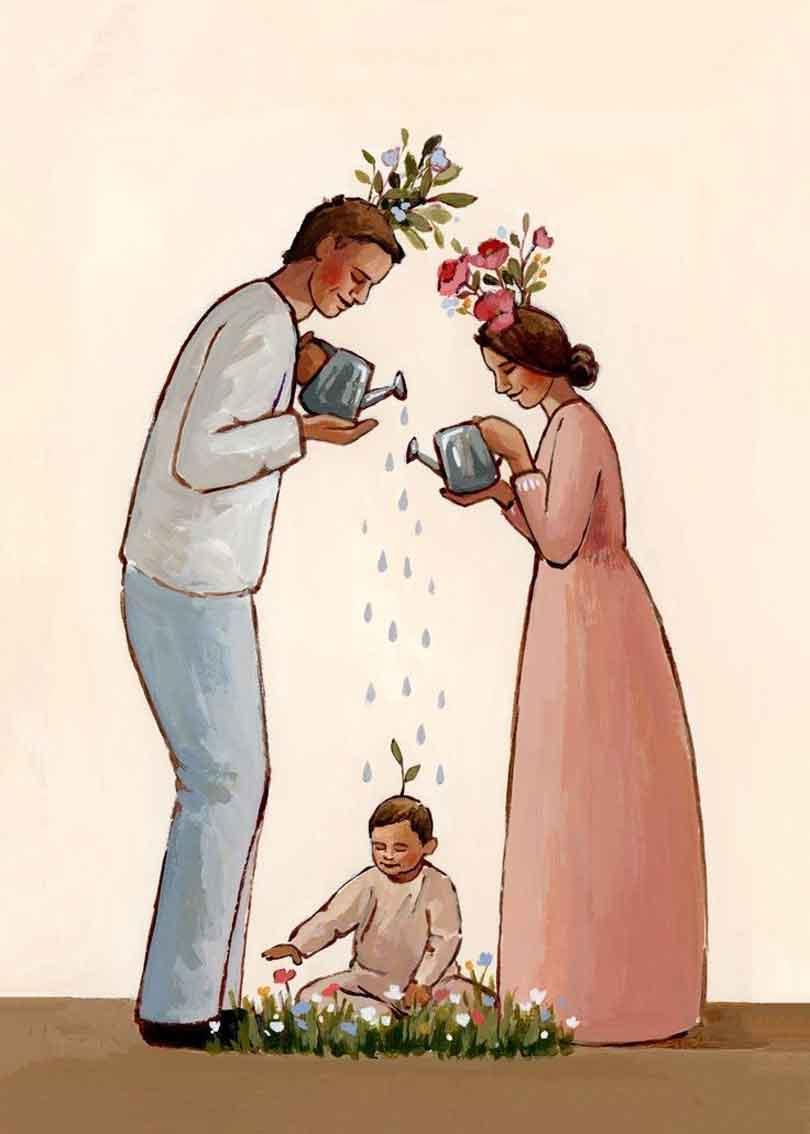
This does not mean raising children without expectations. It means understanding that expectations should not become ownership. And perhaps our responsibility is not to hurry them through all of this because adulthood is easier for us to recognise. It is to keep them safe while they are becoming. Safe at home. Safe at school. Safe from bullying. Safe from humiliation. Safe from violence. Safe from being turned into the mediator of an unhappy marriage. Safe from becoming the unfinished business of their parents' childhoods. Safe from being treated as a cure for loneliness. Safe, finally, from the idea that their lives exist to complete somebody else's. One day, if we have done this properly, they will become adults we cannot control.
They will have opinions we disagree with. They will make decisions we would not make. They will choose people we do not know. They may live somewhere far away. They may become artists when we imagined doctors, teachers when we imagined lawyers, or something for which we have no name at all. And we will have to let them. Because the point of raising a child was never to create a perfect reflection of ourselves. It was to protect a person long enough for them to discover who they are. They are the present we have been entrusted with. I write this as someone who is childless, single, and has no immediate experience of parenthood to draw upon. But I was a child once. And I was, without question, a child who sometimes wished things had been different. And perhaps that is enough to ask that we let children remain children. Because they are not failing to be adults. They are succeeding at being children.