LEADERSHIP NEXT 2026: WHERE THE FUTURE TAKES SHAPE
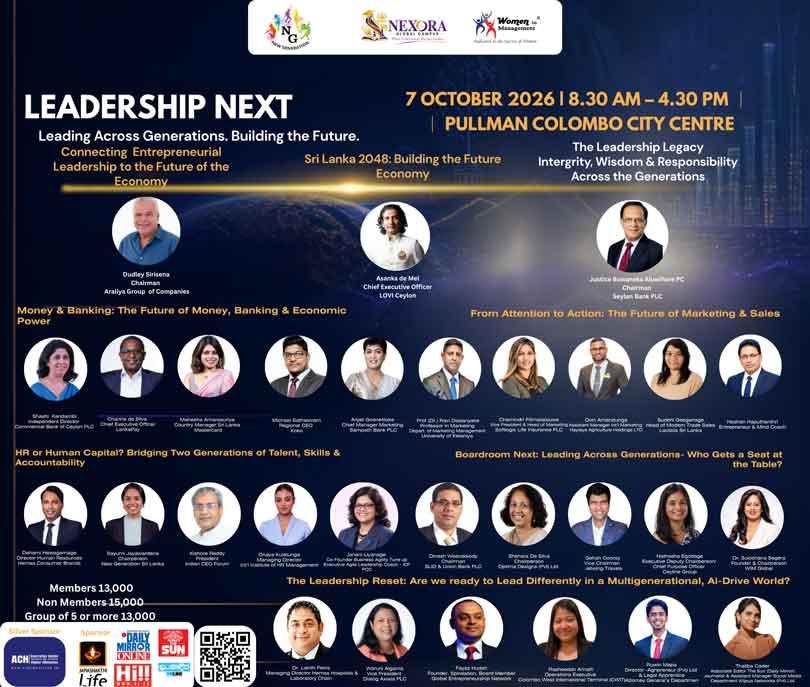
The future of leadership has no generation.
What will leadership look like when today’s young people enter the workplace? It is a question with no simple answer, partly because the future of leadership may not belong to one generation at all. As technology transforms the way people work, artificial intelligence becomes part of everyday professional life and workplaces bring together people with vastly different experiences, expectations and ideas, a new conversation about leadership is beginning to take shape in Sri Lanka. That conversation will take centre stage at Leadership Next 2026, presented by Women in Management, WIM, in collaboration with New Generation Sri Lanka on the 7th of October at Pullman Colombo City Centre. Held under the theme “The Future of Leadership Has No Generation,” the full day programme will bring together more than 30 speakers representing different generations, industries and professional backgrounds. Together, they will explore a question that is becoming increasingly important for businesses, professionals and young people alike: what does it mean to lead in a world that is changing faster than ever before?
The programme is built around three central ideas: Bridging Generations, Harnessing Technology and Building Future Skills. At the heart of these ideas is a simple but important question. What happens when experience and new thinking are given equal space at the same table? For young people, the answer matters more than it may initially seem. The workplace they eventually enter may look very different from the one their parents or grandparents knew. Artificial intelligence is already changing jobs and industries. Technology is transforming how businesses communicate, make decisions and serve customers. At the same time, younger generations are entering professional life with different expectations about careers, flexibility, purpose, wellbeing and workplace culture. Yet while technology may change dramatically, leadership remains deeply human.
Leadership Next 2026 aims to bring those two realities together by creating a space where established leaders can share the knowledge and experience, they have gained over decades, while emerging professionals contribute new perspectives, questions and ideas. Dr. Sulochana Segera, Founder and Chairperson of Women in Management, said the initiative was created around the belief that no single generation can build the future alone. “Leadership Next is not about one generation replacing another. It is about creating the space for every generation to contribute, learn and lead,” she said.
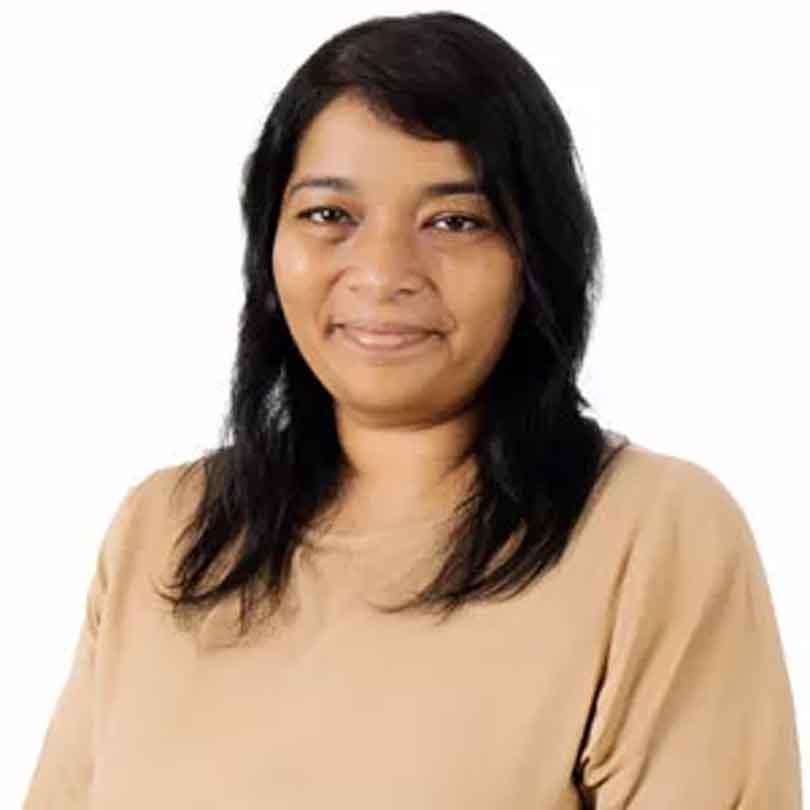
Sudehi
That idea will shape the programme throughout the day. Rather than focusing only on conventional leadership theories, Leadership Next will examine the realities already transforming workplaces and industries. Alongside keynote addresses, panel discussions and a fireside conversation, participants will explore subjects including human capital, artificial intelligence, finance, marketing and sales, entrepreneurship, workplace culture and changing employee expectations. The discussions will also consider questions that are becoming increasingly relevant to organisations.
Should businesses continue to view their people primarily through the traditional lens of human resources, or should they think more broadly about human capital and the long-term value people bring to an organisation? How will digital and traditional financial systems work alongside each other? How are technology, consumer expectations and generational differences changing the ways companies communicate, market and sell? These questions do not affect only today’s chief executives and senior managers. The answers will help shape the working lives of the young people who will become tomorrow’s employees, entrepreneurs, innovators and leaders.
Sudehi Geeganage, Executive Committee Honorary Secretary of Women in Management, said understanding perspectives beyond one’s own generation has become increasingly important in a changing workplace. “The workplace is no longer defined by one generation, one leadership style or one way of working,” she said.
That reality can be seen in workplaces where several generations may now work together. Each can bring different experiences and perspectives. An experienced professional may carry decades of industry knowledge, while a younger colleague may approach technology, communication or problem solving in a completely different way. The challenge for future leaders will not simply be deciding which approach is better. It will be learning how to bring different strengths together.
Leadership Next 2026 will also feature the Leadership Next Experience Hub, an interactive space designed to take participants beyond the conventional conference setting. The hub will explore themes including entrepreneurship, respectful workplaces, child safeguarding and the evolving workplace, allowing participants to engage with practical issues alongside the broader conversations taking place throughout the day. The involvement of younger professionals is particularly important to the programme. New Generation Sri Lanka, a youth led professional organisation, joins WIM in creating a platform where emerging leaders are not simply members of the audience but active participants in conversations about the future.

Sayumi
Sayumi Jayawardena, Chairperson of New Generation Sri Lanka, said young professionals should have a role in shaping the future they will eventually inherit. “The future is already being shaped by a generation that thinks differently about technology, careers, leadership and impact,” she said. “Young professionals should not simply be invited to the future; they should have a voice in shaping it.” That voice may become increasingly important as the meaning of a career itself continues to evolve.
Previous generations often entered professional life expecting relatively predictable career paths. The future may be less straightforward. Young people entering tomorrow’s workforce could move between industries, learn entirely new skills several times during their careers and work alongside technologies that are still being developed today. Artificial intelligence is perhaps the clearest example. For a generation growing up alongside smartphones, social media and artificial intelligence, technology is not simply a workplace tool. It is part of everyday life. But knowing how to use technology is not the same as knowing how to lead. Future leaders may need to understand what technology can do while also recognising what should remain human. They will need to make decisions in environments where information moves quickly, learn continuously and communicate with people whose experiences may be very different from their own. They may also need to become comfortable with not having every answer.
Among the speakers at Leadership Next 2026 will be senior business leaders, entrepreneurs, human capital professionals, technology and industry experts, young leaders and emerging professionals. Bringing these voices together reflects the central idea behind the event: leadership can be strengthened when generations learn from one another rather than operating separately. Experience has value. So does curiosity. Institutional knowledge matters, but so does the willingness to question familiar ways of doing things. The future may require both. For young readers, this is where the conversation about leadership becomes particularly relevant. Leadership does not suddenly begin when someone receives a senior job title, becomes a manager or walks into a boardroom. It can begin much earlier. Leadership can happen in a classroom when someone listens to an idea different from their own. It can happen on a sports field when a player encourages a teammate after a mistake. It can happen in a school club when someone takes responsibility for a task that has gone wrong. It can happen at home, among friends or within a community. Sometimes leadership means speaking. Sometimes it means listening. It can mean admitting a mistake, helping someone who is struggling, asking a difficult question or having the confidence to say that there may be another way of solving a problem. Those qualities will remain important regardless of how sophisticated technology becomes.
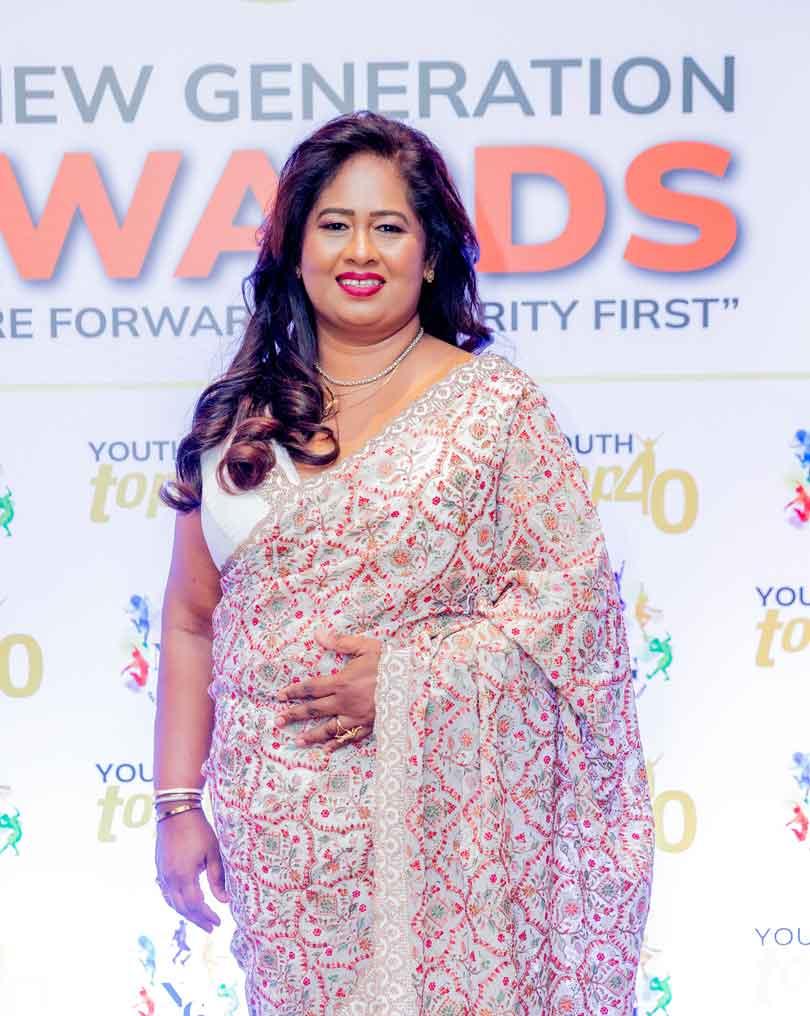
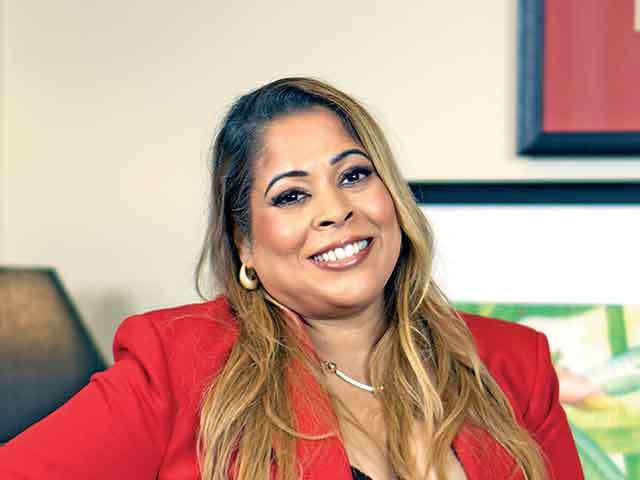
Dr. Sulochana Segera
The workplace of the future may be filled with tools that previous generations could scarcely have imagined. Artificial intelligence may complete tasks in seconds that once required hours. New professions may emerge while familiar roles change. People may work across countries, cultures, generations and digital environments with increasing ease. But organisations will still need people who can communicate, make responsible decisions, build trust, understand different perspectives and bring others together around a shared purpose. Leadership Next 2026 brings generations together to consider what those future leaders will need and, equally importantly, what today’s leaders can learn from them in return. The conversation is therefore not simply about preparing young people for an existing workplace. It is also about recognising that young people will help reshape that workplace. With more than 30 speakers, eight key themes and one shared vision, the message behind Leadership Next 2026 is clear. The future does not have to be built generation by generation, with one group waiting for another to step aside. It can be built together.
Leadership Next 2026 will take place on the 7th of October 2026 from 8.30 a.m. to 4.30 p.m. at Pullman Colombo City Centre, under the theme “The Future of Leadership Has No Generation: Bridging Generations. Harnessing Technology. Building Future Skills.”