The Ballet School of Colombo Presents Devi, The Golden Voyage
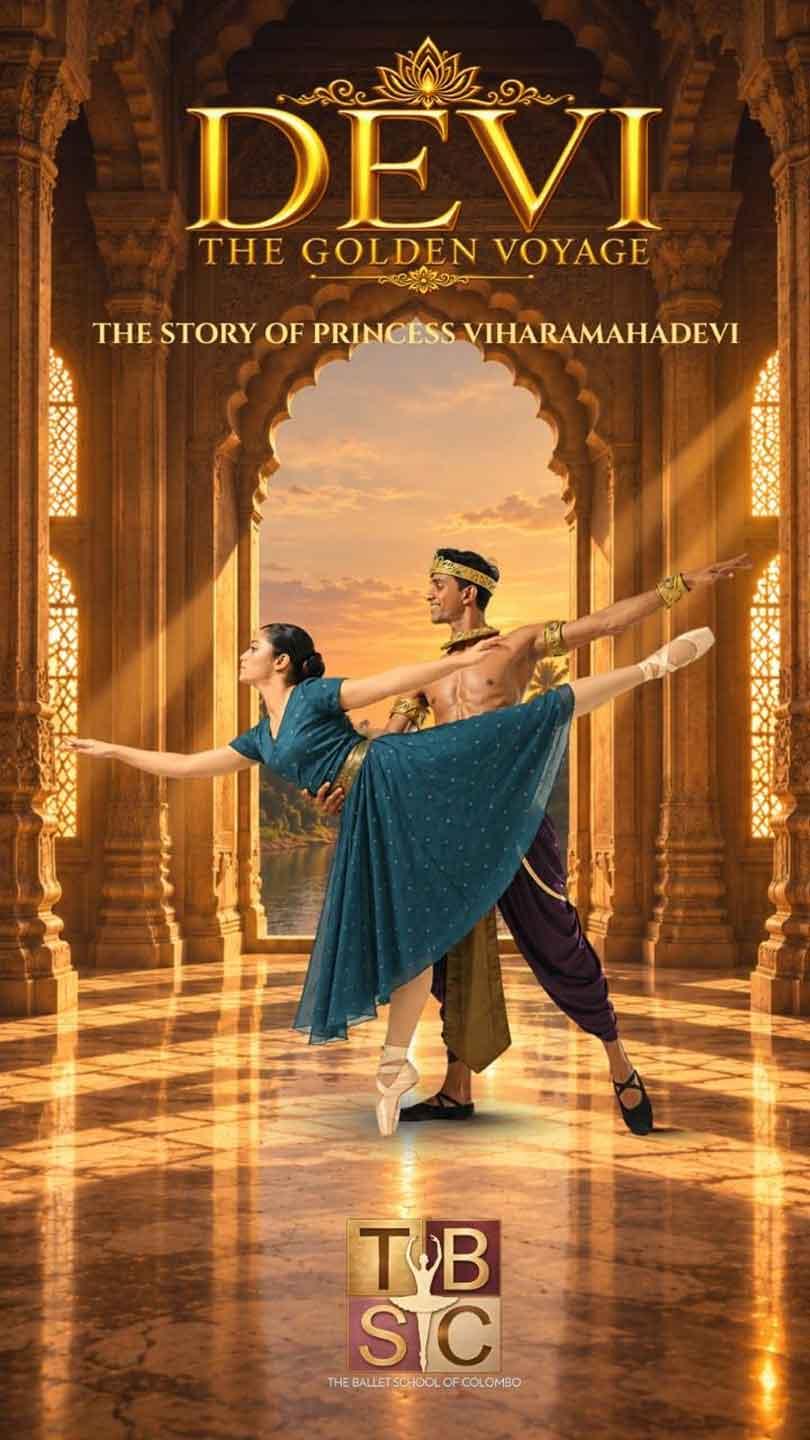
For the first time, The Ballet School of Colombo is preparing to bring the story of Queen Viharamaha Devi to the stage through a full-length classical ballet, combining original choreography, Sri Lankan dancers and an original musical score created specifically for the production.
Titled Devi, The Golden Voyage, the production comes at a significant moment for The Ballet School of Colombo as it marks ten years this year. It is also an opportunity for the school to create something that feels truly its own.
Classical ballet has long brought productions such as Swan Lake and The Nutcracker to stages around the world. This time, a story rooted in Sri Lankan history will be interpreted through the technique, movement and artistry of classical ballet.
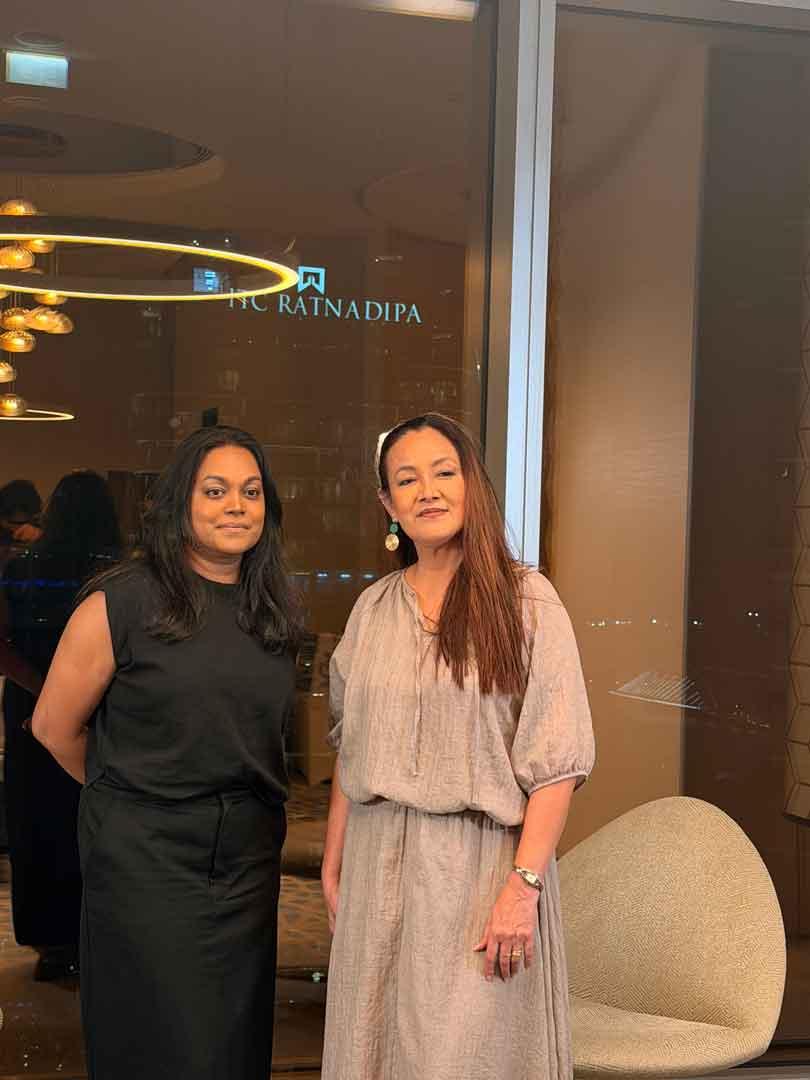
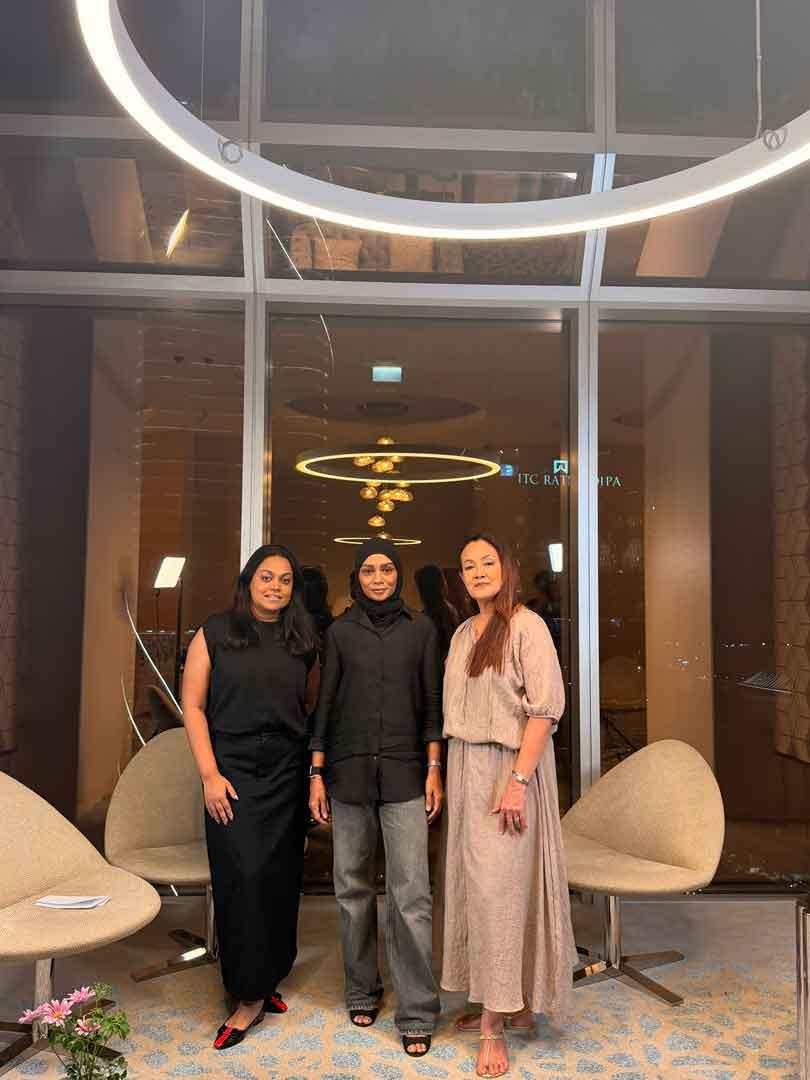
I thought this would be the ideal moment to speak to the two founders of The Ballet School of Colombo, Romina Gyi and Tara Cooke, to gain an insight into this unique production, but also to understand what lies behind the grace we see on stage.
Because ballet is much more than dance.
Our conversation opened up an interesting perspective on ballet as both an art form and a highly physical discipline, and what years of training can build in the young and old alike, not only in strength, flexibility, balance and coordination, but also in discipline, focus, resilience and mental wellbeing.
In many ways, a ballet dancer trains like an athlete, but performs like an artist.
A dancer needs strength, flexibility, stamina, balance, coordination and an extraordinary amount of control. Yet unlike many forms of physical performance, the effort cannot become the performance.
However difficult the movement, the dancer has to make it look effortless.
Behind the grace of a jump, a turn or a perfectly controlled landing are hours of repetition and physical conditioning. But when the curtain rises, the audience should see the music, emotion and story rather than the physical strain required to produce them.
And perhaps that is what makes ballet particularly fascinating from a wellness perspective. It develops the body, but at the same time, it continuously challenges the mind.
Building strength from the beginning
That physical development begins much earlier and much more simply than we might imagine.
Romina and Tara explained how even something as playful as asking a young child to perform “bunny hops” has a purpose. The child begins to understand how to keep the feet together, how to jump and, importantly, how to control the body when coming back down.
What looks like play is already teaching control. As students’ progress, those foundations develop into greater demands on strength, flexibility, coordination, balance and stamina. At the more senior levels, specific strength training is incorporated to target different muscle groups and prepare the body for increasingly complex movements.
The interesting distinction, however, is that physical ability alone does not necessarily create a compelling ballet dancer. Two dancers may have similar technical ability and strength, but the performer who can communicate emotion, connect with the audience and tell a story through movement brings another dimension to the performance.
That is where athleticism meets artistry. The body must be physically capable of performing the movement, but the dancer must then make the audience feel something through it.
What ballet builds beyond the body
The mental development behind ballet was equally interesting. Classical ballet is highly technical and structured. Students can spend considerable time repeating the fundamentals and trying to perfect movements that may initially feel unnatural.
There will inevitably be days when a particular step simply does not work. There are moments of frustration, tiredness and repetition. But there is usually something ahead to work towards, whether it is an examination, a performance or simply progressing to the next level.
That gives the student a reason to return to the studio and try again. Romina and Tara spoke about the resilience that comes from watching someone perform something beautifully, aspiring to reach that level and understanding that you may not be there yet.
The answer is not to give up. It is to continue practising. It is a simple lesson, but one that extends far beyond ballet. Focus is another important part of the process. Ballet demands attention. The student has to listen to instruction, understand the music, remember sequences and remain aware of what different parts of the body are doing simultaneously.
Over time, that structured environment can help develop concentration, discipline and commitment alongside physical ability. For Romina and Tara, many of these qualities go back to their own years of learning under Aunty Oosha, whose influence continues to shape the philosophy of the school.
One principle in particular has remained with them: the show must go on.
Regardless of what was happening around them, the work continued. That mindset has carried into how they have approached The Ballet School of Colombo over the past decade. Through changing circumstances, they have continued to hold classes, maintain routines for their students and create a space where children can return to dance.
It is also a philosophy that teaches something important about consistency. You will not always feel perfect. Circumstances will not always be ideal. But when you have committed yourself to something, you learn how to keep moving towards it.
Ballet beyond childhood
What was equally refreshing was hearing that ballet does not necessarily belong only to children or those pursuing performance. Adults come to The Ballet School of Colombo for very different reasons. For some, it is simply a form of exercise they enjoy because movement is accompanied by music. For others, walking into a ballet studio as an adult fulfils something they had wanted to do since childhood but never had the opportunity to pursue.
This gives ballet another dimension within wellness. Movement does not always have to be centered around a conventional gym environment. Different disciplines can challenge strength, coordination, mobility, balance and concentration in very different ways.
Ballet combines all of these while adding music and artistic expression. The goal, as Romina and Tara explained, is ultimately broader than simply teaching steps. The discipline, resilience, concentration and physical development involved can contribute towards building a more holistic individual.
Ten years of building dancers
As The Ballet School of Colombo reaches its tenth year, both founders measure its progress not simply by the number of performances staged, but by the development they have witnessed in their students.
There is particular satisfaction in watching someone arrive unable to coordinate their arms and legs confidently and, over time, develop into a dancer capable of performing on stage.
The school has also worked towards giving students opportunities beyond performances. Through its affiliation with an Australian examination body, students are able to work towards recognized qualifications while following an internationally guided curriculum.
Students have participated in international competitions, allowing them to see where they stand beyond their own environment and giving them greater exposure to the standards
outside Sri Lanka. Teachers, too, have attended industry events overseas as part of the school's effort to continue learning and keep its teaching relevant.
The fundamentals of classical ballet may remain, but how those fundamentals are taught must continue to evolve.
And perhaps Devi, The Golden Voyage represents the next stage of that evolution.
A Sri Lankan story through classical ballet
What makes this production particularly interesting is that The Ballet School of Colombo is not simply restaging another familiar international ballet. It is creating something rooted here.
Devi, The Golden Voyage will bring the story of Queen Viharamaha Devi to life through a full-length classical ballet performed by Sri Lankan students, with local choreography and an original musical score composed specifically for the production.
The music will remain orchestral, preserving the nature of classical ballet, while incorporating Sri Lankan instruments where appropriate. Creatively, Romina and Tara acknowledge that bringing a Sri Lankan historical story into a Western classical discipline has required careful thought.
They are conscious of remaining within the framework of classical ballet rather than attempting to replicate Kandyan dance or other traditional Sri Lankan dance forms in which they are not trained. That respect for the distinction between the disciplines is important.
The objective is not to make classical ballet imitate Sri Lankan traditional dance, but to explore how a Sri Lankan story can be told authentically through the artistic language they know.
The students themselves are playing a role in that process. They have been researching the characters they will portray and thinking about who these individuals were, or might have been, and how they can bring those personalities to life through movement.
It adds another layer to what the audience will eventually see on stage. Because by the time the curtain rises, the difficult part should almost disappear. The audience will see the costumes, music, movement, characters and story. What they may not see are the hours spent developing strength, repeating steps, correcting landings, improving coordination, researching characters and returning to the studio when something did not work the first, tenth or perhaps hundredth time.
That is the fascinating contradiction at the heart of ballet.
The stronger and more technically capable the dancer becomes, the more effortless the performance is expected to appear.
After ten years of building dancers, developing technique and creating opportunities for students, The Ballet School of Colombo is now preparing to take that discipline and artistry into something distinctly its own.
And perhaps that is what makes Devi, The Golden Voyage particularly worth experiencing. It brings together athleticism and artistry, a Western classical discipline and a Sri Lankan historical story, and a generation of young dancers being given an opportunity to perform something created here, for this stage.
The show must go on. This time, with a story that is truly ours.
Performance Details
Devi, The Golden Voyage
Presented by The Ballet School of Colombo
12th to 15th November 2026
7.30 p.m. onwards
Bishop's College Auditorium