WHEN FAME MEETS ACCOUNTABILITY: THE RUSSELL BRAND CASE AND HOLLYWOOD’S CULTURE OF SILENCE.
By: Thinugi Hemachandra
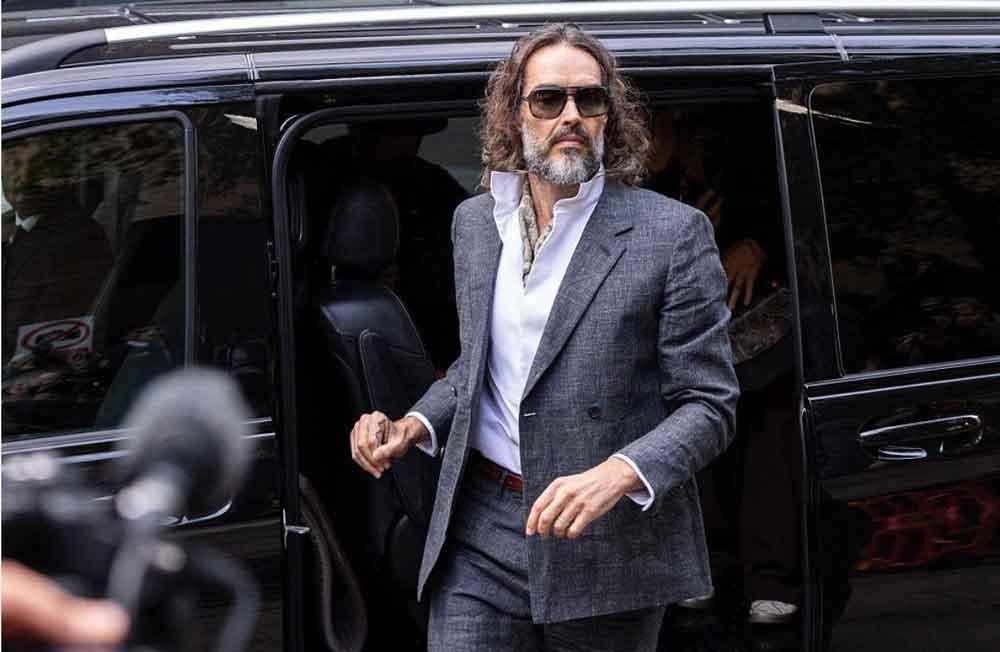
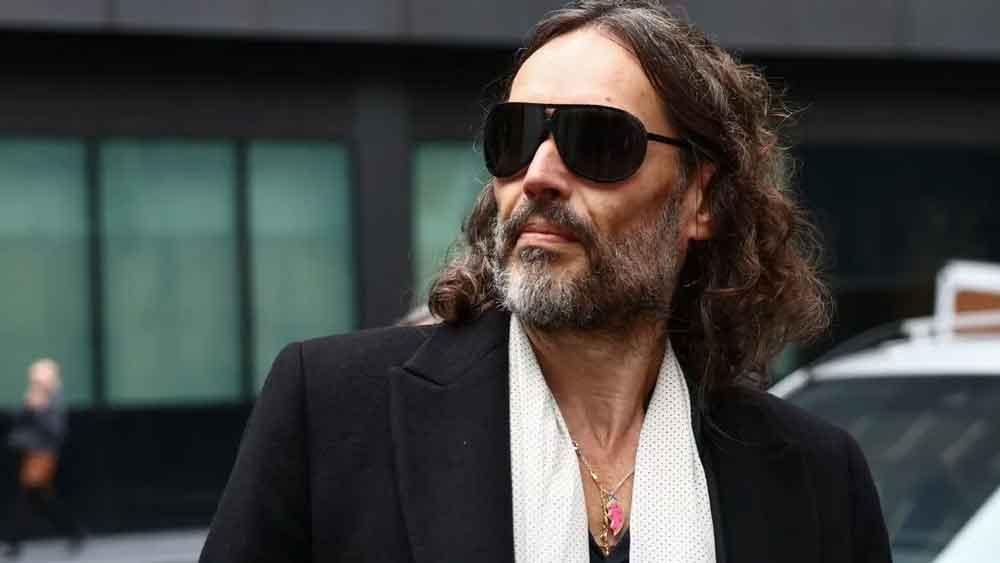
For decades, fame has carried an extraordinary degree of influence, often placing public figures in positions where their actions receive intense attention, but their power is not always adequately questioned. The entertainment industry, in particular, has long struggled with the complicated relationship between celebrity status, public image and accountability. The conviction of British comedian and actor Russell Brand has brought these questions back into international focus, exposing the importance of examining not only individual conduct but also the environments in which powerful personalities operate. Once known for his provocative humour, television appearances and Hollywood performances, Brand's transformation from celebrated entertainer to convicted offender represents a significant moment in the ongoing discussion about power and responsibility in the entertainment industry.
From international fame to the courtroom
Brand first gained widespread recognition through British television and radio before establishing an international acting career. His appearances in films such as Forgetting Sarah Marshall and Get Him to the Greek, alongside his highly publicized marriage to American singer Katy Perry, helped establish his position in popular entertainment. However, his public image changed considerably following the publication of allegations of sexual misconduct in 2023 by The Sunday Times, The Times and Channel 4's Dispatches. Following a Metropolitan Police investigation, Brand was charged in April 2025. He denied the allegations and maintained that his sexual relationships had been consensual. In November 2026, following a four-week trial at Southwark Crown Court, a jury found him guilty of four offences relating to four women. His conviction marked a significant development in a case that had attracted international attention.
The power imbalance behind the headlines
Beyond the courtroom proceedings, the case has raised broader questions about the relationship between celebrity influence and accountability. In an industry where reputation, professional connections and public popularity can determine the trajectory of a career, challenging an established personality may carry significant professional and personal consequences. On the 8th of November, British Culture Secretary Lisa Nandy acknowledged that sexual abuse remained a problem within the media and entertainment industries. She also highlighted the difficulties women can face when speaking out against people in positions of influence, particularly when doing so could affect their careers. The case has therefore prompted renewed discussion about the responsibility of production companies, broadcasters, management agencies and other industry institutions to establish environments in which misconduct can be reported and investigated without fear of professional retaliation.

The Role of investigative journalism
An important part of the story lies in the role played by investigative journalism. The 2023 investigation by Channel 4's Dispatches, alongside reporting by The Times and The Sunday Times, brought allegations against Brand into wider public attention. The subsequent police investigation involved more than 100 witnesses, hundreds of witness statements and extensive documentary evidence. According to the Metropolitan Police, investigators examined historical material and accounts from individuals who had not necessarily known one another. The case demonstrates the importance of independent journalism in examining allegations involving influential public figures. It also highlights the distinction between reporting allegations and establishing criminal responsibility: ultimately, that responsibility rests with the legal process and the evidence presented in court.
An Industry wide Responsibility
Although the conviction concerns one individual, the questions it raises extend beyond a single career. The entertainment industry has repeatedly faced scrutiny over the ways in which professional hierarchies, celebrity influence and commercial interests can complicate efforts to address misconduct. The issue is not simply whether prominent individuals should be held accountable for their actions, but whether the institutions surrounding them are prepared to respond appropriately when concerns emerge. Production companies, broadcasters and talent agencies have a responsibility to establish transparent reporting procedures, take complaints seriously and ensure that professional opportunities are not dependent on remaining silent. Accountability, therefore, cannot begin and end in a courtroom. It must also be reflected in the everyday practices of the institutions that shape the entertainment industry.
When Spotlight turns towards Accountability
Russell Brand's conviction and subsequent prison sentence have marked a significant development in a case that has challenged the relationship between celebrity, influence and public accountability. His story also raises a question that extends far beyond the entertainment industry: should public recognition ever afford an individual a different standard of accountability? Fame can create opportunities, influence public opinion and open doors that remain inaccessible to others. However, it cannot place an individual beyond the reach of the law. As the entertainment industry continues to confront questions about its institutional responsibilities, the lasting significance of this case may lie not only in the conviction itself, but in whether it encourages meaningful changes in how misconduct is addressed.

The Responsibility of the Media
The case also raises important questions about the responsibility of the media in shaping public conversations around abuse and accountability. For years, celebrity culture has often placed public figures on pedestals, allowing their influence and popularity to overshadow uncomfortable questions about their behaviour. However, the role of journalism should never be to protect reputations at the expense of the truth.
Investigative reporting, when conducted responsibly, can give a platform to people who might otherwise feel unable to speak out and encourage institutions to examine their own failures. At the same time, journalists must approach cases involving sexual offences with accuracy, sensitivity and fairness, distinguishing established facts from allegations and respecting the privacy of those affected. The Brand case demonstrates why a free and independent press remains essential: not to deliver public verdicts, but to ensure that powerful individuals and institutions are not beyond scrutiny.
A Legacy That Goes Beyond Fame
Ultimately, Russell Brand’s conviction represents more than the downfall of a once-celebrated entertainer. It has become part of a wider conversation about power, influence and the consequences of misconduct in industries where fame can offer extraordinary protection. His sentence does not erase the experiences of the women involved, nor does it resolve every question about the culture that allowed concerns to emerge publicly only years after the alleged offences. What it does demonstrate is that public recognition cannot place anyone above the law. The entertainment industry now faces a responsibility to move beyond statements of support and introduce meaningful safeguards, transparent reporting procedures and environments in which people can raise concerns without fearing professional consequences. Fame may create a platform, but it should never provide immunity. Perhaps the most significant legacy of this case will not be the end of one celebrity’s career, but whether it encourages a lasting change in how power is questioned, accountability is pursued and the voices of those affected are heard. Ultimately, the true measure of progress is not how quickly society forgets a scandal, but how seriously it responds to the lessons it leaves behind. The case serves as a reminder that accountability must extend beyond the courtroom, challenging industries, institutions and individuals to question the cultures that allow misconduct to go unchallenged. As the conversation surrounding power and responsibility continues, one principle must remain at its center: “Justice should never be measured by how powerful a person is, but by whether the truth is allowed to prevail.”