DAVID WALLIAMS FACES SERIOUS SEXUAL MISCONDUCT ALLEGATIONS FOLLOWING THREE-YEAR INVESTIGATION.
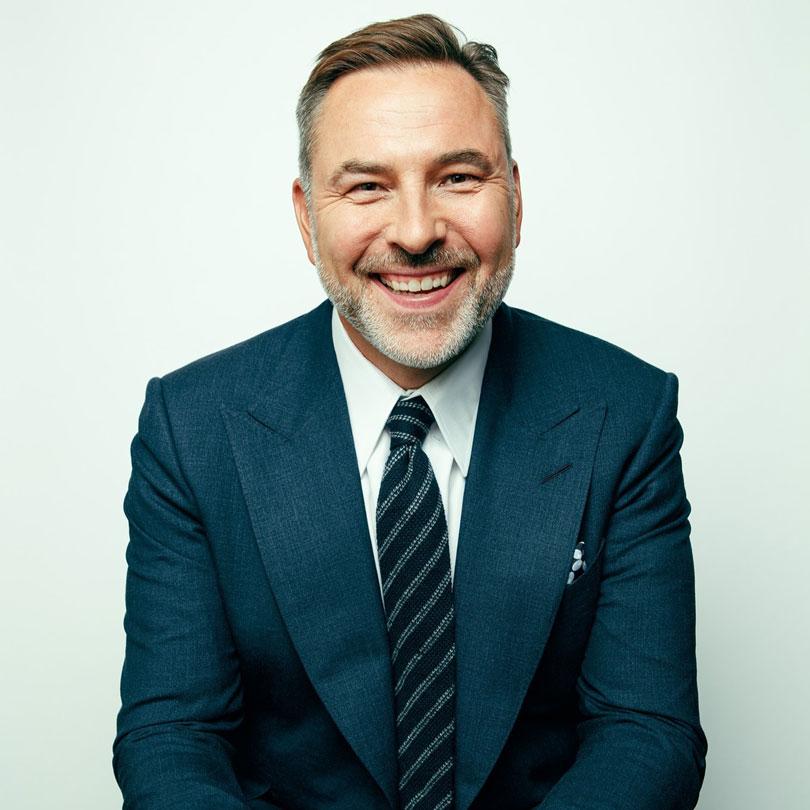
David Walliams, one of Britain's most recognisable comedians, television personalities and bestselling children's authors, is facing serious allegations of sexual misconduct following a major investigation by ITV News and The Guardian, UK. The investigation, published on Tuesday, 10th of November 2026, contains allegations from multiple women who claim Walliams used his celebrity status and professional influence to pursue sexual relationships with teenage girls and young women. Among the most serious claims are allegations involving two women who say they first encountered Walliams when they were just 15 years old. Both have accused him of grooming, while one has described an alleged encounter as sexual assault. Walliams, 55, strongly denies the allegations, including any suggestion of criminal wrongdoing or abuse of his position. The revelations follow an extraordinary High Court battle in which the former Britain's Got Talent judge unsuccessfully attempted to prevent the investigation from being published.
THREE-YEAR INVESTIGATION UNCOVERS ALLEGATIONS
The joint investigation by ITV News and The Guardian reportedly took more than three years to complete and involved accounts from approximately 30 sources with first-hand knowledge of Walliams' alleged conduct. Journalists examined emails, social media messages, contemporary records and testimony from women who say they experienced inappropriate behaviour. The allegations stretch back to 2003, during the period when Walliams was becoming a household name through the BBC comedy series Little Britain. According to the investigation, several women claim Walliams approached them when they were teenagers or young adults, using his celebrity status to establish contact and develop personal relationships. Some alleged encounters reportedly began through social media, while others involved professional settings connected to television and publishing. The investigation raises questions about the power imbalance between famous entertainers and young admirers, particularly when those involved are minors or hoping to establish careers in the entertainment industry.
ALLEGATIONS INVOLVING TEENAGE GIRLS
One of the central accounts comes from a woman identified by ITV News under the pseudonym Jade. She alleges that Walliams contacted her through MySpace in 2007 after she commented on one of his photographs. Jade was 15 at the time, while Walliams was 36. According to her account, the unexpected attention from a famous television star initially made her feel special. She has since described his alleged behaviour towards her as grooming. She also alleges that an encounter with Walliams when she was 15 amounted to sexual assault. Another woman, also aged 15 when she first encountered Walliams, claims she met him at a Little Britain fan event. She alleges that he subsequently maintained contact with her and that their relationship became sexual when she was 17. Both women, now in their thirties, say their experiences have continued to affect them many years later. Their accounts form part of a broader investigation into allegations that Walliams pursued teenage girls and young women over an extended period. These claims have not been established as criminal findings, and Walliams denies wrongdoing.
QUESTIONS SURROUNDING BRITAIN'S GOT TALENT
The allegations extend beyond Walliams' personal relationships and into his professional career. Walliams became a prominent fixture on Britain's Got Talent, serving as a judge alongside Simon Cowell, Amanda Holden and Alesha Dixon. His appearances on the popular ITV programme helped introduce him to millions of viewers and strengthened his reputation as a mainstream family entertainer. However, the investigation includes allegations of inappropriate behaviour and sexual harassment involving young women connected to the television industry. Some sources allege that Walliams used his position and influence to pursue women, raising questions about professional boundaries and the responsibilities of high-profile television personalities. ITV and the production companies behind Britain's Got Talent have stated that they were not aware of complaints concerning Walliams' alleged conduct. The distinction is important because the existence of allegations does not establish that employers or production teams knew about them. Nevertheless, the reporting is likely to intensify discussions about how television organisations protect junior employees and others who may feel unable to challenge influential public figures.
HARPERCOLLINS PUBLISHING RELATIONSHIP UNDER SCRUTINY
Walliams' publishing career has also come under renewed examination. The comedian became one of Britain's most commercially successful children's authors, producing numerous bestselling books and establishing a substantial readership among younger audiences. However, his professional relationship with publisher HarperCollins ended in December 2025. The company reportedly severed ties with Walliams following an internal investigation into inappropriate behaviour towards young female employees. The latest reporting alleges that Walliams had a sexual relationship with at least one junior employee and pursued another. These allegations have brought further attention to the relationship between powerful public figures and younger staff working within organisations that depend on their commercial success. HarperCollins has previously said it takes employee wellbeing extremely seriously and confirmed that it would no longer publish new titles by Walliams. Walliams denies allegations of sexual harassment and inappropriate workplace behaviour.
HIGH COURT BATTLE TO PREVENT PUBLICATION
Before the investigation became public, Walliams launched legal proceedings against Guardian News and Media and Independent Television News. He sought an injunction that would prevent the organisations from publishing their findings. The legal challenge attracted considerable attention because it centred on concerns about Walliams' mental health and the potential consequences of publication. During proceedings, the High Court heard evidence that Walliams had experienced serious psychiatric difficulties and had made two suicide attempts after journalists approached him about the allegations. His lawyers argued that publishing the investigation could place his life at serious risk. Mr Justice Nicklin accepted that the danger was genuine and grave, acknowledging the seriousness of Walliams' condition and the potential consequences for his family. However, the judge concluded that preventing publication would represent an exceptionally serious interference with freedom of expression. He also recognised the substantial public interest in allegations concerning the conduct of a prominent individual. The injunction application was dismissed on the 3rd of November. After Walliams' legal representatives confirmed that they would not appeal, the investigation was published on the 10th of November.
Crucially, the High Court did not determine whether any of the sexual misconduct allegations were true. Its decision concerned whether publication should be legally prevented, rather than whether Walliams had committed wrongdoing.\
DAVID WALLIAMS RESPONDS TO ALLEGATIONS
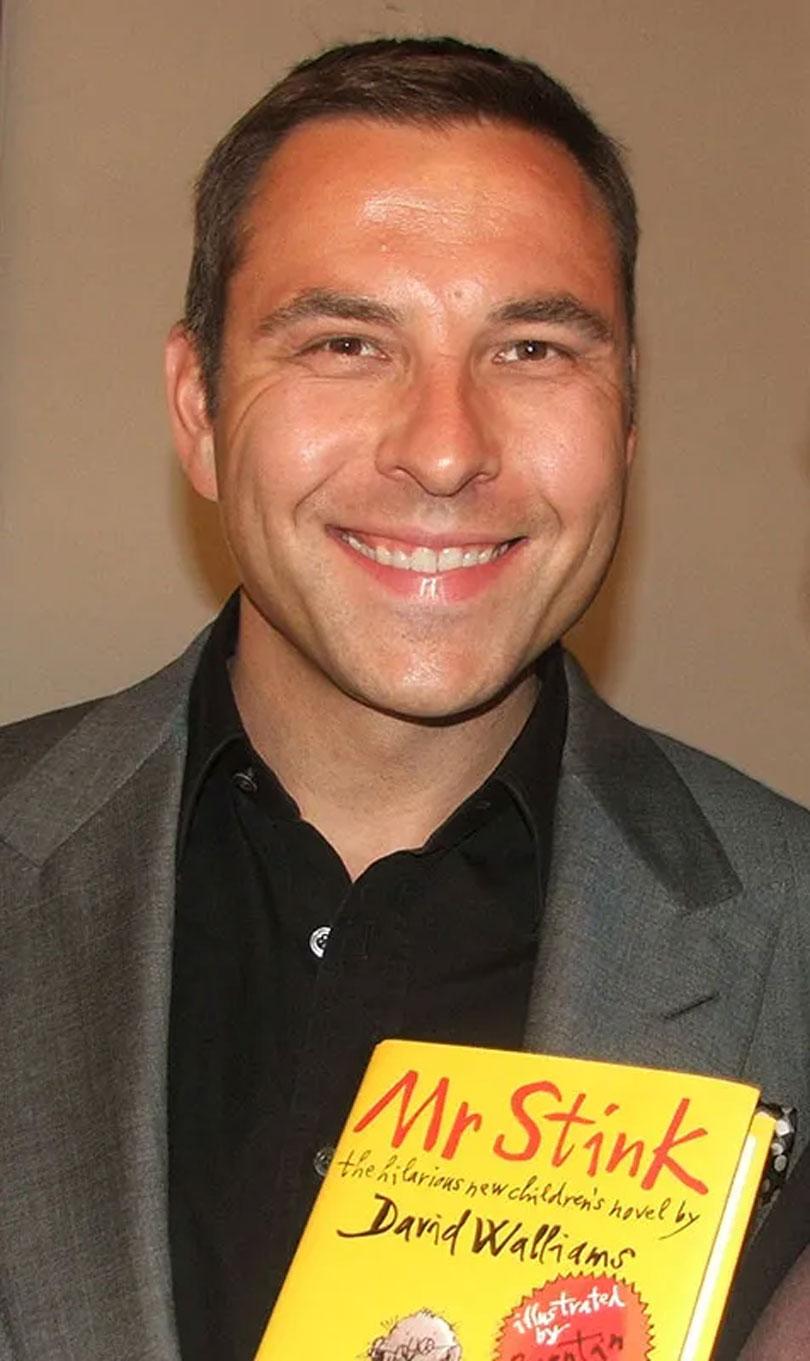
Walliams has issued a statement rejecting the accusations and denying that he exploited his celebrity status. He acknowledged that he had sometimes behaved thoughtlessly in previous casual relationships and expressed regret that some women felt hurt by their experiences. However, he drew a clear distinction between regrettable personal behaviour and deliberately abusing a position of influence. In his response to journalists, Walliams stated: "I am not a sexual predator. I have not broken the law." He also said that although relationships involving celebrities inevitably contain differences in power, he had never deliberately abused that imbalance. Walliams described himself as devastated that women he encountered between ten and twenty years ago had subsequently expressed anger or distress. His lawyers have separately denied the allegations concerning workplace misconduct and sexual harassment. The statement represents his clearest public response to the investigation, maintaining his denial of wrongdoing while acknowledging that some previous relationships may have caused emotional harm.
MENTAL HEALTH CONCERNS AND PUBLIC INTEREST
The legal proceedings have also brought Walliams' mental health into the public discussion. According to evidence presented to the High Court, he has been receiving inpatient psychiatric treatment following a period of serious psychological distress. The judge acknowledged the potential dangers associated with publication but concluded that existing medical intervention offered meaningful protection. The case has consequently raised difficult questions about the competing responsibilities of journalists, courts and healthcare professionals. On one side is the right of individuals to privacy and protection from serious harm. On the other is the public interest in investigating allegations of misconduct, particularly when they involve influential figures and potentially vulnerable people. The court's ruling emphasised that these competing interests must be considered carefully. It did not dismiss the seriousness of Walliams' mental health difficulties, nor did it establish the truth of the allegations against him.
A CAREER FACING RENEWED SCRUTINY
The controversy represents a significant moment for a performer whose career has spanned television comedy, entertainment programmes and children's literature. Walliams first achieved widespread recognition alongside Matt Lucas in Little Britain before becoming a familiar presence on Saturday night television. His successful transition into children's publishing further established him as a prominent figure in British popular culture. The latest investigation places that public image under intense scrutiny. ITV News has also released a documentary, David Walliams: Power and Silence, examining the allegations and the experiences described by women who participated in the investigation. The programme adds another dimension to a story that is likely to prompt wider discussion about celebrity influence, safeguarding and accountability. As the allegations receive national attention, important questions remain about what further developments may follow and how the entertainment and publishing industries will respond. For now, the central distinction remains essential.
Multiple women have made serious allegations against David Walliams, supported by investigative reporting and documentary evidence examined by journalists. Walliams denies those allegations, and the High Court's decision allowing publication does not establish his guilt. The story nevertheless marks a major development in the public scrutiny of one of Britain's best-known entertainment figures, with its wider consequences still unfolding.