THE DOWNFALL OF THE ROMANOVS
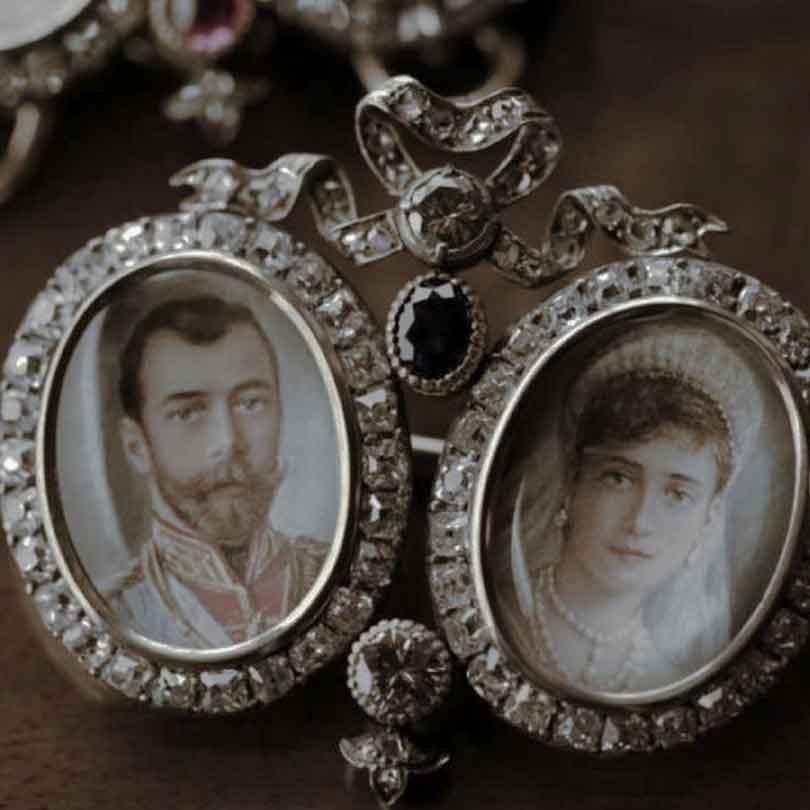
July 17th, 1918. The day when the family that once lived in Russia’s grandest palace, had the most extravagant celebrations, and wore the most magnificent jewels was led down to the basement and brutally executed. There was no trial, no farewell, and no opportunity to defend themselves from the inevitable. By sunrise, the dynasty that had ruled Russia for over three centuries had been brought to a bloody end. So how did a family that was once considered untouchable live out such a terrifying fate? The center of it all was an incompetent man who inherited one of the world’s most powerful empires but failed to prevent it from collapsing to the ground. Tsar Nicholas the second.
Nicholas, the Unqualified
On the 1st of November 1894, Nicholas the second became the emperor of Russia, following the death of his father Alexander the third, who died at just 49 years old. Nicholas was only 26, and though he did receive an education befitting a future monarch, he was widely considered to be inadequately prepared for the vast number of political responsibilities that soon had to be dealt with. His official coronation did not take place until 1896, which was one of Russia’s most magnificent ceremonies, in which its extravagance was the key element in showing the power and continuity of the Russian monarchy. Unfortunately, the ceremony was overshadowed by the Khodynka Tragedy, where a massive crowd crushed over 1000 people during public festivals, turning the coronation into a massive disaster. His family life, however, was filled with utmost devotion, which would later become central to their demise.
The Illness and The Mystical Doctor
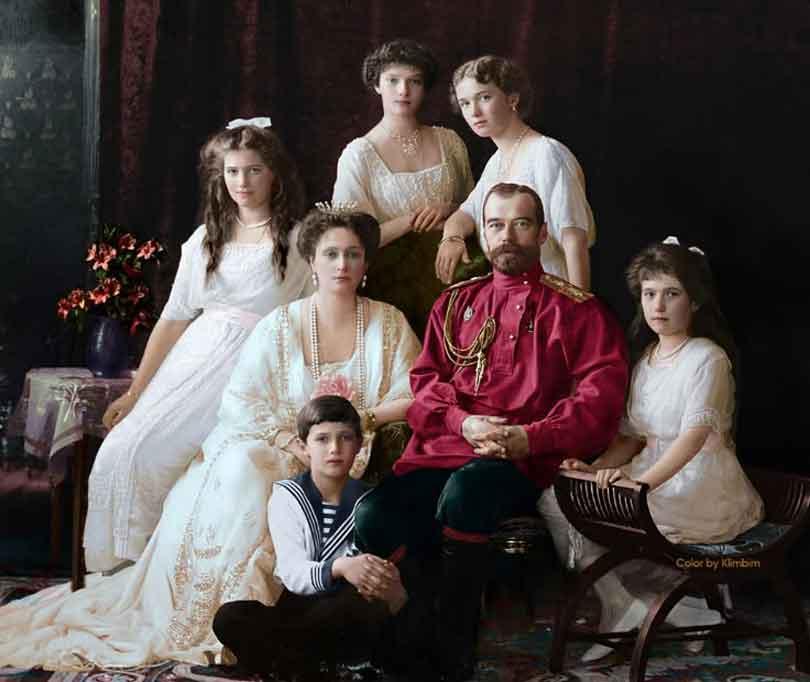
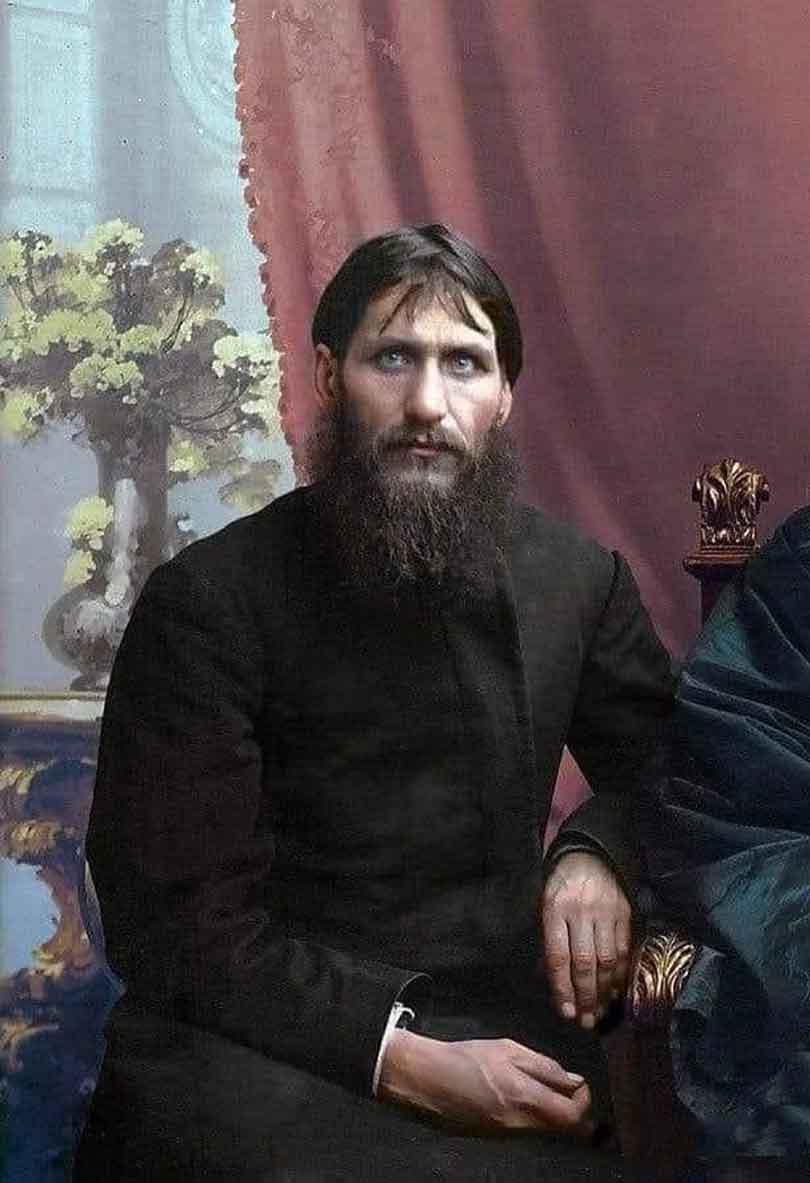
Nicholas married Alexandra, a German-born princess and granddaughter of Britain’s Queen Victoria, and together, they had five children. Olga, Tatiana, Maria, Anastasia, and their only son, Alexei, who, despite being the youngest, was the heir to the throne. Alexei, however, was born with hemophilia, a hereditary bleeding disorder that prevents the blood from clotting properly, making even minor injuries fatal. For a family whose entire political future depended on their male heir, Alexei’s illness became a recurring source of fear. Desperate to find help for her son, Alexandra turned to Grigori Rasputin, a religious mystic who appeared, at least on some occasions, to ease Alexei’s pain. With the Romanovs being extremely religious and Rasputin being the only holy man who could somewhat cure Alexei’s suffering, he was able to gain strong influence over the family, particularly Alexandra, who wholeheartedly believed that only he could protect her son. Alexandra and Rasputin’s closeness became a political liability. Her German origins and the suspicion that Rasputin had a hidden political agenda of his own did not sit well with the people of Russia, intensifying public suspicion about whether the imperial family was actually out of touch with the people they ruled.

The Beginning of The End
By the early twentieth century, the unrest in Russia grew to new heights. Industrial workers were forced to work in unbearable conditions, peasants struggled with poverty, and the demand for better political reform continued to grow. The 1905 revolution, which involved the killing of many peaceful protestors on what became known as ‘Bloody Sunday ', also exposed the widening gulf between the monarchy and the rest of Russia. Although Nicholas survived the crisis, his reputation did not. His government’s repression of opposition earned him a legacy of brutality and even the nickname “Nicholas the Bloody”. To make matters worse, the First World War came around in 1914. Soon, the state of Russia worsened as it entered a conflict that would devastate its economy entirely. Millions of soldiers lost their lives during the war, and troops were constantly short of weapons, ammunition, and other supplies necessary for battle. This resulted in many military defeats and soldiers deserting their comrades, further plunging army morale.
At home, inflation and food shortages left millions struggling to survive. A multitude of women joined the workforce, only to be left with a substantially lower wage than that of men, all of whom had left home to fight at the forefront. By 1917, the country had nearly reached its breaking point, as mass protests and strikes erupted all over Petrograd, finally forcing Nicholas to abdicate the throne. But as the power of the monarchy descended, a new power had risen. The Bolsheviks, led by Vladimir Lenin, seized power in November 1917, and their political vision was everything that the old imperial order was not, and the Romanovs became the core symbol of what the revolution wanted to destroy for good.
In 1918, the Imperial family, after being placed under house arrest the previous year, were then transferred to Yekaterinburg and were confined in the Ipatiev House, also known as the “House of Special Purpose”. There, all the windows were obstructed, and a huge wooden fence surrounded the entire property, keeping the family completely isolated from the outside world. The future of the Romanovs became increasingly uncertain. The Bolsheviks received word that the White Army, which was an anti-Bolshevik force, was advancing towards the city. If the emperor was rescued, he could easily become the rallying point for those seeking to restore the monarchy. This possibility of the Tsar’s return represented a political threat that the Bolsheviks could not afford to ignore.
The Bloody Basement
In the early hours of the 17th of July 1918, Yakov Yurovsky, the commandant responsible for guarding the Romanovs, ordered the family to wake up and told them that they would be moved to a new location due to the danger posed by the approaching White Army. This was a lie. Nicholas, Alexandra, their five children, and four other members loyal to the royal family were all led into a small basement room. Then came in the armed execution squad. Yurovsky read out a statement that the family had been sentenced to death, and Nicholas, reportedly confused by what he was hearing, had only a little time to react before the shooting began. The execution had descended into complete chaos. The room filled with smoke and agonizing cries as guards repeatedly fired at the family.
Nicholas and Alexandra were immediately killed. The children, however, did not die as quickly as Yurovsky had anticipated. Some of the gemstones sewn into their garments acted as a form of protection, deflecting bullets and making the gunfire less effective. This, however, did not help the situation in the slightest. The executioners then resorted to bayonets and close-range gunshots to murder those who were still alive, and the brutal ordeal lasted for quite a while, with some accounts saying that it lasted for approximately 20 minutes. When the killing finally ended, eleven people lay on the floor of the basement. Lifeless.
Was It Worth It?
What made the fate of the Romanovs so tragic was that it contained two truths that were difficult to reconcile. The fact that Nicholas was a deeply devoted family man, yet his political decisions led his country into catastrophe. His children were born into extraordinary privilege, but they were also completely innocent of the political struggles that ultimately cost them their lives. Today, the Romanovs remain figures of fascination. Most photographs we see of them today show an ordinary family enjoying ordinary moments together, such as playing games, spending time outdoors, and posing for family portraits, which could make their fate seem even more incomprehensible. Nevertheless, the end of the Romanovs did not undo the suffering of the Russian people or repair the damage caused by the First World War. Instead, it just became another brutal chapter in a country that was already torn apart.