From Rs. 5,000 to a Growing Chocolate Enterprise, Dr. Tharindu Gamage’s Journey of Innovation and Resilience
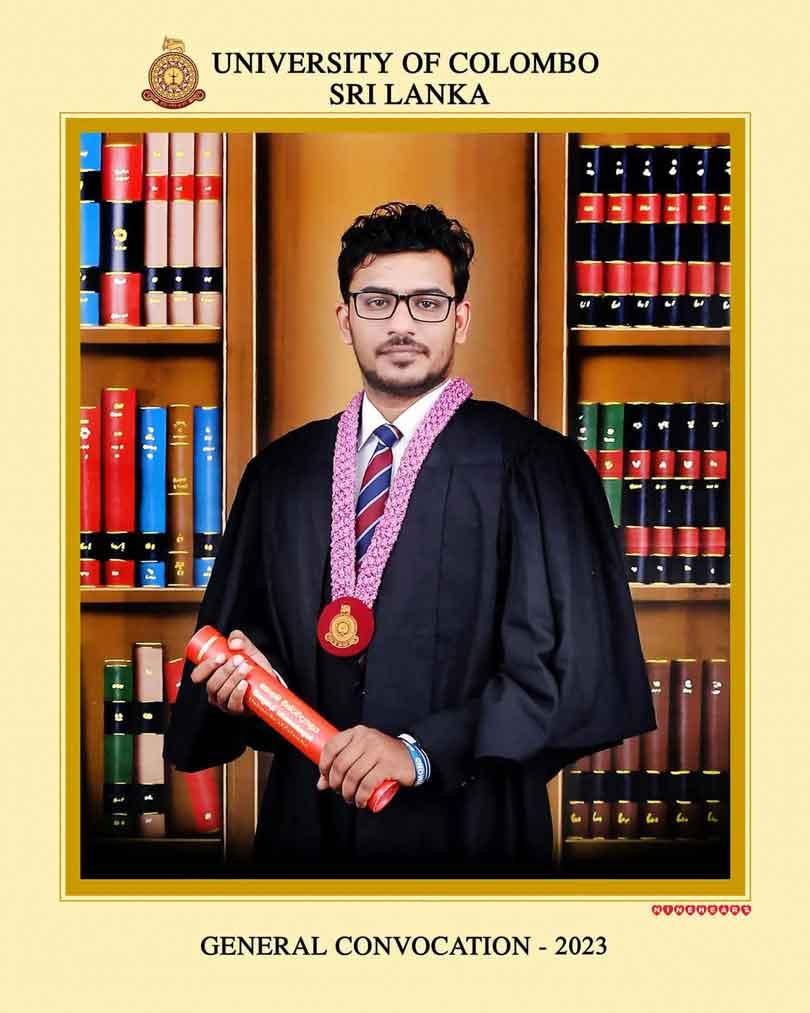
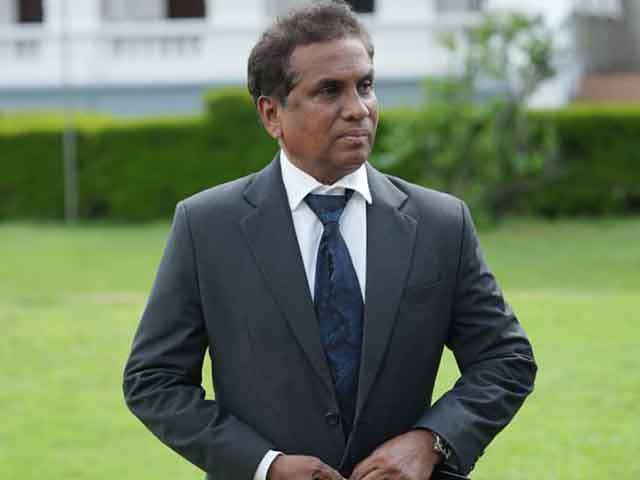
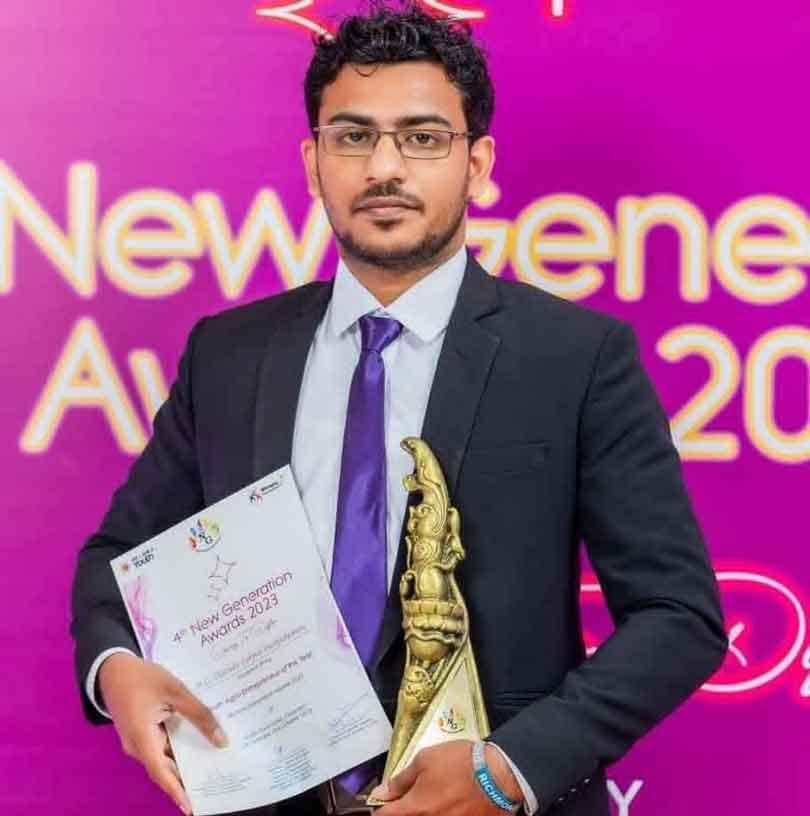
Starting with just Rs. 5,000 as a university student, Dr. Tharindu Gamage has built an entrepreneurial journey defined by determination, innovation and a commitment to Sri Lankan agriculture. What began as an attempt to finance his university research eventually developed into Ayu Lanka, a growing enterprise producing nutritional foods and chocolate using locally sourced ingredients. From operating in a modest 75-square-foot structure to experimenting nearly 200 times before perfecting his chocolate-making process, his journey reflects the importance of perseverance and continuous learning. As an Ayurvedic physician and entrepreneur, he combines his medical knowledge with a passion for creating healthier food products while supporting local farmers and reducing agricultural waste. Recognised at the New Generation Youth Awards, Dr. Gamage continues to pursue an ambitious vision of revitalising Sri Lanka’s cocoa industry, introducing authentic local flavours to international markets and inspiring young entrepreneurs to transform limited resources into meaningful opportunities.
You began your entrepreneurial journey with just Rs. 5,000 while studying at university. What inspired you to take that first step?
My journey into entrepreneurship was somewhat unexpected. It began in 2018, when I was conducting research into a medicinal product during my university studies. Unfortunately, financial difficulties forced me to temporarily suspend that research. Rather than abandoning my ambitions, I started exploring ways to generate the funds needed to continue my work. This led me to develop Manyokka Poshana, a nutritional food supplement made from cassava and five varieties of nuts. What initially began as a solution to a financial problem gradually became a business opportunity. In July 2020, I established Ayu Lanka to manufacture and develop the product. My original intention was never simply to become a businessman. I wanted to create a sustainable source of income that would allow me to continue my research and develop innovative products. Looking back, I believe those financial difficulties ultimately pushed me towards discovering opportunities I might otherwise never have considered. Entrepreneurship became an important foundation for achieving my long-term professional and research ambitions.
How did you balance your medical studies, research and business while overcoming the challenges of starting from scratch?
Balancing university education with entrepreneurship was one of the greatest challenges I faced. Education has always been extremely important to me, and becoming a doctor remained a priority even as I worked towards establishing my business. I had to make considerable sacrifices, particularly regarding my personal time and social activities. There were occasions when I sacrificed sleep, although, as a doctor, I would never recommend making that a regular practice.
Careful planning became essential. At the beginning of each month, I prepared schedules outlining my academic responsibilities, business activities, financial commitments and personal goals. Generally, I devoted my mornings to university work and my evenings to developing the business. During those early stages, I personally handled everything from purchasing machinery and raw materials to identifying suppliers. Financial difficulties also meant taking part-time jobs to support my expenses and purchase equipment. Another important factor was self-learning. I studied research papers, watched educational videos and explored online resources to improve my knowledge. I also sought assistance from government institutions, including Vidatha Resource Centres, Small Enterprise Development Units and the Industrial Development Board. These experiences taught me that successful entrepreneurship requires discipline, continuous learning, resourcefulness and the willingness to actively search for solutions.
Your first production space measured approximately 75 square feet. What does that humble beginning mean to you today?
That small space remains one of the most meaningful parts of my entrepreneurial journey. When I started, my production area measured approximately 75 square feet. It had very limited facilities, with a simple roof and tarpaulin covering. Nevertheless, it was the place where my business first took shape. We even constructed some of our machinery ourselves, and I still preserve certain pieces of that equipment today. Over time, the business expanded into a building covering approximately 600 square feet. Seeing that transformation gives me immense satisfaction because I remember the difficulties involved in reaching this stage. Some parts of the original structure still exist, and whenever I see them, I am reminded of the determination that helped me begin. I never consider that place merely an old shed. To me, it represents courage, sacrifice and the beginning of something meaningful. Regardless of how much the business grows, I will always respect where it started.
What inspired your transition from nutritional supplements to chocolate made using Sri Lankan cocoa?
My entrepreneurial journey began with nutritional food products, so developing chocolate was a natural extension of my interest in food innovation and health. I became concerned about the quality and ingredients of certain chocolate products available in Sri Lanka. I believed there was an opportunity to develop chocolate that was manufactured using appropriate methods and offered consumers a more health-conscious alternative. At the same time, I recognised the potential of Sri Lankan cocoa cultivation. Cocoa has valuable nutritional properties, yet I felt that locally available cocoa products were not always reaching the quality standards they deserved. These observations inspired me to explore chocolate manufacturing using genuine cocoa. My objective was to produce high-quality chocolate at a reasonable price while encouraging greater appreciation for locally cultivated cocoa. I also wanted to demonstrate that Sri Lanka possesses the agricultural resources needed to manufacture distinctive products rather than depending entirely on established foreign chocolate traditions. For me, chocolate production became an opportunity to connect food innovation, consumer wellbeing and agricultural development.
You experienced nearly 200 unsuccessful attempts before producing your desired chocolate. What did those failures teach you?
When I first began experimenting with chocolate, I realised that my understanding of the product was extremely limited. Initially, I assumed that the chocolate commonly prepared in shops represented the correct manufacturing process. However, further research showed me that producing authentic chocolate from cocoa required considerably more knowledge and technical understanding. I began studying cocoa and experimenting with different production methods. My earliest attempts were unsuccessful, and the challenges continued throughout the development process. In fact, I experienced approximately 200 failures before achieving the chocolate I wanted to produce. Each unsuccessful attempt revealed something new about the ingredients, techniques and manufacturing process. Instead of becoming discouraged, I treated those experiences as opportunities to improve. My passion for chocolate motivated me to continue experimenting despite repeated disappointment. Eventually, the knowledge gained through those failures helped me develop a successful product. The most important lesson was that failure should not necessarily be viewed as defeat. When we remain committed to learning, even unsuccessful experiences can become valuable steps towards achieving our goals.
As both an Ayurvedic physician and entrepreneur, how do these two professional identities influence your products?
Although Ayurveda and entrepreneurship are different professional fields, I have found meaningful ways to connect them through food innovation. My medical background encourages me to consider the relationship between food, nutrition and wellbeing when developing products. In chocolate manufacturing, I incorporate locally available fruits, nuts and other food ingredients, including agricultural produce that might otherwise be affected by post-harvest losses. I also use an Ayurvedic medicinal ingredient in developing my distinctive chocolate products. This approach allows me to explore combinations that reflect Sri Lanka’s traditional knowledge and agricultural diversity while creating something different for consumers. I believe my professional background also creates an additional responsibility to maintain product quality and earn consumer trust. Being a physician does not mean that every product automatically delivers medical benefits. However, my knowledge influences the care and attention I give to ingredient selection and product development. Ultimately, I want these two aspects of my career to complement each other through responsible innovation.
What is your long-term vision for Sri Lanka’s cocoa industry and the use of local agricultural resources?
My ambition is to contribute towards increasing cocoa cultivation in Sri Lanka while creating stronger demand for locally produced cocoa. I believe our country has considerable potential to manufacture authentic, high-quality chocolate using its own agricultural resources. One of my priorities is to make such products accessible to Sri Lankan consumers at reasonable prices. I also want to encourage greater awareness of chocolate quality and the importance of carefully selected ingredients. Beyond chocolate manufacturing, I hope to support better utilisation of locally grown fruits, nuts and other agricultural products, particularly those vulnerable to post-harvest losses. By incorporating these ingredients into innovative products, we can create additional value from resources already available within our country. Another important ambition is to introduce the distinctive flavour of Sri Lankan cocoa to international consumers. Sri Lanka has a remarkable variety of local flavours, and I believe combining them with chocolate can create products with a unique identity. My ultimate goal is to help strengthen the cocoa industry while showcasing Sri Lankan agricultural innovation on the global stage.
What advice would you offer young Sri Lankans who have promising business ideas but very limited financial resources?
My own experience demonstrates that financial limitations do not necessarily have to prevent someone from beginning an entrepreneurial journey. I started with just Rs. 5,000 and faced numerous obstacles while trying to develop my products and business. What helped me progress was my willingness to keep learning, explore opportunities and find practical solutions rather than surrender to difficulties. I believe young entrepreneurs should give considerable importance to planning, managing available resources and continuously improving their knowledge. They should also actively search for support from institutions and organisations that assist small businesses. Most importantly, they should recognise the potential of Sri Lanka’s local resources and explore how those resources can be transformed into valuable products. My own ambition remains focused on developing our cocoa industry and introducing distinctive Sri Lankan flavours to the world. I hope my journey encourages others to pursue their ideas with determination, patience and a genuine commitment to innovation.