SOVIET DREAMS TO THE RUSSIAN HOUSE: BUDDHAPRIYA RAMANAYAKA REFLECTS ON SRI LANKA’S SOVIET GRADUATES
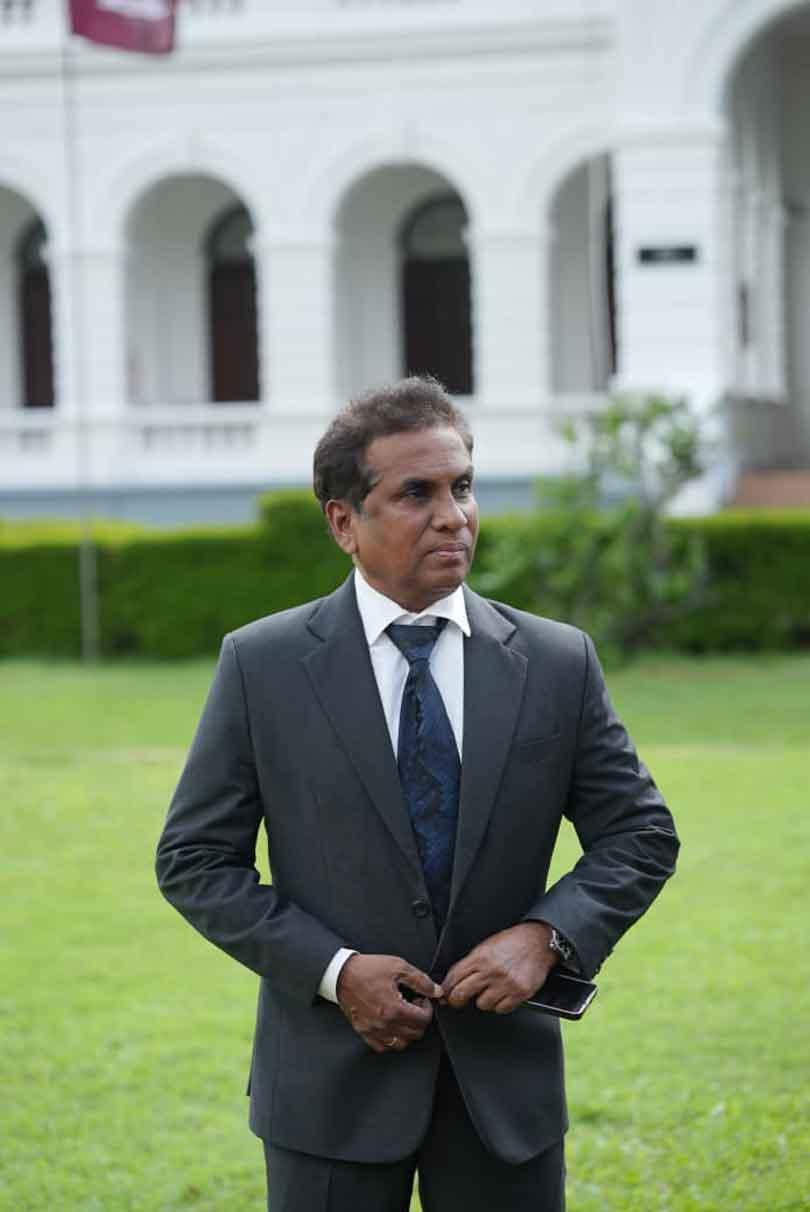
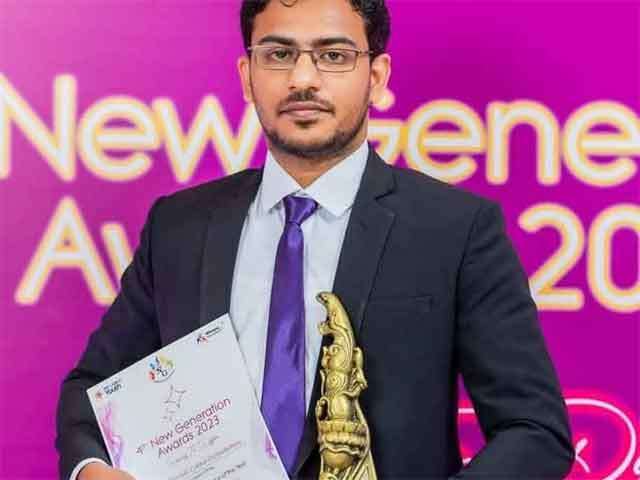
CEO, Cultural Section at the Embassy of the Russian Federation in Sri Lanka, Buddhapriya Ramanayaka
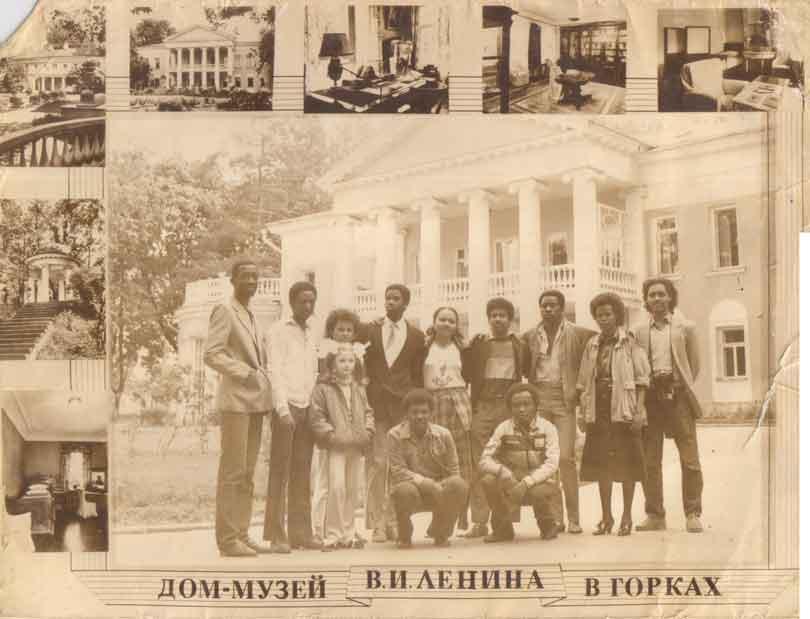
Ramanayaka with university batchmates during a visit to the Lenin Museum in 1986
BY SAFRAH FAZAL
For Buddhapriya Ramanayaka, it was the country’s literature, people, culture and values that drew him to Russia and instilled in him a deep-seated admiration and respect for the former Soviet nation. At fourteen years old, Ramanayaka would eagerly rush to meet his friend’s sister whenever she returned from Russia, keen to hear about life there as a scholarship student; the food, the weather, and its people. These stories sparked in him a hunger to work hard and one day obtain a fully funded scholarship to study in Russia, particularly at the Patrice Lumumba Peoples' Friendship University. Decades later, Ramanayaka is now the Chief Executive Officer of the Cultural Section at the Embassy of the Russian Federation in Sri Lanka and has been serving at the Russian House for over 25 years in various capacities. Over a cup of tea at the Russian House, Ramanayaka spoke to me about his experience of the scholarship that transformed his life, his visits to the Kremlin, the monthly meetups with graduates of socialist countries, and, most importantly, the upcoming meeting of Russian university graduates from over 50 countries, which will be held in Sri Lanka.
What was it about Russia that drew you in, rather than a Western country?
During my school years, I read a lot, especially Soviet literature. I found it fascinating because it wasn’t about wars or violence, but more about everyday life. My favourites were Lassana Wasilissa, Mother by Maxim Gorky and, of course, books by Anton Chekhov. That was the start. Then, when my friend’s sister came home from university, she would tell me stories about Moscow and St. Petersburg. Hearing and reading about Russia made me imagine myself there, sampling the food and experiencing life there. That’s when I decided I had to somehow get to Russia and study at the Patrice Lumumba Peoples' Friendship University. In 1985, I applied for the full scholarship offered by the Soviet government to Sri Lanka, got through the interviews and fulfilled the dream of my 14-year-old self.
When you finally got to Russia, did it live up to what you had imagined?
We had to learn Russian in our first year. The teachers were like the mothers in the Russian books I used to read, so compassionate. Within 10 months, we could speak Russian. Our lecturers were professors and scientists, some of whom had pioneered revolutionary theories, yet they were so humble. We’d often see them taking the metro or travelling by bus. We never experienced discrimination in Russia. Once, on a winter day in September, during my first year, I was out on the street when an old lady approached me and tightened my muffler, gesturing quite aggressively. I thought she was being rude, but I later realised she was trying to tell me that, since I was from a different country, I needed to dress properly or I would fall ill.
I don’t think you get that in many other European or Western countries. That’s the Russian spirit, they don’t care about colour or racism, and that was a memorable moment in my life. My university was multicultural too. We had students from across the globe, but we were all united by a common language. Perhaps that’s why our graduates are humbler and people oriented.
What was student life like for you in Russia?
We never experienced ragging at my university; instead, our seniors helped us. While studies were important, we were also involved in many other activities, so university life was very different. I was first selected as the Sports Secretary of the Sri Lankan Students’ Union in my batch. I later became Treasurer and Cultural Secretary, before becoming President of the Sri Lankan Students’ Union and the Asia representative of the Supreme Student Union. During that time, I also had the opportunity to visit North Korea for a month. As a student, I travelled extensively to Latvia, Lithuania, Estonia, Kazakhstan, Uzbekistan and Kyrgyzstan. I also took the Trans-Siberian Railway to Beijing, China. During one summer vacation, I travelled by train to London, an unforgettable journey that took three exciting days.
What is the Russian scholarship programme like today?
We offer around one hundred fully funded scholarships to Sri Lankan students each year, and thousands of Sri Lankans have benefited from the programme over the years. I am one of them, and I’m proud to say, as President of the Association of Sri Lankan Graduates from Socialist Countries (ASLGSC), that you’ll find a significant number of Russian graduates in hospitals across Sri Lanka. Through the scholarship programme, we also train Sri Lankans in atomic and nuclear engineering, which Sri Lanka will benefit from as we move towards clean energy.
How do you bring the values you learned in Russia into your work at the Russian House?
It was a very challenging time when I started my career as an Information Officer at the Russian Cultural Centre, as it was just after the collapse of the Soviet Union. I’m very happy that, just four or five years later, we started the Russian School of Ballet with only four students. We charge a nominal fee and focus on giving students a genuine experience of Russian culture and values. We don’t market ourselves; it’s purely by word of mouth. After 2.30 p.m. every day, you’ll see hundreds of parents and little ballerinas swarming about. This is a cultural centre and we promote culture, so there’s a lot of freedom here, visitors can move about freely. Of course, we do consider security, but the most important thing is to give them a sense of what Russia offers in terms of culture.
As one of the association’s early members and now its President, how have you seen it grow over the years?
We’re celebrating our 60th anniversary soon! The ASLGSC was established to support alumni of socialist countries, many of whom faced challenges finding jobs in Sri Lanka. Along with providing moral and, at times, financial support, the association meets every month to reminisce about our days in the Soviet Union, singing Russian songs and sometimes even enjoying Russian food. Around 150 to 200 people attend each month. Every year, we hold our Annual General Meeting (AGM), followed by a dinner dance. Sri Lankan graduates from around the world attend this gala. At the AGM, we also have the Scientific Sessions presented by Russian-qualified professors and professionals.
Can you give us a glimpse of what to expect at the international AGM of Russian graduates in Sri Lanka?
We are expecting Russian graduates from over 50 countries to gather here in Sri Lanka from October 25th to 30th. We’re also expecting a number of distinguished guests who received their higher education in Russia.
Finally, what was it like stepping into the Kremlin for the first time and meeting President Vladimir Putin?
Surreal. The Kremlin is very impressive, as you can imagine, with massive corridors and beautiful chandeliers. The first time I saw President Putin was in 2013, when we had the first World Congress of Russian Graduates, which he chaired. I’ve never met anyone who exudes as much confidence and presence as him.