Four Paws, A Little More Comfort: How Pets Can Make a Difference in the Lives of Autistic Children
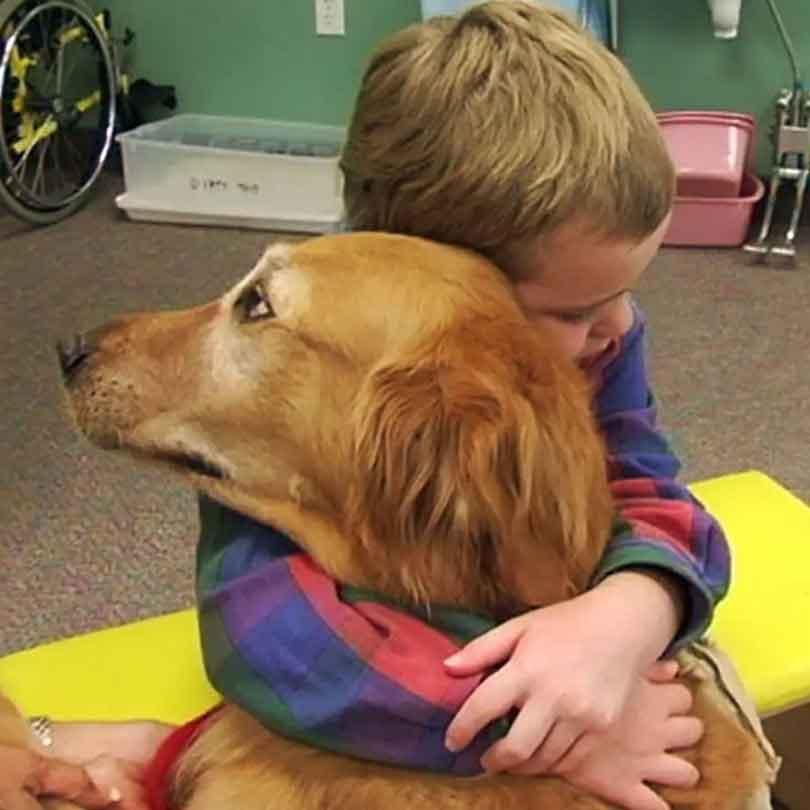
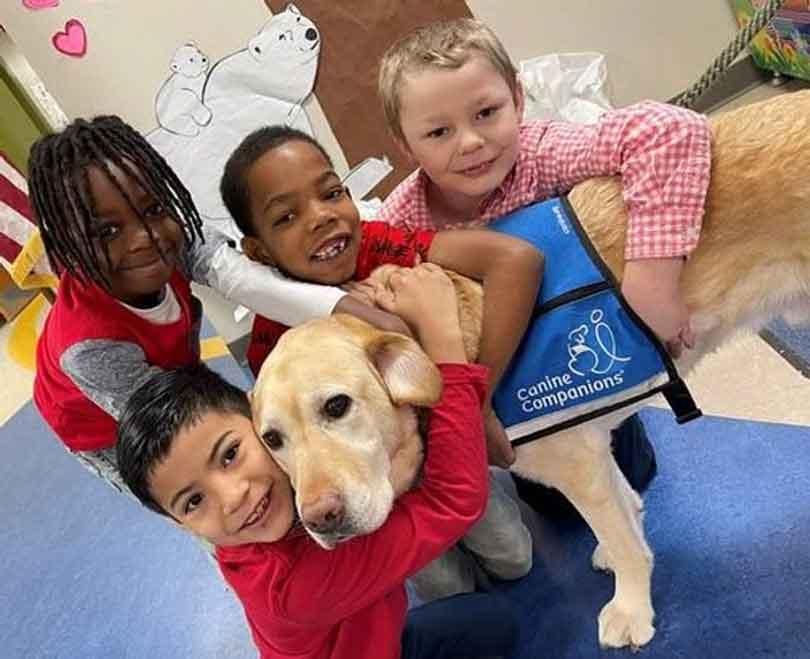
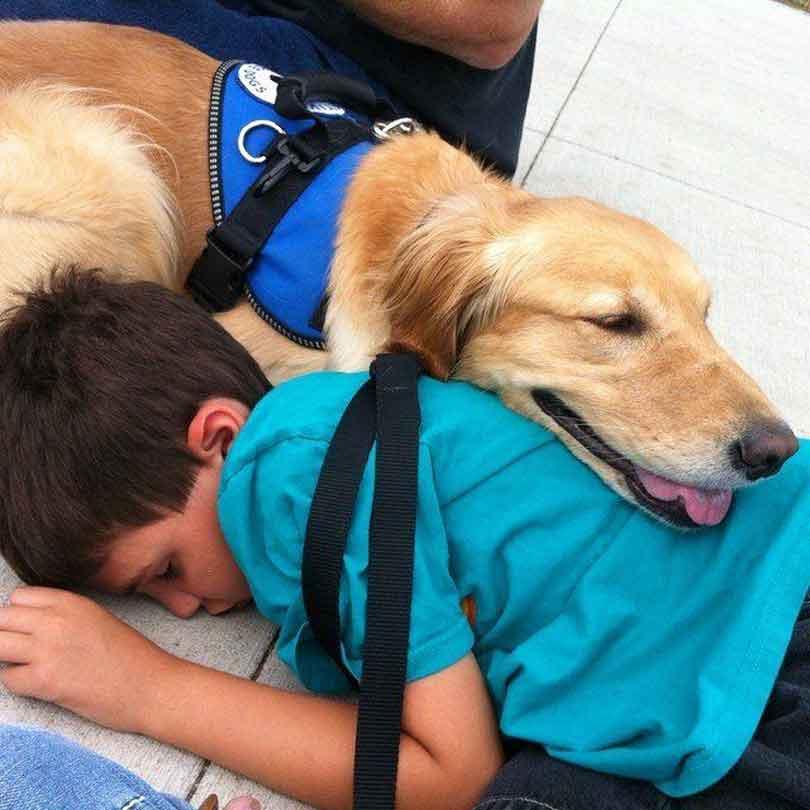
A furry companion may offer more than cuddles and playful moments. Research suggests that relationships with animals can support emotional well-being, social interaction and communication in some autistic children, reminding us that connection does not always need to begin with words. A child comes home after a difficult day, overwhelmed by the noise, demands and expectations of the world around them. They may struggle to explain what is wrong, find it difficult to communicate their feelings or simply need a little space from everyone. Then, a dog trots towards them, a cat settles quietly beside them or a familiar pet curls up at their feet. No questions are asked. No explanation is demanded. The animal simply stays. For some autistic children, moments like these can make a meaningful difference. While every child experiences autism differently, relationships with companion animals may provide comfort, companionship and opportunities to develop certain social and emotional skills. The benefits are not merely sentimental, either. Researchers have begun examining how interactions with animals may influence the lives of autistic children, with several studies reporting encouraging results.
A Friend Who Does Not Demand Explanations

Communication is often discussed when people talk about autism, but it is important to understand that autistic children do not all communicate in the same way. Some speak fluently but find particular social situations exhausting, while others communicate through gestures, pictures, communication devices or other methods. Certain children may also find it difficult to identify or express their emotions, especially when they are overwhelmed. Interacting with a pet can provide an alternative way to experience companionship without the same conversational expectations that sometimes accompany human relationships. A child can sit beside a dog, stroke a cat gently or watch a fish swim without needing to maintain eye contact, interpret complicated facial expressions or respond to a stream of questions. For a child who finds conventional social interactions demanding, this quieter form of companionship may feel reassuring. Of course, animals have their own boundaries, and children need support in learning to recognise them. Nevertheless, a familiar pet can become a comforting presence in a child's daily life. The relationship develops through repeated experiences, familiar routines and mutual trust rather than through the expectation that the child must behave in a particular way to deserve affection.
The Comfort of an Uncomplicated Bond
Autistic children may experience sensory overload, anxiety or distress in situations that other people find ordinary. Crowded classrooms, unexpected changes, loud conversations and unfamiliar environments can become difficult to manage. A pet cannot eliminate these challenges, but a calm and familiar animal may offer a source of comfort during stressful moments.
The companionship of a pet can also provide a sense of predictability. A child may know that the family dog waits near the door at a particular time, that the cat curls up in a favourite chair every afternoon or that feeding the fish is part of the morning routine. These familiar experiences can become reassuring anchors in a day that might otherwise feel unpredictable.
Some children may find comfort in touching an animal's fur, listening to its breathing or observing its movements. However, sensory preferences differ considerably. While one child may enjoy cuddling a dog, another may dislike fur, unexpected movements or the sounds an animal makes. The aim is never to make an autistic child tolerate sensations they find uncomfortable. Instead, the relationship should be shaped around the child's individual needs and preferences.
Research into animal-assisted interventions offers some support for these potential benefits. A 2023 systematic review published in Complementary Therapies in Clinical Practice examined seven controlled trials involving children and adolescents with autism. The researchers identified encouraging trends across emotional, social, behavioural, cognitive and physical outcomes, while cautioning that the available studies had methodological limitations.
Learning to Connect, One Small Interaction at a Time
For children who find certain aspects of social interaction challenging, a pet may provide a natural starting point for practising communication. A child might tell a parent that the dog is hungry, ask a sibling to play with the cat or share an observation about an animal's behaviour. These ordinary moments can create opportunities for conversation without making communication feel like a formal exercise. Imagine a child who rarely initiates a conversation with classmates but eagerly talks about the family rabbit. Their interest in the animal may encourage them to share stories, ask questions and engage with someone who shares that interest. The pet becomes a bridge to interaction rather than a tool intended to force the child into unfamiliar social situations. A 2020 meta-analysis examining animal-assisted interventions for school-aged autistic children found small positive effects on social interaction and communication. The findings are promising, but they do not establish that every child will experience these improvements or that keeping a pet alone will produce the same results as a structured intervention.
The distinction matters. A child's growing confidence should not be measured solely by how much they speak, how often they make eye contact or how closely they imitate other children. Communication can take many forms, and the value of a relationship should not depend on whether it makes a child appear less autistic.
Responsibility Can Become a Gentle Learning Experience

Caring for a pet introduces opportunities to develop routines and practise age-appropriate responsibilities. Filling a water bowl, helping to prepare an animal's food or remembering a supervised feeding schedule can give a child a tangible role within the household. For some children, these activities may encourage independence and a sense of accomplishment. A child who participates in a daily care routine can see the direct relationship between their actions and an animal's well-being. Over time, this may support the development of practical skills, planning and awareness of another living creature's needs. Parents should introduce these responsibilities according to the child's age, abilities and interests. Caring for an animal is not a task that should be placed entirely on a child, particularly when the animal's safety and welfare depend on consistent adult supervision. The purpose is to create opportunities for participation, not to turn companionship into another source of pressure. Small routines can be meaningful in their own right. A child who helps brush a dog, replenishes a water bowl or joins a parent on a daily walk is participating in an experience that combines movement, learning and shared attention. Even when these activities do not produce measurable developmental changes, they can still become enjoyable parts of family life.
A Companion Who Can Bring Families Together
The potential benefits of pet ownership may extend beyond the child. A companion animal can become a shared interest around which family members organise activities, exchange stories and spend time together. Parents and siblings may find new opportunities to interact with the child through play, animal care or conversations about the pet. A study published in the Journal of Autism and Developmental Disorders in 2020 surveyed 764 parents of children with autism about their experiences with companion animals. The findings indicated that parents who perceived greater benefits from their pets also reported lower levels of stress. However, the study was based on survey responses and cannot establish that pet ownership directly caused a reduction in parental stress. This is an important consideration because caring for an autistic child can involve navigating educational demands, appointments, social misunderstandings and the practical responsibilities of everyday life. A pet may contribute moments of joy and shared connection, although it can also introduce additional expenses, work and worry. The overall experience depends on the family, the animal and the support available.
For siblings, too, caring for a pet can provide an opportunity to learn patience, respect and cooperation. Family members may take turns preparing food, arranging walks or helping the animal settle into its environment. These shared responsibilities can create pleasant experiences that do not revolve around a child's difficulties or developmental goals.

Not Every Child Needs a Pet
Despite the encouraging research, it would be misleading to suggest that every autistic child should have an animal companion. Some children adore animals, while others feel frightened by them, dislike their sounds or movements, or have sensory sensitivities that make close contact uncomfortable. A child may also prefer watching animals from a distance rather than touching or handling them. Parents must consider allergies, household finances, available space, the time required for daily care and the temperament of the animal. A calm, well-socialised pet may suit one family, while another may be better served by occasional visits to a trusted relative's pet or a supervised animal-assisted programme. The animal's welfare matters just as much as the child's experience. Children need age-appropriate guidance on approaching animals gently, recognising signs of fear and allowing pets to retreat when they want space. Adults remain responsible for supervision, hygiene, veterinary care and ensuring that interactions are safe for everyone involved.
It is also essential to distinguish ordinary pet ownership from animal-assisted therapy. The latter involves planned activities or interventions, often with trained professionals and carefully selected animals. Research on structured programmes cannot automatically be used to claim that every household pet will produce therapeutic benefits. Animal-assisted approaches may complement appropriate support, but they should not replace healthcare, educational accommodations or communication support when these are needed.
More Than a Developmental Milestone
Perhaps the most valuable contribution a pet can make is not a measurable improvement in a particular skill. It may simply be the happiness of having a companion who shares the same home, the excitement of seeing a familiar face at the end of the day or the comfort of sitting beside a trusted animal during a difficult moment. Autistic children do not need to be taught that they must become different people to deserve companionship. They deserve relationships that respect their communication styles, sensory needs, interests and boundaries. A pet can sometimes offer a relationship in which these differences are easier to accommodate, provided that both the child and the animal feel safe. Scientific research into the benefits of animal companionship continues to develop, and the evidence remains uneven across different animals, interventions and outcomes. Nevertheless, existing findings suggest that animal-assisted activities may offer useful opportunities for social engagement and emotional support for some autistic children. More rigorous research is needed to understand who benefits most, under what circumstances and for how long.
A pet is not a cure for autism, nor should it be expected to solve every difficulty a child encounters. It is a living creature with its own personality, needs and boundaries. When a child and an animal develop a healthy bond, however, the relationship can bring comfort, laughter, companionship and meaningful shared experiences into everyday life. Sometimes, the most valuable part of growing up with a pet is not learning how to fit more comfortably into the world. It is discovering that companionship can begin without having to explain yourself first.